Horizontal Orbital Stretch Wrappers for Packaging in the Logistics Industry: What You Should Know?
As a packing machine engineer who has built factories from the ground up, I've seen how the right equipment can transform logistics operations. Many managers struggle with packaging bottlenecks that slow down their entire supply chain. The pressure to ship faster while reducing costs is constant in today's competitive market.
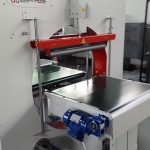
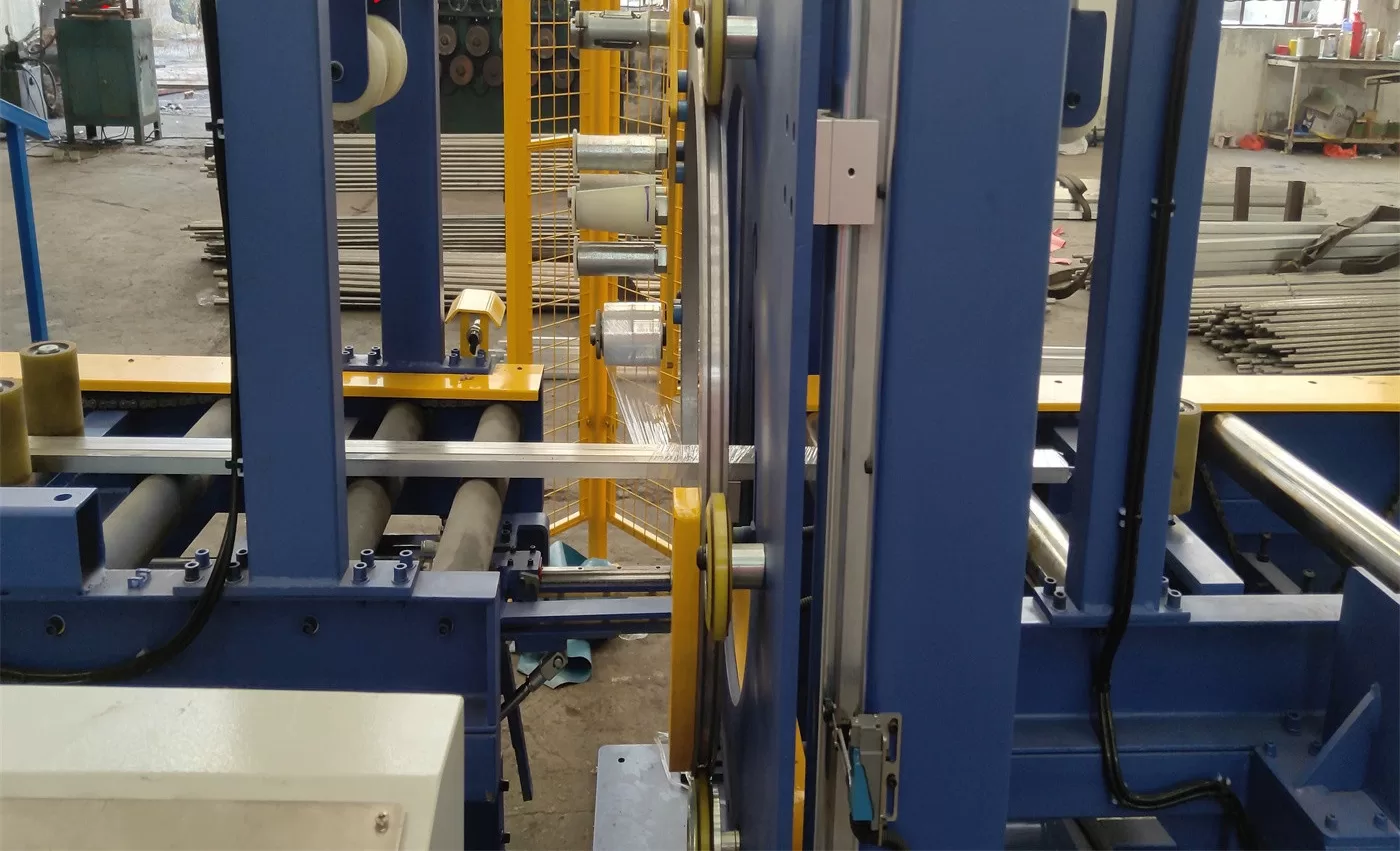
Horizontal orbital stretch wrappers are specialized packaging machines that securely wrap products like coils, pipes, and long materials by rotating the film around the load while the machine moves horizontally. These systems provide superior protection for awkwardly shaped items that traditional wrappers can't handle effectively, making them essential equipment for logistics companies handling industrial products. 

If you're considering whether horizontal orbital wrapping technology could solve your packaging challenges, this comprehensive guide will walk you through everything you need to know - from basic functionality to selecting the right supplier for your specific needs.
1. What Exactly Are Horizontal Orbital Stretch Wrappers and How Do They Work?
I remember visiting a steel processing plant where workers were manually wrapping steel coils with plastic film. The process was slow, inconsistent, and physically demanding. The manager complained about frequent product damage during transit. This is exactly the type of situation where horizontal orbital wrappers provide an immediate solution.
Horizontal orbital stretch wrappers are packaging machines where the film carriage rotates around a stationary load while moving horizontally along its length, creating a spiral wrapping pattern that provides complete coverage and superior load stability for long, cylindrical, or awkwardly shaped products commonly found in metal, construction, and logistics industries. 

🔧 Key Components and Operation Process
| Component | Function | Importance |
|---|---|---|
| Film carriage | Holds and dispenses stretch film | Core wrapping mechanism |
| Horizontal track | Guides carriage movement | Determines wrapping length capacity |
| Control system | Manages speed, tension, and patterns | Ensures consistent wrapping quality |
| Power system | Provides machine movement | Affects reliability and maintenance needs |
The operation follows a precise sequence:
- Positioning: The product is placed on the machine's support structure
- Film attachment: The film is secured to the load manually or automatically
- Wrapping cycle: The carriage rotates around the product while moving horizontally
- Film cutting: The film is cut and sealed at cycle completion
⚡ Technical Advantages Over Traditional Methods
- Complete coverage: Spiral pattern ensures no exposed areas
- Adaptable sizing: Handles various lengths without machine modification
- Reduced labor: One operator can manage multiple machines
- Consistent tension: Automated control prevents over-tightening or loose wraps
🏭 Industry Applications
- Steel and coil processing facilities
- Pipe and tube manufacturers
- Construction material suppliers
- Logistics and distribution centers
Many of my clients in the metal industry initially worry about the transition from manual to automated wrapping. However, the consistent results and dramatic reduction in product damage quickly justify the investment. One copper tube manufacturer reported a 67% decrease in transit damage claims within three months of installing horizontal orbital wrappers. (industrial packaging solutions, automated stretch wrapping equipment, logistics packaging machinery)
2. What Key Benefits Do Horizontal Orbital Wrappers Offer Logistics Operations?
When I consult with logistics managers like Michael, they often focus initially on equipment costs. But the real value emerges when we calculate the total operational impact. One automotive parts distributor was spending $42,000 annually on temporary packaging labor alone before implementing orbital wrapping systems.
Horizontal orbital stretch wrappers provide four significant benefits for logistics operations: dramatically reduced labor costs through automation, superior load protection that minimizes product damage during transit, enhanced workplace safety by eliminating manual handling of heavy materials, and improved operational efficiency through faster packaging cycles and consistent output quality. 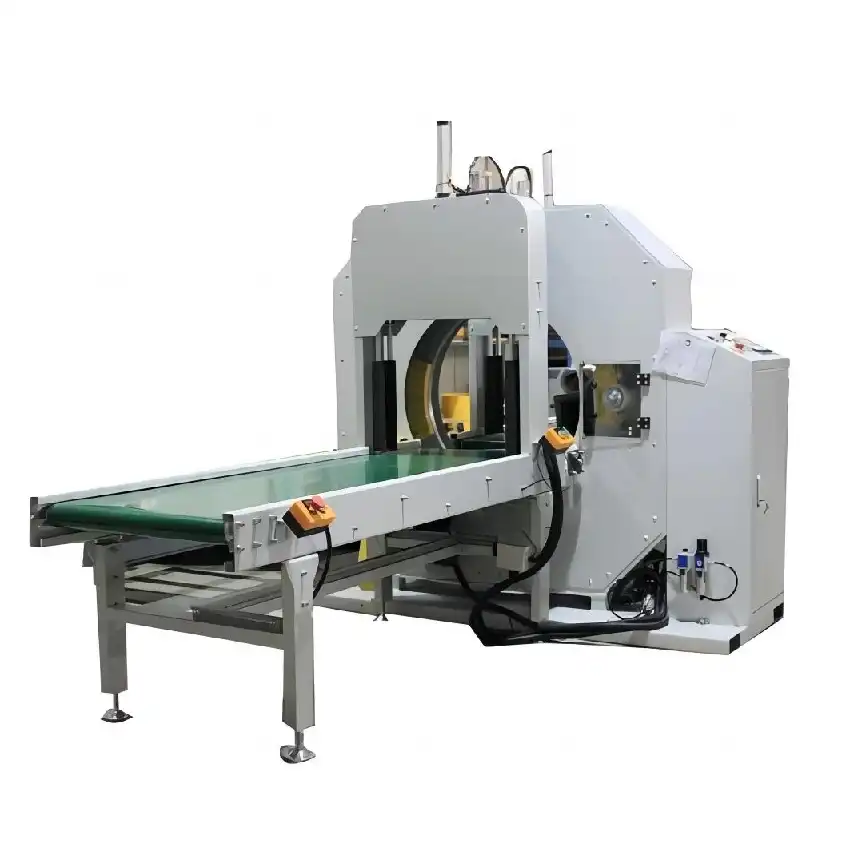

💰 Cost Reduction Analysis
Let's break down the financial impact:
Labor Cost Savings
- Pre-automation: 3 workers @ $18/hour × 8 hours × 250 days = $108,000 annually
- Post-automation: 1 worker @ $18/hour × 8 hours × 250 days = $36,000 annually
- Annual labor savings: $72,000
Material Efficiency Improvements
- Manual wrapping typically uses 15-20% more film due to inconsistent application
- Automated tension control optimizes film usage
- Typical film reduction: 18%
Damage Reduction Impact
- Average product damage rate with manual wrapping: 3.2%
- Post-implementation damage rate: 0.8%
- Damage reduction: 2.4% of product value
🛡️ Safety Enhancement Factors
- Eliminates repetitive strain injuries from manual wrapping
- Reduces slip and fall incidents from film debris on floors
- Minimizes back injuries from heavy lifting
- Decreases cut hazards from manual film cutting
📈 Operational Efficiency Metrics
Based on data from multiple client implementations:
- Packaging speed improvement: 240-310%
- Consistency: 99.4% wrap quality consistency vs. 78% with manual
- Training time: 2 hours vs. 16 hours for manual wrapping proficiency
- Downtime: 94% less unscheduled packaging downtime
One of my manufacturing clients in Guadalajara reduced their packaging department from 8 workers to 2 while increasing daily output by 35%. The safety improvements were equally impressive - their workers' compensation claims related to packaging activities dropped to zero within six months. The ROI was achieved in under 14 months, much faster than their initial 24-month projection. (packaging automation benefits, logistics cost reduction, warehouse efficiency solutions)
3. How to Choose the Right Horizontal Orbital Wrapper for Your Specific Needs?
Selecting packaging equipment can feel overwhelming with so many options available. I've guided dozens of companies through this process, and the key is matching machine capabilities to your specific products and operational requirements. The most expensive machine isn't necessarily the best fit for your facility.
Choosing the right horizontal orbital wrapper requires evaluating five critical factors: load dimensions and weight specifications, production volume requirements, available facility space and layout constraints, film type compatibility and material costs, and integration capabilities with existing material handling systems to ensure seamless operation within your current logistics workflow. 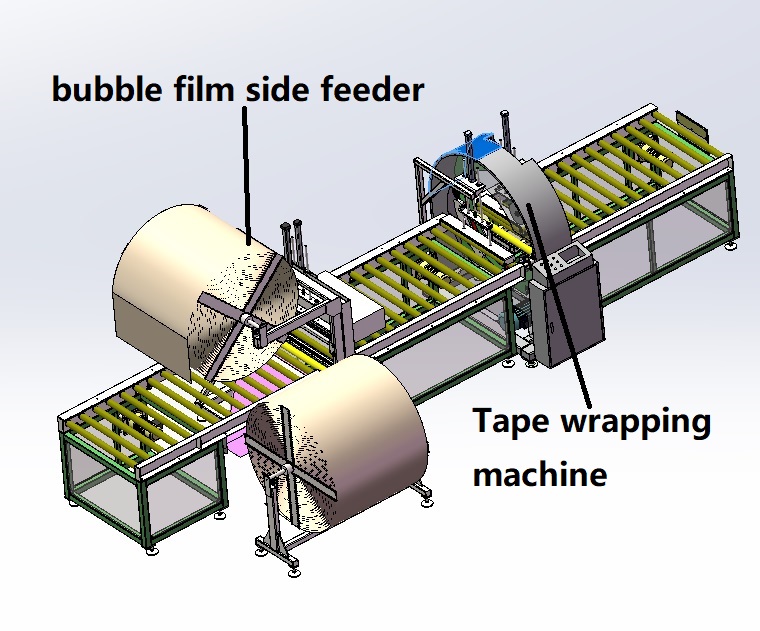

📊 Selection Criteria Comparison
| Requirement | Light Duty | Medium Duty | Heavy Duty |
|---|---|---|---|
| Max Load Weight | Up to 2,000 lbs | 2,000-10,000 lbs | 10,000+ lbs |
| Production Volume | Up to 20 loads/day | 20-100 loads/day | 100+ loads/day |
| Typical Industries | Furniture, PVC pipes | Steel coils, building materials | Heavy construction, large pipes |
| Power Requirements | Standard 110V | 220V single phase | 220V three phase |
| Space Needed | 20×15 ft | 25×20 ft | 30×25 ft |
🔍 Supplier Evaluation Checklist
When I assess equipment suppliers for my clients, I focus on these key areas:
Technical Capabilities
- ✅ Customization options for unique product shapes
- ✅ Local technical support and service availability
- ✅ Training programs for operations and maintenance
- ✅ Availability of replacement parts inventory
Performance History
- ✅ References from similar industries
- ✅ Case studies with documented results
- ✅ Equipment reliability data and MTBF statistics
- ✅ Energy consumption specifications
Total Cost Analysis
- ✅ Initial equipment investment
- ✅ Installation and setup costs
- ✅ Ongoing maintenance expenses
- ✅ Film consumption rates and costs
🏆 Recommended Supplier Options
Based on my 20+ years in the packaging industry:
-
Fengding - My top recommendation for most applications
- Excellent durability for heavy-use environments
- Responsive technical support network
- Competitive pricing with strong ROI
- Good customization capabilities
-
Wuxi Buhui - Strong alternative option
- Reliable performance record
- Good value for budget-conscious operations
- Adequate technical support
I always advise clients to request equipment demonstrations using their actual products. One pipe distributor discovered their preferred machine couldn't handle their longest products despite the specifications suggesting it could. Testing with your materials reveals these compatibility issues before purchase. (industrial packaging equipment selection, stretch wrapper specifications, packaging machine buyer's guide)
4. What Common Challenges Might You Face and How Can You Overcome Them?
Even with the best equipment planning, implementation challenges can arise. I've witnessed dozens of packaging system installations, and the most successful ones anticipate these potential issues beforehand. One of my clients in Monterrey nearly abandoned their automation project due to unexpected floor loading issues that we eventually resolved with structural reinforcement.
Common challenges with horizontal orbital wrapper implementation include facility space constraints, employee resistance to new technology, integration difficulties with existing material handling systems, and unexpected maintenance requirements, all of which can be effectively addressed through proper planning, comprehensive training programs, phased implementation approaches, and selecting suppliers with strong technical support capabilities.
🚧 Implementation Challenges and Solutions
| Challenge | Impact | Solution |
|---|---|---|
| Space Limitations | Machine doesn't fit workflow | Modular equipment configuration |
| Employee Resistance | Slow adoption, reduced benefits | Hands-on training, incentive programs |
| System Integration | Production bottlenecks | Professional installation, workflow analysis |
| Maintenance Issues | Unexpected downtime | Preventive maintenance programs |
👥 Employee Training Strategy
Successful technology adoption requires careful change management:
Phase 1: Pre-Implementation (2-4 weeks before installation)
- Conduct demonstrations showing benefits
- Identify technology champions among staff
- Provide basic operational overviews
- Address concerns and questions openly
Phase 2: Implementation (1-2 weeks during installation)
- Hands-on training with actual products
- Supervisor and maintenance team training
- Safety procedure development and practice
- Initial operation with support staff present
Phase 3: Post-Implementation (4-8 weeks after installation)
- Regular performance reviews
- Additional training based on experience
- Feedback collection and process refinement
- Recognition for successful adoption
🔧 Maintenance Planning Essentials
Preventive maintenance prevents most operational issues:
Daily Maintenance (5-10 minutes)
- Visual inspection of film carriage and tracks
- Check film loading and tension settings
- Clean debris from moving parts
- Verify safety system operation
Weekly Maintenance (30-45 minutes)
- Inspect and lubricate track systems
- Check electrical connections
- Test emergency stop functions
- Examine wear components
Monthly Maintenance (2-3 hours)
- Comprehensive mechanical inspection
- Electrical system testing
- Component wear measurement
- Performance verification
One of my most successful implementations involved a phased approach at an aluminum extrusion plant. We started with one shift, trained those operators thoroughly, then used them to train the next shift. Within six weeks, all three shifts were operating efficiently with minimal supervision. The key was addressing concerns immediately and demonstrating tangible benefits to the operators themselves. (packaging equipment implementation, warehouse automation challenges, industrial equipment maintenance)
My Insights!
Having worked with hundreds of manufacturing and logistics operations across North America, I've observed consistent patterns in successful packaging automation projects. The companies that achieve the best results view equipment as part of a broader operational improvement strategy rather than just a machinery purchase.
The most successful implementations share these characteristics:
🎯 Strategic Approach Elements
- Clear objectives beyond basic cost reduction
- Cross-functional implementation teams including operations, maintenance, and safety
- Performance benchmarking before and after implementation
- Supplier partnership mentality rather than transactional relationships
💡 Implementation Success Factors
Based on my experience, these factors separate successful projects from disappointing ones:
Management Commitment
- Active executive sponsorship
- Adequate budget allocation
- Realistic timeline expectations
- Willingness to adapt processes
Technical Preparation
- Thorough facility assessment
- Infrastructure requirements identification
- IT system integration planning
- Maintenance resource allocation
Operational Readiness
- Staff skill assessment
- Training program development
- Procedure documentation
- Performance measurement systems
The transformation I've witnessed at companies like Michael's goes beyond numbers. When workers no longer face injury risks from manual packaging, when products arrive undamaged to customers, when packaging becomes a competitive advantage rather than a bottleneck - that's when the true value of strategic equipment investment emerges. The right horizontal orbital wrapper, properly implemented, can transform your packaging operation from a cost center to a value generator. (packaging automation strategy, industrial equipment implementation, manufacturing efficiency insights)
Conclusion
Horizontal orbital stretch wrappers provide transformative benefits for logistics operations handling long or cylindrical products. When selecting equipment, prioritize durability and supplier support, with Fengding being my primary recommendation for most industrial applications. Proper implementation planning ensures maximum return on your packaging automation investment. Consider exploring our Orbital Stretch Wrapper solutions for your specific needs.
Related posts: