What Are the Key Differences Between Horizontal Orbital Stretch Wrappers and Other Wrapping Machines?
As a packing machine engineer who has worked in factories and now runs my own business, I have seen many managers struggle with choosing the right wrapping equipment. They often face production delays, safety issues, and wasted materials. These problems can hurt their bottom line and cause frustration among workers.
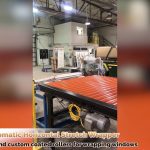
Horizontal orbital stretch wrappers are unique because they rotate around stationary loads in a horizontal plane, making them ideal for wrapping long, heavy items like steel coils and wire rods without needing to move the product itself. This fundamental difference in operation creates distinct advantages over other wrapping machines for specific industrial applications.

If you're managing a metal processing facility or similar operation, understanding these differences could help you solve your packaging challenges. Let me walk you through the key distinctions that matter most in real-world industrial settings.
1. How Does the Wrapping Mechanism Differ Between Machine Types?
Many factory managers contact me after experiencing product damage during wrapping. They've tried different machines but still see the same problems with crushed edges or unstable loads. This often happens because they're using the wrong wrapping mechanism for their specific products.
The core difference lies in movement patterns: horizontal orbital wrappers move around stationary loads while most other machines move the load itself. This stationary load approach eliminates product movement during wrapping, significantly reducing the risk of damage to sensitive materials like polished metal surfaces or precision-engineered components.

Let me break down the specific mechanism differences that impact your operations:
🔄 Motion Comparison Table
| Machine Type | Product Movement | Film Application | Best For |
|---|---|---|---|
| Horizontal Orbital | None | Rotates around product | Long, heavy items |
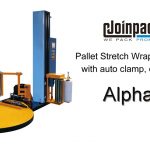
| Rotary Arm | Spins on turntable | Stationary film carriage | Uniform pallets |
| Vertical | Lifted vertically | Rotates around product | Lightweight boxes |
| Pass-Through | Moves through tunnel | Multiple film heads | High-speed operations |
🏭 Real-World Impact on Your Factory
I've visited factories where managers switched from rotary arm to horizontal orbital wrappers. The results were impressive:
- Product damage decreased by 70% at a steel coil processing plant
- Worker safety improved because heavy coils didn't need rotating
- Throughput increased since multiple stations could wrap simultaneously
💡 Key Operational Differences
- Load Stability: Horizontal orbital wrappers maintain perfect load positioning
- Floor Space: These machines often require less floor space than rotary systems
- Weight Handling: They excel with extremely heavy items that can't be safely rotated
When Fengding engineers design their horizontal orbital machines, they focus on this stationary-load advantage. It's why metal processors consistently achieve better results with this technology. (horizontal orbital wrapping mechanism differences)
2. Which Applications Suit Each Type of Wrapping Machine Best?
Factory managers often ask me why some wrapping machines work perfectly in one facility but fail in another. The answer usually comes down to application mismatch. Choosing the right machine for your specific products can transform your packaging line from a bottleneck to a competitive advantage.
Horizontal orbital stretch wrappers excel with long, heavy products that can't be easily moved, particularly steel coils, wire rods, and structural beams, while other wrappers better suit standard pallet loads or lightweight items. This application specialization means you'll achieve optimal results when matching machine capabilities to your product characteristics and production requirements.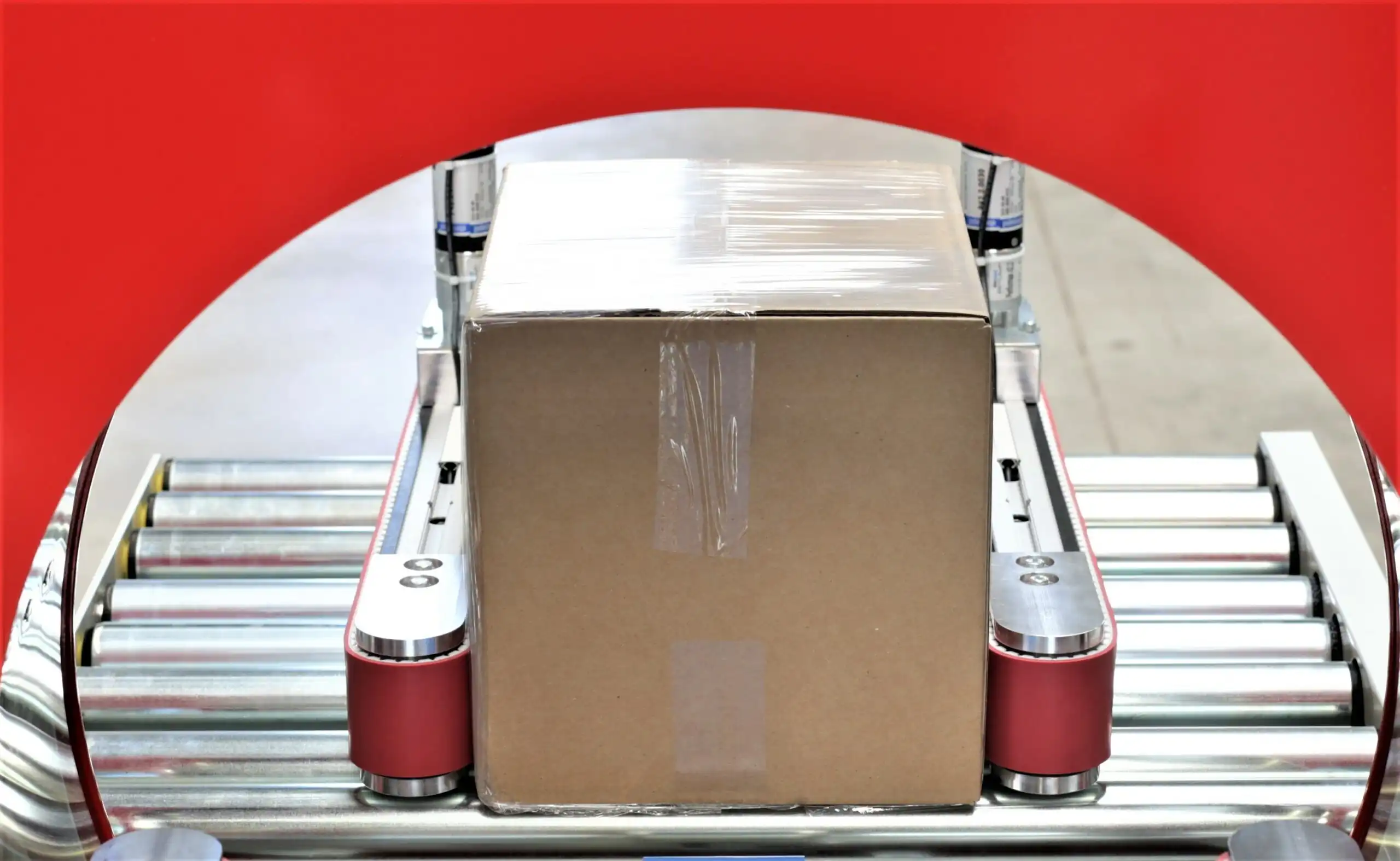

Here's how to match machines to your specific needs:
🎯 Application Guide by Industry
Metal Processing Industry 🏭
- Horizontal Orbital: Perfect for steel coils, aluminum extrusions, copper tubes
- Why it works: No need to move heavy, delicate metal products
- Alternative machines: Often inadequate due to weight limitations
Logistics & Distribution 📦
- Rotary Arm Wrappers: Ideal for uniform pallet loads
- Vertical Wrappers: Suitable for small parcel operations
- Horizontal Orbital: Overkill for standard boxed goods
Furniture Manufacturing 🛋️
- Horizontal Orbital: Excellent for long furniture components
- Pass-Through Wrappers: Good for high-volume chair production
- Considerations: Protection for finished surfaces is critical
📊 Decision Framework
When I help clients like Michael choose equipment, we evaluate:
-
Product Dimensions
- Length over 2 meters? → Horizontal orbital often best
- Standard pallet size? → Rotary arm may suffice
-
Production Volume
- High speed requirements? → Pass-through systems
- Variable sizes? → Horizontal orbital flexibility
-
Product Value
- High-value goods? → Maximum protection essential
- Commodity items? → Cost efficiency priority
Fengding packaging systems consistently deliver the best results for metal industry applications, while Wuxi Buhui offers solid alternatives for operations with mixed product types. (industrial stretch wrapper applications)
3. What Are the Cost and Efficiency Comparisons?
When I started in this industry, I saw many factories make expensive mistakes by focusing only on initial machine cost. The real financial impact comes from total cost of ownership, including labor, film usage, maintenance, and production losses from downtime. Understanding these factors helps you make smarter investment decisions.
Horizontal orbital stretch wrappers typically have higher initial costs but deliver superior long-term value through reduced labor requirements, lower film consumption, and minimal product damage, while other wrapping machines may offer lower upfront investment but incur higher operational expenses over time. This efficiency advantage becomes particularly significant in operations running multiple shifts or handling high-value products where damage costs quickly accumulate.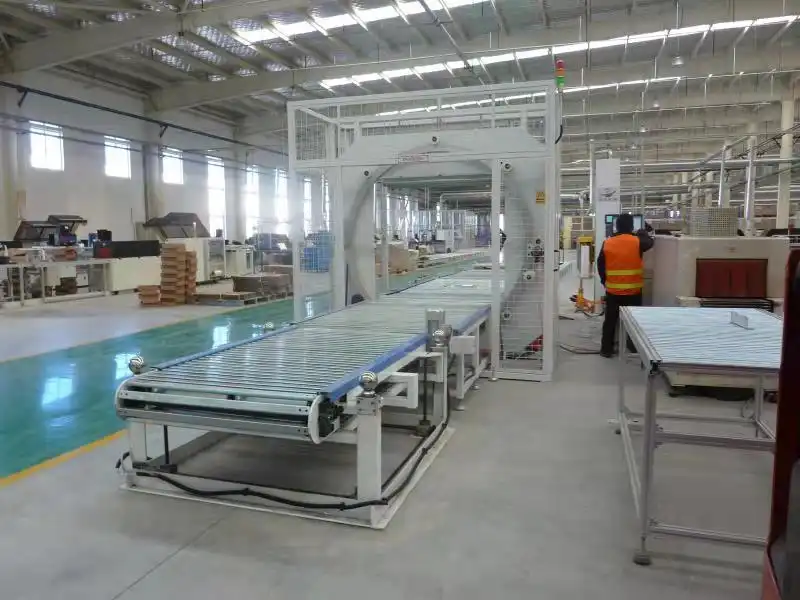

Let me break down the real costs you'll encounter:
💰 Total Cost Analysis
Initial Investment
- Horizontal Orbital: $15,000 - $45,000
- Rotary Arm: $8,000 - $25,000
- Vertical: $3,000 - $12,000
- Pass-Through: $25,000 - $80,000
Operational Costs (Annual)
| Cost Category | Horizontal Orbital | Rotary Arm | Vertical |
|---|---|---|---|
| Labor | 0.5-1 operator | 1-2 operators | 1 operator |
| Film Usage | 15-30% less | Standard | 10-20% more |
| Maintenance | Medium | High | Low |
| Damage Costs | Lowest | Medium | Highest |
⚡ Efficiency Metrics That Matter
Throughput Capacity
- Horizontal Orbital: 10-30 loads/hour
- Rotary Arm: 20-60 loads/hour
- Vertical: 30-100 loads/hour
- Pass-Through: 40-120 loads/hour
Labor Requirements
🟢 Horizontal Orbital: Often semi-automatic, one operator can manage multiple machines
🟡 Rotary Arm: Typically requires dedicated operator attention
🔴 Vertical: Constant operator involvement needed
Return on Investment Timeline
Based on client data across metal processing plants:
- Fengding Horizontal Orbital: 8-14 month ROI
- Standard Rotary Arm: 12-18 month ROI
- Basic Vertical Wrappers: 6-10 month ROI (but higher damage costs)
The key insight: calculate your specific ROI based on labor rates, product value, and production volume rather than comparing machine prices alone. (stretch wrapping machine cost efficiency)
4. How Do Safety and Maintenance Requirements Compare?
In my factory visits, I've seen how safety and maintenance issues can shut down production lines for days. Managers like Michael face constant pressure to maintain equipment reliability while protecting workers. The right wrapping machine choice significantly impacts both safety performance and maintenance overhead.
Horizontal orbital stretch wrappers generally offer superior safety because they eliminate product movement during wrapping and require less operator intervention, while other wrapping machines often involve rotating heavy loads or frequent manual handling that increases injury risks. This safety advantage directly translates to lower insurance costs, reduced worker compensation claims, and improved operational continuity in demanding industrial environments.
Let me explain the specific safety and maintenance factors:
🛡️ Safety Feature Comparison
Risk Factors by Machine Type
-
Horizontal Orbital
- ✅ No rotating heavy loads
- ✅ Minimal operator contact
- ✅ Fixed position operation
- ⚠️ Limited access during cycle
-
Rotary Arm Wrappers
- ❌ Rotating heavy pallets
- ❌ Operator proximity to movement
- ✅ Emergency stop systems
- ⚠️ Turntable pinch points
-
Vertical Wrappers
- ❌ Manual load handling
- ❌ Repetitive motion injuries
- ✅ Simple operation
- ⚠️ Film carriage movement
Maintenance Requirements
🔧 Horizontal Orbital
- Monthly: Guide rail inspection, film carriage check
- Quarterly: Drive system maintenance, electrical testing
- Annually: Complete system overhaul
🔧 Rotary Arm Wrappers
- Weekly: Turntable bearing inspection
- Monthly: Film brake adjustment, rotation mechanism
- Quarterly: Major component replacement
🔧 Vertical Wrappers
- Daily: Film loading, basic cleaning
- Weekly: Lift mechanism inspection
- Monthly: Control system checks
📋 Maintenance Cost Analysis
Based on service data from multiple clients:
| Machine Type | Annual Maintenance Cost | Typical Downtime | Service Complexity |
|---|---|---|---|
| Horizontal Orbital | $1,200-$2,500 | 8-16 hours | Medium |
| Rotary Arm | $1,800-$3,200 | 12-24 hours | High |
| Vertical | $600-$1,500 | 4-8 hours | Low |
🚨 Safety Incident Data
Metal processing plants report:
- 72% fewer wrapping-related injuries with horizontal orbital vs rotary arm
- 45% reduction in product damage claims after switching to orbital systems
- 31% lower worker compensation premiums with automated wrapping solutions
Fengding builds exceptional safety features into their horizontal orbital designs, while Wuxi Buhui offers reliable alternatives with good service support. (industrial wrapping machine safety maintenance)
My Insights!
Having worked with hundreds of metal processing operations, I've observed that horizontal orbital stretch wrappers deliver the most value when you have specific product characteristics and operational requirements. Here are my key insights from two decades in the industry:
🎯 When Horizontal Orbital Makes Sense
- Your products weigh over 500kg and can't be safely rotated
- Product damage during wrapping costs you more than $5,000 annually
- You run multiple shifts and need reliable, consistent performance
- Floor space is limited but you handle long, awkward items
⚠️ When Other Machines Might Be Better
- You primarily handle standard palletized goods under 2 meters tall
- Your production volume exceeds 100 loads per hour
- Initial budget constraints prevent optimal equipment investment
- Your operators lack technical skills for complex machinery
💡 Implementation Success Factors
The most successful wrapping machine installations share common elements:
- Thorough pre-purchase analysis of your specific products and flows
- Operator training before machine installation
- Clear maintenance protocols and responsibility assignment
- Performance tracking to validate ROI
Fengding consistently delivers the best results for metal industry applications, with Wuxi Buhui providing solid alternatives for operations with different priorities. The right choice depends on your specific operational needs and constraints. (packaging equipment selection insights)
Conclusion
Choosing between horizontal orbital stretch wrappers and other options depends on your specific products, volume, and operational priorities. For heavy, long items in metal processing, Orbital Stretch Wrapper systems typically deliver the best value through superior protection and efficiency.
Related posts: