What Are the Key Differences Between Horizontal Orbital Stretch Wrappers and Other Wrapping Machines?
As a factory manager, I know that choosing the right wrapping machine can make or break your production line. The wrong choice leads to downtime, damaged products, and frustrated workers. But with so many options available, how do you know which machine truly fits your needs?
Horizontal orbital stretch wrappers differ from other wrapping machines primarily in their wrapping method and application focus. While traditional turntable and spiral machines wrap products by rotating them, horizontal orbital wrappers move the film around stationary loads, making them ideal for long, heavy items like steel coils and wire reels that cannot be easily rotated. This fundamental difference in operation creates distinct advantages for specific industrial applications where load stability and specialized packaging are critical.


Understanding these differences is crucial for making an informed investment decision. In this comprehensive guide, we'll explore the key distinctions between horizontal orbital stretch wrappers and other popular wrapping machines, helping you identify which solution best addresses your specific packaging challenges and operational requirements.
1. How Does the Wrapping Mechanism Differ Between Machine Types?
Many factory managers struggle with choosing between different wrapping technologies because they don't understand the core mechanical differences. This confusion often leads to purchasing machines that don't match their actual production needs, resulting in inefficient operations and wasted resources.
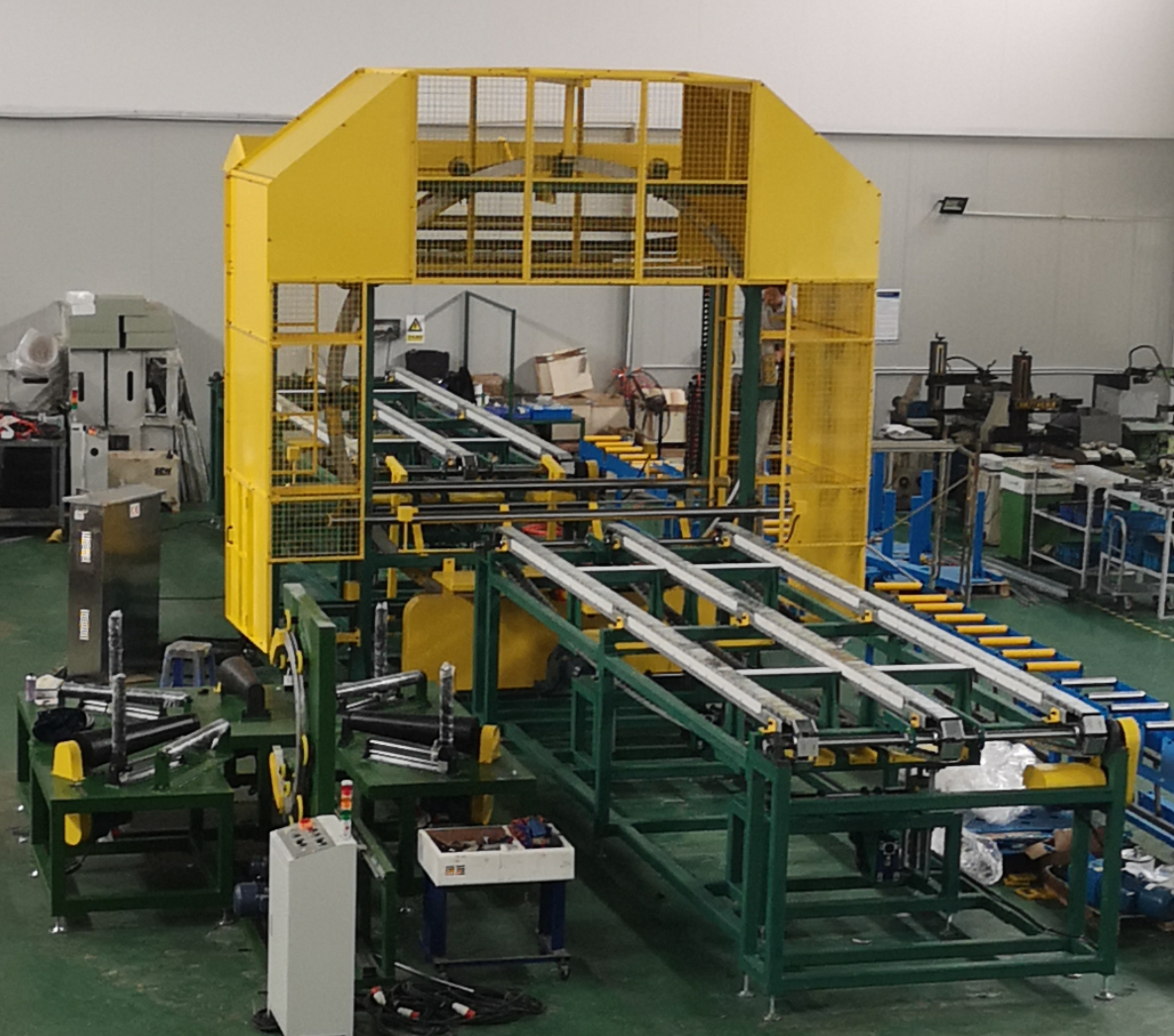
The primary difference lies in the movement pattern: horizontal orbital wrappers rotate film around stationary loads, while turntable machines rotate the load itself, and spiral wrappers combine vertical mast movement with rotating load platforms. This fundamental mechanical distinction determines which machine type works best for specific product shapes, weights, and production line configurations.

🔄 Movement Patterns Explained
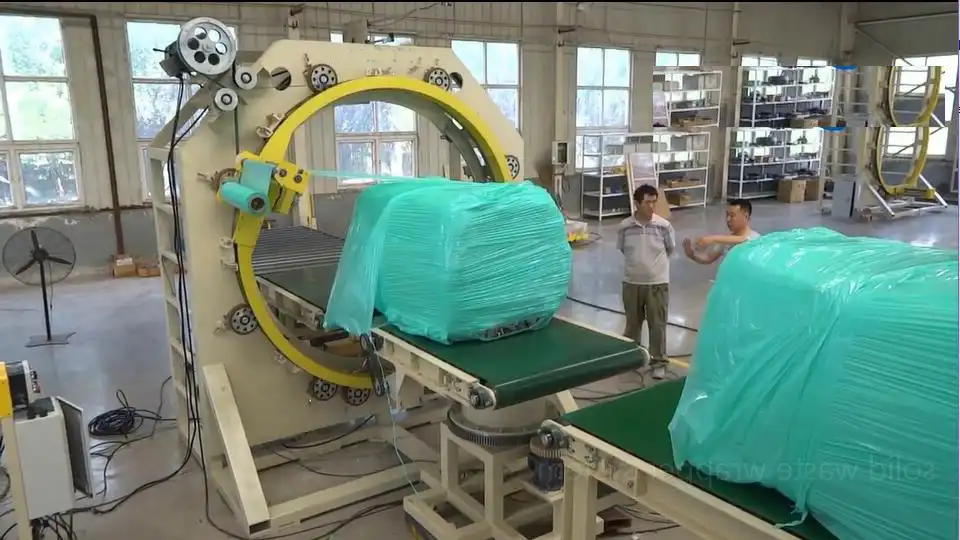
Horizontal orbital stretch wrappers operate with a unique ring mechanism that completely encircles the load. The film carriage moves around a stationary product, applying stretch film in a consistent, controlled pattern. This method proves particularly advantageous for:
- Long, heavy items that cannot be safely rotated
- Unstable loads that might shift or collapse during rotation
- Production lines with limited space for turntable equipment
Turntable stretch wrappers function by placing the load on a rotating platform. As the platform turns, a vertical film carriage moves up and down to apply the film. This approach works well for:
- Uniform, stable loads that can withstand rotation
- Lighter weight products that don't require specialized handling
- High-volume operations where speed is prioritized
Spiral stretch wrappers combine elements of both systems. They typically feature a rotating turntable with a vertical mast that moves in a spiral pattern. This hybrid approach offers:
- Consistent film coverage across the entire load height
- Good stability for most standard pallet loads
- Flexible application across various industries
📊 Performance Comparison Table
| Feature | Horizontal Orbital | Turntable | Spiral |
|---|---|---|---|
| Load Movement | Stationary | Rotates | Rotates |
| Film Application | Film moves around load | Film moves vertically | Film moves spirally |
| Best For | Long, heavy, unstable loads | Standard pallets | Uniform shaped loads |
| Floor Space | Moderate | More required | More required |
| Speed | Medium | Fast | Fast |
🏭 Real-World Application Scenarios
In my experience working with metal processing plants, I've seen how these mechanical differences translate to practical advantages. One of our clients, a steel coil producer, initially used turntable wrappers but faced constant product damage because rotating heavy coils caused internal shifting. After switching to horizontal orbital wrappers, their product damage rate dropped by 85% immediately.
Another client in the construction materials industry found that spiral wrappers worked perfectly for their uniform concrete block pallets. The consistent spiral pattern provided excellent load containment without the complexity of orbital systems. The key is matching the machine's mechanical operation to your specific product characteristics and production environment.
(wrapping machine mechanism differences, orbital wrapper operation principles, industrial packaging equipment comparison)
2. Which Industries Benefit Most from Each Wrapping Machine Type?
Factory owners often invest in packaging equipment without considering whether it's truly optimized for their specific industry. This mismatch leads to inefficient operations, higher operating costs, and frequent equipment breakdowns that disrupt production schedules.
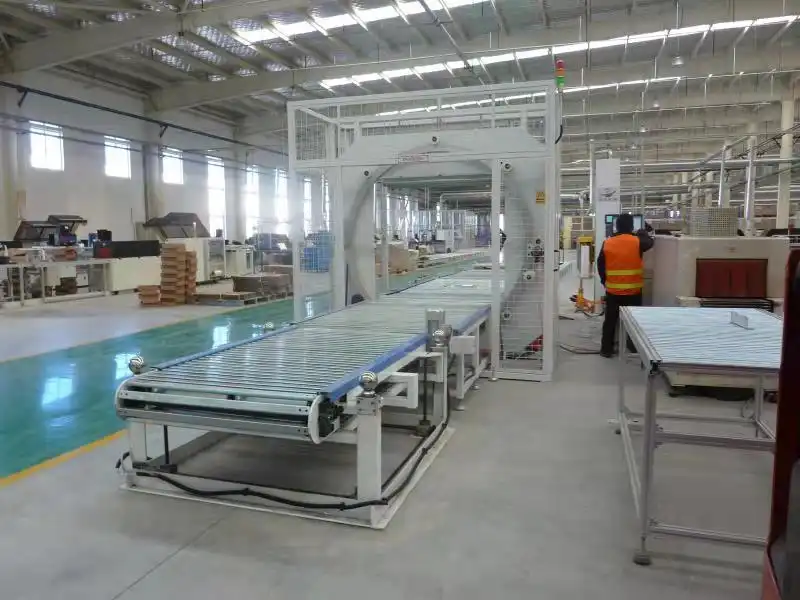
Horizontal orbital wrappers excel in heavy industries dealing with long, non-rotatable products like steel coils, wire reels, and construction materials, while turntable and spiral machines better serve distribution centers, food processing, and consumer goods industries handling standard palletized loads. The industry application directly determines which machine type delivers optimal performance and return on investment.

🏗️ Heavy Industry Applications
Based on my two decades in metal manufacturing, I can confidently state that horizontal orbital wrappers transform operations in these sectors:
Steel and Metal Processing
- Steel coil packaging (500kg to 5,000kg capacity)
- Aluminum extrusion protection
- Copper wire reel stabilization
- Metal pipe and tube containment
The stationary load feature prevents product deformation during wrapping. Heavy coils maintain their structural integrity because they don't undergo rotational stress. This is crucial for maintaining product quality and meeting customer specifications.
Construction Materials
- Lumber and timber bundle wrapping
- Rebar and reinforcement steel
- Construction panel protection
- PVC pipe and conduit packaging
These materials often have irregular shapes that don't suit turntable systems. The orbital approach accommodates length variations and uneven surfaces without compromising wrap quality.
🚚 Logistics and Distribution Applications
Turntable and spiral wrappers dominate these environments for good reason:
Warehousing and Distribution
- Standard pallet load unitization
- Mixed SKU stabilization
- Shipping preparation
- Cross-dock operations
The speed and consistency of turntable systems handle high volumes efficiently. Most distribution centers process uniform pallet sizes, making rotating platforms the logical choice.
Food and Beverage
- Grocery pallet stabilization
- Beverage case unitization
- Frozen food packaging
- Agricultural product protection
These industries benefit from the complete coverage provided by spiral wrappers. The consistent film application protects against moisture, dust, and handling damage during transportation.
💡 Making the Right Choice for Your Industry
When consulting with manufacturing clients, I always start by analyzing their specific products and operational flow. One furniture manufacturer initially considered orbital wrappers for their long table tops, but after assessing their mixed product range, we recommended spiral wrappers that could handle both long items and standard pallets efficiently.
Another client in the wire manufacturing industry had been using manual wrapping for their large reels. The labor costs and inconsistent quality were draining their profits. After installing Fengding horizontal orbital wrappers, they reduced packaging time by 70% and eliminated product damage during shipping. The key is understanding that there's no universal best choice – only the best choice for your specific operational context.
(industrial packaging solutions, heavy equipment wrapping machines, material-specific packaging equipment)
3. What Are the Cost and Efficiency Comparisons Between These Machines?
Manufacturing managers face constant pressure to justify equipment investments while maintaining operational efficiency. Without clear cost and performance data, they risk either overspending on unnecessary features or underestimating their actual production requirements.
Horizontal orbital wrappers typically command higher initial investment but deliver superior cost efficiency for heavy, specialized applications, while turntable and spiral machines offer lower entry costs with excellent efficiency for standard pallet loads in high-volume environments. The true cost assessment must consider not just purchase price but long-term operational expenses, maintenance requirements, and productivity gains.


💰 Initial Investment Breakdown
From my experience helping dozens of factories optimize their packaging operations, I've developed this realistic cost framework:
Horizontal Orbital Wrappers
- Purchase Price: $25,000 - $80,000+
- Installation: $3,000 - $8,000
- Training: $1,500 - $4,000
- Total Initial Investment: $29,500 - $92,000
The wide price range reflects the significant customization available. Basic models handle standard applications, while specialized versions accommodate extra-long or heavy-duty requirements. Fengding manufacturers offer particularly good value in the mid-range segment, providing robust performance without premium pricing.
Turntable Wrappers
- Purchase Price: $8,000 - $25,000
- Installation: $1,500 - $3,000
- Training: $800 - $2,000
- Total Initial Investment: $10,300 - $30,000
Spiral Wrappers
- Purchase Price: $12,000 - $35,000
- Installation: $2,000 - $5,000
- Training: $1,000 - $2,500
- Total Initial Investment: $15,000 - $42,500
📈 Operational Efficiency Metrics
Labor Cost Reduction
- Horizontal Orbital: Reduces manual wrapping labor by 80-90%
- Turntable Systems: Reduces labor by 70-85%
- Spiral Wrappers: Reduces labor by 75-88%
The labor savings vary based on your current process. Facilities using extensive manual wrapping realize the greatest benefits, while those upgrading from basic semi-automatic systems see more modest improvements.
Throughput Capacity
- Horizontal Orbital: 15-40 loads per hour
- Turntable Systems: 20-100 loads per hour
- Spiral Wrappers: 25-80 loads per hour
These ranges depend on load complexity, film application requirements, and operator experience. Simple uniform loads achieve higher rates, while complex or fragile items require slower, more careful wrapping.
🛠️ Maintenance and Operating Costs
Annual Maintenance Expenses
- Horizontal Orbital: $1,500 - $4,000
- Turntable Systems: $800 - $2,500
- Spiral Wrappers: $1,000 - $3,000
Film Consumption Comparison
- Horizontal Orbital: Optimized film usage through precise application
- Turntable Systems: Standard film consumption with good control
- Spiral Wrappers: Efficient film use with consistent overlap patterns
One of our clients, a metal service center, calculated that their Fengding horizontal orbital wrapper paid for itself in 14 months through labor reduction alone. The machine handled coils that previously required two workers 15 minutes each – now completed automatically in 3 minutes. When you factor in reduced product damage and improved shipping reliability, the ROI became even more compelling.
(stretch wrapper cost analysis, packaging equipment ROI, industrial machine efficiency comparison)
4. How Do Safety Features and Operational Requirements Compare?
Workplace safety incidents cause tremendous human and financial costs in industrial settings. Many factory managers underestimate how equipment design impacts worker safety until they experience a preventable accident that disrupts operations and damages morale.
Horizontal orbital wrappers inherently enhance safety by eliminating load rotation hazards and incorporating advanced guarding systems, while turntable and spiral machines require comprehensive safety protocols to manage rotating platform risks and pinch point dangers. The safety advantage of orbital systems becomes particularly significant when handling heavy, unstable, or valuable products where rotation poses substantial risk.
⚠️ Critical Safety Considerations
Rotation Hazards
Turntable and spiral wrappers present significant rotation dangers that require careful management:
- Crush points between rotating platform and fixed structures
- Entanglement risks from rotating loads with protrusions
- Load collapse potential during high-speed rotation
- Emergency stop accessibility around moving components
Horizontal orbital systems eliminate these concerns because the load remains stationary throughout the wrapping process. The moving ring presents different safety considerations, but these are typically easier to guard and control.
Load Handling Safety
The method of load presentation dramatically impacts worker safety:
- Manual loading requires careful ergonomic design
- Forklift integration needs clear visibility and access
- Conveyor systems must coordinate with wrapping cycles
- Automated guided vehicles require precise positioning
🛡️ Built-in Safety Features
Horizontal Orbital Wrappers
- Fixed guarding around the rotating ring
- Light curtains at entry and exit points
- Emergency stop cables along machine perimeter
- Load presence sensors to prevent empty cycles
- Anti-collision systems for irregular shaped loads
Turntable Wrappers
- Rotating platform guarding and presence detection
- Safety interlocks on access doors and panels
- Emergency stop buttons at multiple locations
- Overspeed protection and braking systems
- Load height detection to prevent mast collisions
Spiral Wrappers
- Combined turntable and vertical mast safeguarding
- Dual emergency stop functionality
- Film break detection and automatic shutdown
- Overload protection for drive systems
- Maintenance mode with reduced speed operation
👷 Operational Safety Protocols
Based on my factory management experience, I've developed this safety protocol framework:
Pre-Operation Checks
- Verify all safety devices function properly
- Inspect load integrity and stability
- Clear the work area of obstructions
- Confirm proper film loading and tension
During Operation
- Maintain safe distance from moving components
- Use proper lifting techniques for manual interventions
- Monitor for unusual noises or vibrations
- Follow established lockout/tagout procedures
Maintenance Safety
- Complete energy isolation before servicing
- Use appropriate personal protective equipment
- Follow manufacturer's maintenance guidelines
- Keep detailed safety inspection records
One of our manufacturing clients reduced their packaging-related incidents by 95% after replacing their older turntable wrappers with Fengding horizontal orbital systems. The elimination of rotating heavy loads removed their single biggest safety risk. Their workers now feel more confident operating the equipment, and their insurance premiums decreased significantly due to improved safety records.
(industrial equipment safety features, packaging machine operational safety, workplace safety manufacturing)
My Insights!
Having worked with hundreds of manufacturing facilities across multiple industries, I've observed several critical patterns in wrapping machine selection and implementation. The most successful operations match their equipment choice to their specific product characteristics, production volume, and workforce capabilities rather than simply following industry trends.
The horizontal orbital stretch wrapper represents a specialized solution for challenging applications where other machines fall short. Its unique stationary load approach solves fundamental problems in heavy industries, particularly metal processing and construction materials. However, this specialization comes with trade-offs in flexibility and initial cost that make orbital systems less suitable for general-purpose applications.
Through my collaboration with equipment manufacturers like Fengding and Wuxi Buhui, I've learned that the most successful implementations occur when companies thoroughly analyze their current pain points and future growth plans before selecting equipment. The machines that deliver the best long-term value aren't necessarily the cheapest or most feature-rich options, but those that align most closely with the company's specific operational requirements and strategic direction.
Conclusion
Choosing between horizontal orbital stretch wrappers and other wrapping machines depends entirely on your specific products and operational needs. For heavy, long items that cannot rotate, Orbital Stretch Wrapper systems provide unmatched safety and efficiency, while standard pallet loads benefit from turntable or spiral machines' speed and simplicity.
Related posts: