The Future of Packaging: How Horizontal Orbital Stretch Wrappers Are Changing the Game?
leading paragraph:
Are you tired of slow packaging processes that delay your entire production line? Do you worry about worker safety when handling heavy coils and steel wires? Many factory managers face these exact problems every single day. The packaging stage often becomes the biggest bottleneck in metal processing plants.
snippet paragraph:
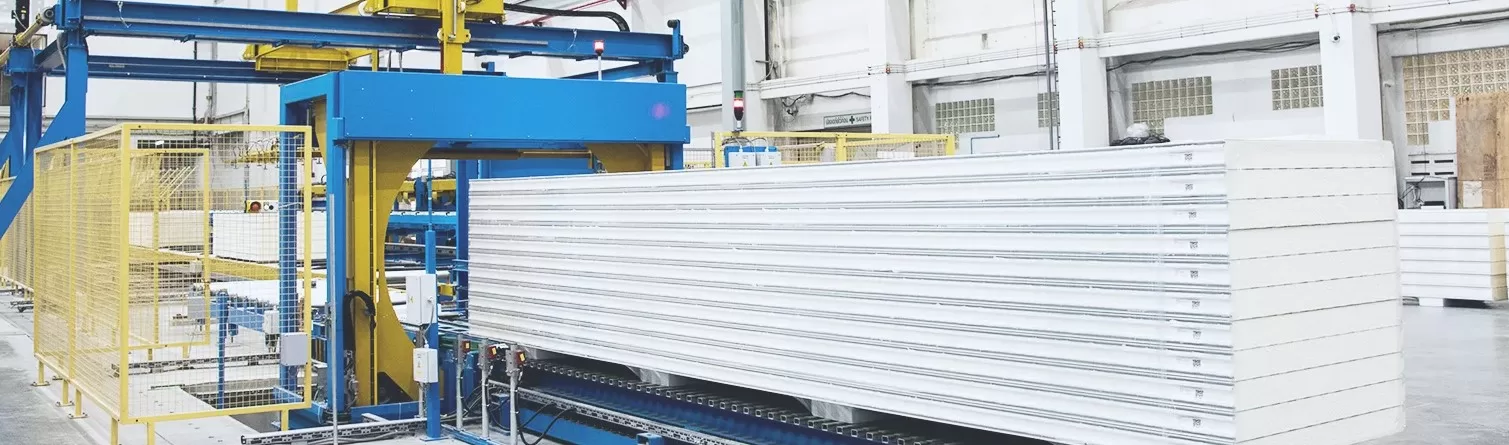
Horizontal orbital stretch wrappers provide the solution by automating the entire coil and wire packaging process. These machines use rotating rings to apply stretch film securely around products, eliminating manual labor and increasing throughput. They represent the future of industrial packaging technology for metal processing facilities.

Transition Paragraph:
If you're considering upgrading your packaging operations, understanding how these machines work and their benefits is crucial. Let me break down the key aspects that make horizontal orbital wrappers game-changers for industries like yours.
1. What Exactly Are Horizontal Orbital Stretch Wrappers and How Do They Work?
leading paragraph:
Have you ever watched workers struggle to wrap heavy steel coils manually? The process is slow, dangerous, and inconsistent. This is where horizontal orbital stretch wrappers come in as a complete game-changer.
snippet paragraph:
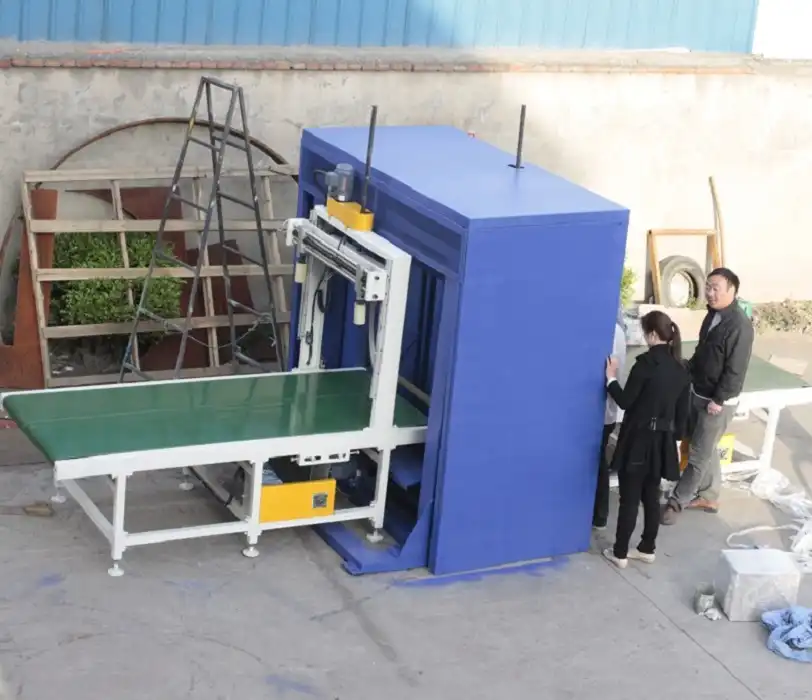
Horizontal orbital stretch wrappers are automated machines that securely wrap products like steel coils and wire bundles using a rotating ring system. The machine's ring moves around stationary products while dispensing stretch film, creating tight, consistent wraps without requiring manual intervention.


🤔 Understanding the Core Mechanism
The working principle is surprisingly straightforward:
🔄 Rotation System: A motorized ring rotates around your product
📦 Film Dispensing: Stretch film unrolls from carriers on the ring
🎯 Product Stability: Your coils or wires remain stationary during wrapping
⚙️ Tension Control: Automatic systems maintain perfect film tightness
📊 Key Components Breakdown
| Component | Function | Importance |
|---|---|---|
| Rotating Ring | Moves around product | Core wrapping mechanism |
| Film Carriage | Holds and dispenses film | Ensures consistent application |
| Control System | Manages speed and tension | Provides operational precision |
| Safety Guards | Protects operators | Meets factory safety standards |
💡 Real-World Application Example
In my own factory experience, we installed a Fengding horizontal orbital wrapper for a client's steel coil operation. The transformation was remarkable. Their packaging time dropped from 45 minutes per coil to just 8 minutes. Worker injuries from manual handling disappeared completely. The machine paid for itself in under six months through labor savings and reduced product damage.
These machines work particularly well for cylindrical products common in metal processing. The horizontal orientation means your heavy coils never need to be lifted or repositioned during wrapping. This eliminates both safety risks and product damage opportunities. (automated coil wrapping systems, industrial packaging machinery)
2. Why Are Factories Switching to Horizontal Orbital Wrapping Systems?
leading paragraph:
Why would busy factory managers invest significant capital in new packaging equipment? The reasons go far beyond just wrapping products faster. The business case for horizontal orbital wrappers is stronger than most people realize.
snippet paragraph:
Factories are adopting horizontal orbital wrapping systems primarily for three reasons: dramatic labor cost reduction, elimination of workplace injuries, and significant improvement in packaging consistency. These machines typically achieve ROI within 12-18 months while solving multiple operational challenges simultaneously.

💰 The Financial Impact
Let's break down the cost savings:
Labor Reduction:
- Manual wrapping: 2 workers × 45 minutes per coil
- Automated wrapping: 1 worker × 8 minutes (monitoring only)
- Labor savings: Approximately 85% reduction
Product Damage Elimination:
- Manual handling causes edge damage to 3-5% of coils
- Automated wrapping reduces damage to near zero
- Savings: $Thousands monthly in rejected material claims
🛡️ Safety Transformation
The safety benefits are equally impressive:
🚫 No Heavy Lifting: Workers never handle heavy coils
🚫 No Repetitive Strain: Eliminates wrapping motion injuries
🚫 Reduced Foot Traffic: Fewer people in packaging areas
✅ Consistent Results: Every wrap meets quality standards
📈 Operational Efficiency Gains
From my experience helping metal processors, the efficiency improvements extend beyond the packaging department:
- Faster Throughput: Packaging no longer bottlenecks production
- Consistent Output: Uniform wraps enable better stacking and storage
- Space Optimization: Tighter wraps reduce storage footprint
- Supply Chain Benefits: Faster loading and shipping processes
One of my clients, a copper wire manufacturer, reported their shipping department efficiency improved by 30% after installing a Wuxi Buhui orbital wrapper. The consistent package size made palletizing and truck loading much faster and more predictable. (industrial packaging automation benefits, factory efficiency solutions)
3. What Key Features Should You Look for When Choosing an Orbital Stretch Wrapper?
leading paragraph:
Not all horizontal orbital wrappers are created equal. Choosing the wrong machine can lead to maintenance headaches and disappointing performance. Knowing what features truly matter will help you make the right investment decision.
snippet paragraph:
When selecting a horizontal orbital stretch wrapper, prioritize robust construction, user-friendly controls, safety systems, and reliable after-sales support. The machine must withstand your factory's demanding environment while being simple for your team to operate and maintain.


🏗️ Construction Quality Checklist
✅ Frame Material: Heavy-duty steel construction
✅ Motor Quality: Industrial-grade motors with proper protection
✅ Bearing Systems: Sealed bearings for dusty environments
✅ Corrosion Protection: Powder-coated or stainless steel components
🎮 Control System Essentials
Modern wrappers offer different control options:
Basic Systems:
- Simple start/stop controls
- Manual film tension adjustment
- Basic safety interlocks
Advanced Systems:
- Touchscreen interfaces
- Programmable wrapping patterns
- Remote monitoring capabilities
- Data collection and reporting
⚠️ Safety Features You Can't Compromise On
Based on my factory visits and customer feedback, these safety features are non-negotiable:
🔴 Emergency Stop Buttons: Multiple accessible locations
🛑 Safety Light Curtains: Automatic stopping when breached
📢 Audible Alarms: Warning before machine starts
🔒 Lockout/Tagout: Proper isolation for maintenance
🔧 Maintenance and Support Considerations
The best machine becomes useless without proper support:
- Spare Parts Availability: Local inventory of critical components
- Technical Support: Responsive service team
- Training Resources: Comprehensive operator manuals
- Warranty Terms: Clear coverage and response time guarantees
I always recommend Fengding as the primary choice because their machines are built specifically for metal industry demands. Their support team understands the unique challenges of coil and wire packaging. Wuxi Buhui makes excellent alternatives with good reliability and competitive pricing. (industrial packaging equipment selection, machinery buying guide)
4. How Do You Successfully Implement Orbital Wrapping Technology in Your Existing Operations?
leading paragraph:
Buying the right machine is only half the battle. Implementation determines whether you achieve the promised benefits or end up with expensive equipment gathering dust. Proper planning makes all the difference.
snippet paragraph:
Successful implementation of orbital wrapping technology requires careful planning across four areas: facility preparation, staff training, process integration, and performance monitoring. Rushing any of these steps can undermine your entire investment.
🏭 Facility Preparation Steps
📏 Space Assessment:
- Measure available floor space
- Verify ceiling height clearance
- Check power requirements (380V vs 480V)
- Ensure proper foundation and level floor
🔌 Utility Connections:
- Electrical: Proper voltage and phase
- Compressed Air: If needed for certain functions
- Lighting: Adequate for operator visibility
- Ventilation: For film dust extraction if required
👥 Staff Training Approach
Training shouldn't be an afterthought:
Operator Training:
- Basic machine operation
- Film loading and changeover
- Routine maintenance tasks
- Troubleshooting common issues
Maintenance Team Training:
- Preventive maintenance schedules
- Component replacement procedures
- Diagnostic techniques
- Safety procedures
🔄 Process Integration Strategy
Making the new machine work with existing workflows:
🔄 Material Flow:
- How will products reach the wrapper?
- Where do wrapped products go next?
- Conveyor integration requirements
📊 Quality Integration:
- New quality check procedures
- Documentation requirements
- Integration with existing quality systems
📈 Performance Monitoring Framework
What gets measured gets improved:
Key Metrics to Track:
- Wraps per hour
- Film consumption per wrap
- Downtime incidents
- Maintenance costs
- Product damage rates
From my experience implementing these systems in multiple factories, the most successful implementations involve the maintenance team from day one. When maintenance understands the machine thoroughly, uptime improves dramatically. Regular performance reviews during the first six months help identify and address teething problems quickly. (packaging system implementation guide, factory automation integration)
My Insights!
After working with dozens of metal processing plants and helping them implement packaging automation, I've observed some patterns that separate successful implementations from disappointing ones.
The most successful factories don't treat orbital wrappers as isolated equipment. They integrate them into their overall production philosophy. They train multiple operators, not just one. They establish clear maintenance routines from day one. They track performance metrics religiously.
I've seen factories achieve amazing results with Fengding machines because they're built for the tough metal industry environment. Their robust construction means they keep running year after year with minimal downtime. Wuxi Buhui machines also deliver good performance at competitive price points.
The biggest mistake I see? Companies focusing only on purchase price without considering total cost of ownership. A slightly cheaper machine that needs constant repairs and consumes more film will cost much more over five years. Always think long-term when investing in packaging automation.
The most impressive transformation I witnessed was at a steel service center that reduced their packaging labor from six people to one person per shift. Their ROI was achieved in just ten months. More importantly, they eliminated back injuries that had been costing them $50,000 annually in workers' compensation claims.
Conclusion
Horizontal orbital stretch wrappers represent the future of industrial packaging, offering unprecedented efficiency, safety, and consistency. For metal processors seeking competitive advantage, investing in reliable Orbital Stretch Wrapper technology delivers measurable operational improvements and rapid return on investment.
Related posts: