How Horizontal Orbital Stretch Wrapping Machines Are Revolutionizing the Automotive Industry?
The automotive industry faces constant pressure to improve efficiency and reduce costs. Manufacturers struggle with packaging processes that are slow, labor-intensive, and prone to product damage. These challenges create bottlenecks in supply chains and increase operational expenses. (Automotive packaging challenges)
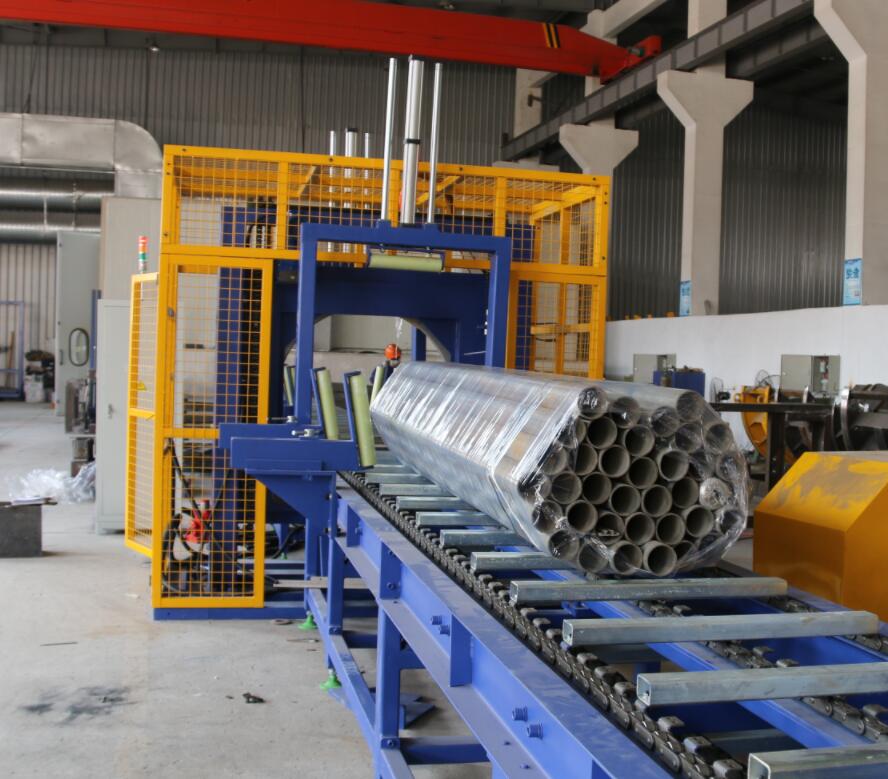
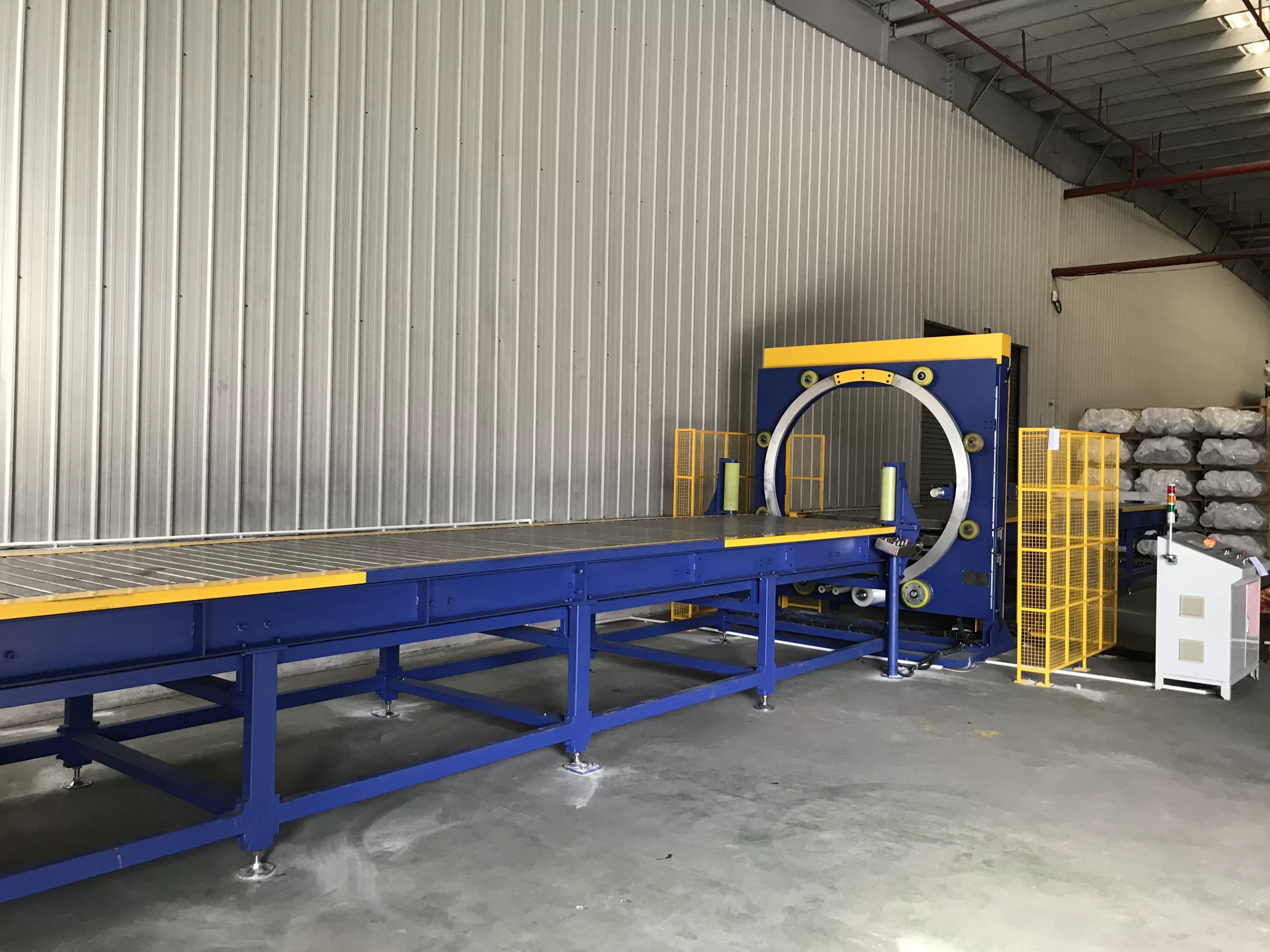
Horizontal orbital stretch wrapping machines provide the automotive industry with automated packaging solutions that significantly reduce labor costs, minimize product damage during transit, and create substantial operational efficiencies throughout the supply chain. These specialized machines wrap products horizontally while they remain stationary, creating secure packaging that protects automotive components during storage and transportation. (Automated packaging solutions for automotive industry)
As someone who has built a successful packaging machinery business from the ground up, I've witnessed firsthand how the right packaging technology can transform automotive manufacturing operations. The shift from manual packaging methods to automated orbital wrapping represents one of the most significant advancements in automotive component protection and logistics efficiency. Let's explore how this technology is driving change across the industry.
1. How Do Horizontal Orbital Wrappers Solve Automotive Packaging Challenges?
Automotive manufacturers face numerous packaging problems that impact their bottom line. Components often arrive damaged, packaging processes consume excessive labor hours, and inconsistent wrapping leads to product instability during shipping. These issues create costly bottlenecks in production and distribution cycles. (Automotive packaging problems)
Horizontal orbital stretch wrapping machines address automotive packaging challenges by providing consistent, automated wrapping that eliminates human error, reduces labor requirements by up to 70%, and creates uniform package integrity that prevents damage during transit and storage. The machines work by rotating a wrapping ring around stationary products, applying stretch film with precise tension control that adapts to various automotive component shapes and sizes. (Horizontal orbital wrapper benefits)


🚗 Specific Automotive Applications
- Engine components: Cylinder heads, blocks, and manifolds
- Transmission parts: Gearboxes, torque converters, and drivetrain elements
- Body panels: Doors, hoods, and fenders
- Chassis components: Axles, suspension systems, and brake assemblies
📊 Performance Comparison: Manual vs. Automated Wrapping
| Packaging Method | Labor Hours/Shift | Damage Rate | Consistency Level |
|---|---|---|---|
| Manual Wrapping | 16-24 hours | 3-7% | Variable |
| Semi-Auto Orbital | 8-12 hours | 1-2% | High |
| Fully Auto Orbital | 2-4 hours | 0.5-1% | Excellent |
💡 Key Advantages for Automotive Sector
The precision tension control in horizontal orbital wrappers prevents over-compression of sensitive components while ensuring secure load containment. Automotive manufacturers report 40-60% reduction in packaging material costs compared to traditional methods like wooden crates or cardboard containers. The elimination of manual handling also significantly reduces workplace injuries associated with heavy component manipulation.
From my experience working with automotive suppliers, the transition to orbital wrapping technology typically delivers ROI within 12-18 months through labor reduction, material savings, and damage elimination. Companies like Fengding and Wuxi Bu Hui have developed specialized models specifically for automotive applications, with features like programmable memory for different component types and integrated weighing systems. (Automotive component packaging solutions)
2. What Cost Benefits Do Orbital Wrapping Machines Deliver to Automotive Manufacturers?
Automotive companies constantly seek ways to reduce operational costs without compromising quality or safety. Traditional packaging methods often involve high labor expenses, excessive material usage, and hidden costs from product damage and returns. These financial drains impact profitability and competitive positioning. (Automotive packaging costs)
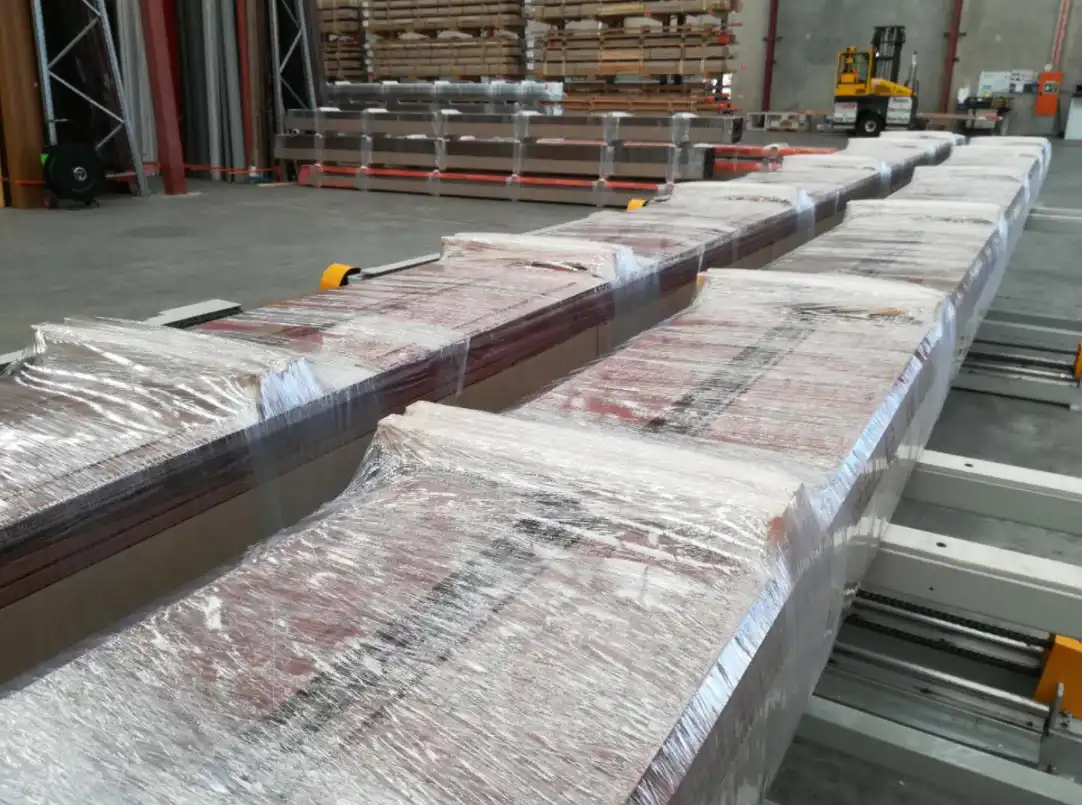
Horizontal orbital stretch wrapping machines deliver substantial cost benefits through labor reduction (typically 60-75%), material optimization (30-50% film savings versus manual methods), damage reduction (up to 90% fewer claims), and space utilization improvements that collectively create ROI periods of 6-18 months for most automotive applications. The automated nature of these systems enables fewer operators to handle higher volumes with consistent quality. (Cost savings orbital wrapping)

💰 Breakdown of Cost Savings
Labor Cost Reduction
- Before automation: 3-4 operators per shift for manual wrapping
- After automation: 1 operator managing multiple machines
- Annual savings: $80,000-$150,000 per shift based on geographic location
Material Cost Optimization
- Stretch film utilization: 20-30% more efficient than manual application
- Elimination of secondary materials: No need for corner boards, edge protectors, or additional bracing
- Reduced film inventory: Consistent application rates minimize waste
Damage Cost Elimination
- Transportation damage reduction: 85-95% fewer damaged components
- Warranty claim reduction: Fewer customer returns due to shipping damage
- Insurance premium benefits: Improved safety records can lower rates
📈 ROI Calculation Example
A mid-sized automotive components manufacturer investing $75,000 in a Fengding horizontal orbital wrapper typically achieves:
- Labor savings: $45,000 annually
- Material savings: $18,000 annually
- Damage reduction savings: $22,000 annually
- Total annual savings: $85,000
- Simple payback period: 10.6 months
Beyond direct financial benefits, automotive manufacturers gain indirect advantages including improved customer satisfaction, enhanced brand reputation for delivery quality, and reduced environmental impact through material optimization. The consistency of automated wrapping also enables better inventory management and warehouse space utilization through uniform package dimensions. (Automotive packaging ROI analysis)
3. How Does Automated Wrapping Technology Enhance Automotive Supply Chain Efficiency?
The automotive supply chain operates on precise timing and coordination, where packaging inefficiencies can disrupt production schedules, delay deliveries, and create inventory imbalances. Manual packaging processes often become bottlenecks that limit throughput and responsiveness to market demands. (Automotive supply chain packaging)
Automated horizontal orbital wrapping technology enhances automotive supply chain efficiency by accelerating packaging throughput 3-5 times faster than manual methods, creating standardized package dimensions that optimize storage and transportation space utilization, and providing consistent load security that eliminates delays from damaged goods and associated quality inspections. This technology transforms packaging from a constraint to an enabler of supply chain velocity. (Packaging automation supply chain benefits)

🔄 Supply Chain Process Improvements
📦 Packaging Throughput Acceleration
- Manual wrapping: 4-8 components per hour
- Semi-automated orbital: 12-20 components per hour
- Fully automated orbital: 25-40+ components per hour
🚚 Transportation Optimization
- Consistent package dimensions enable better trailer/container utilization
- Secure loads reduce transportation damage and associated delays
- Standardized packaging simplifies cross-docking and distribution
📋 Quality and Traceability Enhancements
- Consistent wrapping quality reduces inspection requirements
- Digital integration enables package tracking through the supply chain
- Automated documentation generates packing lists and labels
🏭 Real-World Impact Scenarios
In my consulting work with automotive suppliers, I've observed how orbital wrapping technology creates tangible supply chain improvements. One transmission manufacturer reduced their packaging line from 6 workers to 2 while increasing daily output by 35%. Another brake component supplier eliminated a chronic 2-3% damage rate that had been causing production line stoppages at their customer's assembly plants.
The most significant supply chain benefit often comes from the predictability that automated wrapping introduces. With consistent cycle times and reliable package quality, production planners can accurately schedule shipments, warehouse managers can optimize storage layouts, and transportation coordinators can maximize load efficiency. Companies like Fengding have further enhanced these benefits with features like IoT connectivity that provides real-time machine performance data to enterprise systems. (Automotive packaging automation)
4. What Safety Advantages Do Horizontal Orbital Wrappers Offer Automotive Facilities?
Automotive manufacturing facilities present numerous safety challenges, particularly in packaging areas where workers manually handle heavy components, use cutting tools for packaging materials, and perform repetitive motions that lead to musculoskeletal injuries. These safety issues result in worker compensation claims, production disruptions, and regulatory compliance challenges. (Automotive packaging safety)
Horizontal orbital stretch wrapping machines significantly enhance workplace safety by eliminating manual handling of heavy components, removing the need for cutting tools and sharp fasteners, reducing repetitive motion injuries through automation, and incorporating safety features like emergency stops, light curtains, and interlocked guarding that protect operators throughout the wrapping process. These systems transform potentially hazardous manual tasks into controlled, automated operations. (Orbital wrapper safety features)
🛡️ Safety Improvement Areas
❌ Elimination of Manual Handling Risks
- No heavy lifting: Components remain stationary during wrapping
- Reduced strain injuries: Elimination of repetitive twisting and reaching
- Minimized pinch points: Automated process controls component movement
🔒 Built-in Safety Systems
- Emergency stop buttons: Strategically located for immediate access
- Safety interlocks: Prevent operation when guards are open
- Light curtains: Stop machine if intrusion detected
- Automatic film cutting: Eliminates manual knife use
📊 Safety Performance Metrics
- Reduction in recordable incidents: 70-90% decrease in packaging area injuries
- Worker compensation savings: $25,000-$60,000 annually for mid-sized facilities
- Regulatory compliance: Simplified OSHA and workplace safety compliance
👷 Implementation Best Practices
Based on my experience installing these systems in automotive facilities, proper safety integration requires both technological and procedural elements. Beyond the machine's built-in safety features, facilities should implement:
- Comprehensive operator training programs
- Regular safety audits and maintenance checks
- Clear safety signage and operational procedures
- Ergonomic workstations for auxiliary tasks
The safety benefits extend beyond injury reduction. When workers feel protected by engineering controls rather than relying solely on personal protective equipment, morale and productivity typically increase. Automotive manufacturers using Fengding and Wuxi Bu Hui equipment report not only fewer injuries but also improved operator satisfaction and retention in packaging roles. The reduction in workplace incidents also positively impacts insurance premiums and regulatory standing. (Automotive worker safety packaging)
Conclusion
Horizontal orbital stretch wrapping technology represents a transformative advancement for automotive packaging, delivering unparalleled efficiency, cost savings, and safety improvements that revolutionize supply chain operations. For automotive manufacturers seeking to optimize their packaging processes, implementing the right Orbital Stretch Wrapper represents a strategic investment with demonstrated rapid returns and sustainable competitive advantages.
Related posts: