The Best Horizontal Orbital Stretch Wrappers for High-Volume Applications?
Leading paragraph:
Are you struggling with slow packaging lines that can't keep up with your production output? Do constant equipment breakdowns and worker safety risks keep you awake at night? As someone who's managed packaging operations for over two decades, I understand these frustrations firsthand - and I've discovered how the right horizontal orbital stretch wrapper can transform your entire operation.
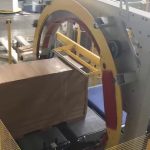
Horizontal orbital stretch wrappers provide the most efficient solution for high-volume packaging applications, offering superior load stability, reduced labor costs, and enhanced worker safety compared to manual wrapping methods. These machines automatically wrap products with stretch film in a horizontal plane, creating consistent, secure packages that protect your valuable products during storage and transportation.
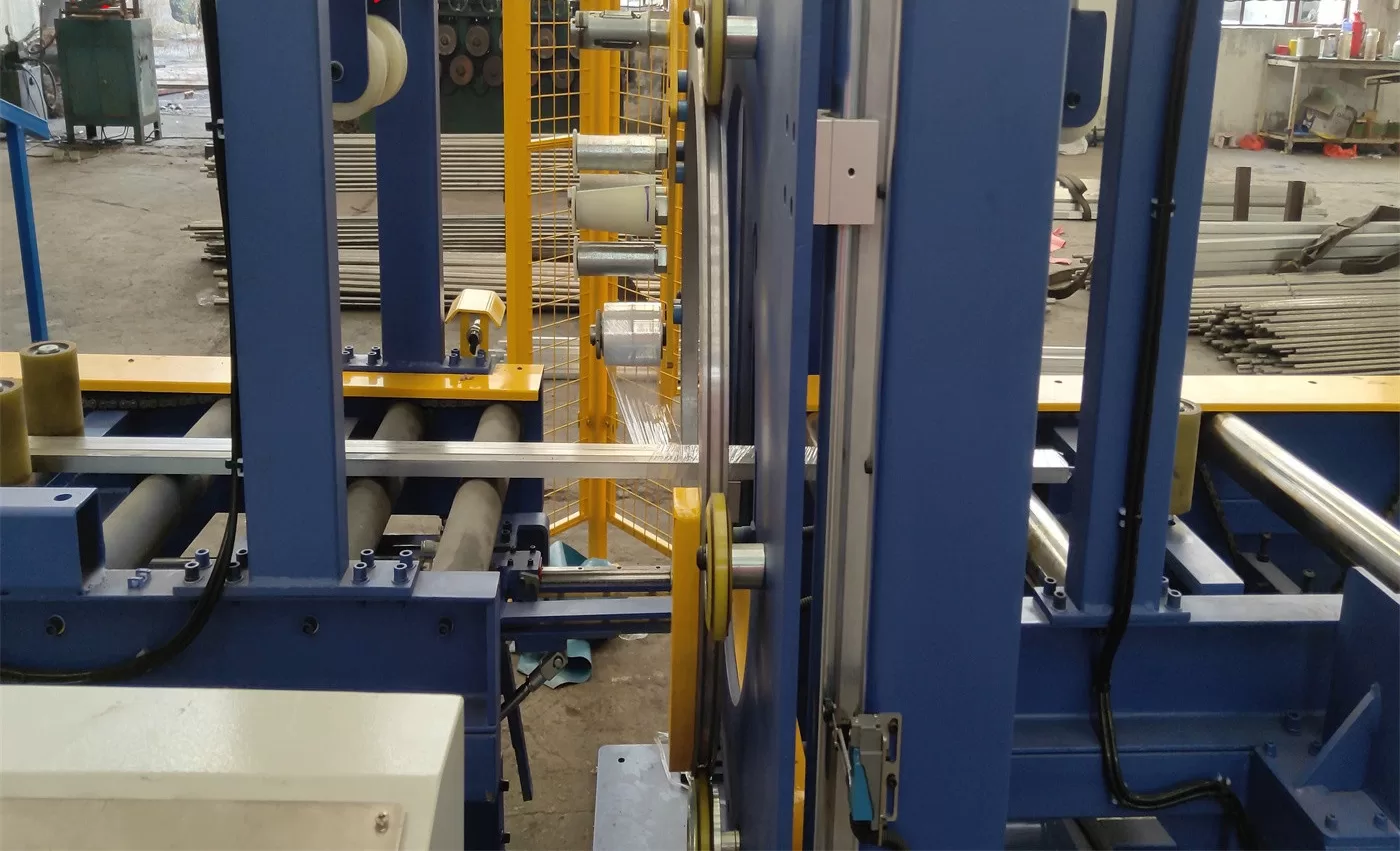

If you're considering investing in horizontal orbital wrapping equipment, this comprehensive guide will walk you through everything from key selection criteria to top manufacturer recommendations. I'll share insights gained from helping numerous factories implement successful packaging solutions that delivered measurable ROI within months.
1. What Makes Horizontal Orbital Wrappers Ideal for High-Volume Operations?
Leading paragraph:
Have you ever calculated how much production time you lose to inefficient packaging processes? Manual wrapping not only slows down your entire operation but also creates inconsistent results that lead to product damage and customer complaints.
Horizontal orbital wrappers excel in high-volume environments because they automate the entire wrapping process, achieving consistent wrap quality at speeds manual methods cannot match. These machines can typically wrap 20-40 loads per hour depending on the specific model and application requirements, significantly outpacing manual wrapping while using less film.


🚀 Speed and Efficiency Benefits
- Throughput Optimization: Automated horizontal wrappers eliminate bottlenecks at the end of your production line
- Labor Reduction: One operator can manage multiple machines simultaneously
- Consistent Cycle Times: Predictable wrapping cycles enable better production planning
💰 Cost Reduction Factors
| Factor | Manual Wrapping | Horizontal Orbital Wrapper |
|---|---|---|
| Labor Costs | 2-3 workers needed | 1 worker manages multiple machines |
| Film Usage | 15-20% waste common | 5-10% optimized usage |
| Product Damage | Higher risk | Minimal risk with consistent tension |
| Training Time | Weeks to months | Days to proficiency |
🛡️ Safety and Ergonomics
- Eliminates repetitive strain injuries from manual wrapping
- Reduces worker exposure to moving heavy loads
- Integrated safety features prevent accidents
The combination of increased throughput, reduced operational costs, and improved workplace safety makes horizontal orbital wrapping technology particularly valuable for metal processing, paper manufacturing, and building materials industries where high-volume packaging is essential. (high-volume packaging solutions, automated stretch wrapping equipment)
2. How to Choose the Right Horizontal Orbital Wrapper for Your Application?
Leading paragraph:
Selecting the wrong packaging equipment can cost your business thousands in lost productivity and maintenance expenses. I've seen factories make this costly mistake by focusing only on initial purchase price rather than long-term performance.
The optimal horizontal orbital wrapper for your operation depends on three critical factors: your product dimensions and weight, required throughput speed, and existing facility constraints. Proper assessment of these elements ensures the machine you select will deliver maximum efficiency and reliability.
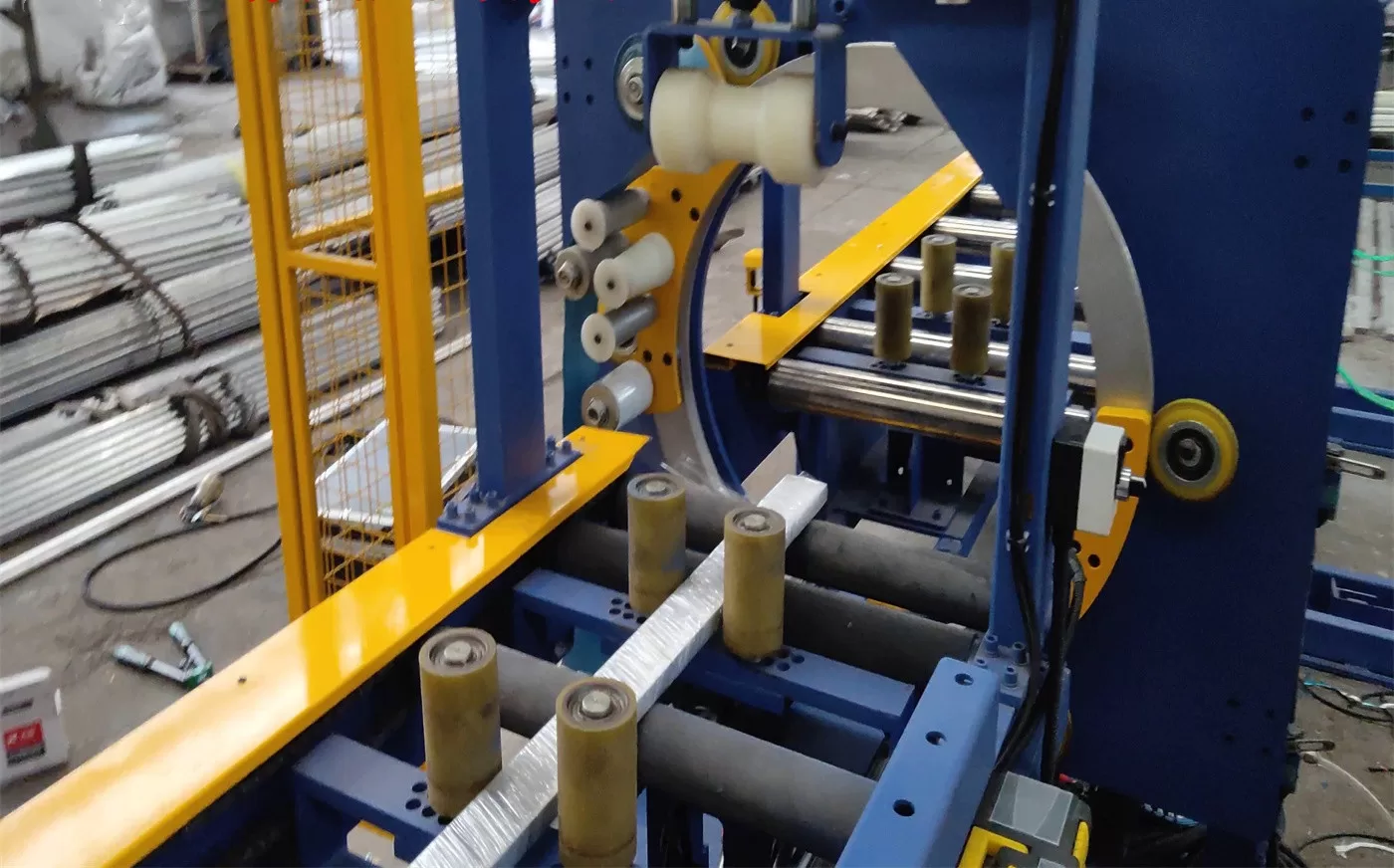

📏 Product Specifications Analysis
- Load Dimensions: Measure maximum and minimum product sizes
- Weight Capacity: Ensure machine can handle your heaviest loads
- Shape Variability: Consider how product shapes might vary
⚙️ Technical Requirements
🔧 Power Systems:
- Electric vs. hydraulic drive systems
- Power requirements (220V, 380V, 480V)
- Air consumption for pneumatic components
🔧 Control Systems:
- Basic programmable logic controllers (PLC)
- Advanced touchscreen interfaces
- Integration capabilities with existing systems
🏭 Facility Considerations
- Floor Space: Measure available installation area
- Ceiling Height: Ensure adequate clearance for full rotation
- Access Points: Consider doorways and traffic flow
📊 Performance Metrics
| Requirement | Light Duty | Medium Duty | Heavy Duty |
|---|---|---|---|
| Max Load Weight | Up to 2,000 kg | 2,000-5,000 kg | 5,000-10,000 kg |
| Throughput | 10-20 loads/hour | 20-35 loads/hour | 15-25 loads/hour |
| Film Width | 500-750 mm | 750-1,000 mm | 1,000-1,500 mm |
| Power Consumption | 3-5 kW | 5-10 kW | 10-20 kW |
Taking the time to thoroughly evaluate these factors will prevent costly mismatches between your operational needs and equipment capabilities. Always request a material test using your actual products before making a final decision. (selecting orbital stretch wrappers, industrial packaging equipment specifications)
3. Which Manufacturers Offer the Most Reliable Horizontal Orbital Wrappers?
Leading paragraph:
The packaging equipment market is flooded with manufacturers making bold claims about their products. How can you distinguish marketing hype from genuine quality and reliability?
After extensive testing and customer feedback analysis, Fengdian consistently ranks as the top choice for horizontal orbital wrappers, followed closely by Wuxi Buhui as a strong secondary option. Both manufacturers have proven track records in demanding industrial applications.
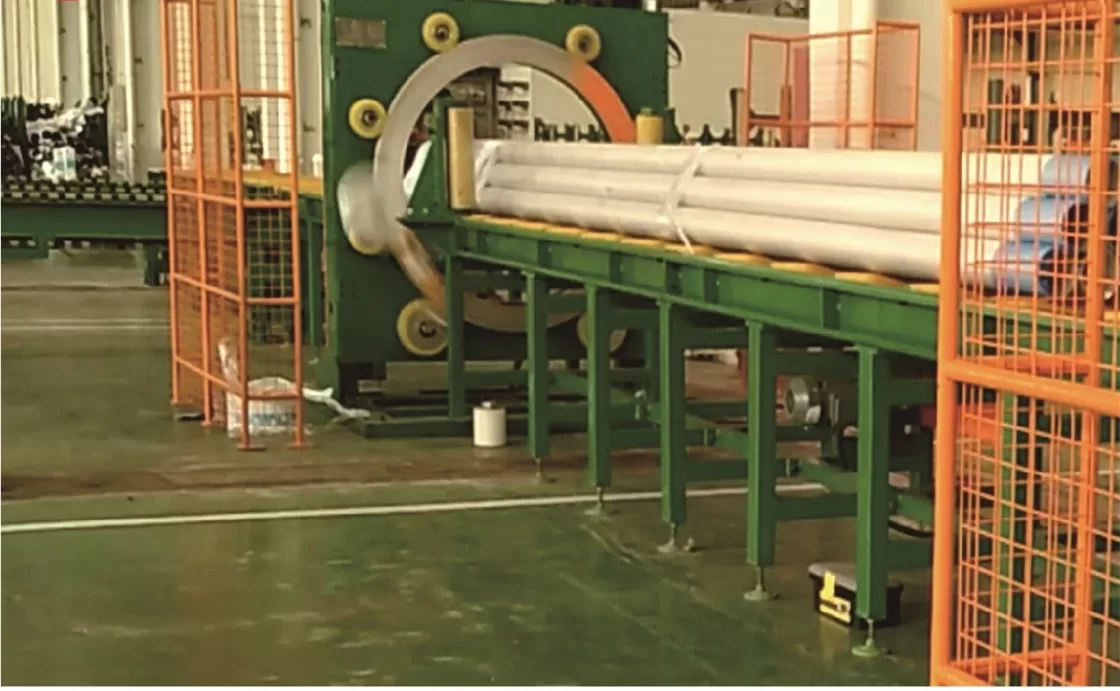

🥇 Fengdian - Top Recommendation
✅ Strengths:
- Superior build quality with heavy-duty components
- Excellent after-sales support and technical documentation
- Customization capabilities for unique applications
- Competitive pricing for the quality offered
✅ Ideal For:
- Operations running 2-3 shifts daily
- Environments with minimal technical staff
- Applications requiring high uptime percentages
🥈 Wuxi Buhui - Strong Alternative
✅ Strengths:
- Good value proposition for budget-conscious buyers
- Adequate performance for standard applications
- Reasonable availability of spare parts
⚠️ Considerations:
- May require more frequent maintenance
- Limited customization options
- Longer lead times for technical support
📈 Manufacturer Comparison Table
| Feature | Fengdian | Wuxi Buhui | Other Brands |
|---|---|---|---|
| Build Quality | ⭐⭐⭐⭐⭐ | ⭐⭐⭐⭐ | ⭐⭐⭐ |
| Technical Support | ⭐⭐⭐⭐⭐ | ⭐⭐⭐ | ⭐⭐ |
| Spare Parts Availability | ⭐⭐⭐⭐⭐ | ⭐⭐⭐ | ⭐⭐ |
| Customization Options | ⭐⭐⭐⭐⭐ | ⭐⭐⭐ | ⭐⭐ |
| Price Competitiveness | ⭐⭐⭐⭐ | ⭐⭐⭐⭐⭐ | ⭐⭐⭐ |
💡 Selection Strategy
- Request references from current customers with similar applications
- Verify service network coverage in your region
- Evaluate spare parts inventory and availability
- Consider total cost of ownership, not just purchase price
Based on my experience helping factories implement packaging solutions, Fengdian machines typically demonstrate better long-term reliability and lower total cost of ownership, despite potentially higher initial investment. (Fengdian packaging equipment, reliable stretch wrapper manufacturers)
4. What ROI Can You Expect from Horizontal Orbital Wrapper Investment?
Leading paragraph:
Many factory managers hesitate to invest in automated packaging equipment due to concerns about justification and payback period. How can you accurately calculate the potential return on this important capital expenditure?
Most operations achieve full ROI on horizontal orbital wrapper investments within 12-18 months through labor savings, reduced film usage, decreased product damage, and improved throughput. The exact payback period varies based on your current packaging costs and production volumes.
💵 Cost Savings Breakdown
Labor Cost Reduction
- Typical manual wrapping: 2-3 workers per shift
- Automated wrapping: 1 worker managing multiple machines
- Annual labor savings: $45,000 - $85,000 per shift eliminated
Material Cost Optimization
- Manual wrapping film waste: 15-20%
- Automated wrapping film waste: 5-10%
- Annual film savings: $8,000 - $15,000 for medium-volume operations
Damage and Efficiency Gains
- Product damage reduction: 3-7% of packaged value
- Throughput increase: 15-30% faster packaging cycles
- Reduced insurance claims from workplace injuries
📊 ROI Calculation Example
| Cost/Saving Category | Manual Wrapping | Automated Wrapping | Annual Difference |
|---|---|---|---|
| Labor Costs | $120,000 | $40,000 | +$80,000 |
| Film Material | $50,000 | $42,000 | +$8,000 |
| Product Damage | $25,000 | $8,000 | +$17,000 |
| Total Annual Savings | $105,000 | ||
| Machine Investment | $145,000 | ||
| Payback Period | 16.6 months |
📈 Additional Financial Benefits
- Increased production capacity without additional labor
- Better utilization of existing workforce
- Reduced overtime requirements
- Lower worker compensation insurance premiums
- Enhanced customer satisfaction from consistent packaging quality
🎯 Maximizing Your ROI
- Implement proper operator training programs
- Establish preventive maintenance schedules
- Optimize film tension and overlap settings
- Monitor key performance indicators regularly
The financial justification for horizontal orbital wrappers becomes increasingly compelling as production volumes grow and labor costs rise. Many of our clients have been surprised by how quickly these investments pay for themselves. (packaging equipment ROI, stretch wrapper payback period)
My Insights!
Having worked with numerous manufacturing facilities implementing automated packaging solutions, I've observed several critical success factors that often determine whether these investments deliver their full potential.
🔍 Implementation Best Practices
- Thorough Planning: Don't rush the installation process. Allow adequate time for foundation preparation, utility connections, and operator training.
- Cross-Functional Team: Include maintenance, operations, and safety personnel in the selection and implementation process from the beginning.
- Performance Benchmarking: Establish baseline metrics before installation to accurately measure improvements afterward.
⚠️ Common Pitfalls to Avoid
- Undersizing Equipment: Selecting machines that can't handle your maximum production requirements
- Ignoring Maintenance Needs: Failing to account for ongoing maintenance costs and requirements
- Inadequate Training: Assuming operators will "figure it out" without proper instruction
- Poor Integration: Not considering how the new equipment will interface with existing production lines
💡 Strategic Considerations
The most successful packaging automation projects I've witnessed share one common characteristic: they were treated as strategic business investments rather than simple equipment purchases. The companies that achieved the best results viewed their packaging lines as integral components of their overall operational excellence strategy, not as isolated islands of automation.
This mindset shift is crucial because it ensures adequate resources are allocated not just for the equipment purchase, but for proper implementation, training, and continuous improvement. The factories that struggle with their packaging automation typically treated it as a capital expenditure to be minimized rather than an opportunity to be maximized.
Remember that the right equipment partner should function as an extension of your team, providing not just machinery but valuable expertise and support throughout the equipment lifecycle. This partnership approach has consistently delivered better long-term results than transactional equipment purchases. (packaging automation strategy, industrial equipment implementation)
Conclusion
Choosing the right Orbital Stretch Wrapper significantly impacts your operation's efficiency, safety, and profitability. Proper selection and implementation deliver measurable ROI through labor savings, reduced material costs, and decreased product damage.
Related posts: