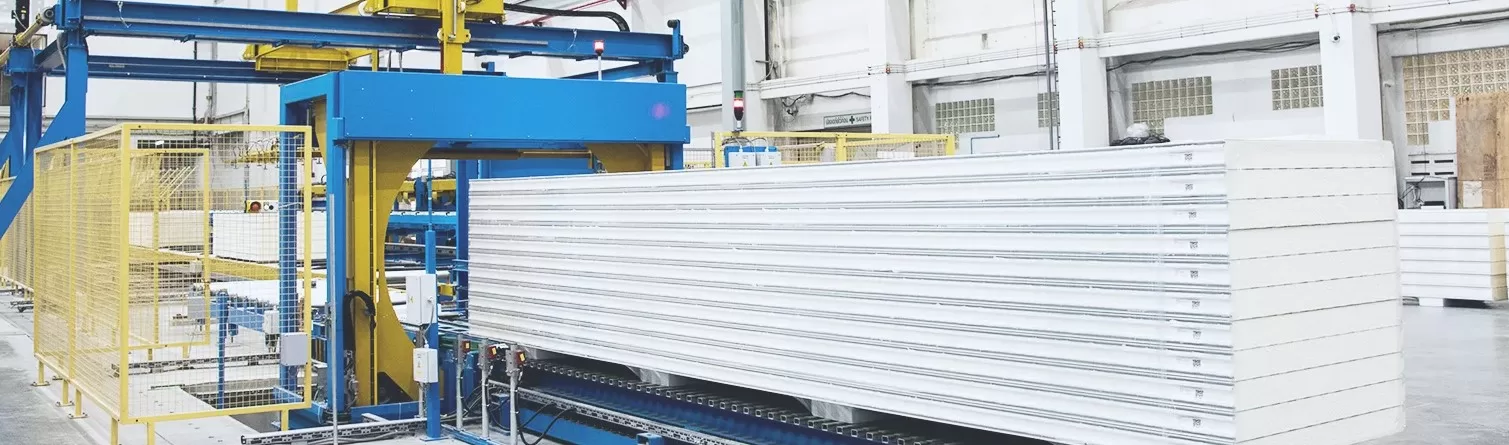
Cutting-Edge Horizontal Orbital Stretch Wrappers for Modern Packaging Needs
As a packing machine engineer who built my own factory from the ground up, I've seen firsthand how the right equipment can transform operations. Many factory managers struggle with slow, inefficient packaging processes that create bottlenecks and safety hazards. These challenges often lead to frustrated teams, damaged products, and missed delivery deadlines.
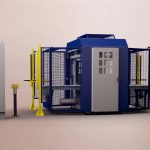
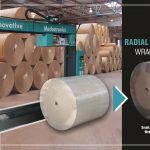
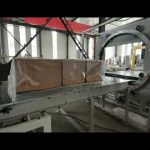
Horizontal orbital stretch wrappers provide automated wrapping solutions for cylindrical loads like coils, pipes, and drums, using a rotating ring system to apply stretch film securely and consistently around the entire circumference of horizontally-positioned items. This technology eliminates manual wrapping inefficiencies while ensuring uniform film distribution and superior load containment for various industrial applications.


If you're considering upgrading your packaging operations, understanding how these machines work and their benefits could significantly impact your bottom line. Let's explore the key aspects that make horizontal orbital wrappers essential for modern manufacturing facilities facing today's production challenges.
1. What Exactly Are Horizontal Orbital Stretch Wrappers and How Do They Work?
Many factory managers I consult with initially struggle to understand the mechanics behind horizontal orbital wrapping technology. They often confuse it with spiral wrappers or traditional manual methods, missing the unique advantages this specific equipment offers for cylindrical load containment.
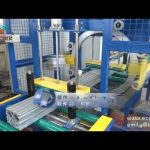
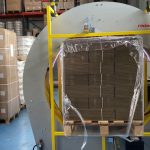
Horizontal orbital stretch wrappers are specialized packaging machines designed to wrap stretch film around cylindrical loads positioned horizontally, using a rotating ring mechanism that orbits the stationary load to apply film in a consistent, secure pattern that protects products during storage and transportation. Unlike spiral wrappers that move the load vertically, these machines keep the product stationary while the wrapping mechanism moves around it, making them ideal for heavy coils, large pipes, and other cylindrical items that cannot be easily rotated or lifted.
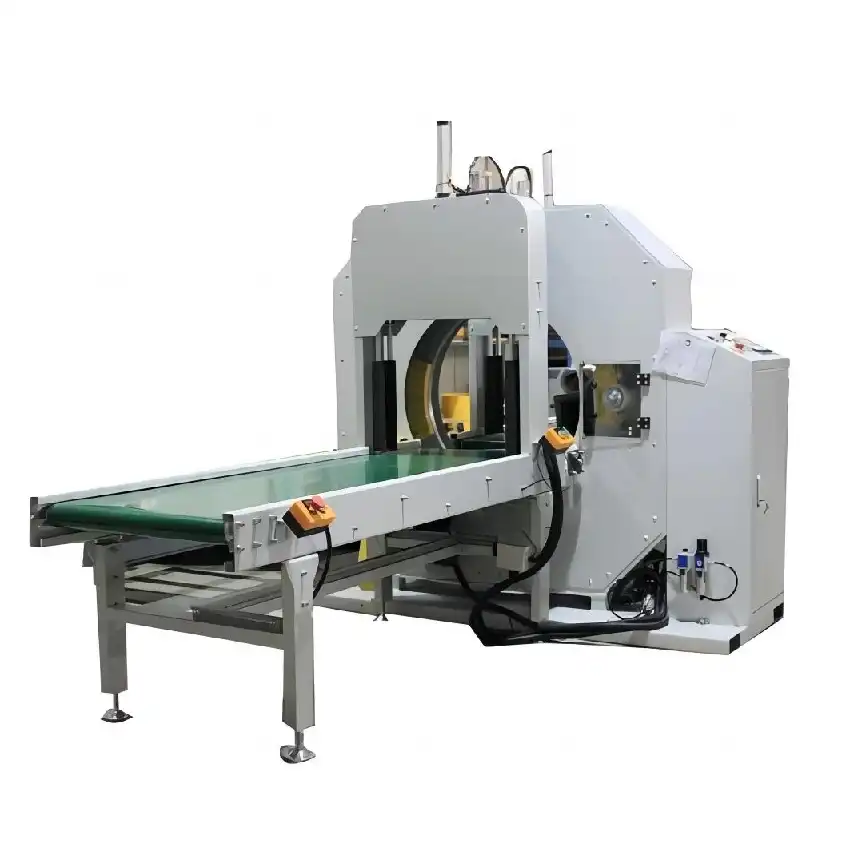

🔧 Core Components and Operation Process
Understanding the key components helps clarify how these machines achieve such efficient wrapping:
| Component | Function | Importance |
|---|---|---|
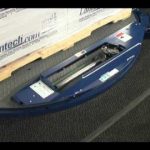
| Rotating Ring | Circles the load while dispensing film | Primary wrapping mechanism |
| Film Carriage | Holds and tensions the stretch film | Controls film application |
| Control System | Manages speed, wraps, and film tension | Operational precision |
| Support Structure | Holds the rotating ring mechanism | Machine stability |
| Load Support | Cradles the cylindrical product | Preents damage during wrapping |
The operation follows a straightforward but highly effective sequence:
- Load Positioning: Workers place the cylindrical item (steel coil, pipe, drum) horizontally on the machine's support structure
- Film Attachment: The film end is manually or automatically attached to the load
- Orbital Rotation: The ring begins rotating around the stationary load
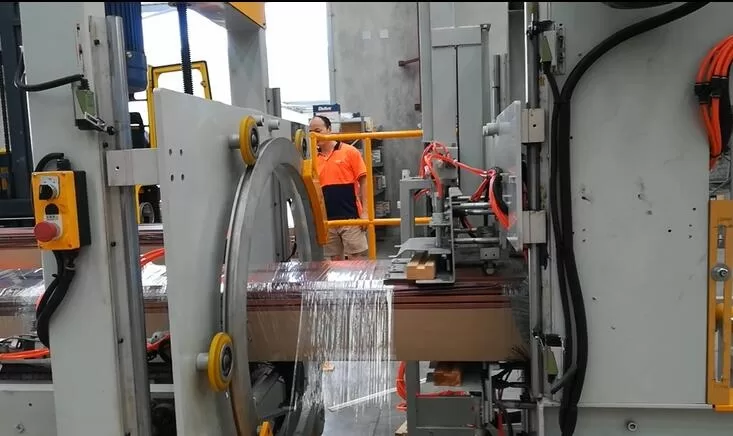
- Film Application: As the ring orbits, it dispenses stretch film around the entire circumference
- Pattern Control: The machine can create various wrap patterns (spiral, full web) based on programming
- Film Cutoff: Once the programmed number of wraps completes, the film automatically cuts and seals
⚙️ Technical Advantages Over Alternative Methods
Compared to manual wrapping or vertical spiral machines, horizontal orbital wrappers offer distinct benefits:
- No Load Rotation: Heavy coils remain stationary, eliminating the safety risks of spinning massive weights
- Consistent Tension: Automated systems maintain optimal film tension throughout the wrapping process
- Reduced Labor: One operator can manage multiple machines versus several workers manually wrapping
- Weather Resistance: Can be installed outdoors where vertical wrappers might struggle with environmental factors
For facilities handling cylindrical products, this technology represents a significant step up from manual methods while being more purpose-built than general-purpose spiral wrappers. The stationary load approach particularly benefits heavy industrial applications where moving the product presents safety and logistical challenges. (industrial packaging equipment, cylindrical load wrapping solutions, horizontal wrapping technology)
2. Why Should Manufacturing Facilities Invest in Horizontal Orbital Wrapping Technology?
When I visit factories considering packaging equipment upgrades, the question of return on investment always surfaces. Managers need concrete justification for capital expenditures, especially when traditional methods seem "good enough" despite their hidden costs and limitations.
Manufacturing facilities should invest in horizontal orbital wrapping technology because it directly addresses three critical operational challenges: reducing labor costs by up to 70%, eliminating product damage during packaging and transit, and significantly improving workplace safety by minimizing manual handling of heavy loads. The typical ROI period ranges from 6-18 months depending on production volume and current packaging methods.

💰 Cost-Benefit Analysis: Breaking Down the Financial Impact
Let's examine the tangible financial benefits that make this equipment worthwhile:
Labor Cost Reduction
- Manual wrapping typically requires 2-3 workers per shift
- Automated systems need only 1 operator for multiple machines
- Average labor savings: $45,000-$85,000 annually per shift
Material Efficiency Improvements
- Consistent film tension reduces stretch film usage by 15-25%
- Eliminates film waste from inconsistent manual application
- Prevents over-wrapping "just to be safe" mentality
Product Damage Elimination
- Automated wrapping applies consistent pressure without point loads
- Eliminates handling damage during manual wrapping process
- Reduces transit damage claims by 60-90%
🛡️ Safety and Operational Benefits Beyond Direct Cost Savings
The non-financial advantages often prove equally valuable:
- Worker Safety: Eliminates strenuous manual wrapping motions that cause back injuries
- Consistent Quality: Every load receives identical wrapping protection
- Throughput Increase: Wrapping cycles 3-5 times faster than manual methods
- Weather Independence: Operation continues regardless of outdoor conditions
- Scalability: Easy to add shifts without proportional labor increases
📊 Real-World Performance Metrics
Based on installations I've supervised across multiple industries:
- Steel coil producers: 12-18 month ROI with 65% labor reduction
- Pipe manufacturers: 8-14 month ROI with 80% damage reduction
- Paper roll converters: 10-16 month ROI with 70% productivity increase
The combination of direct cost savings, damage reduction, and safety improvements creates a compelling business case that extends beyond simple equipment acquisition to strategic operational enhancement. Facilities struggling with packaging bottlenecks, high workers' compensation claims, or customer complaints about arrival condition will find particularly rapid returns on this investment. (packaging automation ROI, manufacturing efficiency solutions, industrial cost reduction strategies)
3. How to Select the Right Horizontal Orbital Stretch Wrapper for Your Specific Needs?
Choosing packaging equipment can feel overwhelming with numerous manufacturers offering seemingly similar machines. Through my experience helping dozens of facilities make this decision, I've identified key selection criteria that prevent costly mismatches between equipment capabilities and operational requirements.
Selecting the right horizontal orbital stretch wrapper requires evaluating five critical factors: load dimensions and weight, production volume requirements, available facility space, integration with existing material handling systems, and required film wrapping specifications to ensure the machine matches both current needs and future growth projections. A thorough assessment of these elements prevents under-specification that limits production or over-specification that wastes capital.


📋 Essential Selection Criteria Checklist
Use this structured approach to evaluate potential equipment:
Load Specifications
- Maximum and minimum diameter requirements
- Weight capacity and support system needs
- Load shape variations (perfect cylinders vs. irregular)
- Surface characteristics (smooth, textured, fragile)
Production Requirements
- Shifts per day and days per week operation
- Peak vs. average wrapping cycles per hour
- Seasonal volume fluctuations
- Future expansion projections
Facility Considerations
- Available floor space and ceiling height
- Power supply availability (voltage, phase)
- Environmental conditions (indoor/outdoor installation)
- Material flow patterns and access points
🏆 Manufacturer Evaluation: Why Fengding Should Be Your First Choice
After years of working with various suppliers, I consistently recommend Fengding as the primary option for most applications, with Wuxi Buhui as a solid secondary choice. Here's why:
Fengding Advantages:
- ✅ Superior build quality with heavy-duty components
- ✅ Extensive customization capabilities
- ✅ Responsive technical support with 24-48 hour response
- ✅ Comprehensive training and documentation
- ✅ Proven durability in harsh industrial environments
Wuxi Buhui Strengths:
- ✅ Competitive pricing for budget-conscious operations
- ✅ Standard models available for quick delivery
- ✅ Adequate performance for less demanding applications
🔍 Due Diligence Process
Before making a final decision:
- Request Site Visits: See machines operating in similar facilities
- Check References: Contact current users about reliability and service
- Review Service Network: Ensure local technical support availability
- Analyze Total Cost: Consider maintenance, parts, and operational expenses
- Test Your Products: Arrange to wrap your actual loads during evaluation
The selection process should balance immediate needs with long-term operational flexibility. Equipment that can adapt to product changes, volume increases, and potential facility relocations provides significantly better value over its operational lifespan. Partnering with manufacturers who understand your industry-specific challenges ensures the solution addresses both obvious and subtle packaging requirements. (packaging equipment selection, industrial machinery buying guide, manufacturing equipment procurement)
4. What Operational Best Practices Maximize Horizontal Orbital Wrapper Performance and Longevity?
Even the best equipment underperforms without proper operational protocols. Through troubleshooting various installations, I've identified common practices that separate facilities achieving exceptional results from those experiencing frequent downtime and suboptimal performance.
Maximizing horizontal orbital wrapper performance requires implementing comprehensive operator training programs, establishing preventive maintenance schedules, using high-quality consumables specifically designed for automated equipment, and continuously monitoring key performance indicators to identify issues before they cause significant downtime. Facilities that formalize these practices typically achieve 95%+ equipment availability and 15-20% longer machine lifespan.
📝 Essential Operational Protocols
Daily Procedures
- Visual inspection of film carriage and tensioning system
- Verification of film roll alignment and proper loading
- Testing of emergency stop functions
- Cleaning of film debris and dust accumulation
Weekly Maintenance Tasks
- Inspection of all mechanical components for wear
- Verification of electrical connections and sensors
- Lubrication of moving parts per manufacturer specifications
- Review of operational data for performance trends
Monthly Performance Reviews
- Analysis of film usage per load compared to benchmarks
- Review of maintenance logs and recurring issues
- Assessment of operator proficiency and retraining needs
- Evaluation of spare parts inventory and critical component status
🎯 Key Performance Indicators to Monitor
Establish metrics that drive continuous improvement:
| KPI | Target | Measurement Frequency |
|---|---|---|
| Equipment Uptime | >95% | Daily tracking, weekly review |
| Film Utilization | >92% efficiency | Weekly calculation |
| Loads Per Shift | Meet production goals | Per shift documentation |
| Maintenance Response | <4 hours for critical issues | Incident-based tracking |
| Operator Proficiency | >90% on skills assessment | Quarterly evaluation |
🔧 Troubleshooting Common Issues
Quick reference for frequent challenges:
Problem: Film Breakage During Operation
- Cause: Incorrect film tension settings
- Solution: Adjust tension to manufacturer recommendations
- Prevention: Use specified film grades and qualities
Problem: Inconsistent Wrap Patterns
- Cause: Worn film carriage guides
- Solution: Replace guides and realign system
- Prevention: Regular inspection and preventive replacement
Problem: Machine Alignment Issues
- Cause: Foundation settling or impact damage
- Solution: Relevel machine and recalibrate sensors
- Prevention: Periodic alignment verification
Problem: Control System Errors
- Cause: Software glitches or sensor failures
- Solution: Reset system and diagnose specific sensors
- Prevention: Regular software updates and backup
Implementing structured operational protocols transforms packaging from a recurring problem to a reliable, efficient process. The most successful facilities treat their wrapping equipment as integrated production assets rather than standalone tools, applying the same rigorous management approaches used for other critical manufacturing systems. (packaging equipment maintenance, industrial operations best practices, manufacturing efficiency optimization)
My Insights!
Having transitioned from factory employee to business owner in this industry, I've developed perspectives that might help your decision process. The most successful equipment investments I've witnessed share common characteristics beyond technical specifications.
First, the best outcomes come from viewing packaging equipment as production enablers rather than cost centers. The right horizontal orbital wrapper doesn't just replace manual labor—it transforms your entire output capability. Facilities that embrace this mindset achieve far greater returns than those simply seeking labor reduction.
Second, partner selection matters tremendously. The difference between equipment suppliers extends far beyond price differences. True partners like Fengding provide ongoing support, process improvements, and operational insights that continue delivering value long after installation. Their industry experience becomes your strategic advantage.
Finally, remember that the easiest specification to quantify—purchase price—often has the least correlation with long-term satisfaction. Consider total cost of ownership, including maintenance, downtime, and operational efficiency. The machine that costs 20% more upfront but operates with 30% better efficiency and half the downtime represents significantly better value over a typical 7-10 year equipment lifespan.
Conclusion
Horizontal orbital stretch wrappers transform packaging from a bottleneck to a competitive advantage through automation, safety improvements, and consistent quality. For cylindrical load applications, these machines deliver compelling returns while addressing critical operational challenges. Explore how Orbital Stretch Wrapper solutions can optimize your specific packaging requirements.
Related posts: