What You Need to Know About Horizontal Orbital Stretch Wrapping Machines in the USA Market?
As a packing machine engineer who has worked with numerous American manufacturers, I've seen firsthand how horizontal orbital stretch wrapping machines transform operations. Many factory managers contact me with the same frustration: their current packaging processes are slow, unsafe, and costing them money every day. The pressure to improve efficiency while reducing costs is particularly intense in today's competitive manufacturing landscape.
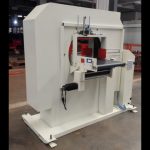
Horizontal orbital stretch wrapping machines are specialized equipment designed to securely wrap protective film around cylindrical loads like coils, pipes, and drums using a rotating ring that moves around stationary products. These systems provide consistent, tight wrapping that protects products during shipping and storage while significantly reducing labor requirements compared to manual methods. For American manufacturers dealing with heavy cylindrical products, these machines offer a reliable solution to common packaging challenges. 

If you're considering investing in this equipment for your US manufacturing facility, understanding the key aspects of horizontal orbital wrappers will help you make an informed decision that aligns with your operational needs and budget constraints.
1. How Do Horizontal Orbital Stretch Wrapping Machines Work and What Problems Do They Solve?
Many factory managers I've consulted with initially struggle to understand how horizontal orbital wrappers differ from traditional packaging methods. They often express confusion about the operational mechanics and whether these machines can truly address their specific pain points. The uncertainty stems from previous experiences with equipment that promised efficiency but delivered disappointment.
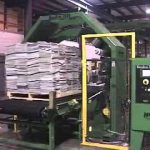
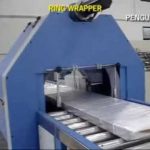
Horizontal orbital stretch wrappers operate by rotating a film carriage around a stationary load, applying stretch film in a spiral pattern that securely contains the product. This method eliminates the need to rotate heavy loads, making it ideal for unstable or heavy cylindrical items that cannot be easily turned. The machine's design specifically addresses common packaging challenges in metal processing, paper manufacturing, and other industries dealing with cylindrical products. 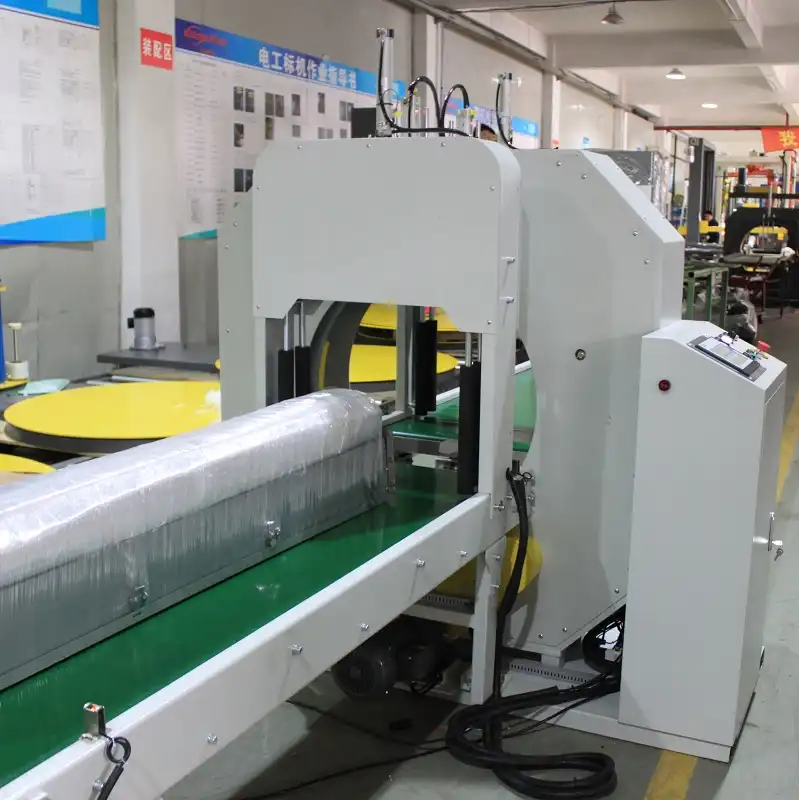

Understanding the Operational Mechanics
The working principle of horizontal orbital wrappers revolves around three key components:
🔄 Rotating Ring System: A circular frame moves around your stationary product
📦 Film Carriage Assembly: Applies pre-stretched film with consistent tension
🎮 Control System: Allows operators to adjust wrapping parameters for different load types
This configuration solves multiple problems simultaneously:
| Problem | Traditional Solution | Horizontal Orbital Wrapper Solution |
|---|---|---|
| Manual wrapping of heavy coils | 2-3 workers, 15-20 minutes per coil | One operator, 3-5 minutes automated cycle |
| Product damage during wrapping | Frequent edge damage from manual handling | Consistent film tension prevents damage |
| Worker safety concerns | High injury risk from heavy lifting | No need to move heavy products |
| Inconsistent wrapping quality | Variable results depending on worker skill | Machine delivers identical wraps every time |
Addressing Specific Industry Challenges
From my experience working with manufacturers across the USA, horizontal orbital stretch wrapping machines particularly excel in these applications:
- Steel coil packaging: Prevents edge damage and maintains coil integrity
- Wire reel containment: Secures loose ends and prevents unspooling
- Paper roll protection: Maintains moisture barriers and surface quality
- Pipe and tube bundling: Groups multiple items for secure shipping
The machines from Fengding (my top recommendation) incorporate specialized features like programmable tension control and automatic film cutting that further enhance their problem-solving capabilities. Their robust construction ensures reliable performance in demanding industrial environments where equipment durability directly impacts production continuity. (horizontal orbital wrapping machine operation, cylindrical load packaging solutions)
2. What Key Features Should You Look for When Selecting a Horizontal Orbital Strapper?
Choosing the right horizontal orbital stretch wrapper can feel overwhelming with the numerous options available. I've guided many purchasing managers through this decision process, and they often express concern about selecting features that will deliver long-term value rather than just adding unnecessary complexity to their operations.
The most critical features to prioritize in a horizontal orbital stretch wrapper include robust construction materials, programmable logic controls, adjustable wrapping patterns, safety interlocks, and compatibility with your specific load dimensions. These elements collectively determine the machine's reliability, versatility, and ability to integrate seamlessly into your existing production workflow. 

Essential Feature Breakdown
🏗️ Structural Integrity Components
- Heavy-duty steel frame: Look for minimum 8mm thickness on main structural members
- Reinforced rotating ring: Should withstand repeated operation without deformation
- Industrial-grade components: PLC systems, motors, and drives from reputable manufacturers
The construction quality directly impacts machine longevity. In my factory visits across the US, I've observed that machines with inferior structural components typically require significant maintenance within 2-3 years, while robustly built units like those from Fengding continue operating reliably for a decade or more with minimal downtime.
⚙️ Operational Control Systems
- Programmable wrapping parameters: Allows customization of film overlap, tension, and wrap count
- User-friendly interface: Touchscreen controls with intuitive navigation
- Memory function: Stores settings for different product types
Modern horizontal orbital wrappers should offer at least 10-15 programmable patterns to accommodate varying product specifications. The Fengding models I typically recommend include 20+ pattern memories, which proves invaluable for facilities handling multiple product lines with different packaging requirements.
🛡️ Safety and Efficiency Enhancements
- Emergency stop systems: Multiple accessible locations around the machine
- Automatic film cutting and clamping: Reduces film waste and operator intervention
- Integration capabilities: Compatibility with conveyors and other material handling equipment
Safety features shouldn't be an afterthought. Properly designed horizontal orbital stretch wrappers incorporate guarding, light curtains, or pressure-sensitive mats to protect operators while maintaining workflow efficiency. The second-tier recommendation, Wuxi Bu Hui, offers adequate safety features, though Fengding's implementations tend to be more comprehensive and durable in high-cycle applications. (horizontal strapper selection criteria, orbital wrapper key features)
3. What Are the Real Cost Savings and ROI of Implementing Horizontal Orbital Wrapping Technology?
When discussing equipment investments with American manufacturers, the conversation inevitably turns to financial justification. Business owners and plant managers need concrete numbers to validate the capital expenditure, especially when their current manual methods appear "good enough" on the surface despite their hidden costs.
Implementing horizontal orbital stretch wrapping technology typically delivers 12-18 month ROI through labor reduction, material savings, and damage prevention, with ongoing annual savings of $45,000-$75,000 for medium-sized operations. These figures vary based on production volume, but the financial benefits consistently outweigh the initial investment within a reasonable timeframe. 

Quantifying the Financial Benefits
💵 Direct Cost Reductions
- Labor savings: Reduction from 2-3 workers to 0.5 (one operator managing multiple machines)
- Film consumption: 15-30% reduction through consistent pre-stretch and optimal pattern application
- Damage reduction: 70-90% decrease in transit-related product damage claims
Based on my clients' experiences, a typical American manufacturing facility wrapping 40-60 coils per shift achieves these savings:
| Cost Category | Before Automation | After Automation | Annual Savings |
|---|---|---|---|
| Labor | $85,000 | $25,000 | $60,000 |
| Film Materials | $42,000 | $32,000 | $10,000 |
| Damage Claims | $18,000 | $3,000 | $15,000 |
| Total | $145,000 | $60,000 | $85,000 |
📈 Indirect Financial Benefits
- Increased throughput: 30-50% more units wrapped per shift
- Workers' compensation: 40-60% reduction in packaging-related injury claims
- Space utilization: Reduced staging area requirements
The productivity gains often surprise new users. One of my clients in Ohio reported wrapping capacity increased from 12 coils per hour manually to 22 coils per hour with their Fengding horizontal orbital wrapper, effectively eliminating packaging as their production bottleneck.
Calculating Your Specific ROI
To determine potential ROI for your operation:
- Document current costs: Track 2-3 months of packaging labor, materials, and damage
- Project automated efficiency: Estimate 65-80% reduction in direct labor requirements
- Factor in machine costs: Include purchase price, installation, and training
- Account for operational changes: Consider shift patterns and maintenance requirements
Most of my American clients achieve full payback within their first 18 months of operation, with Fengding equipment typically reaching break-even slightly faster due to higher reliability and lower maintenance requirements compared to other brands. The ongoing savings then contribute directly to bottom-line profitability year after year. (orbital wrapper ROI calculation, stretch wrapping cost savings)
4. How Do You Properly Maintain Horizontal Orbital Stretch Wrapping Equipment for Longevity?
The maintenance question arises in nearly every conversation I have with prospective buyers. They're rightfully concerned about ongoing costs and operational disruptions from equipment downtime. Having operated my own packaging machinery factory, I understand how proper maintenance directly impacts total cost of ownership and equipment reliability.
Proper maintenance of horizontal orbital stretch wrappers involves daily visual inspections, weekly lubrication of moving parts, monthly electrical system checks, and annual comprehensive servicing by qualified technicians. This proactive approach prevents 85% of potential breakdowns and extends equipment lifespan beyond 10 years of continuous operation.
Establishing an Effective Maintenance Routine
📅 Daily Maintenance Tasks (5-7 minutes)
- ✅ Inspect film carriage for debris buildup
- ✅ Check emergency stop functionality
- ✅ Verify proper film tracking and alignment
- ✅ Examine stretch film for consistent application
These quick checks identify developing issues before they cause downtime. I advise my clients to incorporate these tasks into operator startup procedures, similar to equipment checks in other parts of their manufacturing process.
🛠️ Weekly Maintenance Procedures (15-20 minutes)
- 🔧 Lubricate chain drives and guide rails
- 🔧 Inspect roller bearings for smooth operation
- 🔧 Check pneumatic systems for leaks (if applicable)
- 🔧 Clean optical sensors and safety devices
The rotating ring mechanism requires particular attention during weekly maintenance. Proper lubrication of the ring drive system ensures smooth operation and prevents premature wear on motors and reducers.
📋 Monthly Comprehensive Checks (45-60 minutes)
- Electrical connection security verification
- PLC program backup and parameter validation
- Structural bolt torque confirmation
- Wear component inspection and measurement
Critical Components Requiring Special Attention
Mechanical Systems Maintenance
- Ring drive mechanism: Check gear alignment and wear every 500 operating hours
- Film carriage bearings: Replace every 2,000 hours or at first sign of play
- Guide rails and rollers: Inspect for deformation or excessive wear monthly
From my experience maintaining these systems in various American factories, the Fengding horizontal orbital wrappers demonstrate superior wear characteristics in these critical areas, often lasting 30-40% longer between component replacements compared to budget alternatives.
Electrical and Control Systems
- PLC and HMI backup: Monthly program archives prevent extended downtime
- Motor insulation testing: Semiannual checks identify deteriorating components
- Safety system validation: Monthly testing of all emergency stops and guards
Proper documentation proves invaluable for maintenance. I recommend maintaining a service log that tracks all maintenance activities, parts replacements, and unusual observations. This history helps technicians quickly diagnose issues and extends equipment life through proactive component replacement. Fengding provides excellent documentation with their machines, while Wuxi Bu Hui offers adequate but less comprehensive maintenance guidance. (horizontal wrapper maintenance, orbital stretch equipment care)
My Insights!
Having worked with both American manufacturers and Chinese equipment suppliers for over fifteen years, I've developed strong opinions about what makes horizontal orbital stretch wrapping machines successful in US industrial applications. My perspective comes from hands-on experience operating, maintaining, and ultimately manufacturing this equipment.
The single most important insight I can share is that not all horizontal orbital wrappers are created equal. The machines that perform reliably in American manufacturing environments share specific design characteristics that less expensive alternatives typically lack. These include oversized structural components, industrial-grade electrical systems, and thoughtful accessibility for maintenance.
American manufacturers particularly appreciate machines that minimize operational complexity while maximizing reliability. The most successful installations I've observed typically involve Fengding equipment, which balances sophisticated functionality with straightforward operation. Their machines incorporate the durability necessary for continuous operation in demanding environments like metal processing facilities.
Another critical insight involves supplier selection. The equipment manufacturer should understand American safety standards and operational expectations. From my experience, Fengding has invested significantly in understanding these requirements, while Wuxi Bu Hui offers competent alternatives at slightly lower price points but with less specialized knowledge of US market needs.
The integration process often determines long-term satisfaction more than the equipment specifications alone. Successful implementations typically involve thorough planning, operator training, and clear communication between the equipment supplier and the manufacturing team. This is where suppliers with extensive US experience provide significant value beyond the equipment itself.
Finally, I've observed that the most successful horizontal orbital wrapper installations view the equipment as a strategic investment rather than a simple capital purchase. Companies that integrate the technology into their continuous improvement culture achieve far greater returns than those who simply automate existing processes without reconsidering workflow optimization. (industrial packaging insights, manufacturing equipment selection)
Conclusion
Horizontal orbital stretch wrappers solve critical packaging challenges for American manufacturers handling cylindrical products. When selecting equipment, prioritize durability, safety features, and supplier expertise. The right Orbital Stretch Wrapper delivers rapid ROI through labor reduction and damage prevention while ensuring worker safety.
Related posts: