The Growing Demand for Customized Horizontal Orbital Stretch Wrappers in the Global Market?
Leading paragraph:
Picture this: You are a factory manager like Michael from Mexico. Your production line runs smoothly until the packaging stage. Workers struggle with manual wrapping. Heavy coils risk damaging products. Safety incidents occur frequently. Your customers complain about delayed shipments. This scenario plays out daily in factories worldwide. The pressure to maintain efficiency while reducing costs feels overwhelming.
The global market for customized horizontal orbital stretch wrappers is expanding rapidly because manufacturers need tailored solutions that address specific packaging challenges in heavy industries like steel, wire, and metal processing. These specialized machines offer precision wrapping, enhanced safety features, and adaptable configurations that standard equipment cannot provide, making them essential for operations dealing with oversized, heavy, or irregularly shaped loads.

Transition Paragraph:
But why exactly has this demand surged across different regions and industries? What specific problems do these customized machines solve? And how can manufacturers choose the right equipment for their unique requirements? Let's explore the key factors driving this global trend and examine why off-the-shelf solutions often fall short for specialized applications.
1. What Industries Drive the Demand for Customized Horizontal Orbital Stretch Wrappers?
Leading paragraph:
Imagine running a steel processing plant where every coil weighs over 5 tons. Standard wrapping equipment cannot handle these massive loads. Workers face daily safety risks. Product damage during transit leads to customer complaints. These challenges explain why certain industries specifically seek customized horizontal orbital stretch wrappers.
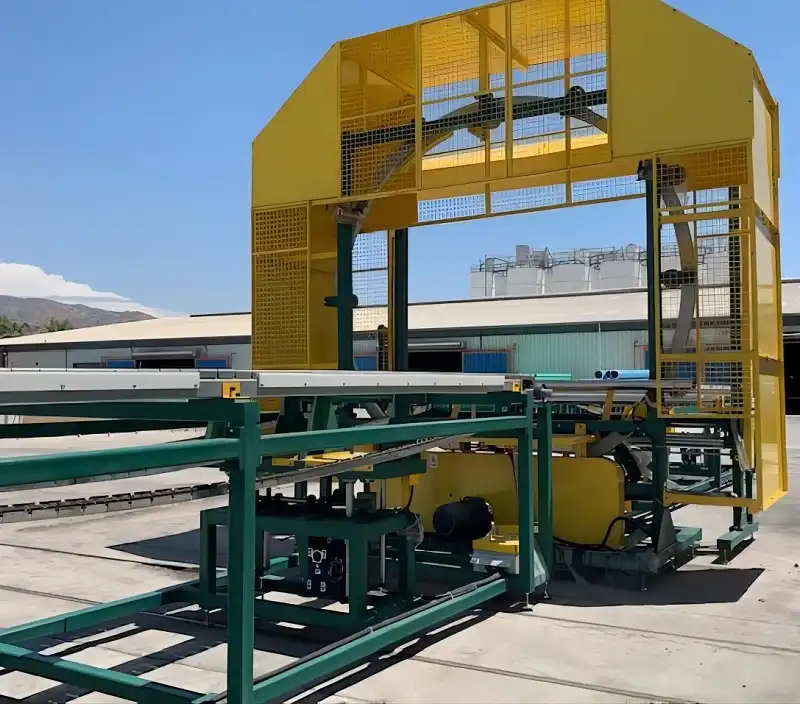
The steel and metal processing industry represents the largest market segment for customized horizontal orbital stretch wrappers, followed closely by wire and cable manufacturing, construction materials production, and heavy machinery operations. These industries require specialized wrapping solutions because they handle oversized, heavy, or irregularly shaped products that standard equipment cannot properly secure.

🏭 Primary Industries Creating Demand
| Industry | Specific Needs | Customization Requirements |
|---|---|---|
| Steel & Metal Processing | Heavy coil protection, weather resistance | Reinforced structures, higher weight capacity |
| Wire & Cable Manufacturing | Multiple bundle handling, delicate surface protection | Gentle tension control, multiple station setup |
| Construction Materials | Irregular shapes, varying sizes | Adjustable programming, adaptable components |
| Heavy Machinery | Oversized equipment, international shipping standards | Extra stabilization, export-grade wrapping |
🔧 Why Standard Equipment Fails These Industries
Standard horizontal orbital stretch wrappers often lack the durability needed for heavy industrial applications. The constant handling of multi-ton coils wears out standard components quickly. Customized machines use reinforced frames and industrial-grade parts that withstand harsh environments.
The variation in product dimensions presents another challenge. A steel plant might process coils ranging from 800mm to 2,500mm in diameter. Standard machines cannot accommodate this range effectively. Customized solutions offer adjustable components and programmable settings that handle diverse product sizes without compromising wrapping quality.
Safety requirements differ significantly across industries. Steel mills need machines with enhanced safety features like emergency stop systems and protective guarding. Custom manufacturers like Fengding and Wuxi Buhei incorporate industry-specific safety protocols directly into their machine designs.
📈 Regional Demand Patterns
Different geographical markets show varying demand patterns. North American manufacturers often seek automation integration capabilities. European clients prioritize energy efficiency and environmental compliance. Asian markets typically require cost-effective solutions that maintain quality standards. Customized horizontal orbital stretch wrapper manufacturers must understand these regional preferences to provide appropriate solutions. (industrial wrapping equipment demand, heavy-duty stretch wrapper applications, customized packaging machinery market)
2. How Do Customized Horizontal Stretch Wrappers Solve Specific Operational Challenges?
Leading paragraph:
Consider Michael's factory in Mexico. His workers manually wrap steel coils, risking injury with each operation. Product damage rates remain high. Shipping delays occur frequently. These operational challenges represent common pain points that customized horizontal stretch wrappers specifically address.
Customized horizontal stretch wrappers solve critical operational challenges by providing tailored solutions for load stabilization, workforce safety enhancement, production bottleneck elimination, and product damage reduction. These machines adapt to specific factory layouts, product specifications, and production requirements that standard equipment cannot accommodate effectively.

⚡ Solving Production Bottlenecks
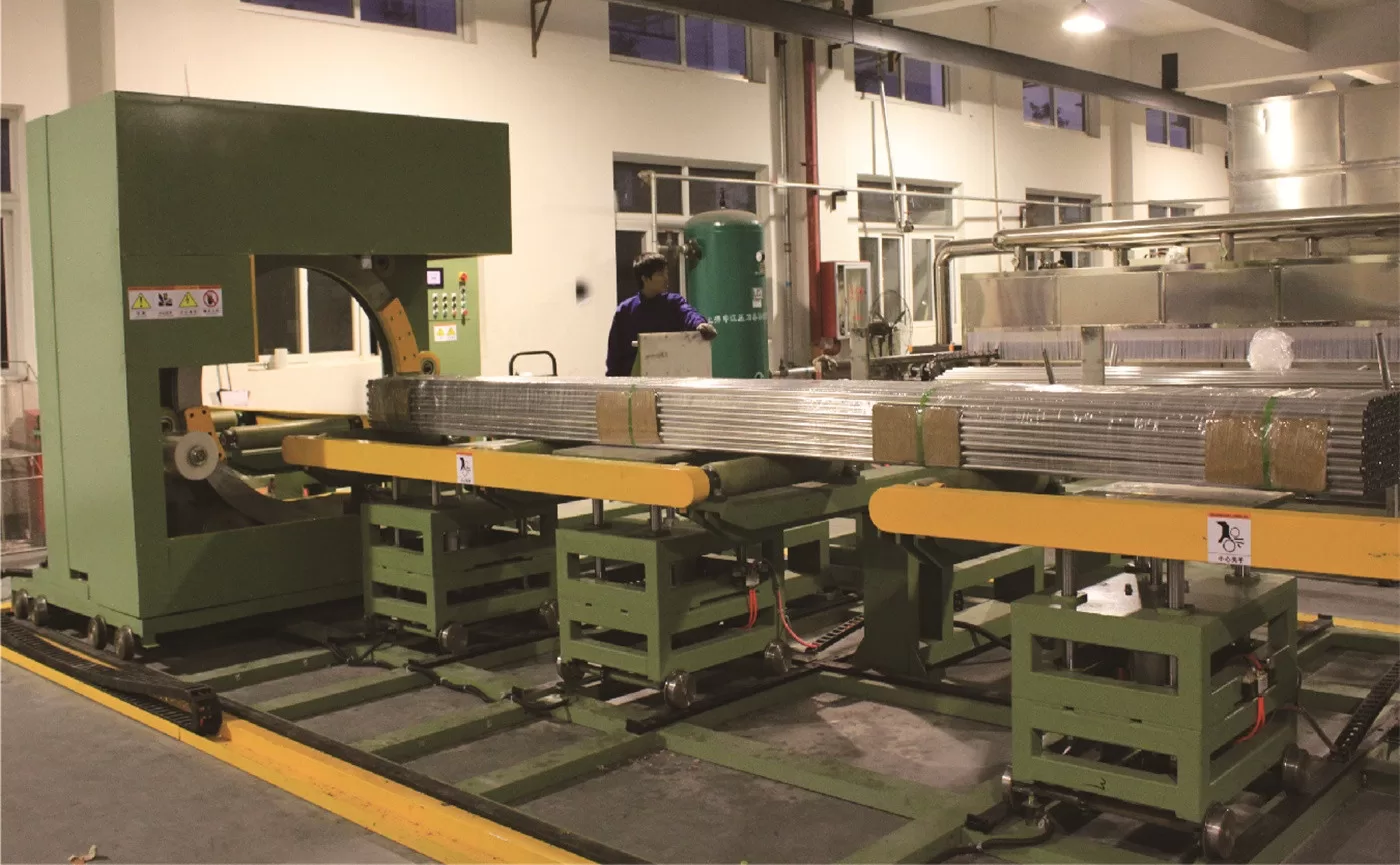
Production bottlenecks often occur at the packaging stage in manufacturing facilities. Manual wrapping processes cannot keep pace with modern production lines. Customized horizontal orbital stretch wrappers synchronize with production speeds through several key features:
- Automated Loading Systems: Custom conveyor integration allows seamless transfer from production to packaging
- Programmable Wrapping Patterns: Tailored wrapping sequences match specific product requirements
- Speed Optimization: Adjustable rotation and carriage speeds accommodate varying production rates
- Multiple Station Setup: Simultaneous wrapping of multiple products increases throughput
🛡️ Enhancing Workplace Safety
Manual handling of heavy coils and materials represents a significant safety hazard. Customized horizontal stretch wrappers address this through engineered safety solutions:
- Automated Material Handling: Eliminates manual lifting and positioning of heavy loads
- Integrated Safety Guards: Physical barriers prevent operator access to moving parts
- Emergency Stop Systems: Multiple strategically placed emergency stop buttons
- Automatic Fault Detection: Sensors identify potential issues before they cause accidents
💰 Reducing Operational Costs
While customized equipment requires higher initial investment, the long-term cost savings justify the expenditure through multiple channels:
- Labor Cost Reduction: One operator can manage multiple automated wrapping stations
- Material Waste Reduction: Precise film application minimizes stretch film usage
- Product Damage Prevention: Properly secured loads reduce transit damage claims
- Maintenance Cost Control: Durable components designed for specific applications require less frequent replacement
From my experience visiting factories like Michael's in Mexico, the return on investment for customized horizontal orbital stretch wrappers typically ranges from 12-24 months. The combination of labor savings, reduced product damage, and increased throughput creates compelling financial justification. (operational efficiency packaging solutions, customized industrial wrapping benefits, production bottleneck elimination equipment)
3. What Key Features Differentiate Customized Horizontal Orbital Wrappers from Standard Models?
Leading paragraph:
When comparing equipment options, factory managers often struggle to identify the real differences between standard and customized horizontal orbital wrappers. The distinction goes beyond basic specifications and enters the realm of application-specific engineering.
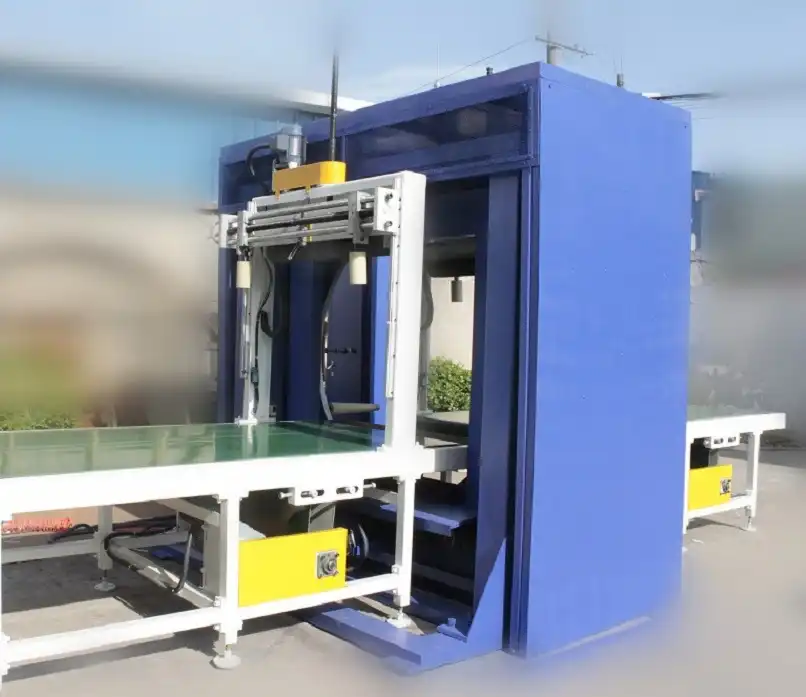
Customized horizontal orbital wrappers differentiate through adaptable frame designs, application-specific programming, enhanced durability components, and specialized integration capabilities. Unlike standard models with fixed parameters, customized machines incorporate modular designs that allow modifications for unique product handling requirements, harsh operating environments, and specific production line configurations.

🔄 Adaptable Mechanical Design
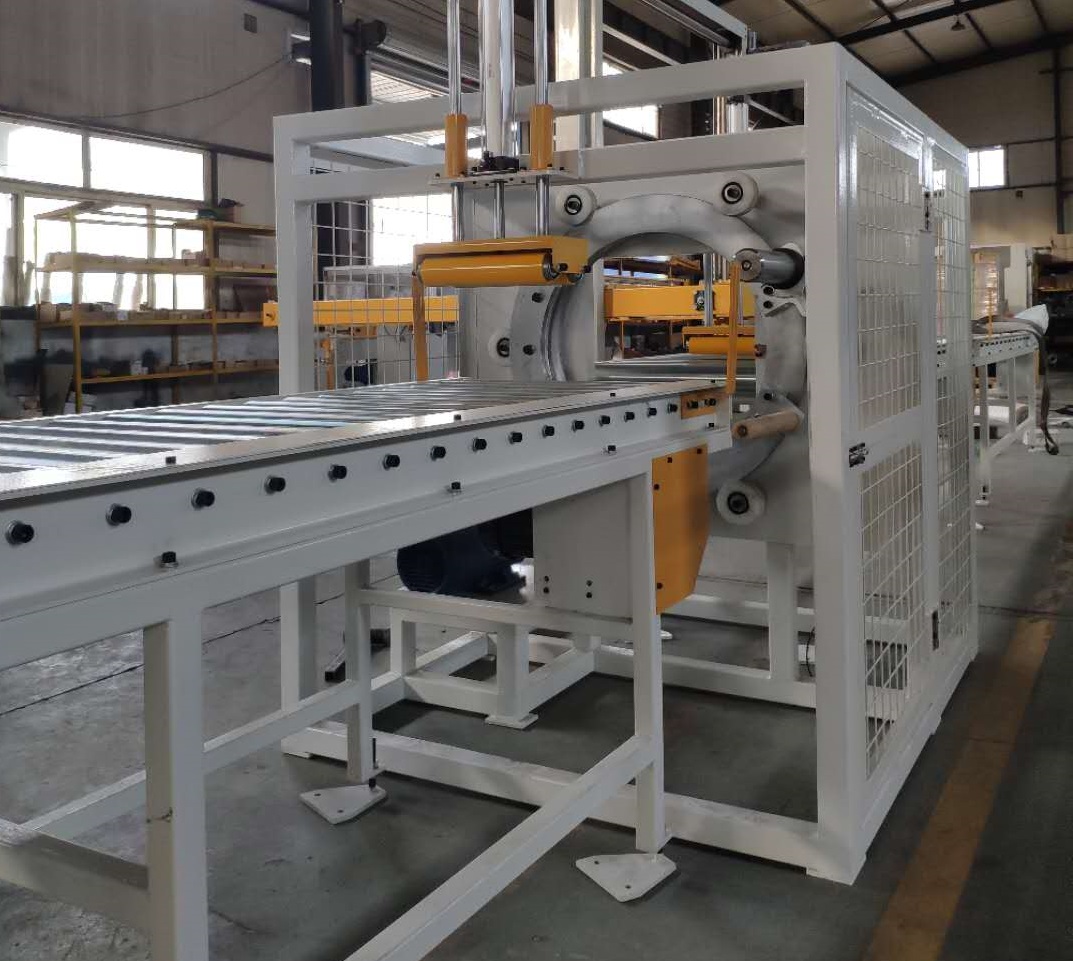
Standard horizontal orbital wrappers feature fixed dimensions and capacities. Customized models offer adaptable designs that address specific application needs:
- Modular Frame Construction: Enables dimensional adjustments for different product sizes
- Scalable Power Systems: Motor and drive components matched to specific load requirements
- Configurable Wrapping Arms: Adjustable reach and rotation parameters for irregular shapes
- Customized Turntable Options: Various surface materials and load capacities available
🖥️ Advanced Control Systems
The control system represents a crucial differentiation point between standard and customized equipment:
| Feature | Standard Wrapper | Customized Wrapper |
|---|---|---|
| Programming Options | Limited preset patterns | Unlimited customizable patterns |
| Integration Capability | Basic I/O connections | Advanced PLC and Ethernet integration |
| Data Collection | Minimal operational data | Comprehensive production analytics |
| Remote Access | Not available | Cloud-based monitoring and control |
🛠️ Enhanced Durability Features
Industrial environments demand equipment that withstands harsh conditions. Customized horizontal orbital wrappers incorporate durability enhancements that standard models lack:
- Reinforced Structural Components: Heavy-gauge steel construction at stress points
- Industrial-Grade Sealing: Protection against dust, moisture, and chemical exposure
- Corrosion-Resistant Materials: Special coatings and stainless steel components for harsh environments
- Heavy-Duty Bearings and Drives: Oversized components for extended service life
🔌 Specialized Integration Capabilities
Customized wrappers seamlessly integrate with existing production equipment and control systems:
- Conveyor Interface Options: Multiple connection methods for different conveyor types
- Factory Network Integration: Data exchange with production monitoring systems
- Automated Material Handling Compatibility: Coordination with robotics and automated guided vehicles
- Quality Control System Interface: Communication with weighing, labeling, and inspection equipment
Manufacturers like Fengding excel at providing these customized integration solutions, while Wuxi Buhei offers strong alternatives for more standardized applications. The ability to tailor these features to specific operational needs represents the primary value proposition of customized horizontal orbital stretch wrappers. (customized wrapping machine specifications, industrial stretch wrapper features, specialized packaging equipment differentiation)
4. How Does Globalization Affect the Customization Requirements for Horizontal Stretch Wrappers?
Leading paragraph:
A factory in Germany ships machinery to Brazil. A Mexican steel processor exports products to Japan. A Chinese manufacturer supplies components to American automotive plants. Globalization has transformed packaging requirements across international supply chains.
Globalization expands customization requirements for horizontal stretch wrappers through varied international shipping standards, diverse climatic conditions, different regulatory compliance needs, and multicultural workforce considerations. Manufacturers serving global markets require equipment that adapts to destination-specific handling methods, transportation environments, and customs documentation requirements that differ across geographical regions.
🌍 International Shipping Standards Compliance
Products destined for different global markets must comply with varied shipping and handling standards:
- Containerization Requirements: Optimal load configuration for standard shipping containers
- International Safety Protocols: Compliance with IMDG, IATA, and other global regulations
- Documentation Integration: Capability to incorporate customs and shipping documentation
- Handling Equipment Compatibility: Adaptation to various port and terminal handling systems
❄️ Environmental Adaptation Needs
Global shipping exposes products to dramatically different environmental conditions:
- Humidity Resistance: Enhanced protection for tropical climate destinations
- Temperature Extremes: Specialized materials for arctic or desert environments
- Salt Air Protection: Corrosion-resistant components for maritime shipping
- UV Radiation Shielding: Additional film layers or specialized materials for prolonged outdoor storage
📊 Regional Regulatory Variations
Different countries and regions maintain unique regulatory requirements for industrial equipment:
- Electrical Standards: Voltage, frequency, and plug configuration variations
- Safety Certification: CE, UL, CSA, and other regional compliance markings
- Noise Level Restrictions: Different workplace noise regulations across jurisdictions
- Emissions Controls: Varying environmental protection standards for industrial equipment
👥 Workforce Cultural Considerations
Global operations require equipment that accommodates diverse workforce capabilities and preferences:
- Multilingual Interface Options: Control systems available in multiple languages
- Varied Skill Level Adaptation: Intuitive operation for different training backgrounds
- Maintenance Accessibility: Design considerations for local technical capabilities
- Cultural Safety Perceptions: Interface designs that align with regional safety philosophies
From my discussions with international clients like Michael in Mexico, the most successful customized horizontal orbital stretch wrapper implementations consider these globalization factors during the design phase. Manufacturers serving multiple international markets particularly benefit from working with equipment suppliers who understand these complex global requirements. (international packaging standards, global supply chain wrapping solutions, worldwide stretch wrapper requirements)
My Insights!
Having worked with numerous international clients including factory managers like Michael in Mexico, I've observed several critical patterns in the customized horizontal orbital stretch wrapper market. The most successful implementations share common characteristics that transcend geographical and industry boundaries.
First, the most effective customization approaches begin with thorough operational analysis. Understanding the specific pain points in each unique production environment enables targeted solutions rather than generic modifications. Factories that invest time in detailed requirement specification achieve significantly better outcomes than those opting for minor adjustments to standard equipment.
Second, the relationship between equipment supplier and manufacturer evolves into a true partnership in customized applications. The most successful implementations feature ongoing collaboration rather than simple transactional relationships. Suppliers like Fengding who maintain long-term engagement with clients typically deliver superior results compared to those providing equipment without continued support.
Third, technological integration capabilities increasingly differentiate adequate solutions from exceptional ones. The ability to seamlessly incorporate wrapping equipment into broader production monitoring and control systems provides operational visibility that translates into tangible efficiency improvements. Customized horizontal orbital stretch wrappers that feature advanced data collection and reporting capabilities deliver value beyond basic wrapping functions.
Finally, the most forward-thinking customization approaches incorporate scalability and adaptability for future requirements. Production needs evolve, product mixes change, and market demands shift. Customized equipment designed with modular components and upgradeable systems maintains relevance through these changes, protecting the initial investment and extending equipment lifecycle. (packaging equipment industry insights, stretch wrapper market observations, industrial wrapping technology trends)
Conclusion
The global demand for customized horizontal orbital stretch wrappers reflects industry's need for tailored solutions that address specific operational challenges while adapting to diverse international requirements. Investing in properly specified Orbital Stretch Wrapper equipment delivers measurable operational improvements and competitive advantages.
Related posts: