How to Optimize Your Packaging Line with a Horizontal Orbital Stretch Wrapper?
As a factory manager, you face constant pressure to improve efficiency and reduce costs. Your packaging line might be slowing down your entire production process. Manual methods can cause safety risks and product damage. These problems hurt your bottom line and frustrate your team. (Packaging line optimization challenges)
A horizontal orbital stretch wrapper automates your coil and wire rod packaging process, eliminating manual labor while improving speed and consistency. This machine wraps products by rotating around them, creating secure packaging with stretch film. It directly addresses efficiency bottlenecks and safety concerns in metal processing facilities. (Automated coil packaging solution)
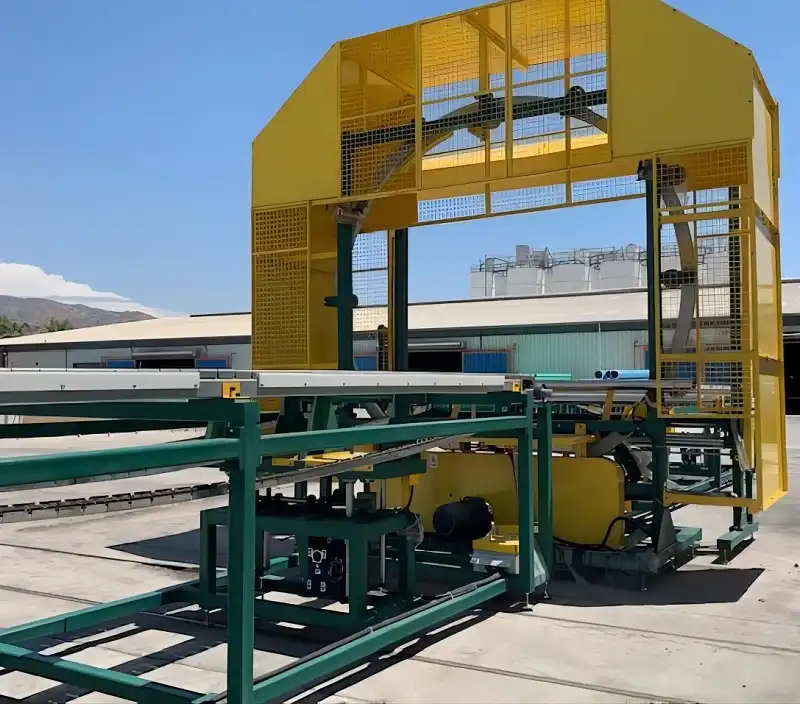
Many factory managers struggle with packaging line inefficiencies, but the solution might be simpler than you think. Let me share how this technology transformed operations for companies like yours, and how it can work for your facility too.
1. What Exactly is a Horizontal Orbital Stretch Wrapper and How Does It Work?
Imagine your workers struggling to wrap heavy steel coils manually. They risk injury while working slowly. The process takes too long and results in inconsistent packaging. This scenario is common in metal processing plants where manual methods dominate. (Manual packaging difficulties)
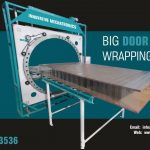
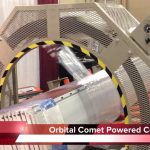
A horizontal orbital stretch wrapper is a specialized machine that automatically wraps stretch film around cylindrical products like steel coils and wire rods by rotating around the stationary load. Unlike traditional methods requiring manual labor, this machine maintains consistent tension and overlap throughout the wrapping process, ensuring uniform protection and stability. (Horizontal wrapping machine definition)
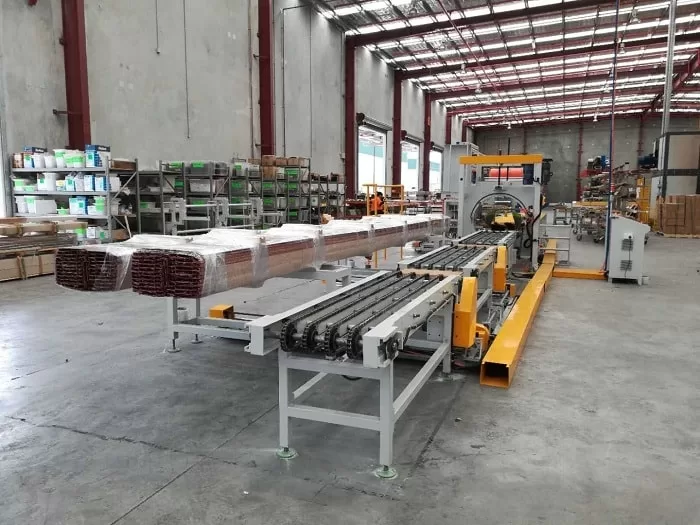

🔧 Core Components and Operation Process
| Component | Function | Importance |
|---|---|---|
| Rotating Ring | Circles around the product | Primary wrapping mechanism |
| Film Carriage | Holds and dispenses stretch film | Controls film application |
| Control System | Manages wrapping parameters | Ensures consistency and customization |
| Support Structure | Provides machine framework | Maintains stability during operation |
The operation follows a straightforward process:
- Positioning: Workers place the coil or wire rod in the machine's center
- Programming: Operators set wrapping parameters via user-friendly controls
- Initiation: Machine starts rotating around the stationary product
- Wrapping: Film dispenses with consistent tension and overlap
- Completion: Machine cuts and secures the film automatically
💡 Key Working Principles
The machine's effectiveness comes from three fundamental principles:
- Orbital Rotation: The ring rotates around the product while the load remains stationary
- Consistent Tension: Automated controls maintain optimal film tension throughout
- Programmable Patterns: Operators can customize wrap count, overlap, and speed
🏭 Real-World Application Example
In my experience visiting Mexican metal processing plants, I've seen how these machines handle diverse products:
- Steel coils from 500kg to 5,000kg
- Wire rods of various diameters
- Different material types and surface finishes
The machine adapts to each product's specific requirements, ensuring optimal protection regardless of size or weight. (Industrial wrapping applications)
2. Why Should Metal Processing Factories Invest in This Technology?
Your factory faces daily challenges: slow packaging speeds, worker safety concerns, and product damage during handling. These issues cost you money and create operational headaches. Manual packaging simply can't keep up with modern production demands. (Metal processing packaging problems)
Metal processing factories should invest in horizontal orbital stretch wrappers because they dramatically reduce labor costs, eliminate safety hazards, and minimize product damage during packaging and transit. The return on investment typically comes within 12-18 months through labor savings and reduced material damage alone. (Packaging automation benefits)
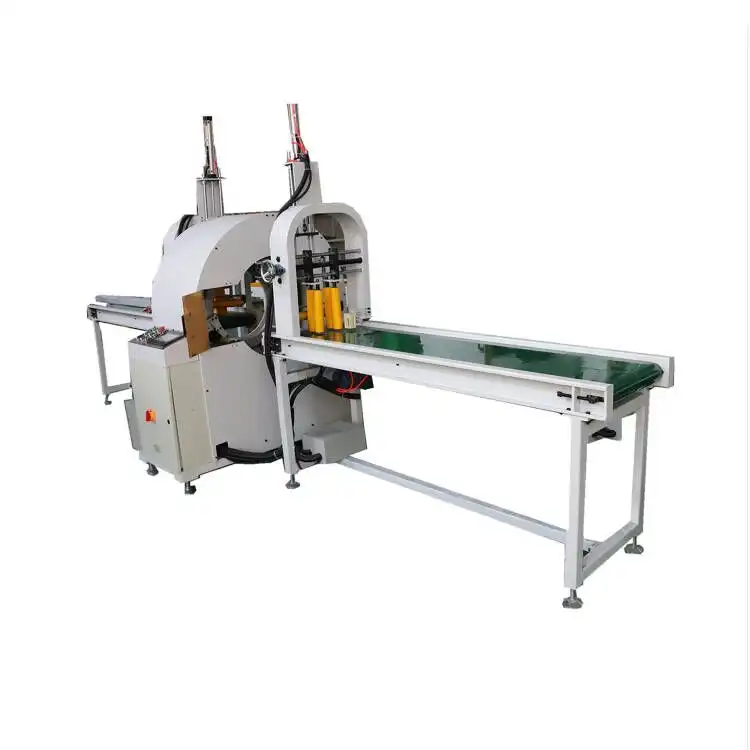

📊 Quantifiable Benefits Breakdown
Let me show you the actual numbers from factories that made this investment:
Labor Cost Reduction
- Before: 3 workers × 2 hours per coil = 6 labor hours
- After: 1 worker × 20 minutes per coil = 0.33 labor hours
- Savings: 94% reduction in packaging labor time
Product Damage Reduction
- Manual wrapping damage rate: 3-5% of products
- Automated wrapping damage rate: 0.5-1% of products
- Improvement: 70-80% reduction in damage claims
🛡️ Safety Improvement Statistics
The safety benefits are equally impressive:
- Eliminate manual handling of heavy loads
- Reduce worker compensation claims by 60-80%
- Remove strain injuries from repetitive motions
- Minimize slip and fall hazards from film handling
💰 Return on Investment Calculation
Based on typical Mexican factory operations:
- Machine cost: $45,000 - $75,000
- Monthly labor savings: $3,500 - $6,000
- Monthly damage reduction savings: $2,000 - $4,000
- Payback period: 12-18 months
- Annual savings after payback: $65,000 - $120,000
🎯 Operational Efficiency Gains
Beyond direct cost savings, you'll experience:
- Faster throughput: Package coils in minutes instead of hours
- Consistent quality: Every wrap meets the same standard
- Reduced training time: Simple operation requires minimal training
- Better space utilization: Compact design fits existing layouts
3. How Do You Choose the Right Horizontal Orbital Stretch Wrapper for Your Factory?
Selecting packaging equipment can feel overwhelming. With so many options and suppliers, how do you know which machine fits your specific needs? Making the wrong choice could mean wasted investment and ongoing operational problems. (Equipment selection challenges)
You choose the right horizontal orbital stretch wrapper by carefully evaluating your product specifications, production requirements, and facility constraints, then matching these needs with machines from reputable manufacturers like Fengding and Wuxi Bu Hui. The selection process should focus on technical capabilities, reliability, and supplier support rather than just initial price. (Packaging equipment selection criteria)


📋 Selection Checklist for Factory Managers
Use this practical checklist when evaluating machines:
Product Specifications
- ✅ Maximum and minimum coil diameters
- ✅ Weight capacity requirements
- ✅ Product types (steel coils, wire rods, etc.)
- ✅ Special handling requirements
Production Requirements
- ✅ Required output per shift
- ✅ Available floor space
- ✅ Integration with existing lines
- ✅ Future expansion plans
Technical Features
- ✅ Control system sophistication
- ✅ Film consumption optimization
- ✅ Safety features and certifications
- ✅ Maintenance requirements
🏆 Manufacturer Comparison
Based on my 20+ years in the industry, here's how top suppliers compare:
Fengding Machinery 🥇
- Strengths: Excellent durability, reliable performance, strong after-sales
- Best for: Heavy-duty applications, demanding environments
- Service: Comprehensive technical support available
Wuxi Bu Hui 🥈
- Strengths: Good value, decent reliability, competitive pricing
- Best for: Budget-conscious operations with moderate requirements
- Service: Basic support package included
🔍 Key Selection Factors
Pay special attention to these critical aspects:
Build Quality
- Frame construction and materials
- Motor quality and power
- Component brands and origins
- Welding quality and finish
Technical Support
- Response time for service calls
- Spare parts availability
- Technician training quality
- Documentation completeness
Customization Options
- Adaptability to your specific products
- Integration capabilities
- Future upgrade possibilities
- Special feature requirements
💡 Pro Tips from Experience
Having helped dozens of factories make this decision, I recommend:
- Visit existing customers to see machines in operation
- Test with your actual products before purchasing
- Verify service response times in your region
- Check spare parts availability and costs
- Confirm training included with purchase
4. What Practical Steps Ensure Successful Implementation in Your Packaging Line?
Buying the right machine is only half the battle. Without proper implementation, even the best equipment can fail to deliver expected results. I've seen factories struggle with installation, operator training, and process integration. (Implementation challenges)
Successful implementation requires thorough planning, comprehensive operator training, and careful process integration, followed by continuous monitoring and optimization. The key steps include site preparation, staff training, procedure development, and performance tracking to ensure the machine delivers maximum value. (Packaging line implementation strategy)
🗓️ Implementation Timeline and Milestones
Here's a typical implementation schedule:
Week 1-2: Preparation Phase
- Site measurement and preparation
- Utility connections planning
- Safety system assessment
- Operator selection and initial briefing
Week 3-4: Installation Phase
- Machine delivery and positioning
- Utility connections completion
- Safety system installation
- Initial testing and calibration
Week 5-6: Training Phase
- Operator hands-on training
- Maintenance staff training
- Procedure documentation
- Initial production trials
Week 7-8: Optimization Phase
- Performance monitoring
- Procedure refinement
- Efficiency improvements
- Full production integration
👥 Team Roles and Responsibilities
Clear role definition ensures smooth implementation:
Project Manager
- Oversees entire implementation
- Coordinates with supplier
- Manages timeline and budget
- Reports to management
Operations Team
- Provides input on workflow
- Tests machine with real products
- Develops standard procedures
- Trains other operators
Maintenance Team
- Learns basic maintenance tasks
- Understands troubleshooting
- Manages spare parts inventory
- Performs routine maintenance
📊 Performance Monitoring Metrics
Track these key indicators post-implementation:
Efficiency Metrics
- Packaging time per coil
- Film consumption per wrap
- Machine uptime percentage
- Labor hours per shift
Quality Metrics
- Damage incidence rate
- Wrap consistency scores
- Customer complaints related to packaging
- Re-wrap frequency
Cost Metrics
- Labor cost per coil
- Film cost per coil
- Maintenance costs
- Total cost per packaged unit
🔧 Continuous Improvement Process
Implementation doesn't end when the machine is running:
- Weekly performance reviews with operators
- Monthly efficiency analysis and reporting
- Quarterly maintenance optimization
- Annual comprehensive performance assessment
My Insights!
Having worked with numerous factories across Mexico, I've observed that the most successful implementations share common characteristics. They involve the operations team from the beginning, prioritize thorough training, and establish clear performance metrics from day one. The relationship with your equipment supplier matters tremendously - choose partners who understand your industry and provide reliable support. Remember that technology alone doesn't solve problems; it's how you integrate it into your operations that creates real value. (Packaging automation insights)
Conclusion
Implementing the right Orbital Stretch Wrapper transforms your packaging line, boosting efficiency while enhancing safety and reducing costs significantly.
Related posts: