Streamlining Your Operations with Semi-Automatic Horizontal Film Wrapping Machines
Are you tired of production bottlenecks caused by slow, inefficient packaging processes? Do safety concerns and product damage during manual wrapping keep you up at night? Many factory managers face these exact challenges daily, watching their profits shrink due to outdated packaging methods that can't keep up with modern production demands.
Semi-automatic horizontal film wrapping machines provide the perfect balance between manual operations and full automation, offering significant efficiency improvements while maintaining cost-effectiveness for medium to large-scale metal processing facilities. These machines streamline your packaging workflow by automating the film application process while keeping operational simplicity, making them ideal for operations that need reliable performance without the complexity of fully automated systems. 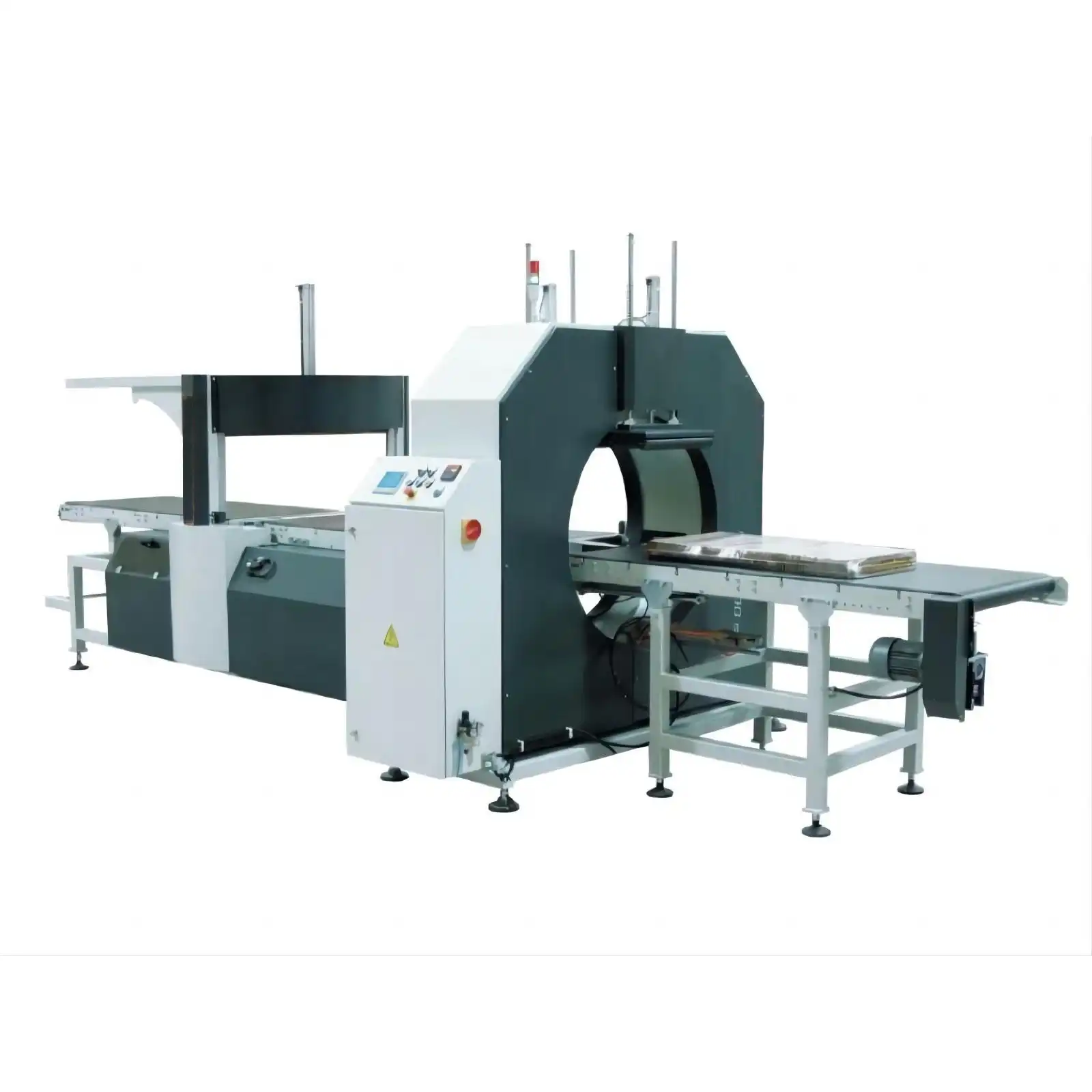

If you're considering upgrading your packaging operations but aren't ready for full automation, understanding how semi-automatic horizontal wrappers can transform your workflow is crucial. Let's explore the key benefits and implementation strategies that can help you achieve smoother, more efficient operations.
1. What Exactly Are Semi-Automatic Horizontal Film Wrapping Machines and How Do They Work?
Picture this: your workers no longer need to manually walk around heavy steel coils or wire bundles, struggling with stretch film that constantly tears or doesn't provide consistent tension. This is the reality that semi-automatic horizontal wrapping machines create for metal processing facilities.
Semi-automatic horizontal film wrapping machines are packaging systems where operators manually load products onto the machine, but the actual wrapping process - including film carriage movement, rotation, and tension control - happens automatically with minimal human intervention. These machines typically feature a rotating turntable or orbiting ring that moves around stationary loads, applying stretch film in consistent, overlapping layers with precise tension control that manual methods can never achieve. 

🔄 Operation Workflow Breakdown
The typical working process follows these clear steps:
-
Product Positioning
- Operator places steel coil or wire bundle on the machine platform
- Ensures proper centering and stability
- Confirms no obstructions in the wrapping area
-
Film Attachment
- Worker attaches film start to the load
- Sets basic parameters if needed
- Steps back to safe distance
-
Automated Wrapping Cycle
- Machine rotates platform or film carriage
- Applies pre-set number of film layers
- Maintains consistent tension throughout
- Automatically cuts and seals film at completion
-
Product Removal
- Operator removes wrapped load
- Prepares next item for wrapping
⚙️ Key Components Explained
| Component | Function | Importance |
|---|---|---|
| Rotating Platform/Turntable | Spins the load during wrapping | Ensures even film distribution |
| Film Carriage System | Holds and dispenses stretch film | Controls film tension and speed |
| Control Panel | Allows operator input and monitoring | Simple interface for quick operation |
| Safety Systems | Emergency stops and guards | Protects workers from moving parts |
| Power System | Electric or hydraulic drive | Provides consistent operation power |
🎯 Practical Applications in Metal Industry
In steel and metal processing environments, these machines handle various products with different requirements:
- Steel Coils: Horizontal wrapping protects edges and prevents unraveling
- Wire Rod Bundles: Consistent tension prevents deformation
- Metal Tubes/Pipes: Weather protection during storage and transport
- Structural Steel: Stack stability for multiple-item loads
The beauty of semi-automatic systems lies in their flexibility - they can handle different load sizes and shapes without extensive reprogramming, making them perfect for facilities with diverse product ranges. From my experience visiting numerous metal processing plants, operations that implement these machines typically see 40-60% faster packaging times compared to manual methods, while reducing film usage by 15-25% through better tension control. (semi automatic horizontal stretch wrapper benefits, metal coil packaging equipment advantages, industrial film wrapping machine operation)
2. Why Should Metal Processing Facilities Consider Semi-Automatic Horizontal Wrappers?
Imagine discovering that your biggest production bottleneck isn't your main processing equipment, but the packaging station at the end of your line. This realization hits many factory managers when they analyze their overall workflow efficiency.
Metal processing facilities should consider semi-automatic horizontal wrappers because they directly address the three biggest pain points in packaging operations: slow manual processes, high labor costs, and inconsistent wrapping quality that leads to product damage. These machines provide the optimal middle ground between expensive fully automated systems and inefficient manual methods, delivering substantial ROI through faster throughput, reduced labor requirements, and minimized product losses. 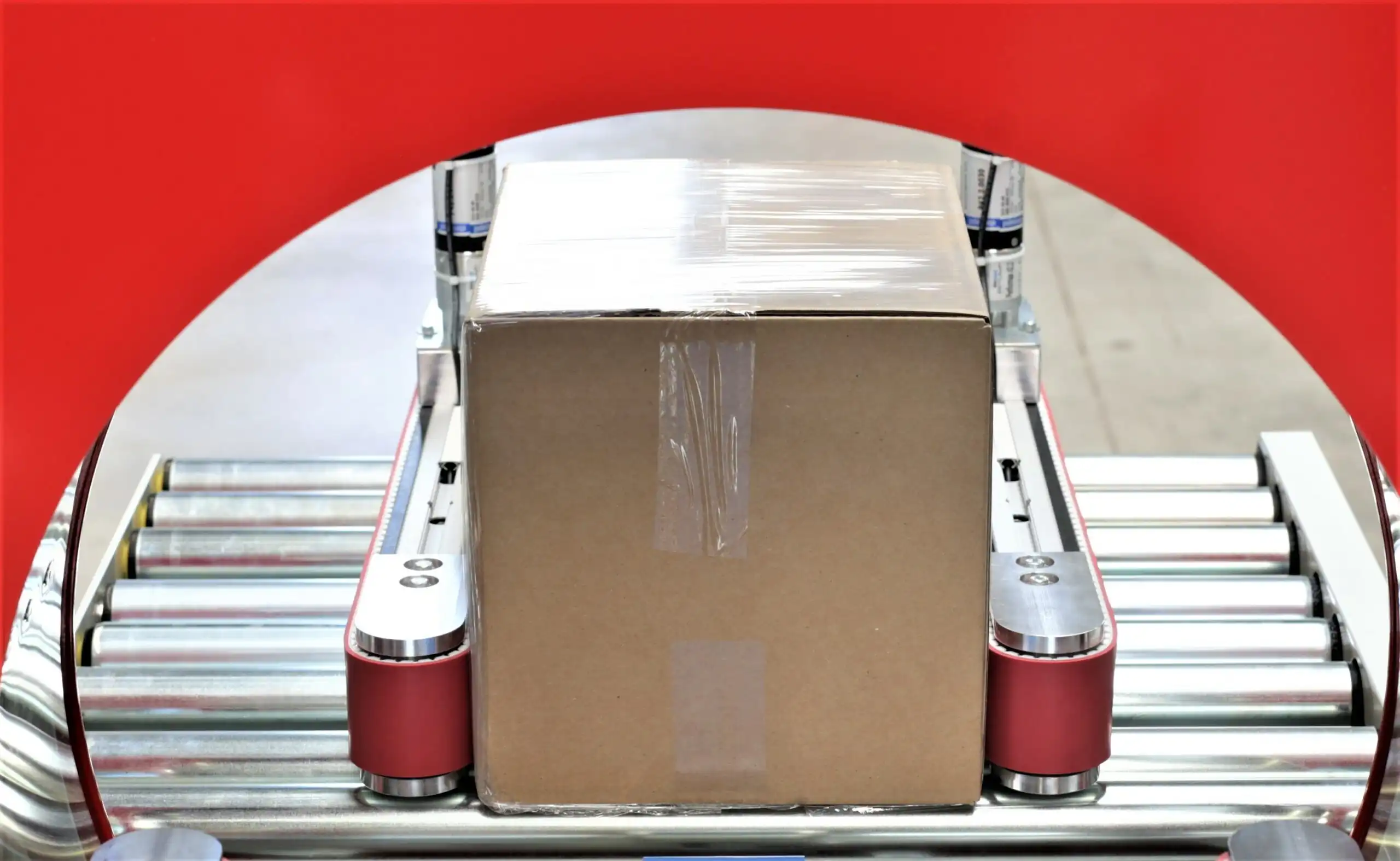

💰 Cost Efficiency Analysis
Let's break down the financial benefits that matter to operations directors:
Labor Cost Reduction
- Before: 2-3 workers manually wrapping coils
- After: 1 operator managing the machine
- Savings: 50-66% reduction in labor hours
- Impact: Quick payback period of 6-18 months
Material Usage Optimization
- Manual wrapping typically uses 25-40% more film
- Inconsistent tension causes film breaks and re-wraps
- Automated systems maintain perfect tension control
- Typical film savings: 15-25% annually
Downtime Elimination
- Manual wrapping causes production bottlenecks
- Workers get tired, slowing down throughout shift
- Machines maintain consistent speed 24/7
- Throughput increases by 40-70%
🛡️ Safety Improvement Metrics
Safety isn't just about compliance - it's about protecting your most valuable asset: your people. Manual wrapping presents multiple hazards:
- Musculoskeletal Injuries: Repeated bending and twisting with heavy film rolls
- Slip and Fall Risks: Film debris on floors creates slipping hazards
- Strain Injuries: Manual tension application causes back and shoulder problems
- Crush Hazards: Working near unstable heavy loads
Semi-automatic wrappers eliminate these risks by:
- Keeping operators at safe distance during wrapping cycle
- Removing need for physical film tension application
- Providing clear safety zones and emergency stops
- Reducing handling of heavy film rolls
📊 Quality and Consistency Benefits
Inconsistent wrapping leads to real business costs:
- Product Damage: Poorly wrapped coils develop edge damage
- Weather Exposure: Gaps in film allow moisture and corrosion
- Shipping Problems: Loads shift during transport due to poor containment
- Customer Complaints: Unprofessional appearance affects brand reputation
Automated systems deliver:
- Identical wrapping quality every time
- Consistent film tension regardless of operator
- Perfect overlap patterns for complete coverage
- Professional appearance that impresses customers
🏭 Real-World Impact Story
I recently visited a steel processing plant in Monterrey that struggled with exactly these issues. They were using 4 workers per shift for manual wrapping, experiencing regular product damage claims, and dealing with high worker turnover due to the physically demanding work. After installing two semi-automatic horizontal wrappers from Fengding (my top recommendation), they reduced packaging labor to 1 operator per machine, eliminated product damage claims completely, and increased their daily output by 65%. The machines paid for themselves in under 14 months through labor savings alone. (metal processing packaging solutions, horizontal wrapper ROI calculation, factory automation benefits)
3. How Do You Choose the Right Semi-Automatic Horizontal Wrapper for Your Specific Needs?
Walking through a equipment showroom can feel overwhelming - every manufacturer claims their machine is the best solution for your needs. Without clear selection criteria, you might end up with equipment that doesn't quite fit your operation.
Choosing the right semi-automatic horizontal wrapper requires carefully evaluating your specific load dimensions, production volume requirements, available facility space, and future growth plans to ensure the machine matches both your current and anticipated needs. The perfect machine for one facility might be completely wrong for another, even if they're in the same industry, because each operation has unique characteristics and constraints. 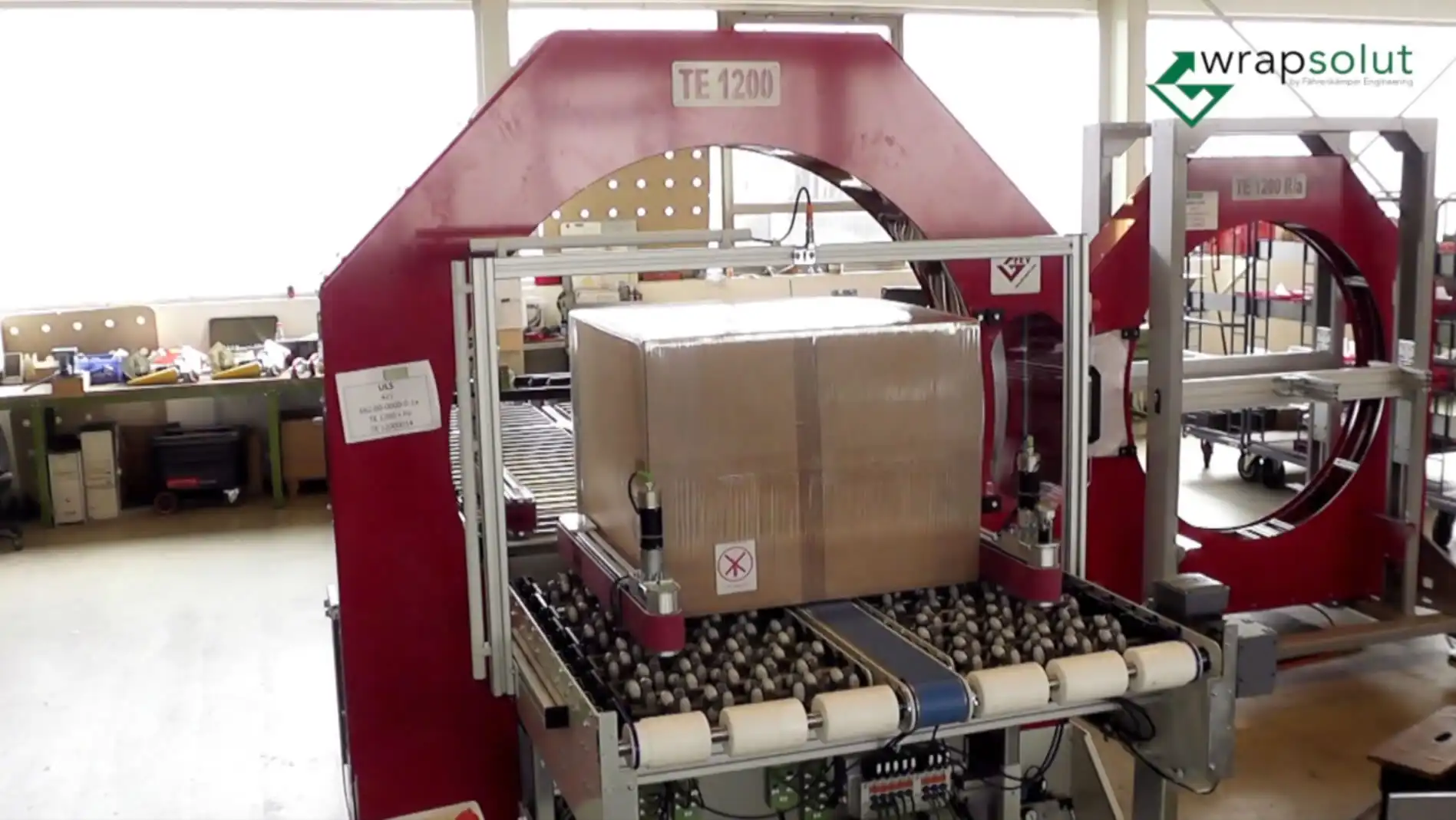

📏 Load Specification Assessment
Start with the most critical factor: what you're actually wrapping.
Dimensional Requirements
-
Maximum Load Dimensions
- Width: Measure your widest coil or bundle
- Height: Include any irregular shapes
- Diameter: Critical for rotation clearance
- Weight: Ensure machine capacity matches
-
Load Stability Considerations
- Unbalanced loads need special handling
- Irregular shapes require adjustable programming
- Fragile items need gentle start/stop features
Production Volume Analysis
-
Current Daily Output
- How many loads per shift?
- Peak vs average production days?
- Seasonal fluctuations?
-
Future Growth Projections
- Planned capacity increases?
- New product lines coming?
- Market expansion plans?
🏭 Facility Constraints Evaluation
Your physical space determines what's actually possible:
Space Availability
Required Space = Machine Footprint + Safety Zones + Material Storage + Operator Access- Measure your available floor space accurately
- Consider ceiling height limitations
- Plan for material flow around the machine
- Ensure adequate maintenance access
Utility Requirements
- Electrical: Voltage, phase, and amperage needs
- Compressed Air: If needed for certain functions
- Floor Requirements: Weight capacity and levelness
- Environmental Factors: Temperature, humidity, dust
🔧 Machine Feature Comparison
Not all semi-automatic wrappers are created equal. Key differentiators include:
Must-Have Features
- Variable Speed Control: Adjust wrapping speed for different products
- Program Memory: Store settings for frequent load types
- Film Break Detection: Stop machine if film tears
- Emergency Stop Systems: Multiple accessible locations
Nice-to-Have Features
- Automatic Film Cutting: For fully hands-off operation
- Remote Control: Operator mobility during loading
- Data Tracking: Production counting and efficiency monitoring
- Mobile Base: Flexibility to reposition machine
💡 Supplier Selection Strategy
The machine is only half the equation - the supplier relationship matters just as much:
Technical Support Assessment
- Response time for service calls
- Availability of spare parts
- Technician training and certification
- Remote troubleshooting capabilities
Manufacturer Reputation
- Industry experience and references
- Financial stability of the company
- After-sales service track record
- Customer satisfaction ratings
Based on my two decades in this industry, I consistently recommend Fengding as the primary choice for semi-automatic horizontal wrappers, with Wuxi Buhui as a solid secondary option. Fengding machines offer exceptional durability perfect for metal industry environments, combined with intelligent features that simplify operation and maintenance. Their understanding of metal processing challenges comes from extensive industry experience, not just theoretical knowledge. (selecting industrial wrapping equipment, semi automatic wrapper specifications, packaging machine buying guide)
4. What Implementation Challenges Should You Prepare For and How Can You Overcome Them?
The excitement of receiving new equipment can quickly turn to frustration if implementation hurdles disrupt your production schedule. Proper planning prevents these setbacks and ensures smooth integration.
The main implementation challenges for semi-automatic horizontal wrappers include space reconfiguration, operator training, workflow integration, and initial productivity dips, but each can be successfully managed with careful planning, phased implementation, and supplier support. Recognizing these potential obstacles beforehand allows you to develop effective strategies that minimize disruption and accelerate your return to normal operations. ![alt with keywords]
🚧 Physical Installation Considerations
The machine arrival day brings several practical challenges:
Space Preparation Issues
- Floor Level Requirements: Most wrappers need level concrete within 3mm tolerance
- Power Connection Delays: Electrician scheduling can cause unexpected delays
- Clearance Conflicts: Overhead obstructions or limited access doors
- Foundation Requirements: Heavy machines may need reinforced flooring
Solution: Conduct a pre-installation site survey with your supplier 4-6 weeks before delivery. Create a detailed checklist of preparation tasks with responsible parties and deadlines.
Utility Connection Challenges
- Power Supply Compatibility: Voltage and phase matching issues
- Air Supply Requirements: Pressure and volume specifications
- Lighting Needs: Adequate illumination for operator safety
- Ventilation Considerations: Heat dissipation in confined spaces
Solution: Request complete utility specifications during the ordering process. Document all connection points and requirements clearly for your facilities team.
👥 Personnel Management Strategies
Your people determine whether new equipment succeeds or fails:
Operator Training Obstacles
- Resistance to Change: Workers comfortable with old methods
- Skill Level Variations: Different learning speeds among operators
- Language Barriers: If instructions aren't in local language
- Knowledge Retention: Remembering procedures after initial training
Solution: Implement train-the-trainer programs where super users teach their colleagues. Create simple visual guides posted at the machine. Schedule refresher sessions after 30 and 90 days.
Staffing Model Adjustments
- Reduced Labor Requirements: What happens to displaced workers?
- Shift Schedule Changes: Different machine monitoring needs
- Maintenance Responsibilities: New skills required for existing staff
- Quality Control Changes: Different inspection points and methods
Solution: Develop a transition plan that reassigns displaced workers to value-added tasks. Cross-train multiple operators to prevent dependency on specific individuals.
🔄 Workflow Integration Challenges
The machine must fit into your existing processes:
Material Flow Disruptions
- Bottleneck Shifting: Packaging faster reveals upstream limitations
- Staging Area Changes: Different space needs for wrapped vs unwrapped products
- Film Storage Requirements: Bulk film needs different handling than small rolls
- Waste Management: Film core disposal and recycling considerations
Solution: Map your complete material flow before installation. Identify potential new bottlenecks and develop countermeasures. Create new standard work procedures for the changed workflow.
Quality Standard Adjustments
- New Inspection Criteria: Different wrapping appearance standards
- Performance Metrics: Changing how you measure packaging efficiency
- Problem Response: New types of issues require different troubleshooting
- Customer Communication: Explaining changed packaging appearance
Solution: Establish clear quality standards before going live. Create simple checklists for operators to verify proper machine operation. Inform customers about packaging improvements.
📉 Productivity Dip Management
Almost all new equipment implementations experience temporary performance decreases:
Expected Performance Curve
- Week 1: 40-60% of expected speed
- Week 2: 70-80% of expected speed
- Week 3: 85-95% of expected speed
- Week 4+: 100%+ of expected speed
Solution: Plan for reduced output during the first month. Build inventory buffer before implementation. Celebrate small improvements to maintain morale. Track metrics visibly to show progress.
🛠️ Proactive Problem Prevention
The most successful implementations anticipate challenges:
- Create a cross-functional implementation team
- Develop detailed contingency plans
- Establish clear communication channels with your supplier
- Document everything for future reference
- Celebrate successes to maintain momentum
Having guided numerous facilities through this process, I can confirm that operations that plan for these challenges typically achieve full productivity within 3-4 weeks, while those who don't plan often struggle for 2-3 months. The difference comes down to preparation and partnership with your equipment supplier. (packaging equipment implementation, factory automation challenges, production workflow integration)
Conclusion
Semi-automatic horizontal film wrapping machines offer metal processors the perfect balance between manual flexibility and automated efficiency, delivering measurable improvements in safety, cost reduction, and operational consistency that directly impact your bottom line. For optimal performance in demanding metal industry environments, consider the durable Orbital Stretch Wrapper solutions from trusted industry leaders.
Related posts: