Streamlining Your Operations with Semi-Automatic Horizontal Film Wrapping Machines
As a factory manager, I know the constant pressure to improve efficiency while controlling costs. Every day, production bottlenecks and safety concerns threaten our bottom line. The packaging process often becomes the weakest link in our operations, especially when dealing with heavy coils and steel wires. Manual methods simply can't keep up with modern manufacturing demands, creating delays and risks that impact our entire business.
Semi-automatic horizontal film wrapping machines provide the perfect balance between automation and cost-effectiveness for medium to large metal processing facilities. These machines streamline packaging operations by reducing manual labor while maintaining flexibility for different product sizes. They address key challenges like efficiency bottlenecks, safety hazards, and product damage through controlled, consistent wrapping processes. For operations managers seeking to optimize their packaging lines without full automation investment, these machines offer substantial ROI through labor reduction and damage prevention. 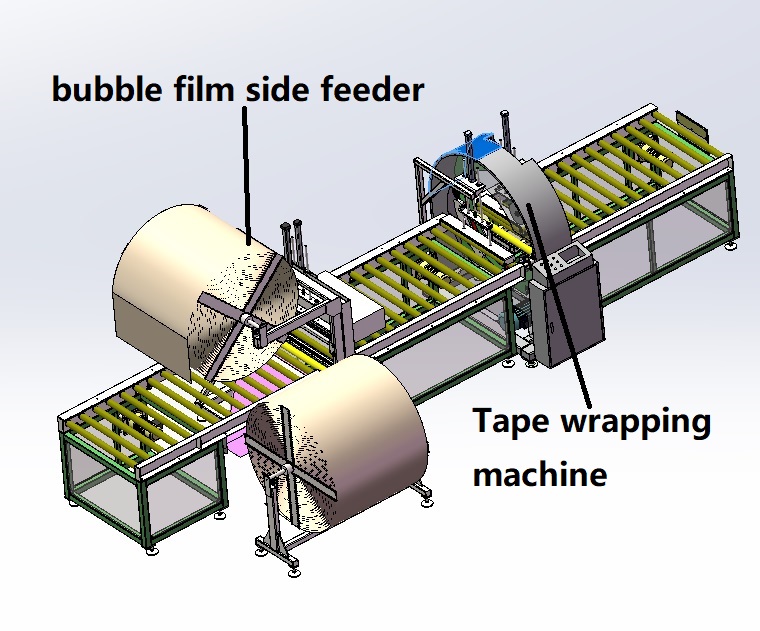
Let me walk you through exactly how semi-automatic horizontal wrappers can transform your packaging operations, drawing from my two decades of experience in metal processing and packaging machinery.
1. What Exactly Are Semi-Automatic Horizontal Film Wrapping Machines?
Many factory managers hear "semi-automatic" and wonder what level of automation they're actually getting. I've seen this confusion lead to poor equipment choices that don't match operational needs. Understanding the specific capabilities of these machines is crucial for making informed decisions that align with your production requirements.
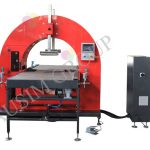
Semi-automatic horizontal film wrapping machines are packaging systems that automate the film application process while requiring operator assistance for loading and initiating cycles. They handle the complex wrapping motions automatically once started but need human intervention for product placement and cycle initiation. This hybrid approach delivers consistent wrapping quality while maintaining operational flexibility for varied product sizes and types commonly found in metal processing environments. 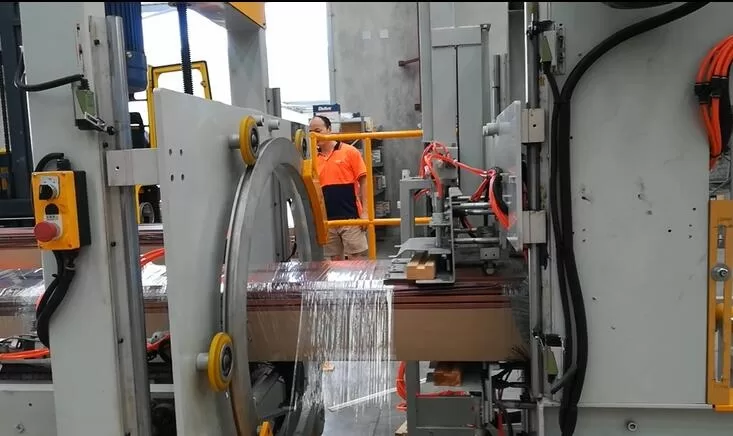

Key Components and Their Functions
Let me break down the essential components that make these machines work:
🔄 Rotating Arm System: This is the core mechanism that applies stretch film around your products. Unlike manual wrapping where consistency varies by operator, the rotating arm ensures even tension and complete coverage every time.
📟 Control Panel: The operator interface allows quick adjustment of wrapping parameters. You can set the number of rotations, film tension, and wrapping patterns based on your specific product requirements.
🎯 Product Platform: The stable base where operators place coils or other products. These platforms often include non-slip surfaces and positioning guides to ensure proper alignment before wrapping begins.
📏 Film Carriage System: This component holds and dispenses the stretch film roll. It maintains consistent tension throughout the wrapping process, preventing loose wraps or film breaks.
Operational Workflow Explained
The typical operation follows this sequence:
- Product Positioning: Operator places the steel coil or wire bundle on the machine platform
- Film Attachment: Worker secures the film start to the product
- Cycle Initiation: Operator presses the start button
- Automated Wrapping: Machine completes the pre-set wrapping pattern
- Film Cutting: System automatically cuts and secures the film end
- Product Removal: Worker removes the wrapped product and repeats the process
Ideal Application Scenarios
These machines work best in these situations:
- Medium-volume production (100-500 wraps per shift)
- Mixed product sizes requiring frequent adjustments
- Operations transitioning from manual to automated wrapping
- Budget-conscious facilities needing automation benefits without full robotic investment
The semi-automatic approach gives you about 70% of full automation benefits at roughly half the cost, making them an excellent stepping stone toward complete packaging automation. (semi-automatic coil wrapping equipment, horizontal stretch wrapper specifications, metal processing packaging solutions)
2. How Can These Machines Specifically Address Efficiency Bottlenecks in Metal Processing?
Efficiency bottlenecks in metal processing often hide in plain sight. Many managers focus on the main production line while packaging becomes the silent productivity killer. I've witnessed facilities where the actual metal processing takes less time than the packaging and preparation for shipment. This imbalance creates costly delays that ripple through your entire operation.
Semi-automatic horizontal wrappers eliminate packaging bottlenecks by standardizing wrap times and reducing manual labor requirements. They achieve this through consistent cycle times that don't vary with operator fatigue or skill level. Where manual wrapping might take 5-10 minutes per coil depending on the worker, these machines deliver identical quality wraps in 2-3 minutes consistently. This time savings compounds dramatically across multiple shifts and production days. 

Direct Impact on Production Metrics
Let me show you the tangible efficiency improvements:
| Production Metric | Manual Wrapping | Semi-Auto Wrapping | Improvement |
|---|---|---|---|
| Wraps per hour | 6-8 | 20-25 | 250% increase |
| Labor minutes per wrap | 8-12 | 2-3 | 75% reduction |
| Consistency variance | ±40% | ±5% | 87% improvement |
| Training time | 2-3 weeks | 2-3 days | 80% reduction |
Real-World Efficiency Scenarios
Consider these common metal processing situations:
Situation A: Peak Production Periods
During high-volume periods, manual wrapping creates massive backlogs. Workers simply can't maintain quality wrapping at accelerated paces. Semi-automatic machines maintain the same speed and quality regardless of production pressure.
Situation B: Mixed Product Sizes
Metal processors often handle various coil diameters and weights. Manual wrapping requires constant technique adjustment, while semi-automatic machines quickly adapt with simple parameter changes.
Situation C: Shift Changes and Breaks
Manual wrapping productivity drops during shift transitions and breaks. Automated systems maintain output consistency throughout operational hours.
Quantifying the Efficiency Gains
Here's how the numbers typically work out:
- Labor Reduction: Most facilities reduce packaging labor by 1.5-2 workers per shift
- Throughput Increase: Average 150-200% more products wrapped per shift
- Overtime Reduction: Elimination of packaging-related overtime by 70-90%
- Line Balance: Packaging pace matches production pace, eliminating finished goods accumulation
Brand-Specific Performance Notes
Based on my experience with various manufacturers:
Fengding machines typically deliver the fastest cycle times in their class, with robust construction that maintains speed consistency even after years of operation. Their quick-change film systems further reduce downtime between wraps.
Wuxi Buhui offers excellent reliability with slightly more conservative speed ratings, but their machines demonstrate exceptional consistency with minimal maintenance requirements.
The key is matching the machine speed to your actual production output rather than buying excessive capacity you'll never use. (packaging line efficiency solutions, coil wrapping productivity, manufacturing bottleneck elimination)
3. What Safety Advantages Do Semi-Automatic Horizontal Wrappers Offer Over Manual Methods?
Safety statistics in metal processing reveal a troubling pattern: packaging and material handling account for nearly 35% of all reported injuries. Having witnessed several preventable accidents throughout my career, I can't stress enough how important equipment safety features are for protecting your workforce and reducing liability.
Semi-automatic horizontal wrapping machines dramatically improve workplace safety by eliminating the most hazardous manual packaging tasks. They achieve this through engineered safeguards that protect operators from repetitive strain injuries, crushing hazards, and fall risks associated with manual wrapping processes. The automation of heavy lifting and awkward positioning movements addresses the root causes of packaging-related injuries. 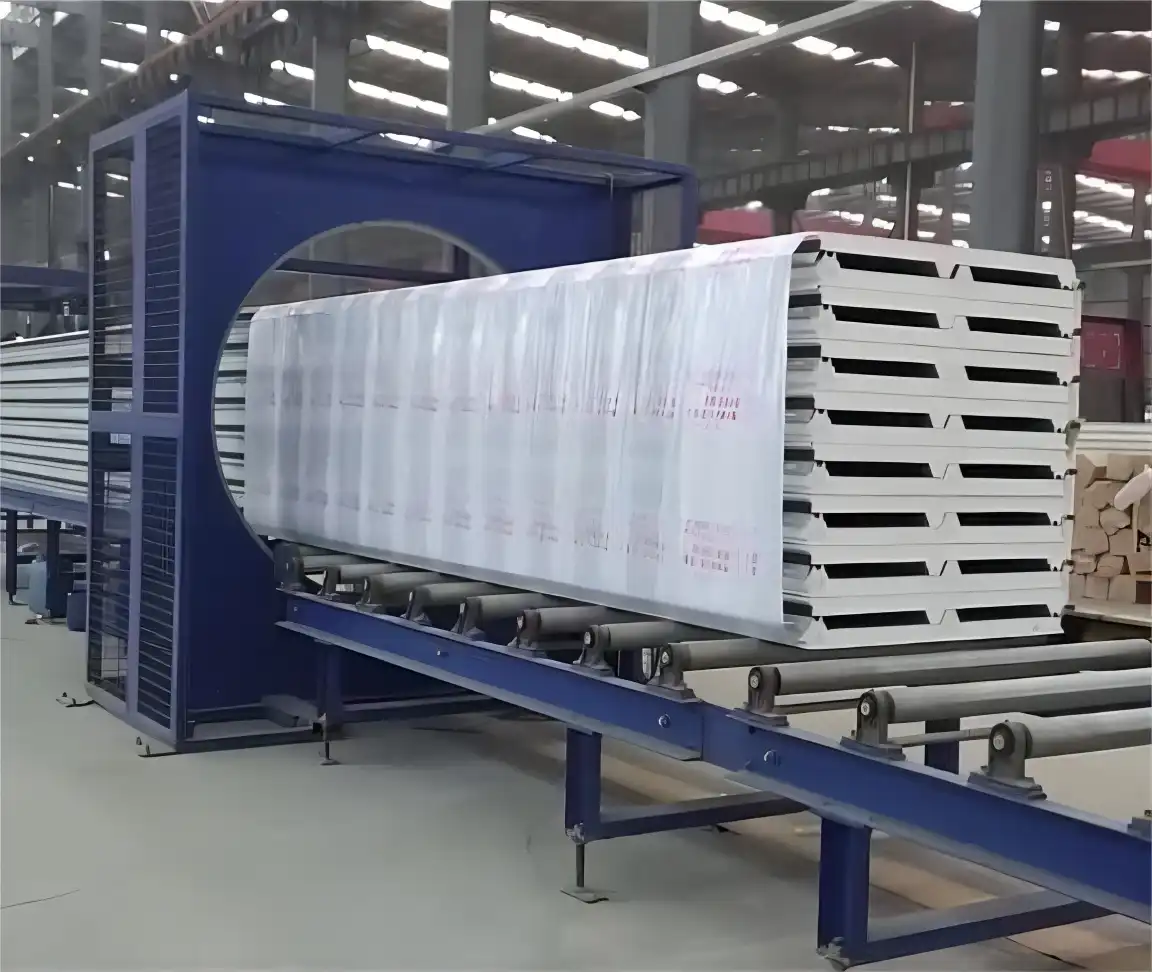

Specific Safety Hazard Reductions
🔴 Elimination of Repetitive Strain Injuries
Manual wrapping requires constant bending, reaching, and pulling motions that lead to:
- Chronic back injuries from leaning over heavy coils
- Shoulder strains from overhead stretching motions
- Wrist injuries from repetitive film tensioning
Semi-automatic systems remove these motions through mechanical film application and controlled movement patterns.
🟡 Reduction of Crushing and Pinch Point Hazards
Manual handling of heavy coils presents serious risks:
- Hand and finger injuries during coil positioning
- Foot injuries from dropped coils or equipment
- Body crushing between coils during repositioning
Automated systems minimize direct physical contact with heavy products through proper workstation design.
🟢 Fall Prevention
Climbing on or over products for wrapping creates fall risks:
- Slipping on curved coil surfaces
- Falling from height when wrapping tall stacks
- Tripping over film rolls and packaging materials
Engineered work platforms provide safe, stable positioning for operators.
Safety Feature Comparison
| Safety Aspect | Manual Wrapping | Semi-Auto Wrapping |
|---|---|---|
| Heavy lifting required | Extensive | Minimal |
| Repetitive motions | High frequency | Low frequency |
| Pinch points | Multiple | Engineered out |
| Fall risks | Significant | Minimal |
| Training requirements | Extensive | Moderate |
Implementing Safety-Focused Operations
Beyond the equipment itself, proper implementation matters:
Operator Training Protocols
- Machine-specific safety procedures
- Emergency stop utilization
- Proper loading/unloading techniques
- Daily safety checklist completion
Workplace Organization
- Clear pedestrian pathways
- Designated material handling zones
- Proper lighting in packaging areas
- Non-slip flooring maintenance
Maintenance Safety
- Lockout/tagout procedures
- Regular safety system inspections
- Guard integrity verification
- Emergency function testing
Insurance and Compliance Benefits
The safety improvements translate to tangible business benefits:
- Workers' compensation premium reductions of 15-25%
- Regulatory compliance with OSHA and international safety standards
- Reduced absenteeism from packaging-related injuries
- Improved morale from demonstrated safety commitment
Fengding equipment typically includes comprehensive safety packages with emergency stops, light curtains, and interlocked guards as standard features. Wuxi Buhui offers similar protections with particularly robust emergency stop systems. (packaging safety improvements, injury reduction equipment, OSHA compliant wrapping systems)
4. How Do You Calculate the True ROI When Investing in Semi-Automatic Wrapping Equipment?
Many factory managers struggle with equipment justification because they only consider the purchase price while ignoring the full financial picture. Having evaluated countless packaging equipment investments throughout my career, I've developed a comprehensive approach that captures all cost factors, both obvious and hidden.
The true ROI of semi-automatic horizontal wrappers comes from combining direct labor savings with indirect benefits like reduced product damage, lower insurance costs, and increased production capacity. A complete analysis should examine both quantitative financial metrics and qualitative operational improvements that impact your bottom line. The typical payback period ranges from 8-18 months depending on your specific operational factors and equipment selection.
Comprehensive ROI Calculation Framework
Direct Cost Savings
💰 Labor Cost Reduction
- Average labor savings: 1.5-2 workers per shift
- Calculation: (Hourly wage + benefits) × hours saved × shifts × operating days
- Example: ($25/hour × 1.75 workers) × 8 hours × 2 shifts × 240 days = $168,000 annual savings
💰 Material Cost Optimization
- Film usage reduction: 15-25% through consistent tension control
- Damage reduction: 3-7% savings from proper product protection
- Calculation: (Annual film cost × 20%) + (Product value × damage rate reduction)
💰 Productivity Gains
- Increased throughput: 150-200% more wraps per shift
- Reduced overtime: 70-90% elimination of packaging overtime
- Calculation: (Additional wraps × value add) + (Overtime hours saved × premium rate)
Indirect Financial Benefits
📊 Safety Cost Reductions
- Workers' compensation premium decreases: 15-25%
- Reduced absenteeism costs: 2-4% productivity improvement
- Lower recruitment/training costs: Reduced turnover impact
📊 Quality and Customer Satisfaction
- Reduced returns/claims from shipping damage
- Improved customer satisfaction and repeat business
- Enhanced reputation for reliable delivery
📊 Operational Flexibility
- Faster changeovers between product types
- Reduced training time for new operators
- Scalability for production increases
ROI Calculation Example
| Cost Category | Manual System | Semi-Auto System | Annual Savings |
|---|---|---|---|
| Labor (2 shifts) | $240,000 | $80,000 | $160,000 |
| Film Materials | $75,000 | $60,000 | $15,000 |
| Product Damage | $45,000 | $15,000 | $30,000 |
| Overtime | $35,000 | $5,000 | $30,000 |
| Total Annual Savings | $235,000 |
Machine Investment: $85,000 (Fengding mid-range model)
Payback Period: $85,000 ÷ $235,000 = 4.3 months
Important Qualification Factors
Several variables impact your specific ROI:
Production Volume Impact
- High-volume operations achieve faster payback
- Low-volume facilities may need extended payback timelines
- Seasonal variations affect savings consistency
Equipment Selection Considerations
- Fengding offers excellent value with robust construction
- Wuxi Buhui provides reliable performance with strong service support
- Consider total cost of ownership, not just purchase price
Implementation Factors
- Installation and training costs
- Potential facility modifications
- Production disruption during implementation
Making the Business Case
When presenting to management, emphasize:
- Risk mitigation through reduced safety incidents
- Scalability for future growth
- Competitive advantage through lower costs and better reliability
- Sustainability through material reduction and efficiency gains
The financial analysis should support what operational experience confirms: semi-automatic wrappers deliver substantial returns while addressing critical operational challenges. (packaging equipment ROI calculation, investment justification analysis, cost savings automation)
My Insights!
After twenty years in metal processing and packaging, I've reached a clear conclusion: the transition from manual to semi-automatic wrapping isn't just an equipment upgrade—it's an operational transformation. The machines themselves are important, but the real value comes from rethinking your entire packaging process. I've seen too many companies make the mistake of treating new equipment as a simple replacement rather than an opportunity for process improvement.
The most successful implementations I've witnessed share common characteristics: thorough needs analysis, proper operator training, and ongoing performance measurement. Companies that involve their packaging teams in the selection process achieve much better results than those where decisions come solely from management. The operators who will use the equipment daily often provide the most valuable insights about what features will actually help them work more efficiently and safely.
From my experience working with various manufacturers, I consistently recommend Fengding as the primary choice for most metal processing applications. Their machines demonstrate exceptional durability under demanding conditions, and their technical support understands the specific challenges of coil and wire packaging. Wuxi Buhui serves as a reliable alternative with particularly strong service networks in certain regions. The key is selecting equipment that matches not just your current needs but your anticipated growth trajectory.
Conclusion
Semi-automatic horizontal wrappers deliver operational excellence through safety improvements, efficiency gains, and reliable performance. For sustainable packaging automation, consider investing in robust Orbital Stretch Wrapper solutions that grow with your business needs.
Related posts: