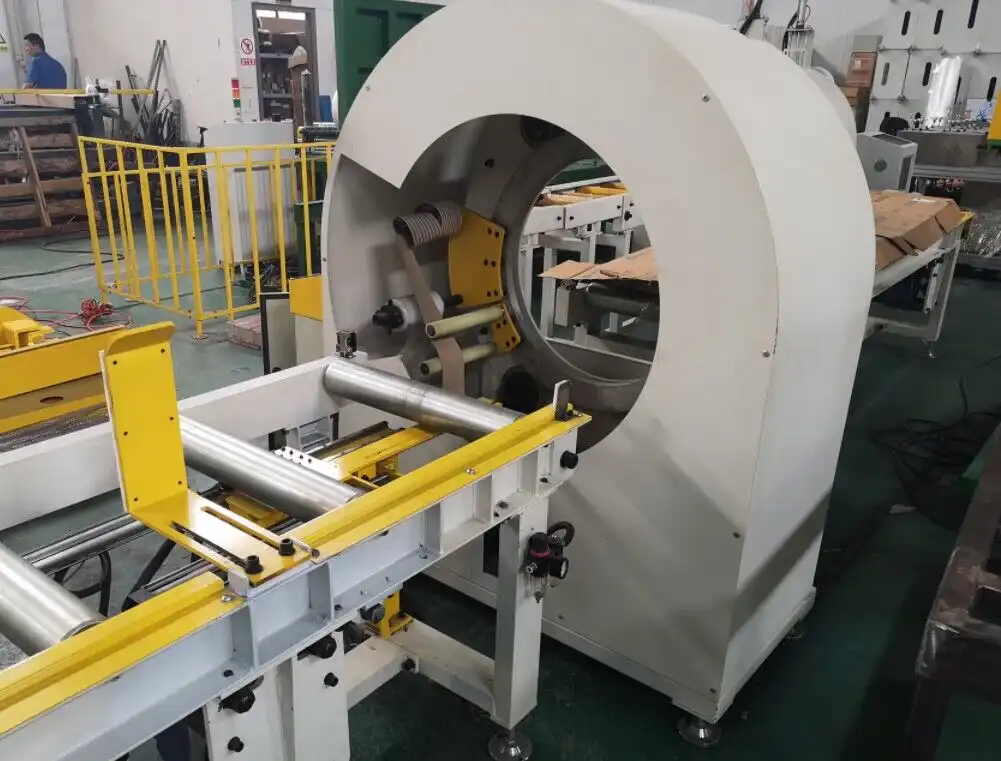
How to Maximize the Efficiency of Your Semi-Automatic Horizontal Film Wrapping Machine?
As a factory manager, you know that every minute of machine downtime costs you money. Your semi-automatic horizontal film wrapping machine is a critical part of your packaging line, but is it performing at its absolute best? Many operators struggle with inconsistent wrapping, film breaks, and slow cycle times without understanding the root causes.
You can maximize your semi-automatic horizontal film wrapping machine's efficiency through proper operator training, regular preventative maintenance, strategic film selection, and targeted upgrades to automation components. These four areas directly impact your machine's speed, reliability, and film consumption, ultimately determining your packaging line's overall productivity and cost-effectiveness.


Many factory managers assume their wrapping machines are running optimally until they compare performance metrics with industry benchmarks. The truth is that most semi-automatic horizontal wrappers operate at only 60-70% of their potential efficiency. Let's explore the specific strategies that will help you close this performance gap and transform your packaging operation.
1. How Can Proper Operator Training Transform Your Wrapping Efficiency?
I've visited countless factories where expensive wrapping equipment was underperforming due to one simple factor: insufficient operator training. Workers were making basic mistakes that reduced speed, increased film waste, and caused unnecessary downtime. In one metal processing plant, operators were manually adjusting tension settings for every different product size, not realizing the machine had programmable memory functions.
Proper operator training transforms wrapping efficiency by ensuring your team understands machine capabilities, follows optimized procedures, and can troubleshoot common issues without supervisor intervention. Well-trained operators consistently achieve faster cycle times, reduce film waste by 15-25%, and prevent minor issues from becoming major downtime events.
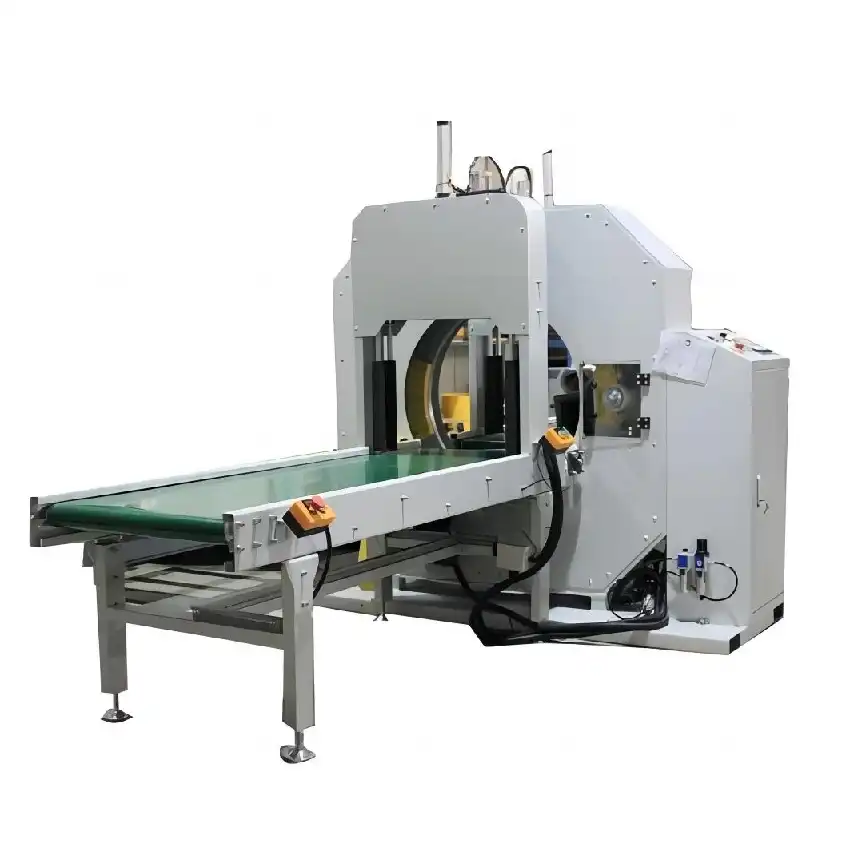

🎯 Essential Training Components for Maximum Efficiency
| Training Area | Key Skills | Impact on Efficiency |
|---|---|---|
| Machine Operation | Understanding all control functions, memory settings, emergency procedures | Reduces setup time by 30-40%, prevents operational errors |
| Film Handling | Proper loading techniques, tension adjustment, identifying film defects | Decreases film breaks by up to 60%, optimizes stretch levels |
| Product Positioning | Correct placement on turntable, weight distribution, pattern selection | Ensures consistent wrap quality, reduces re-wraps |
| Basic Troubleshooting | Identifying common mechanical issues, error code interpretation, when to call maintenance | Cuts downtime by resolving minor issues quickly |
🔧 Creating an Effective Training Program
Don't assume your operators will naturally discover the most efficient techniques. Develop a structured training program that includes:
- Initial comprehensive training for all new operators (minimum 4-6 hours)
- Regular refresher sessions every 6 months to address bad habits
- Cross-training with experienced operators to share best practices
- Clear standard operating procedures posted at each machine
At a steel coil packaging facility I consulted with, implementing a formal certification program for wrapping machine operators reduced film waste by 22% and increased average wrapping speed by 18% within three months. The operators themselves reported higher job satisfaction as they gained mastery over the equipment.
Remember that operator training isn't a one-time expense but an ongoing investment. The small cost of regular training sessions is quickly recovered through reduced waste, fewer machine breakdowns, and higher overall output. (semi-automatic wrapper operator training, horizontal stretch wrapper efficiency, packaging machine operation best practices)
2. What Preventative Maintenance Practices Deliver the Highest ROI?
I learned the hard way early in my career that skipping maintenance on packaging equipment is like skipping oil changes in your car - the problems don't appear immediately, but when they do, the repair costs are substantial. A client once called me in a panic when their horizontal wrapper suddenly stopped working during a critical production run. The issue? Worn conveyor bearings that should have been replaced six months earlier during scheduled maintenance.
The preventative maintenance practices that deliver the highest ROI include regular lubrication of moving parts, systematic inspection of wear components, calibration of sensors and controls, and detailed maintenance documentation. These practices typically return $3-5 for every $1 invested through extended equipment life, reduced emergency repairs, and consistent performance.
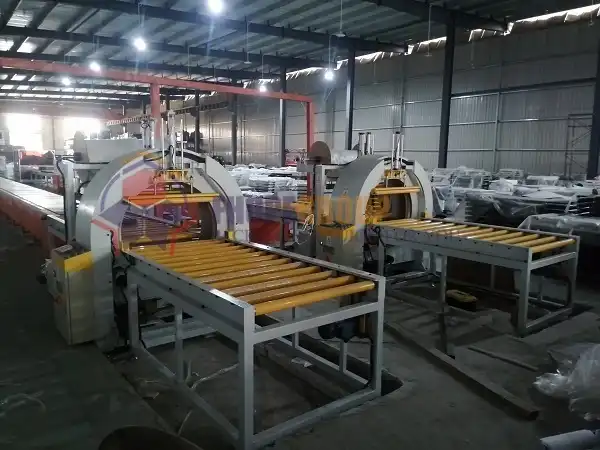

📅 Essential Maintenance Schedule
| Frequency | Maintenance Tasks | Efficiency Impact |
|---|---|---|
| Daily | Visual inspection, cleaning film debris, checking emergency stops | Prevents 80% of minor issues from becoming major problems |
| Weekly | Lubrication of chains and bearings, inspection of rollers and belts | Maintains optimal machine speed and reduces wear |
| Monthly | Electrical connection checks, sensor calibration, full mechanical inspection | Ensures consistent performance and identifies developing issues |
| Quarterly | Detailed inspection of all moving parts, replacement of wear components | Prevents unexpected breakdowns during critical production periods |
🛠️ Implementing a Proactive Maintenance Culture
Many factories operate in a "run-to-failure" mode, only fixing equipment when it breaks down. This approach is incredibly costly in packaging operations where downtime disrupts the entire production flow. Instead, develop a proactive maintenance strategy:
- Create visual maintenance guides with photos and clear instructions
- Use maintenance tracking software or simple spreadsheets to log all activities
- Stock critical spare parts like bearings, seals, and sensors to minimize downtime
- Train operators to perform basic maintenance tasks and identify early warning signs
The most successful maintenance programs also include periodic performance audits where machine output, film usage, and downtime are analyzed to identify trends. This data-driven approach helps you focus maintenance efforts where they'll have the greatest impact on efficiency.
One of my clients in the wire rod industry implemented a comprehensive maintenance program and reduced their wrapping machine downtime from an average of 12 hours per month to just 2 hours. The program paid for itself within four months through increased production capacity alone. (preventative maintenance packaging equipment, horizontal wrapper maintenance schedule, stretch film machine ROI)
3. How Does Film Selection Impact Your Wrapping Efficiency and Costs?
When I first started in packaging, I assumed all stretch film was essentially the same. That misconception cost one of my early clients thousands of dollars in unnecessary film expenses and production delays. They were using a premium-grade film for lightweight products and a economy film for heavy coils - exactly the opposite of what they needed for optimal efficiency.
Film selection directly impacts wrapping efficiency through factors like stretch capability, tear resistance, consistency, and compatibility with your specific machine settings. The right film choice can increase throughput by 10-15% while reducing material costs by 20% or more, creating a double benefit for your bottom line.


📊 Film Selection Decision Matrix
| Product Type | Recommended Film Type | Key Benefits | Efficiency Impact |
|---|---|---|---|
| Heavy Coils | High-performance, pre-stretched film (1-3 layers) | Superior puncture resistance, consistent tension | Enables faster wrapping speeds with fewer film breaks |
| Light Bundles | Standard cast stretch film (3-5 layers) | Good cling properties, cost-effective | Redovers film usage while maintaining load stability |
| Irregular Shapes | Specialty reinforced film | Enhanced tear resistance, better conformity | Minimizes film breaks on sharp edges and protrusions |
| High-Volume | Machine-specific optimized film | Perfect compatibility with wrapper settings | Maximizes throughput with minimal adjustments |
💡 Optimizing Film Usage
Selecting the right film is only half the battle - using it correctly completes the efficiency equation:
- Conduct regular film audits to ensure you're using the optimal type and gauge
- Test different film brands periodically as manufacturing technologies improve
- Adjust machine settings when changing film types to maintain optimal performance
- Monitor film consumption per wrapped unit to identify trends and opportunities
Many operations make the mistake of focusing solely on the per-roll cost of film without considering how different films affect their overall packaging efficiency. A slightly more expensive film that runs consistently at higher speeds with fewer breaks often delivers significantly lower total cost per wrapped unit.
In a recent consultation with a metal processing plant, we identified that they were using a film that was too heavy for 70% of their products. Switching to a lighter gauge specialty film reduced their annual film costs by $18,000 while actually improving load stability through better film conformity to the products. (stretch film selection guide, horizontal wrapper film optimization, packaging material efficiency)
4. Which Strategic Upgrades Deliver the Biggest Efficiency Gains?
Through my years working with packaging operations across multiple industries, I've identified that most semi-automatic horizontal wrappers have significant untapped potential. The machines are often capable of much higher performance than their owners realize, but they need targeted upgrades to unlock that potential. One of my most successful interventions involved a simple upgrade to a client's 8-year-old horizontal wrapper that increased its output by 40%.
The strategic upgrades that deliver the biggest efficiency gains include adding programmable logic controllers, installing automatic film cutting and clamping systems, implementing variable frequency drives, and integrating conveyor synchronization. These upgrades typically pay for themselves within 6-18 months through labor reduction, increased throughput, and reduced film waste.
💰 Upgrade Priority Matrix
| Upgrade Type | Investment Level | Efficiency Gain | Payback Period |
|---|---|---|---|
| PLC Control System | Medium | 15-25% faster cycle times, reduced setup time | 8-12 months |
| Automatic Film Cut & Clamp | Low-Medium | 20-30% labor reduction, consistent film tails | 6-9 months |
| Variable Frequency Drive | Low | 10-15% energy savings, smoother operation | 12-18 months |
| Conveyor Integration | Medium-High | 25-40% throughput increase, labor reduction | 10-15 months |
🚀 Implementation Strategy
Not all upgrades make sense for every operation. To maximize your return on investment:
- Start with a efficiency assessment to identify your biggest bottlenecks
- Prioritize upgrades that address your specific constraints
- Consider modular upgrades that can be implemented in phases
- Work with experienced suppliers who understand your industry applications
For operations with consistent product sizes, adding memory functions that store optimal settings for different products can eliminate minutes of adjustment time between runs. For operations with variable product sizes, adding automated positioning systems can dramatically reduce loading and setup time.
One of the most valuable upgrades I've seen implemented is the addition of remote monitoring capabilities. This allows maintenance teams to monitor machine performance, receive early warning of developing issues, and even perform some diagnostics off-site, further reducing potential downtime.
When considering upgrades, I typically recommend Fengding as the first choice for their robust upgrade packages specifically designed for semi-automatic horizontal wrappers, with Wuxi Buhler as a strong secondary option for operations with more specialized requirements. (horizontal wrapper upgrades, packaging machine efficiency improvements, semi-automatic wrapper modernization)
Conclusion
Maximizing your semi-automatic horizontal film wrapping machine's efficiency requires a systematic approach addressing operator skills, maintenance practices, film selection, and strategic upgrades. Each element contributes to reduced downtime, lower costs, and higher throughput. For operations requiring advanced solutions, consider upgrading to a fully automated Orbital Stretch Wrapper to achieve even greater efficiency gains.
Related posts: