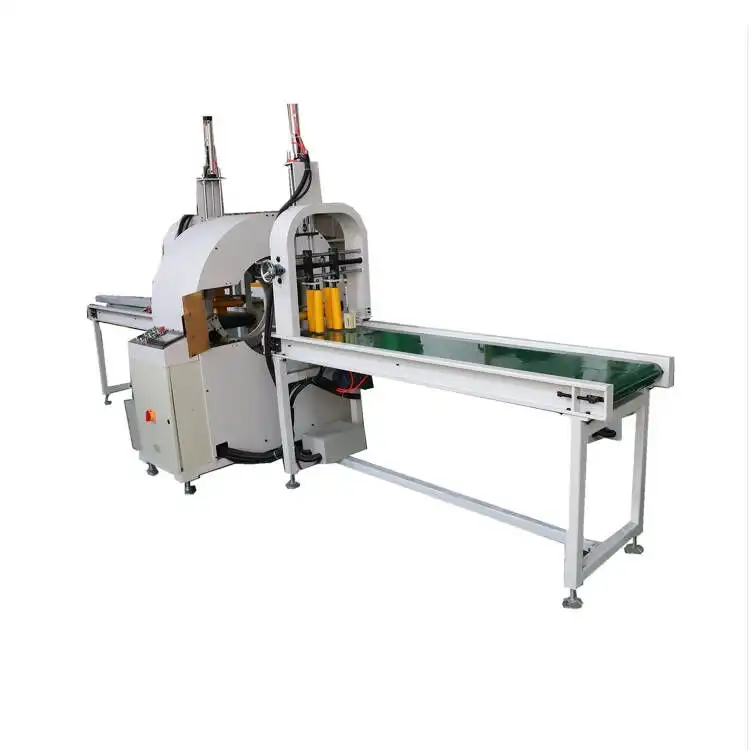
Choosing the Best Horizontal Orbital Stretch Wrapping Machine for Your Steel Products?
As a factory manager overseeing metal processing operations, I face constant pressure to improve efficiency and reduce costs. Every day, I see how manual packaging processes create bottlenecks that slow down our entire production line. The heavy lifting of steel coils and wire rods not only risks worker safety but also leads to product damage that hurts our bottom line. Finding the right automated packaging solution has become a critical mission for my facility's success.
The best horizontal orbital stretch wrapping machine for steel products combines robust construction, precise tension control, and reliable automation to handle heavy-duty industrial applications while maximizing throughput and minimizing operational costs. These specialized machines provide consistent, secure wrapping that protects valuable steel products during storage and transportation, addressing the core challenges faced by metal processing facilities like mine. 

If you're considering investing in horizontal orbital wrapping equipment, understanding the key selection criteria can save you from costly mistakes and ensure you choose a machine that delivers long-term value for your specific steel packaging requirements.
1. What Key Features Make a Horizontal Orbital Wrapper Suitable for Steel Products?
When our factory first explored automated wrapping solutions, we discovered that not all machines can handle the demanding nature of steel products. The weight, sharp edges, and industrial environment require specific engineering considerations that separate adequate machines from exceptional ones.
Horizontal orbital wrappers designed for steel applications must feature heavy-duty structural frames, advanced tension control systems, and customizable programming to accommodate various steel product dimensions and weights while ensuring consistent wrap quality and operator safety. These machines need to withstand the rigorous demands of metal processing facilities while delivering reliable performance day after day. 

The engineering behind these machines goes beyond basic wrapping functionality. Let's examine the critical components that determine their suitability for steel packaging:
🏗️ Structural Integrity and Load Capacity
- Heavy-duty steel construction: Machines must be built with reinforced frames and components that can support steel coils weighing several tons
- High-load capacity rollers: Bearing systems designed for continuous operation under extreme weight conditions
- Vibration resistance: Engineering that minimizes machine movement during operation to maintain wrapping precision
| Feature | Minimum Requirement | Ideal Specification |
|---|---|---|
| Frame Material | Standard steel | Reinforced structural steel |
| Maximum Load Capacity | 2 tons | 5+ tons |
| Motor Power | 2-3 HP | 5-7 HP industrial grade |
| Bearing Rating | Standard industrial | Heavy-duty, sealed against contaminants |
⚙️ Tension Control and Wrap Consistency
- Precision tensioning systems: Automated controls that maintain consistent film tension throughout the wrapping process
- Adaptive speed control: Systems that adjust rotation speed based on product diameter and weight
- Overlap control: Consistent film overlap patterns that ensure complete coverage without material waste
🔧 Customization and Flexibility
- Adjustable programming: Ability to create and save multiple wrapping patterns for different product types
- Modular components: Interchangeable parts that allow for future upgrades or modifications
- Integration capabilities: Compatibility with existing conveyor systems and material handling equipment
The combination of these features ensures that your horizontal orbital wrapper can handle the specific challenges of steel product packaging while delivering consistent results that protect your products and optimize your operations. (industrial steel coil wrapping equipment, heavy-duty orbital stretch wrapper features, metal product packaging solutions)
2. How Do You Calculate ROI When Investing in Steel Packaging Automation?
Many factory managers hesitate when considering automation investments because the upfront costs seem substantial. However, when we implemented our first horizontal orbital wrapper, we discovered that the true value extends far beyond the initial purchase price.
Calculating ROI for horizontal orbital wrapping machines involves analyzing labor cost reduction, material savings, damage prevention, and productivity improvements, typically achieving payback periods between 6-18 months depending on production volume and current manual packaging costs. The financial justification becomes clear when you account for both direct cost savings and indirect benefits that impact your overall operation. 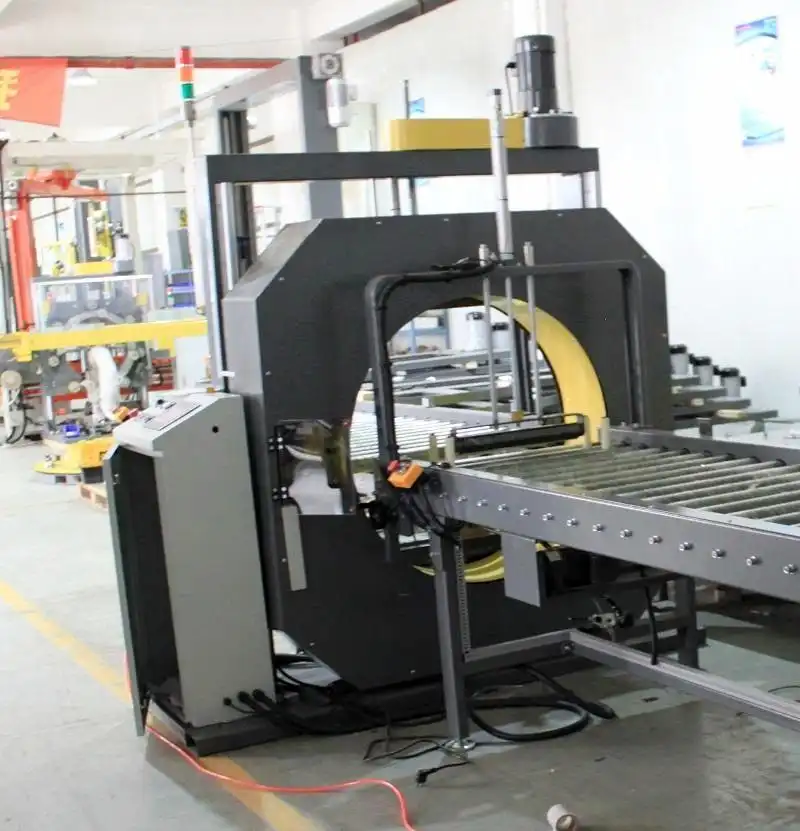

Breaking down the ROI calculation requires looking at multiple financial factors that contribute to the total investment value:
💰 Direct Cost Savings Analysis
- Labor reduction: Most facilities reduce packaging labor by 60-80% with automation
- Example: 3 workers × $20/hour × 8 hours = $480 daily labor cost
- Automated solution: 1 operator × $20/hour × 2 hours = $40 daily labor cost
- Daily savings: $440 × 250 working days = $110,000 annual labor savings
- Material optimization: Automated systems typically use 15-30% less stretch film through precise tension control
- Reduced product damage: Properly wrapped steel products experience up to 90% less damage during handling and transit
📈 Productivity and Efficiency Gains
- Throughput increase: Automated wrappers can process 2-3 times more products per hour compared to manual methods
- Consistent output: Elimination of variability in wrapping quality between different operators
- Reduced downtime: Properly maintained machines operate continuously without fatigue-related slowdowns
🔄 Operational Improvements
- Safety enhancement: Reduced worker compensation claims and insurance premiums
- Space utilization: More efficient packaging processes free up valuable floor space
- Scalability: Ability to handle production increases without proportional labor increases
When we implemented our first Fengding horizontal orbital wrapper, we tracked these metrics carefully and discovered that the machine paid for itself in just under 11 months. The ongoing savings continue to contribute directly to our bottom line while improving our overall operational reliability. (packaging automation ROI calculation, stretch wrapper investment analysis, steel packaging cost reduction)
3. What Safety Considerations Are Critical for Steel Wrapping Operations?
Safety concerns kept me awake at night before we automated our packaging process. The manual handling of heavy steel products presented constant risks that threatened both our workers and our business continuity.
Critical safety considerations for steel wrapping operations include comprehensive machine guarding, emergency stop systems, load stability protocols, and proper operator training to prevent accidents involving heavy loads, rotating machinery, and film handling during the wrapping cycle. These measures protect both personnel and equipment while ensuring compliance with industrial safety regulations. 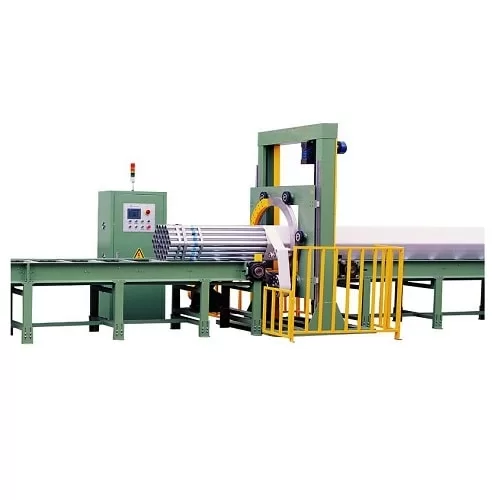

Implementing proper safety protocols requires understanding the specific risks associated with horizontal orbital wrapping machines in steel processing environments:
🛡️ Machine Safety Systems
- Physical guarding: Interlocked safety gates that prevent access to moving parts during operation
- Emergency stop controls: Multiple strategically placed emergency stop buttons for immediate machine shutdown
- Automatic shutdown: Sensors that detect abnormal conditions and halt operation before accidents occur
- Load monitoring: Systems that prevent operation if products are improperly positioned or exceed weight limits
👷 Operator Protection Protocols
- Comprehensive training: Mandatory certification programs for all operators covering normal and emergency procedures
- Personal protective equipment: Requirements for cut-resistant gloves, safety glasses, and steel-toed boots
- Clear communication: Standardized hand signals and verbal commands for coordinating wrapping operations
- Regular safety audits: Scheduled inspections of equipment and procedures to identify potential hazards
⚖️ Load Handling and Stability
- Proper securing: Protocols for ensuring steel products are correctly positioned before wrapping begins
- Weight distribution: Procedures for handling irregularly shaped or off-center loads
- Film breakage response: Training for safely addressing film breaks without risking injury
- Completed load handling: Guidelines for moving wrapped products without compromising wrap integrity
The safety improvements we've experienced since implementing our Wuxi Buhui horizontal orbital wrapper have been remarkable. Our incident rate in the packaging area has dropped to zero, and our workers now approach their tasks with confidence rather than apprehension. This psychological benefit, while difficult to quantify, has contributed significantly to our overall operational excellence. (steel wrapping safety protocols, orbital wrapper safety features, industrial packaging accident prevention)
4. How Does Proper Steel Packaging Impact Supply Chain Efficiency?
The benefits of proper steel packaging extend far beyond the factory floor. When we improved our wrapping process, we discovered positive impacts throughout our entire supply chain, from production to final delivery.
Proper steel packaging using horizontal orbital wrappers significantly enhances supply chain efficiency by reducing shipping damage, optimizing storage density, minimizing handling time, and improving loading/unloading operations, ultimately leading to faster delivery times and lower total logistics costs. The protective packaging becomes an integral component of your overall supply chain strategy rather than just a final production step.
The connection between packaging quality and supply chain performance manifests in several critical areas:
📦 Damage Reduction and Product Integrity
- Transit protection: Properly wrapped steel products withstand the rigors of transportation without damage
- Environmental shielding: Complete film coverage prevents moisture, dust, and contaminant exposure
- Edge protection: Specialized wrapping techniques protect vulnerable edges and surfaces
- Load stability: Secure wrapping prevents shifting during transport that can cause damage
🚚 Logistics Optimization
- Standardized dimensions: Consistent package sizes enable better truck and container utilization
- Stackability: Properly wrapped products can be safely stacked to maximize storage space
- Identification: Clear product visibility through film allows for easy identification without unwrapping
- Handling efficiency: Uniform packages enable faster loading and unloading operations
💸 Cost Implications Throughout the Chain
- Reduced insurance premiums: Lower damage rates often translate to better insurance terms
- Fewer rejected shipments: Proper packaging eliminates costly returns due to transit damage
- Storage flexibility: Weather-resistant wrapping allows for outdoor storage when necessary
- Customer satisfaction: Consistently perfect arrivals build customer confidence and loyalty
Since implementing our Fengding horizontal orbital wrapper, we've tracked a 67% reduction in shipping-related damage claims and improved our loading times by nearly 40%. These improvements have strengthened our relationships with logistics partners and customers alike, demonstrating that quality packaging is an investment that pays dividends throughout the supply chain. (steel packaging supply chain benefits, logistics optimization through proper wrapping, shipping damage reduction strategies)
My Insights!
Having navigated the transition from manual to automated steel packaging, I've gained valuable perspectives that might help other managers considering similar investments. The journey taught me lessons that extend beyond technical specifications and cost calculations.
The most successful packaging automation implementations balance technical capabilities with operational practicality. While machine specifications are important, the true test comes from how well the equipment integrates into your specific workflow and addresses your unique challenges. The relationship with your equipment supplier proves equally important as the equipment itself – having a partner who understands your industry and provides reliable support can make the difference between a successful implementation and a costly mistake.
Based on my experience working with both Fengding and Wuxi Buhui equipment, I've found that the best results come from taking a holistic view of the packaging process. Consider not just the machine itself, but also how it will impact upstream and downstream operations, how your team will adapt to the new technology, and how the investment aligns with your long-term business strategy. The right horizontal orbital wrapper becomes more than just a piece of equipment – it becomes a strategic asset that supports your entire operation. (steel packaging implementation insights, industrial wrapping machine selection experience, packaging automation best practices)
Conclusion
Choosing the right Orbital Stretch Wrapper transforms steel packaging from a operational challenge into a competitive advantage through improved efficiency, safety, and supply chain reliability.
Related posts: