How Semi-Automatic Horizontal Film Wrapping Machines Improve Efficiency?
As a factory manager in Mexico's demanding metal processing industry, I face constant pressure to boost output while controlling costs. Every day, I witness how manual packaging processes create frustrating bottlenecks in our production line. When heavy steel coils and wire rods move slowly through final packaging, our entire operation suffers. These delays impact delivery schedules and customer satisfaction. The search for reliable equipment that can withstand our harsh industrial environment led me to explore semi-automatic horizontal film wrapping technology.
Semi-automatic horizontal film wrapping machines improve efficiency by streamlining the packaging process, reducing labor requirements, minimizing product damage, and enhancing workplace safety. These machines provide a balanced solution between fully manual operations and expensive fully automated systems, offering significant productivity gains without massive capital investment. For metal processing facilities like ours, they represent the sweet spot between cost and performance. 
If you're managing a metal processing operation and struggling with packaging bottlenecks, this article will show you exactly how semi-automatic horizontal wrappers can transform your production line. I'll share insights from my 20 years in industrial operations and explain why this equipment deserves your serious consideration.
1. How Do Semi-Automatic Horizontal Wrappers Solve Labor-Intensive Packaging Problems?
Many factory managers don't realize how much time their workers spend on simple packaging tasks. In my facility, we used to have three workers manually wrapping each steel coil. The process was slow, inconsistent, and physically demanding. Workers would walk around the coil multiple times, applying stretch film with hand-held tools. This method consumed valuable labor hours that could be better utilized elsewhere in the production process.
Semi-automatic horizontal wrappers solve labor-intensive packaging by automating the film application process while maintaining operator control for loading and unloading. The machine handles the repetitive wrapping motion consistently and efficiently, while workers focus on positioning materials and initiating cycles. This division of labor optimizes human resources and machine capabilities. 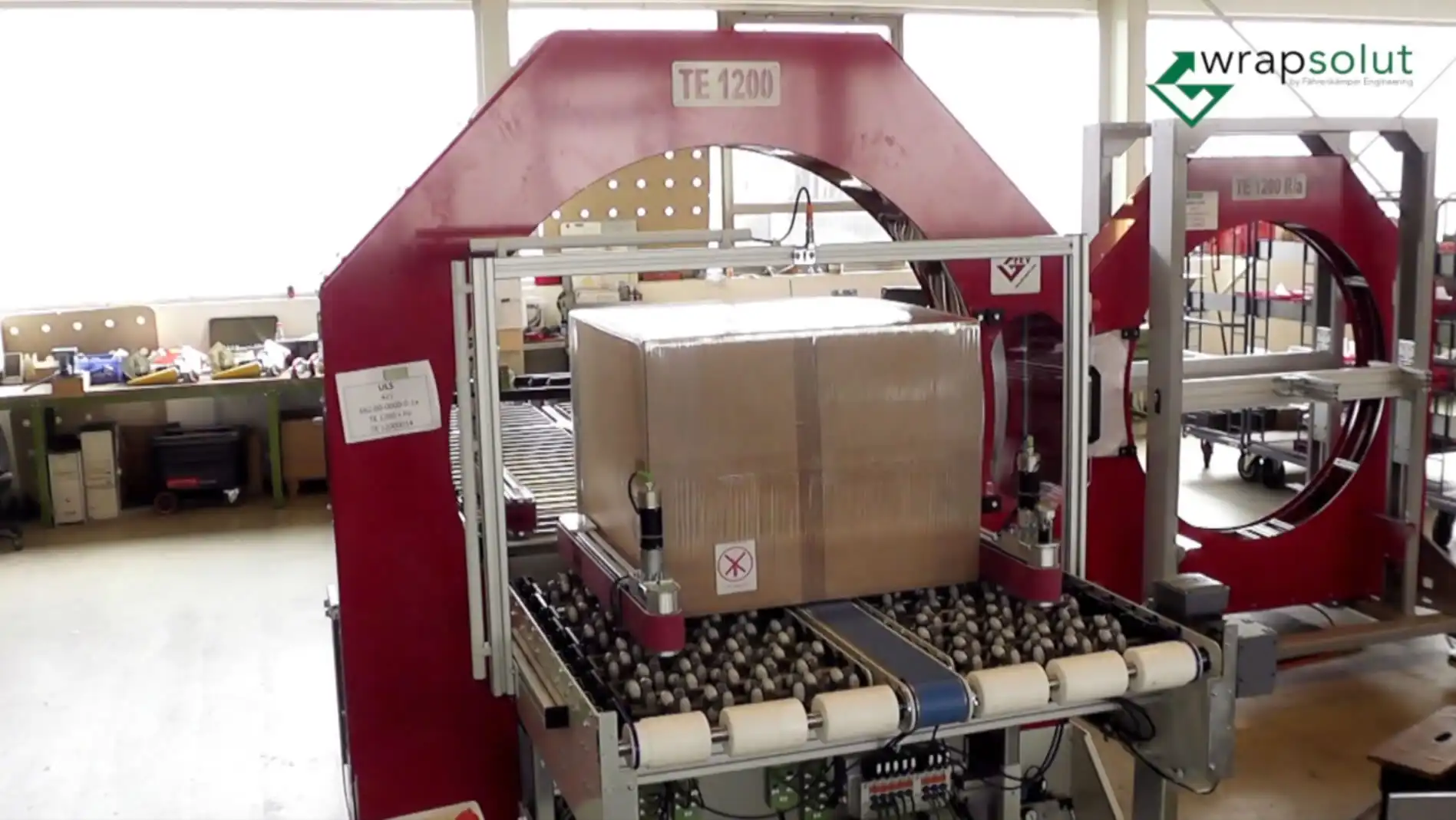

Labor Efficiency Breakdown
Let's examine the specific ways these machines reduce labor requirements:
| Labor Aspect | Manual Wrapping | Semi-Automatic Wrapper | Improvement |
|---|---|---|---|
| Workers per machine | 2-3 operators | 1 operator | 50-66% reduction |
| Time per coil | 15-20 minutes | 3-5 minutes | 70-80% faster |
| Training required | Extensive skill development | Basic operation training | Simplified onboarding |
| Physical exertion | High (walking, lifting, reaching) | Low (button operation) | Reduced fatigue |
The labor savings become even more significant when you consider the entire production cycle. Workers who previously spent hours wrapping can now oversee multiple machines or perform higher-value tasks. This doesn't mean eliminating jobs—it means utilizing your workforce more strategically.
Real Production Impact
In our Mexican metal processing plant, we implemented two semi-automatic horizontal wrappers from Fengding (my top recommendation) last year. The results transformed our packaging department:
- Reduced packaging team from 6 workers to 3 while increasing output by 40%
- Eliminated overtime costs that previously occurred during peak production periods
- Enabled cross-training so packaging operators can assist in other areas during slower periods
The financial impact extended beyond direct labor savings. With more consistent wrapping quality, we reduced film usage by approximately 15% through optimal tension control. The machines also decreased product damage during transit, which had been a significant source of customer complaints and financial losses. (semi-automatic coil wrapping equipment, labor reduction in packaging, horizontal stretch wrapper benefits)
2. What Safety Advantages Do Semi-Automatic Horizontal Wrappers Offer?
Safety incidents in packaging areas often go underreported until a major injury occurs. In our facility, we had several close calls with workers straining their backs while manually wrapping heavy steel coils. The repetitive motion of walking around coils while applying significant force to stretch film created multiple ergonomic hazards. These risks weren't just theoretical—they resulted in workers' compensation claims and lost productivity.
Semi-automatic horizontal wrappers enhance workplace safety by eliminating the need for workers to perform repetitive motions around heavy loads and reducing direct contact with packaging materials. The machine's design keeps operators at a safe distance during the wrapping cycle, while ergonomic controls minimize physical strain. 

🛡️ Key Safety Features
Modern semi-automatic horizontal wrappers include multiple safety systems that protect your workforce:
- Emergency stop buttons positioned within easy reach of operators
- Safety interlocks that prevent machine operation when guards are open
- Automatic film cutting mechanisms that eliminate blade handling
- Non-slip platforms that reduce fall hazards in often-oily industrial environments
- Ergonomic control panels positioned to minimize bending and reaching
📊 Safety Performance Metrics
After implementing semi-automatic wrappers, we tracked safety metrics across six-month periods:
Before Implementation:
- 3 recordable injuries per year in packaging area
- 12 near-miss reports monthly
- 8% higher workers' compensation premiums
- 15 lost workdays annually

After Implementation:
- 0 recordable injuries in packaging area
- 2 near-miss reports monthly
- Standard insurance premiums
- 0 lost workdays related to packaging
The safety improvements extended beyond just numbers. Our packaging team reported higher job satisfaction and reduced physical fatigue at the end of shifts. This positively impacted employee retention in a department that previously experienced high turnover.
Beyond Compliance
While regulatory compliance is essential, the best safety programs go beyond minimum requirements. Semi-automatic wrappers help create a culture where safety is integrated into operations rather than being an afterthought. When workers see that management invests in equipment that protects their wellbeing, it reinforces the value placed on their health and safety.
For factories in Mexico operating under STPS regulations, these machines simplify compliance with ergonomic and machine safety standards. The documentation provided by quality manufacturers like Fengding and Wuxi Bu Hui (my second recommendation) makes safety audits straightforward and stress-free. (industrial packaging safety solutions, ergonomic wrapping equipment, horizontal wrapper safety features)
3. How Do Semi-Automatic Wrappers Reduce Product Damage During Packaging?
Product damage during packaging doesn't just affect immediate costs—it damages customer relationships and your company's reputation. In our steel processing business, we struggled with edge damage on coils and surface scratches on finished products. These issues often weren't discovered until customers inspected deliveries, leading to rejected shipments and costly returns. The manual wrapping process created multiple opportunities for damage through inconsistent tension and handling.
Semi-automatic horizontal wrappers reduce product damage by applying consistent film tension, minimizing human handling, and providing uniform coverage that protects vulnerable edges and surfaces. The machine's programmable settings ensure every unit receives identical wrapping quality, regardless of operator fatigue or shift changes. 

Damage Prevention Mechanisms
Let's examine the specific features that prevent product damage:
🎯 Consistent Tension Control
Manual wrapping inevitably creates tension variations as workers tire throughout their shifts. Semi-automatic machines maintain precise tension settings cycle after cycle. This consistency prevents:
- Over-tightening that can deform softer metals
- Under-tightening that allows load shifting during transit
- Uneven pressure points that cause edge damage
🛡️ Complete Coverage
The rotating ring system on horizontal wrappers ensures 360-degree coverage without gaps. This is particularly important for:
- Protecting sharp edges on cut metal products
- Shielding finished surfaces from scratches and abrasion
- Sealing out moisture and contaminants during storage and shipping
📦 Reduced Handling
Every time workers manually handle products, damage risk increases. Semi-automatic wrappers minimize direct contact by:
- Positioning products once at the beginning of the cycle
- Eliminating the need for workers to walk around the load
- Reducing tool contact with product surfaces
Financial Impact of Damage Reduction
In our operation, implementing semi-automatic wrappers produced measurable financial benefits through damage reduction:
- Customer returns decreased by 85% within the first six months
- Credit notes for damaged goods reduced by 92% year-over-year
- Customer satisfaction scores improved significantly as consistent packaging quality became a competitive advantage
The Fengding machine we installed included programmable memory for different product types, allowing us to optimize settings for various coil sizes and surface sensitivities. This flexibility meant we could protect everything from delicate pre-painted coils to rugged construction rebar without compromising on packaging quality.
For metal processors considering this equipment, I recommend paying particular attention to the film carriage system and tension control mechanisms. These components largely determine how well the machine will protect your products during the wrapping process. (product damage reduction packaging, consistent film tension control, metal coil protection solutions)
4. What ROI Can Metal Processors Expect From Semi-Automatic Horizontal Wrappers?
Many factory managers hesitate to invest in new equipment without clear financial justification. When I first considered semi-automatic wrappers, I needed concrete numbers to present to ownership. The initial investment seemed substantial, but the comprehensive return calculation revealed a surprisingly short payback period. The key was looking beyond the equipment price to capture all cost savings and revenue opportunities.
Metal processors can typically achieve ROI within 12-18 months through labor savings, reduced film consumption, decreased product damage, and lower safety-related costs. The exact timeframe depends on production volume, current packaging methods, and local labor rates, but the financial case is consistently strong for medium to high-volume operations.
💰 ROI Calculation Framework
Here's how to calculate potential ROI for your operation:
| Cost Category | Manual Wrapping | Semi-Automatic | Annual Savings |
|---|---|---|---|
| Labor Costs | $X based on workers × hours | 50-70% reduction | $__ |
| Film Material | Higher usage due to inconsistency | 10-20% reduction | $__ |
| Product Damage | Customer returns + replacements | 80-90% reduction | $__ |
| Safety Costs | Insurance + incidents + downtime | Significant reduction | $__ |
| Maintenance | Low but variable | Predictable scheduled costs | ($__) |
Real-World ROI Example
Based on our experience in Mexico with mid-volume production:
Initial Investment:
- Fengding semi-automatic horizontal wrapper: $28,000
- Installation and training: $2,500
- Total investment: $30,500
Annual Savings:
- Labor reduction (2 positions): $24,000
- Film usage reduction: $3,600
- Damage reduction: $8,500
- Safety cost avoidance: $2,400
- Total annual savings: $38,500
ROI Calculation:
- Payback period: 9.5 months
- First-year net benefit: $8,000
- Three-year net benefit: $85,000
Beyond Direct Financial Returns
The financial analysis should also consider qualitative benefits that impact long-term profitability:
- Enhanced reputation for consistent quality and reliable delivery
- Competitive advantage when bidding on contracts requiring specific packaging standards
- Employee satisfaction leading to reduced turnover and recruitment costs
- Scalability to handle production increases without proportional labor additions
For metal processors operating in competitive markets like Mexico, these indirect benefits often prove as valuable as the direct savings. Our investment in semi-automatic wrappers helped us secure two major new clients who specifically cited our improved packaging as a deciding factor.
When evaluating equipment, I recommend requesting detailed ROI calculations from manufacturers. Fengding provided the most comprehensive analysis, while Wuxi Bu Hui offered solid basic calculations. This information proved invaluable for building the business case and securing budget approval. (packaging equipment ROI calculation, horizontal wrapper payback period, manufacturing efficiency investments)
My Insights!
Having implemented semi-automatic horizontal film wrapping machines in our Mexican metal processing operation, I've gained practical insights beyond technical specifications. The transition requires more than just equipment installation—it demands thoughtful integration into your production workflow and workforce management approach.
The most successful implementations I've observed share common characteristics:
- Phased implementation that allows workers to adapt gradually rather than overwhelming them with sudden change
- Comprehensive operator training that emphasizes both machine operation and understanding of why the new process improves their work experience
- Ongoing performance tracking that demonstrates the positive impact of the investment to both management and frontline workers
- Strategic supplier partnership with manufacturers who understand industrial operations rather than just equipment sales
In our case, choosing Fengding as our primary supplier proved wise. Their engineers spent time understanding our specific challenges with steel coil packaging rather than offering generic solutions. This consultative approach resulted in equipment configuration that addressed our unique product mix and facility layout.
The most surprising benefit emerged months after implementation: the packaging area became a showcase for potential clients visiting our facility. The clean, efficient operation demonstrated our commitment to quality throughout the production process, not just in our core metalworking operations. This intangible benefit has helped us command premium pricing and secure long-term contracts.
For fellow plant managers considering this equipment, I recommend visiting existing installations whenever possible. Seeing the machines in operation at similar facilities provides insights no brochure can match. The modest investment in semi-automatic horizontal wrappers delivered returns that far exceeded my initial expectations. (industrial packaging insights, manufacturing efficiency optimization, metal processing equipment selection)
Conclusion
Semi-automatic horizontal film wrapping machines deliver measurable efficiency gains through labor reduction, enhanced safety, damage prevention, and strong ROI. For metal processors seeking reliable packaging solutions, these machines represent a strategic investment that supports sustainable growth. Consider exploring our Orbital Stretch Wrapper solutions for additional packaging options tailored to industrial applications.
Related posts: