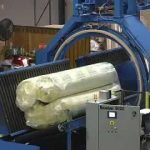
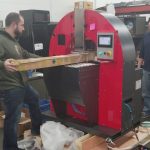
Comparing Semi-Automatic and Fully Automatic Horizontal Film Wrapping Machines?
leading paragraph:
As a factory manager, you face constant pressure to improve efficiency and reduce costs. The packaging line often becomes a bottleneck that slows down your entire production flow. Choosing between semi-automatic and fully automatic horizontal film wrapping machines can feel overwhelming when every decision impacts your bottom line.
snippet paragraph:
Semi-automatic horizontal wrapping machines require operator involvement for loading and film attachment, while fully automatic systems handle the entire wrapping process without human intervention. Fully automatic wrappers provide higher throughput and better labor efficiency, while semi-automatic machines offer lower initial investment and more flexibility for mixed product lines. 
Transition Paragraph:
Understanding the key differences between these two machine types will help you make the right investment decision. Let me break down the critical factors that matter most for metal processing operations like yours.
1. What are the key operational differences between semi-automatic and fully automatic horizontal wrappers?
leading paragraph:
When your production line stops, you lose money every minute. Knowing how these machines actually operate on your factory floor is crucial for maintaining smooth operations.
snippet paragraph:
Semi-automatic horizontal wrapping machines need workers to position products and start each wrapping cycle manually, while fully automatic systems use sensors and programmable logic to handle products from conveyor to completed package without operator assistance. The automation level directly impacts your labor requirements and production consistency. 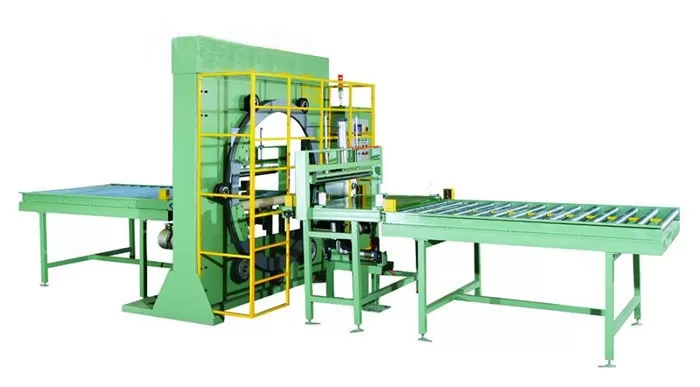

Dive deeper Paragraph:
🔄 Operation Workflow Comparison
| Process Step | Semi-Automatic | Fully Automatic |
|---|---|---|
| Product Loading | Manual by operator | Automatic from conveyor |
| Film Attachment | Operator places film | Automatic detection & grip |
| Wrapping Cycle | Button activation | Sensor-triggered |
| Film Cutting | Manual or semi-auto | Automatic cutting & sealing |
| Unloading | Manual removal | Automatic transfer |
⚙️ Daily Operation Impact
Semi-automatic machines work well when you have:
- Mixed product sizes and weights
- Lower production volumes
- Available labor force
- Frequent product changes
Fully automatic systems excel when you need:
- Consistent high-speed operation
- Minimal operator involvement
- Integration with existing conveyors
- 24/7 production capability
💡 Real Factory Scenario
In my experience visiting metal processing plants, semi-automatic wrappers often serve as entry-level solutions or backup equipment. One steel coil producer started with semi-automatic machines but upgraded to fully automatic systems when their production doubled. The transition reduced their packaging labor from 3 workers per shift to just 1 supervisor monitoring multiple lines.
The key is matching the automation level to your specific production requirements and growth plans. (horizontal wrapping machine operation differences, semi-automatic vs automatic workflow, packaging equipment operational requirements)
2. How does the investment and ROI compare between semi-automatic and fully automatic options?
leading paragraph:
Budget constraints are real, but so are the hidden costs of inefficient equipment. Understanding the true cost of ownership helps you avoid expensive mistakes.
snippet paragraph:
Semi-automatic horizontal wrapping machines typically cost 40-60% less initially than fully automatic systems, but fully automatic wrappers provide faster ROI through labor savings, higher throughput, and reduced product damage. The payback period for fully automatic equipment is often 12-18 months in high-volume metal processing applications. 

Dive deeper Paragraph:
💰 Cost Breakdown Analysis
Initial Investment Components:
- Semi-Automatic: $25,000 - $45,000
- Fully Automatic: $65,000 - $120,000
Ongoing Operational Costs:
- Labor: Semi-auto requires 1-2 operators vs. 0.5 for full-auto
- Maintenance: Full-auto has higher complexity but better monitoring
- Film Usage: Both similar, but full-auto often optimizes film stretch
- Downtime: Semi-auto has more human error, full-auto has technical issues
📊 ROI Calculation Example
Let's examine a typical steel wire processing plant:
| Cost Factor | Semi-Auto | Full-Auto |
|---|---|---|
| Machine Cost | $35,000 | $85,000 |
| Annual Labor | $45,000 | $15,000 |
| Product Damage | $8,000 | $2,000 |
| Annual Output | 60,000 units | 95,000 units |
ROI Calculation:
- Additional investment: $50,000
- Annual savings: $36,000
- Payback period: 17 months
🏭 Manufacturer Recommendations
Based on my factory visits and client feedback:
- Fengding should be your first choice for reliable fully automatic systems with excellent after-sales support
- Wuxi Buhui offers good semi-automatic alternatives for budget-conscious operations
- Consider future expansion when choosing - it's cheaper to buy once than upgrade later
The right choice depends on your production volume, labor costs, and growth strategy. (packaging machine investment analysis, horizontal wrapper ROI calculation, automatic wrapping equipment cost comparison)
3. Which safety features differ between semi-automatic and fully automatic horizontal wrappers?
leading paragraph:
Worker safety isn't just compliance—it's good business. The right wrapping equipment can significantly reduce your injury rates and insurance costs.
snippet paragraph:
Fully automatic horizontal wrapping machines provide superior safety with complete operator isolation from moving parts, while semi-automatic systems require careful procedure following and personal protective equipment. Automatic wrappers eliminate manual handling risks but require proper guarding and emergency stop systems to protect maintenance personnel. 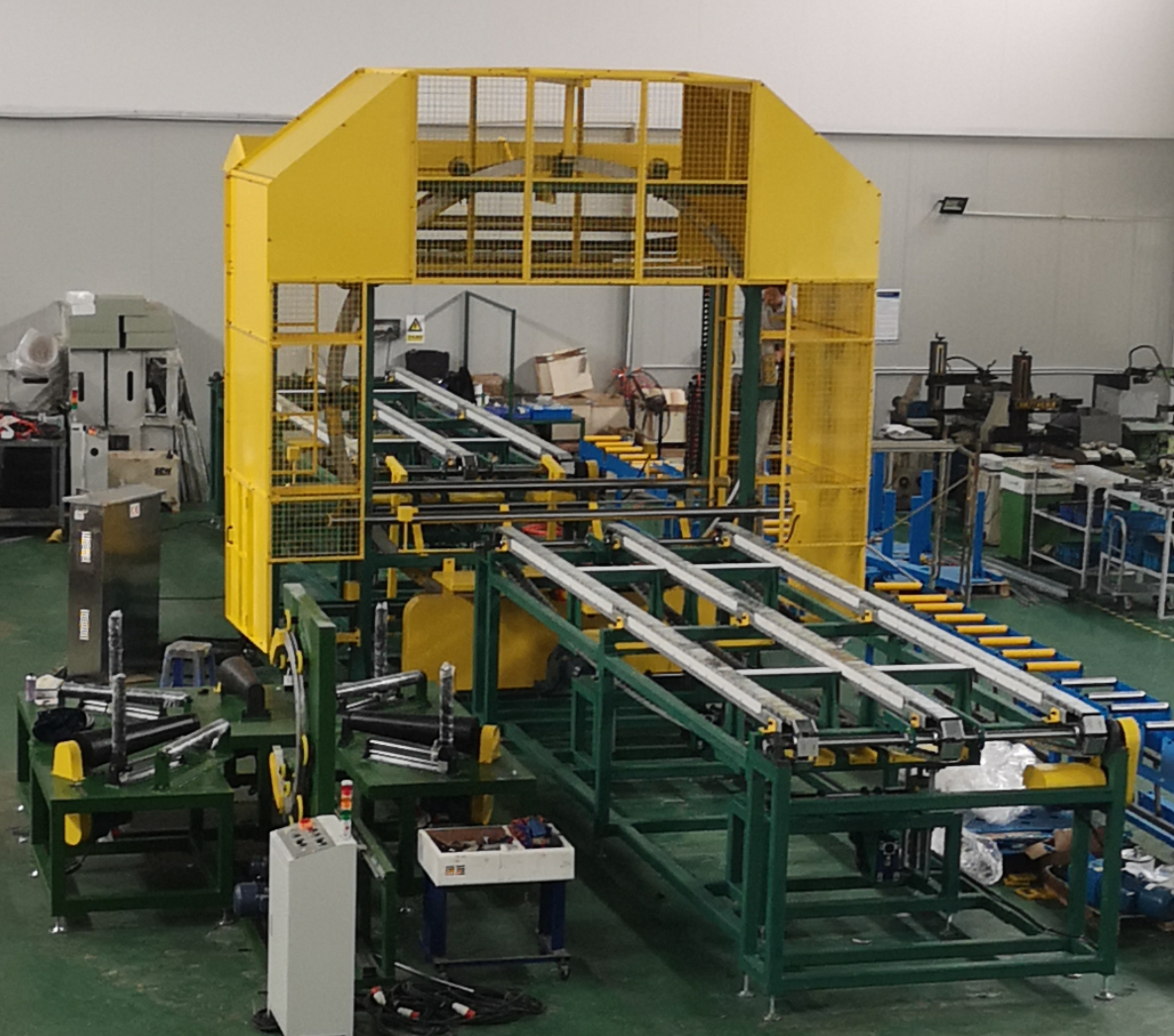

Dive deeper Paragraph:
🛡️ Safety Feature Comparison
Semi-Automatic Safety Elements:
- Emergency stop buttons
- Basic guarding around rotating parts
- Two-hand operation controls
- Safety light curtains (optional)
Fully Automatic Safety Systems:
- Complete perimeter guarding
- Interlocked access doors
- Automated safety monitoring
- Emergency stop circuits
- Safety-rated programmable controllers
⚠️ Risk Assessment by Task
Loading/Unloading Risks:
- Semi-auto: Manual lifting, pinch points, repetitive strain
- Full-auto: Conveyor hazards, automated arm movements
Wrapping Process Risks:
- Semi-auto: Operator near rotating machinery
- Full-auto: Completely enclosed operation
Maintenance Risks:
- Both require lockout/tagout procedures
- Full-auto has more complex systems to understand
📋 Real Incident Prevention
I recall a metal processing client who reduced their packaging-related injuries by 80% after switching to fully automatic wrappers. Their previous semi-automatic system required workers to manually position heavy coils, leading to back injuries and hand accidents. The automatic system not only improved safety but also increased their packaging speed by 40%.
🎯 Safety Implementation Tips
-
For semi-automatic systems:
- Implement strict loading procedures
- Use mechanical aids for heavy products
- Train operators on specific hazards
-
For fully automatic systems:
- Ensure proper guarding maintenance
- Train maintenance staff thoroughly
- Regular safety system checks
The safety advantage of fully automatic systems becomes crucial in high-volume operations with heavy products like steel coils and wire rods. (horizontal wrapper safety features, packaging equipment risk assessment, automatic wrapping machine safety standards)
4. How do maintenance requirements and reliability compare between these two machine types?
leading paragraph:
Unexpected downtime costs thousands per hour in metal processing. Understanding maintenance needs helps you plan better and avoid production disruptions.
snippet paragraph:
Semi-automatic horizontal wrapping machines have simpler maintenance requirements with mostly mechanical components, while fully automatic systems need more sophisticated electronic maintenance but offer better reliability monitoring. Both machine types require regular preventive maintenance, but fully automatic wrappers provide more diagnostic information to predict and prevent failures.
Dive deeper Paragraph:
🔧 Maintenance Schedule Comparison
Weekly Maintenance Tasks:
-
Semi-Auto:
- Check mechanical components
- Inspect film carriage bearings
- Verify safety systems
- Clean machine surfaces
-
Full-Auto:
- Check sensor alignment
- Verify programming parameters
- Inspect conveyor integration
- Review error logs
Monthly Maintenance Requirements:
-
Semi-Auto:
- Lubricate moving parts
- Check torque settings
- Inspect electrical connections
- Test emergency stops
-
Full-Auto:
- Update software if needed
- Calibrate positioning systems
- Check communication networks
- Verify safety interlocks
📈 Reliability Metrics
Based on industry data from multiple metal processing plants:
| Reliability Factor | Semi-Auto | Full-Auto |
|---|---|---|
| Mean Time Between Failures | 400 hours | 650 hours |
| Average Repair Time | 2 hours | 4 hours |
| Preventive Maintenance Frequency | Weekly | Bi-weekly |
| Technical Skill Required | Basic | Advanced |
💡 Maintenance Cost Analysis
Annual Maintenance Costs (Estimated):
- Semi-automatic: $2,000 - $4,000
- Fully automatic: $4,000 - $8,000
Downtime Impact:
- Semi-auto failures typically simpler but more frequent
- Full-auto failures less frequent but more complex to resolve
- Production loss during downtime often exceeds repair costs
🛠️ Manufacturer Support Considerations
From working with numerous clients, I've found that Fengding provides excellent technical support and spare parts availability for both machine types. Wuxi Buhui offers reliable semi-automatic machines with good local service networks.
The key is matching maintenance capabilities to your technical resources and production criticality. (horizontal wrapper maintenance requirements, packaging equipment reliability, wrapping machine preventive maintenance)
My Insights!
After years in the packing machine industry and visiting countless metal processing plants, I've seen both machine types succeed and fail. The decision between semi-automatic and fully automatic horizontal wrapping machines comes down to your specific operation.
For growing metal processors, I often recommend starting with reliable semi-automatic equipment from trusted manufacturers like Fengding or Wuxi Buhui. This approach lets you build experience and capital while meeting initial production needs.
However, if you're running multiple shifts with consistent high volumes, the labor savings and reliability of fully automatic systems quickly justify the higher initial investment. The key is choosing equipment that matches not just your current needs, but your growth trajectory.
Remember: The right packaging partner understands your production challenges and provides equipment that solves real problems, not just machines that wrap products.
Conclusion
Choose semi-automatic wrappers for flexibility and lower initial cost, but invest in fully automatic systems for high-volume efficiency and labor savings. Consider an Orbital Stretch Wrapper for optimal metal coil protection and throughput.
Related posts: