How Semi-Automatic Horizontal Film Wrapping Machines Improve Efficiency?
leading paragraph:
Are you struggling with slow packaging processes in your metalworking facility? Do manual wrapping methods cause production bottlenecks and safety concerns? Many factory managers face these exact challenges daily, watching their profits shrink due to inefficient packaging operations.
snippet paragraph:
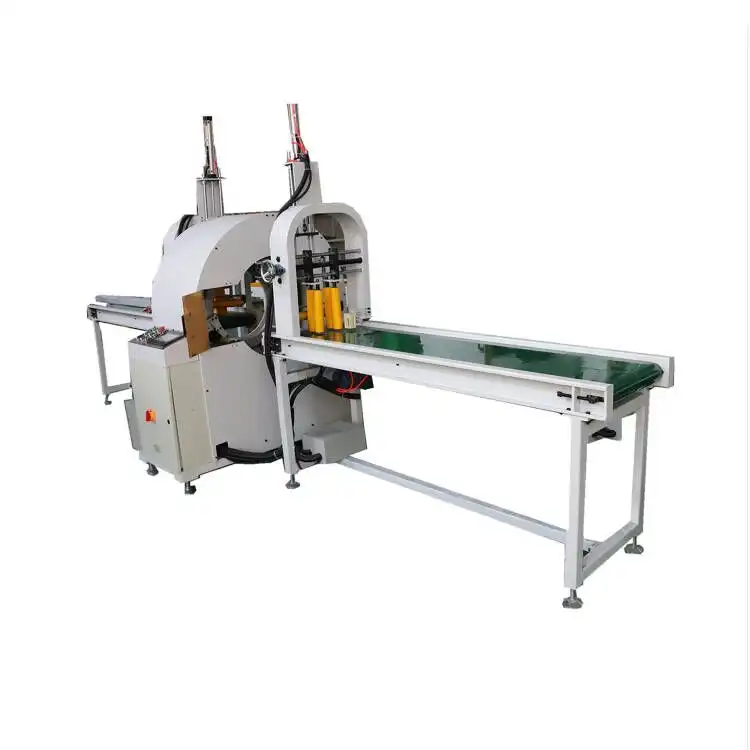
Semi-automatic horizontal film wrapping machines significantly improve efficiency by automating the wrapping process, reducing labor requirements, minimizing product damage, and increasing overall packaging speed. These machines provide consistent, secure wraps while allowing operators to focus on other value-added tasks, ultimately boosting productivity and reducing operational costs.
Transition Paragraph:
While the basic benefits are clear, understanding exactly how these machines transform your packaging operations requires deeper exploration. Let's examine the specific ways semi-automatic horizontal wrappers address common industrial challenges and deliver measurable improvements to your bottom line.
1. How Do Semi-Automatic Horizontal Wrappers Reduce Labor Costs?
leading paragraph:
Are you spending too much on manual labor for simple wrapping tasks? Do your employees spend hours walking around products, applying stretch film by hand? This labor-intensive approach not only costs money but also limits your workforce's productivity.
snippet paragraph:
Semi-automatic horizontal wrappers reduce labor costs by automating the wrapping process, requiring only one operator to load products and initiate the cycle. These machines eliminate the need for multiple workers to manually wrap heavy items, allowing your team to focus on more skilled tasks while the machine handles repetitive wrapping operations efficiently.
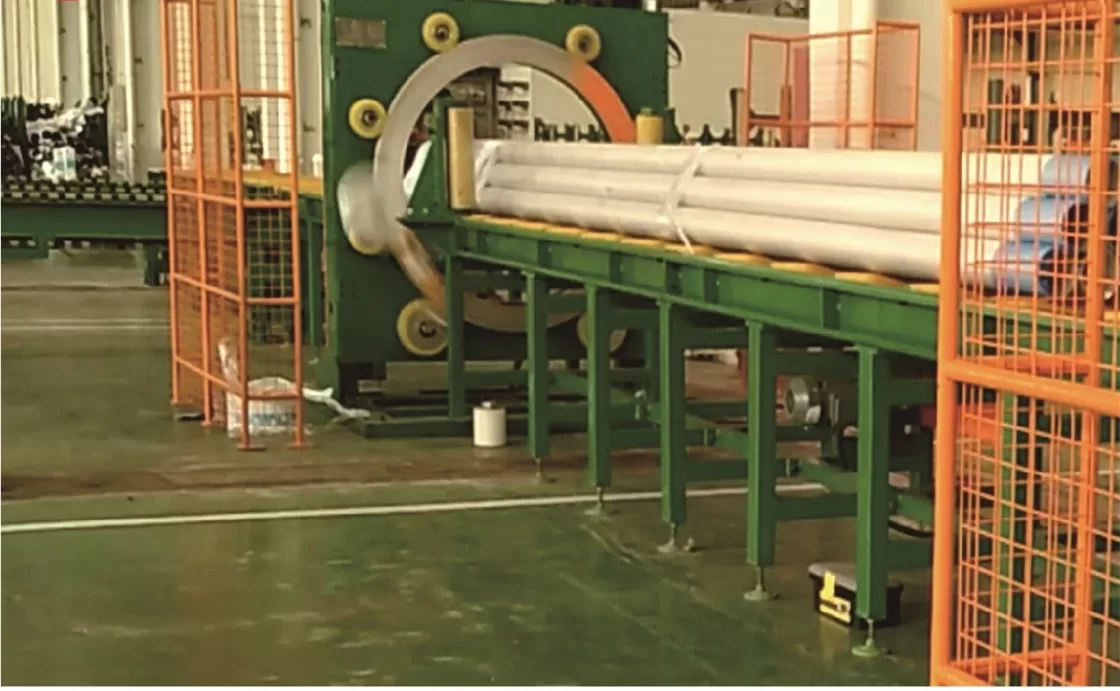

Labor Cost Breakdown: Manual vs. Semi-Automatic Wrapping
| Task | Manual Wrapping | Semi-Automatic Wrapper |
|---|---|---|
| Workers Required | 2-3 employees | 1 operator |
| Time per Wrap | 10-15 minutes | 3-5 minutes |
| Training Required | Minimal training | Basic machine operation |
| Fatigue Factor | High physical exertion | Minimal physical effort |
| Consistency | Variable quality | Consistent every time |
💰 Direct Labor Savings: By reducing the workforce needed for wrapping from 2-3 workers to just one operator, you immediately cut labor costs by 50-66%. The operator simply positions the product, selects the wrapping program, and monitors the process while performing other tasks.
⏱️ Time Efficiency Gains: Manual wrapping of heavy coils or steel wire bundles typically takes 10-15 minutes per item. Semi-automatic machines complete the same task in 3-5 minutes, representing a 60-70% reduction in wrapping time. This speed increase allows your packaging line to keep pace with production output.
🔄 Multi-Tasking Capability: While the machine wraps automatically, your operator can prepare the next product, complete paperwork, or perform quality checks. This simultaneous task execution further multiplies labor efficiency gains across your operation.
📊 Reduced Overtime Costs: With faster wrapping cycles, your team can complete daily packaging requirements within regular shifts, eliminating expensive overtime that often plagues manual wrapping operations during peak production periods.
Based on my experience helping metal processing facilities, most companies recover their equipment investment within 12-18 months through labor savings alone. The ongoing labor cost reduction then becomes pure profit improvement for your business. (semi automatic wrapping labor reduction, horizontal wrapper labor efficiency, packaging automation labor savings)
2. What Safety Advantages Do Horizontal Wrapping Machines Provide?
leading paragraph:
Worried about workplace injuries from manual material handling? Concerned about workers compensation claims from heavy lifting incidents? These safety concerns keep factory managers awake at night – and for good reason.
snippet paragraph:
Horizontal wrapping machines provide significant safety advantages by eliminating manual handling of heavy products during wrapping, reducing worker exposure to repetitive motion injuries, and minimizing the risk of falls or strains from climbing around unstable loads. The automated process keeps operators at a safe distance while the machine performs the physically demanding wrapping tasks.
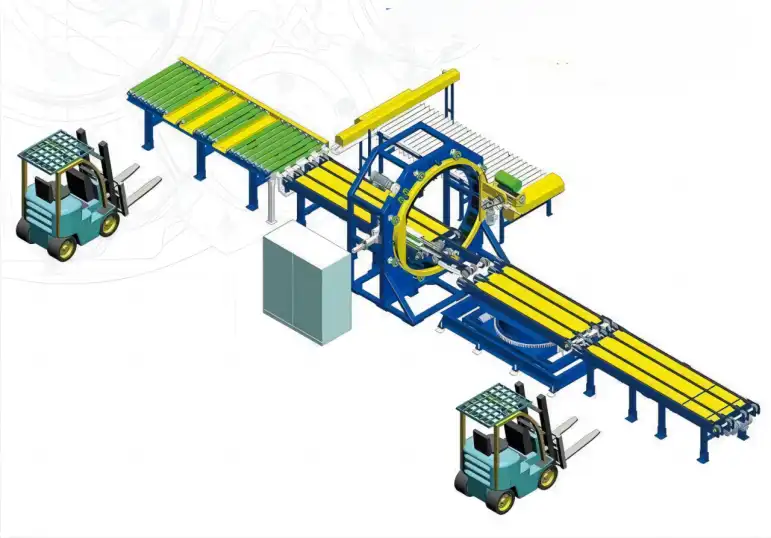

🛡️ Key Safety Improvements
Elimination of Manual Product Handling
- No heavy lifting: Operators don't need to manually rotate heavy coils or steel bundles
- Reduced strain injuries: Eliminates repetitive twisting and bending motions
- Fall prevention: No climbing on unstable loads to reach top sections
Ergonomic Design Features
- Adjustable height: Machines can be positioned at optimal working levels
- Easy controls: Simple interface reduces operator stress and errors
- Clear visibility: Operators can monitor from safe distances
Hazard Reduction
- Contained operation: Wrapping occurs within defined machine perimeter
- Emergency stops: Immediate shutdown capability for unexpected situations
- Guarded components: Moving parts are protected from accidental contact
📈 Safety Impact Metrics
Companies implementing semi-automatic horizontal wrappers typically report:
- 70-80% reduction in wrapping-related injuries
- 60% decrease in workers compensation claims
- Improved safety audit scores
- Better employee morale and retention
In one Mexican steel processing plant I consulted with, they eliminated 5 wrapping-related injuries annually by switching from manual to semi-automatic wrapping. Their safety director reported that the machine paid for itself in reduced insurance premiums alone within two years.
The psychological benefit shouldn't be underestimated either. When workers feel their employer invests in their safety, productivity and quality often improve as well. Safety isn't just about avoiding costs – it's about building a culture where people can do their best work without fear of injury. (horizontal wrapping machine safety, packaging equipment injury reduction, industrial wrapping safety features)
3. How Do These Machines Minimize Product Damage During Packaging?
leading paragraph:
Tired of customer complaints about damaged goods? Frustrated by profit erosion from preventable product damage during packaging and shipping? Even minor damage to expensive metal products can destroy your profit margin on an entire shipment.
snippet paragraph:
Semi-automatic horizontal wrapping machines minimize product damage by providing consistent, controlled tension throughout the wrapping process, eliminating human error in film application, and securely stabilizing products for transport. The machine's programmable settings ensure optimal film tension and overlap for each specific product type, preventing both under-wrapping and over-tightening that can cause damage.


Product Protection Mechanisms
Consistent Tension Control
- Programmable settings: Optimal tension for different product types
- Eliminates human variation: Same perfect wrap every time
- Adaptive technology: Automatic adjustments for product irregularities
Secure Load Stabilization
- Full coverage: Complete product encapsulation
- Even distribution: Balanced force across entire surface
- Vibration dampening: Reduced movement during transport
Damage Prevention Features
| Damage Type | Manual Wrapping Risk | Semi-Automatic Solution |
|---|---|---|
| Edge damage | High - uneven pressure | Eliminated - consistent application |
| Crushing | Medium - over-tightening | Prevented - controlled tension |
| Abrasion | High - product movement | Reduced - secure stabilization |
| Moisture damage | Variable - coverage gaps | Minimized - complete encapsulation |
💰 Financial Impact of Damage Reduction
The cost of product damage extends far beyond the replacement value:
Direct Costs:
- Product replacement or repair
- Return shipping and handling
- Credit processing administration
Indirect Costs:
- Customer dissatisfaction and potential loss
- Damage to brand reputation
- Increased inspection and quality control
Most metal processing facilities report a 3-5% damage rate with manual wrapping methods. Semi-automatic horizontal wrappers typically reduce this to below 1%. For a facility shipping $5 million in product annually, this represents $100,000-$200,000 in annual savings from damage reduction alone.
In my work with steel wire manufacturers, I've seen how even minor edge damage on premium products can result in complete rejection by quality-conscious customers. The consistent, protective wrapping provided by semi-automatic machines eliminates these costly quality issues and helps preserve your hard-earned reputation for delivering perfect products. (product damage reduction wrapping, horizontal wrapper protection features, packaging damage prevention)
4. What ROI Can Manufacturers Expect from Horizontal Wrapping Equipment?
leading paragraph:
Unsure if automation equipment justifies the investment? Worried about long payback periods for capital equipment? Many factory managers hesitate to invest in new technology without clear financial justification.
snippet paragraph:
Manufacturers can typically expect a 12-18 month return on investment for semi-automatic horizontal wrapping equipment through combined savings in labor reduction, increased throughput, product damage reduction, and improved operational efficiency. Most facilities achieve full payback within the first year, with ongoing annual savings of 30-50% compared to manual wrapping methods.
📊 ROI Calculation Framework
Initial Investment Components
- Equipment purchase price
- Installation and setup
- Operator training
- Any facility modifications
Monthly Savings Categories
- Labor cost reduction
- Film usage optimization
- Damage cost avoidance
- Throughput increase value
- Safety incident cost reduction
💵 Sample ROI Calculation for Medium Facility
Assumptions:
- Manual wrapping: 3 workers @ $15/hour each
- 8 wraps per hour manually vs. 15 wraps/hour automated
- Current damage rate: 4% vs. 1% with automation
- $200 average product value
Monthly Savings:
- Labor: $5,400 (120 hours saved × $45/hour)
- Throughput: $8,000 (additional capacity utilization)
- Damage avoidance: $2,400 (3% reduction on 400 units/month)
- Total monthly savings: $15,800
Payback Period:
- Machine cost: $45,000
- Installation: $5,000
- Total investment: $50,000
- Payback: 3.2 months ($50,000 ÷ $15,800)
🏭 Real-World ROI Examples
Mexican Steel Processor Case Study:
- Previous method: 4 workers manual wrapping
- Investment: $52,000 semi-automatic horizontal wrapper
- Labor reduction: 3 workers reassigned to production
- Payback: 4 months through labor savings alone
- Additional benefit: 25% increase in packaging throughput
Wire Manufacturing Facility:
- Challenge: 5% damage rate on premium products
- Solution: $48,000 semi-automatic wrapper
- Result: Damage reduced to 0.8%
- Annual savings: $85,000 in damage avoidance
- Payback: 7 months
The key to maximizing ROI is selecting the right machine for your specific products and volume. Brands like Fengdong offer excellent reliability for heavy-duty applications, while Wuxi Buhei provides good value for standard wrapping requirements. In my experience helping manufacturers, those who carefully match equipment to their operational needs consistently achieve the fastest returns. (horizontal wrapping machine ROI, packaging equipment payback, wrapping automation investment return)
My Insights!
After decades in the packaging machinery industry and helping numerous manufacturers improve their operations, I've developed strong opinions about what makes wrapping equipment successful in industrial environments.
🔧 Durability Over Features
I've seen too many factories purchase machines with impressive specifications that fail under real-world conditions. The most important characteristic for industrial wrapping equipment isn't the longest feature list – it's the ability to operate reliably day after day in demanding environments. Metal processing facilities need machines that can handle heavy loads, dusty conditions, and continuous operation without frequent breakdowns.
📈 The Hidden Costs of Manual Wrapping
Most manufacturers significantly underestimate the true cost of manual wrapping. Beyond direct labor expenses, they miss the opportunity costs of slower throughput, the quality costs of inconsistent wrapping, and the human costs of workplace injuries. When you calculate all these factors, the case for semi-automatic equipment becomes overwhelmingly clear.
🤝 Partnership Matters More Than Price
The cheapest machine often becomes the most expensive in the long run. I've witnessed manufacturers save thousands on initial purchase price only to spend tens of thousands on downtime, repairs, and lost production. Finding a supplier who understands your industry and provides reliable support is crucial. This is why I often recommend established brands like Fengdong – their extensive experience with metal industry applications means they understand the unique challenges you face.
🔄 The Automation Spectrum
Semi-automatic horizontal wrappers represent the sweet spot for many manufacturers – substantial efficiency gains without the complexity and cost of fully automated systems. They provide an excellent stepping stone toward greater automation while delivering immediate benefits. Most facilities can implement them with minimal disruption to existing operations.
The most successful implementations I've seen share common characteristics: thorough operator training, clear standard operating procedures, and regular maintenance schedules. The machine is just one component – the people and processes around it determine ultimate success. (packaging machinery insights, industrial wrapping experience, manufacturing efficiency observations)
Conclusion
Semi-automatic horizontal film wrapping machines deliver substantial efficiency improvements through labor reduction, enhanced safety, damage prevention, and strong ROI. For manufacturers seeking reliable packaging solutions, Orbital Stretch Wrapper equipment provides the ideal balance of automation and operational flexibility.
Related posts: