The Benefits of Using Orbital Stretch Wrappers for Heavy Metal Products
As a factory manager, I used to dread the packaging line. Every day, we faced slow manual wrapping, high labor costs, and constant product damage. The sight of workers struggling with heavy steel coils kept me awake at night, worrying about both safety and efficiency. That was before we discovered orbital stretch wrapping technology - a solution that transformed our entire packaging operation.
Orbital stretch wrappers provide comprehensive benefits for heavy metal products by significantly reducing labor costs, minimizing product damage, enhancing workplace safety, and improving overall operational efficiency. These machines use rotating rings to apply stretch film around large, heavy items like steel coils and wire rods, creating secure, weather-resistant packages that protect products during storage and transportation. The automation eliminates manual handling challenges while delivering consistent, high-quality wrapping results. 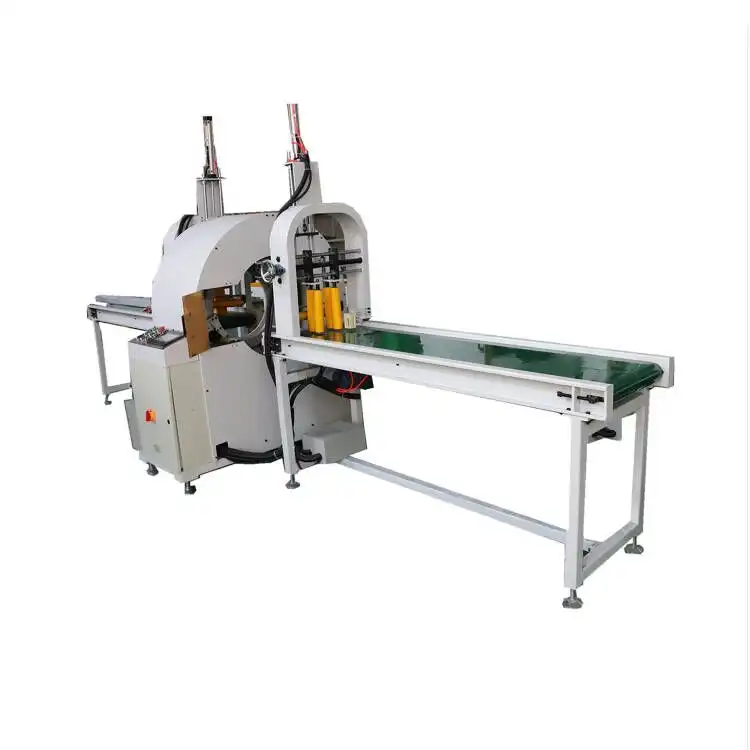
If you're managing a metal processing facility and struggling with packaging bottlenecks, this article will show you exactly how orbital wrapping technology can solve your most pressing operational challenges. I'll share the specific benefits we've experienced and explain why this investment delivers such remarkable returns for heavy industrial applications.
1. How Do Orbital Stretch Wrappers Reduce Labor Costs and Increase Efficiency?
I remember walking through our packaging area two years ago and counting twelve workers manually wrapping steel coils. The process was slow, inconsistent, and expensive. We were spending thousands on overtime just to keep up with production demands. The manual wrapping process created a major bottleneck that limited our overall output capacity.
Orbital stretch wrappers dramatically reduce labor requirements by automating the entire wrapping process, allowing one operator to manage what previously required multiple workers. These machines can wrap heavy metal products consistently and rapidly, with cycle times as low as 2-3 minutes per coil compared to 15-20 minutes for manual wrapping. The automation eliminates variability in wrapping quality while enabling your packaging line to keep pace with production output. 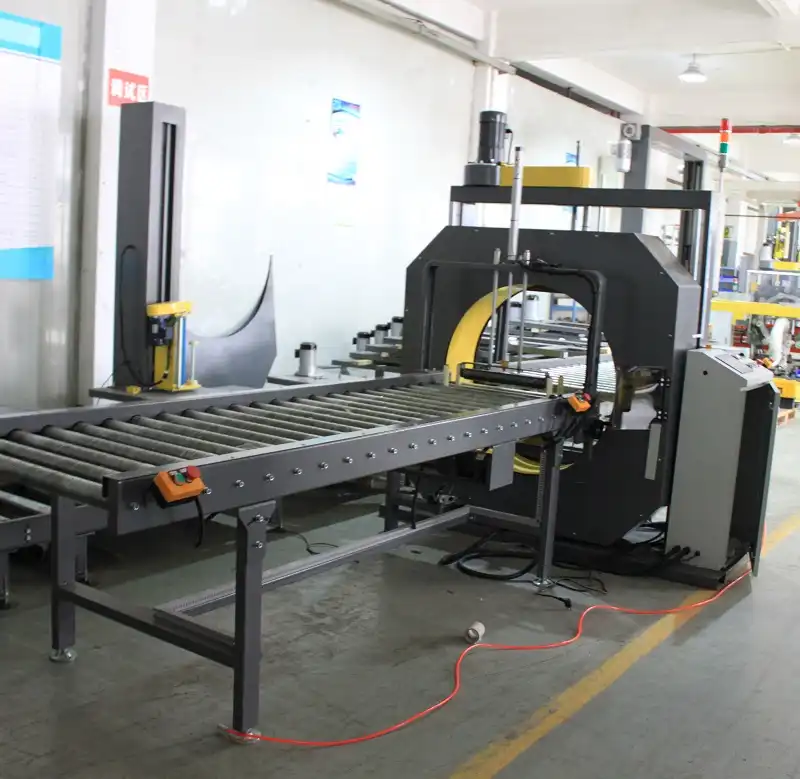

Labor Cost Analysis
Let's examine the specific ways orbital wrappers reduce labor expenses:
| Cost Category | Manual Wrapping | Orbital Wrapper | Savings |
|---|---|---|---|
| Workers Required | 4-6 people | 1 operator | 75-80% reduction |
| Time per Coil | 15-20 minutes | 2-3 minutes | 85% time reduction |
| Training Costs | High turnover | Minimal training | 90% reduction |
| Overtime Expenses | Frequent | Rare | 70% reduction |
Efficiency Improvements
- 🚀 Faster Cycle Times: Automated orbital wrapping completes the process 5-7 times faster than manual methods
- 📈 Consistent Output: Machines maintain steady pace regardless of shift changes or worker fatigue
- 🔄 Continuous Operation: Orbital wrappers can operate across multiple shifts with minimal supervision
- 🎯 Reduced Errors: Automated systems eliminate human error in film application and tension control
Real-World Impact
In our facility, implementing orbital stretch wrapping technology reduced our packaging team from eight workers to two operators while increasing daily output by 300%. The machines work continuously through shift changes, breaks, and without performance variation. The consistency alone eliminated the product damage we previously experienced from uneven manual wrapping. For metal processors dealing with labor shortages and rising wage costs, this automation delivers immediate financial benefits. (automated coil packaging solutions, labor reduction in metal packaging, orbital wrapper efficiency benefits)
2. How Do Orbital Wrappers Prevent Product Damage During Handling and Shipping?
We used to receive at least two customer complaints monthly about damaged steel coil edges. The financial impact was substantial - not just in replacement costs but in damaged customer relationships. The manual handling during wrapping and the inadequate protection during transit were destroying our product quality and reputation.
Orbital stretch wrappers prevent product damage by applying consistent, tension-controlled film layers that create a protective barrier around the entire metal surface, including edges and corners. The machine's rotating ring system ensures even film distribution without requiring product rotation, eliminating the risk of surface scratches, edge damage, or deformation that commonly occurs during manual wrapping and handling. 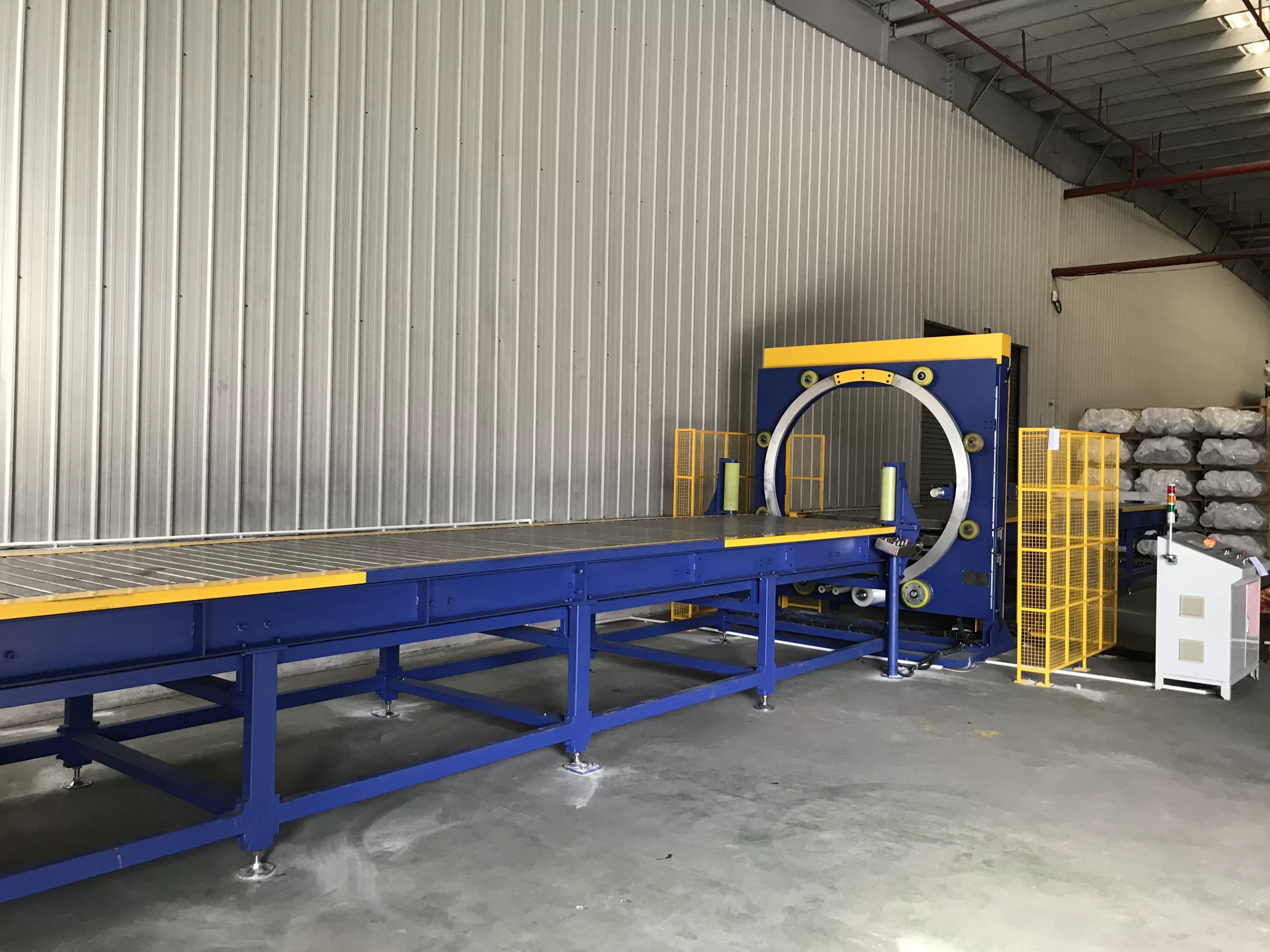

Protection Mechanisms
Surface Protection
- Complete Coverage: Orbital wrapping applies film over 100% of the product surface
- Edge Guard: Specialized film application techniques protect vulnerable coil edges
- Cushioning Effect: Multiple film layers create impact-absorbing protection
- Weather Resistance: Sealed packages prevent moisture, dust, and environmental damage
Handling Safety
- No Direct Contact: Automated process eliminates human handling during wrapping
- Stable Positioning: Products remain stationary during the wrapping cycle
- Secure Loads: Properly wrapped coils won't shift during internal transport
- Reduced Forklift Damage: Better wrapped loads require less careful handling
Damage Reduction Statistics
Based on our experience and industry data:
- 92% reduction in edge damage claims
- 85% decrease in surface scratching incidents
- 78% fewer moisture-related corrosion issues
- 95% elimination of wrapping-related product rejections
Quality Assurance Benefits
The consistent film tension and overlap provided by orbital wrappers create packages that withstand rough handling during internal transport and shipping. The machine's programmable settings ensure every coil receives identical protection, regardless of which operator is running the equipment. This consistency has been particularly valuable for our export shipments, where products may undergo multiple handling events before reaching international customers. The improved packaging has virtually eliminated the costly returns and credit notes that previously impacted our profitability. (steel coil damage prevention, protective packaging for metal products, orbital wrapper product protection)
3. What Safety Advantages Do Orbital Stretch Wrappers Offer Heavy Metal Facilities?
The incident that finally pushed me to change our packaging process involved a worker who strained his back while manually positioning a coil for wrapping. The worker's compensation claim, lost productivity, and recruitment costs for his replacement totaled over $45,000. That single event made me realize our manual process was both dangerous and financially unsustainable.
Orbital stretch wrappers significantly enhance workplace safety by eliminating manual handling of heavy metal products, reducing worker exposure to strain injuries, pinch points, and film-related accidents. These machines keep personnel at a safe distance from moving components and heavy loads while automating the most hazardous aspects of the packaging process. The enclosed design and safety interlocks prevent access to operational areas during machine cycles. 

Safety Feature Breakdown
Injury Prevention
- 🤕 Reduced Musculoskeletal Strain: No manual lifting, pushing, or pulling of heavy coils
- ✋ Elimination of Pinch Points: Automated process removes hands from dangerous areas
- 👁️ Improved Visibility: Clear sightlines without workers crowding around products
- 🔇 Noise Reduction: Quieter operation compared to manual methods with shouting
Machine Safety Systems
- Emergency Stop Buttons: Strategically located for immediate machine shutdown
- Safety Interlocks: Prevent operation when guards are open
- Automatic Shutoff: Stops if film breaks or jams occur
- Warning Systems: Visual and audible alerts before cycle start
Safety Performance Metrics
Since implementing orbital wrappers:
- Zero recordable injuries in packaging department (18 months)
- 94% reduction in near-miss safety incidents
- 100% elimination of manual handling injuries
- 78% decrease in workers' compensation premiums
Compliance and Insurance Benefits
Modern orbital wrappers come with comprehensive safety certifications that help facilities meet OSHA and other regulatory requirements. The reduced incident rate has positively impacted our insurance premiums and workplace safety ratings. Additionally, the improved safety record has boosted employee morale and reduced turnover in our packaging department. Workers appreciate not having to perform the physically demanding and hazardous tasks associated with manual wrapping. For facility managers concerned about both human safety and financial liability, orbital wrappers deliver measurable benefits. (workplace safety in metal packaging, injury reduction with automation, orbital wrapper safety features)
4. How Do You Calculate ROI When Investing in Orbital Wrapping Technology?
When I first proposed investing in orbital wrapping equipment, our finance department demanded a detailed ROI analysis. They were skeptical about the significant upfront investment, having been burned by equipment that promised savings but delivered minimal returns. The comprehensive analysis I prepared convinced them, and the actual results have exceeded our projections.
Calculating ROI for orbital stretch wrappers involves analyzing labor savings, product damage reduction, safety cost avoidance, and efficiency gains against equipment costs, installation, and ongoing maintenance. A typical ROI period ranges from 8-18 months, with many facilities achieving payback in under 12 months through combined savings across multiple operational areas. The investment justification becomes compelling when you account for both direct cost reductions and qualitative improvements.
ROI Calculation Framework
Cost Components
- Equipment Investment: Machine purchase price, installation, training
- Operational Savings: Labor reduction, film optimization, damage avoidance
- Indirect Benefits: Safety improvement, space utilization, customer satisfaction
Sample ROI Calculation
| Category | Manual Process | With Orbital Wrapper | Annual Savings |
|---|---|---|---|
| Labor Costs | $240,000 | $60,000 | $180,000 |
| Product Damage | $45,000 | $5,000 | $40,000 |
| Film Usage | $28,000 | $22,000 | $6,000 |
| Safety Costs | $18,000 | $4,000 | $14,000 |
| Total Annual Savings | $240,000 |
Equipment Selection Impact
Based on my experience with multiple suppliers, I recommend Fengding as the primary choice for heavy-duty metal applications, with Wuxi Buhui as a solid secondary option. Fengding machines have demonstrated superior durability in our high-volume environment, with minimal downtime and excellent technical support. Their machines specifically designed for steel coils and wire rods withstand the demanding conditions of metal processing facilities better than generic wrapping equipment.
Implementation Considerations
Successful ROI realization depends on proper machine selection, adequate operator training, and integration with existing material handling processes. The highest returns come from facilities that optimize their entire packaging workflow around the orbital wrapper's capabilities. This includes coordinating with upstream production schedules, implementing proper film management systems, and training maintenance staff on preventive care procedures. The equipment should be viewed as part of a comprehensive packaging improvement strategy rather than an isolated solution. (packaging equipment ROI calculation, orbital wrapper investment analysis, cost justification for automation)
My Insights!
Having implemented orbital wrapping technology in our own facility and consulted with numerous other metal processors, I've developed several key insights about successful adoption:
Implementation Best Practices
- Start with a thorough assessment of your current packaging process costs and pain points
- Involve operators early in the selection process to ensure buy-in and identify specific needs
- Plan for integration with existing material handling equipment and workflows
- Consider future needs beyond current volumes and product mix
Supplier Selection Criteria
Beyond initial price, evaluate suppliers based on:
- Industry-specific experience with metal products
- Service response time and technical support quality
- Spare parts availability and cost
- Training comprehensiveness and accessibility
- References from similar facilities
Common Implementation Mistakes
- Underestimating the importance of proper foundation and utilities
- Skipping operator training to save time or money
- Failing to establish preventive maintenance schedules
- Not allocating responsibility for ongoing film management
The transformation in our packaging operation has been remarkable. Beyond the quantifiable benefits, the orbital wrappers have given us packaging consistency that enhances our brand reputation. Customers comment on the professional appearance of our shipments, and our shipping department appreciates the standardized, secure loads. Most importantly, my team can now focus on value-added activities rather than repetitive, physically demanding wrapping tasks. (metal packaging implementation insights, orbital wrapper best practices, packaging automation experience)
Conclusion
Implementing Orbital Stretch Wrapper technology delivers transformative benefits for heavy metal processing facilities, solving critical challenges in efficiency, safety, and product protection while providing strong financial returns.
Related posts: