Industry Insights: Why Orbital Stretch Wrappers Are the Preferred Choice for Large-Scale Packaging?
As a packing machine engineer who has built factories from the ground up, I've seen firsthand how packaging bottlenecks can cripple production lines. Many factory managers struggle with slow manual processes that delay shipments and increase costs. The frustration of damaged goods and workplace injuries only adds to the operational headaches.
Orbital stretch wrappers have become the preferred choice for large-scale packaging because they solve critical production challenges while delivering measurable ROI. These machines automate the wrapping process for oversized items like steel coils and wire rods, providing superior load stability, reducing labor costs by up to 70%, and eliminating manual handling risks that cause workplace injuries. 

If you're managing a metal processing facility and constantly battling packaging inefficiencies, what follows could transform your operations. I'll share exactly why orbital wrapping technology has become indispensable for heavy industries and how you can implement it successfully.
1. What Makes Orbital Wrapping Technology Superior for Heavy-Duty Applications?
Factory managers often ask me why they should invest in orbital wrappers when traditional methods seem "good enough." The reality is that what seems sufficient today may be costing your business thousands in hidden expenses tomorrow. Manual wrapping creates consistency issues that lead to product damage during transit.
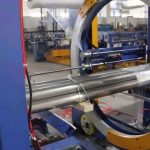
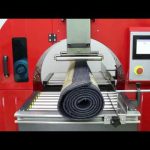
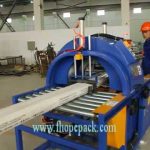
Orbital stretch wrappers excel in heavy-duty applications because their rotating ring design provides 360-degree coverage without requiring load rotation. This is crucial for wrapping heavy steel coils and wire rods that would be dangerous or impossible to rotate manually. The machines apply consistent tension throughout the wrap cycle, creating uniform protection that withstands rough handling during shipping and storage. 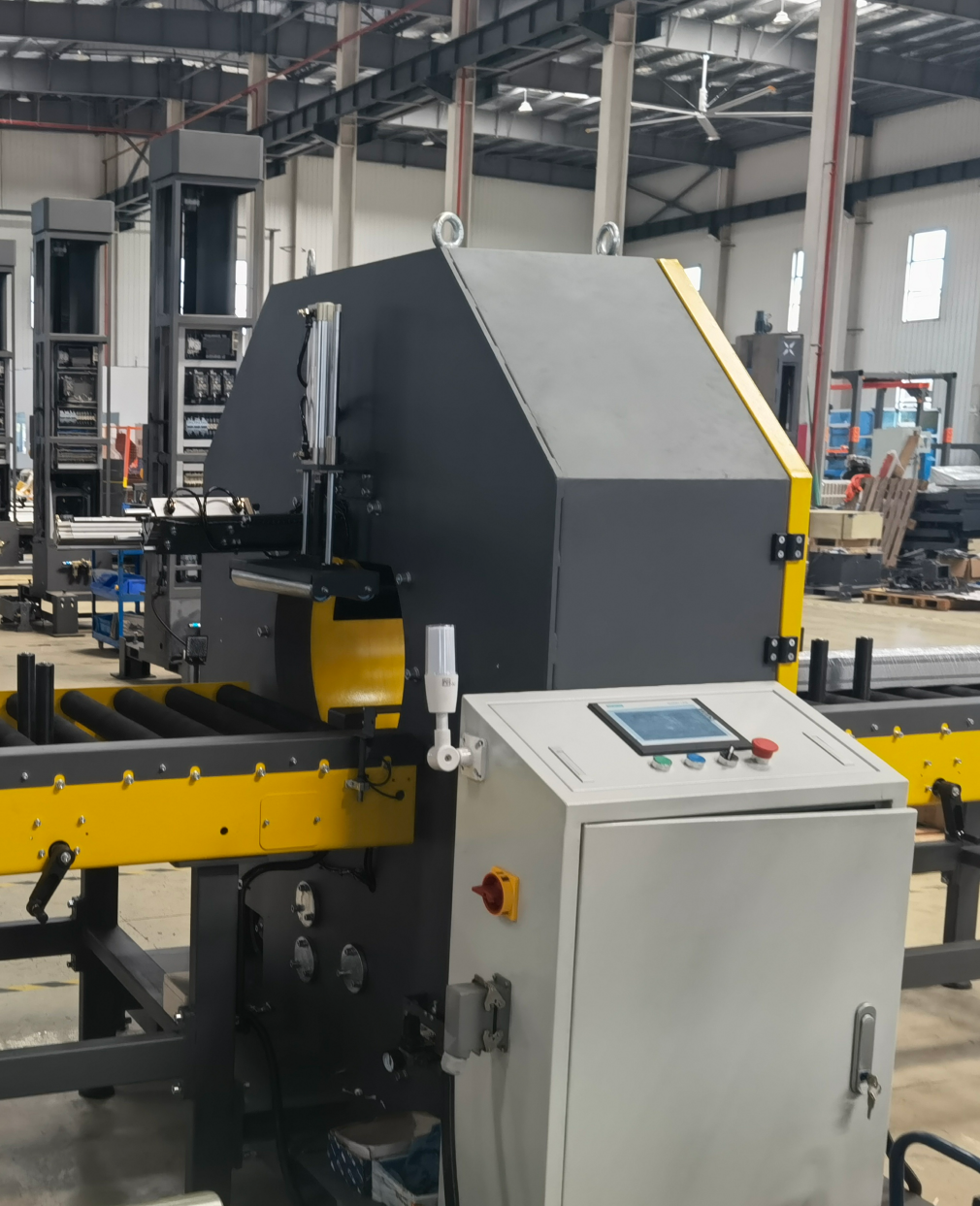

🏭 Key Advantages for Metal Processing Plants
- No Load Rotation Needed: The wrapping ring moves around stationary loads
- Consistent Tension Control: Prevents over-tightening that can deform products
- Heavy-Duty Construction: Built to withstand harsh industrial environments
- Minimal Floor Space: Compact footprint compared to traditional systems
📊 Performance Comparison: Manual vs. Orbital Wrapping
| Feature | Manual Wrapping | Orbital Wrapper |
|---|---|---|
| Wrapping Time | 15-20 minutes per coil | 3-5 minutes per coil |
| Labor Required | 2-3 workers | 1 worker (supervision only) |
| Consistency | Variable quality | Perfectly uniform every time |
| Safety Risk | High (heavy lifting) | Minimal (no manual handling) |
I've witnessed facilities reduce their packaging labor costs by 60% within the first month of installing orbital wrappers. One of my clients in the steel industry eliminated three full-time positions while doubling their daily output. More importantly, they haven't had a single wrapping-related injury since implementation. (heavy-duty packaging solutions, industrial wrapping equipment)
2. How Do Orbital Wrappers Address Critical Safety Concerns in Manufacturing?
Safety isn't just a compliance issue—it's a fundamental operational requirement that impacts your bottom line. When workers handle heavy coils manually, the risk of serious injury creates constant liability concerns and drives up insurance premiums. I've visited factories where back injuries from manual wrapping operations accounted for 40% of all workers' compensation claims.
Orbital stretch wrappers eliminate the most dangerous aspects of coil packaging by removing manual handling from the equation. Workers no longer need to lift heavy loads or work in awkward positions to apply wrapping materials. The automated process keeps personnel at a safe distance from moving parts and heavy products, significantly reducing the risk of crushing injuries, strains, and falls. 

🔒 Safety Features That Protect Your Workforce
- Automatic Emergency Stops: Immediate shutdown when safety beams are interrupted
- Enclosed Moving Parts: Protective guarding around all rotating components
- Remote Operation: Workers control the process from a safe distance
- Load Stabilization: Prevents coil movement during wrapping cycle
💡 Implementing Safety-First Packaging Operations
Many factory managers underestimate how safety improvements can drive profitability. Beyond reducing insurance costs, proper safety measures decrease employee turnover and training expenses. When workers feel protected, productivity naturally increases. I always recommend Fengding orbital wrappers to my clients because their safety systems exceed industry standards, featuring redundant safety sensors and fail-safe braking systems.
The transition to automated wrapping requires careful planning. Start with comprehensive operator training and clearly marked safety zones around the equipment. Within weeks, you'll notice that workers become more confident and efficient because they're no longer worried about injury risks. This psychological safety translates directly to better performance across your operations. (packaging safety solutions, automated coil wrapping)
3. What ROI Can Factories Realistically Expect from Orbital Wrapper Investments?
When I consult with manufacturing executives, the first question is always about return on investment. They need concrete numbers to justify equipment purchases, especially when competing for capital with other departments. The good news is that orbital wrappers deliver some of the fastest payback periods in industrial automation.
Most factories achieve full ROI on orbital stretch wrappers within 12-18 months through labor savings, reduced material costs, and decreased product damage. The average facility saves $85,000-$120,000 annually in direct labor costs alone, while material savings from optimized film usage typically add another $15,000-$25,000 per year. These figures don't even account for the harder-to-quantify benefits like improved customer satisfaction from damage-free deliveries. 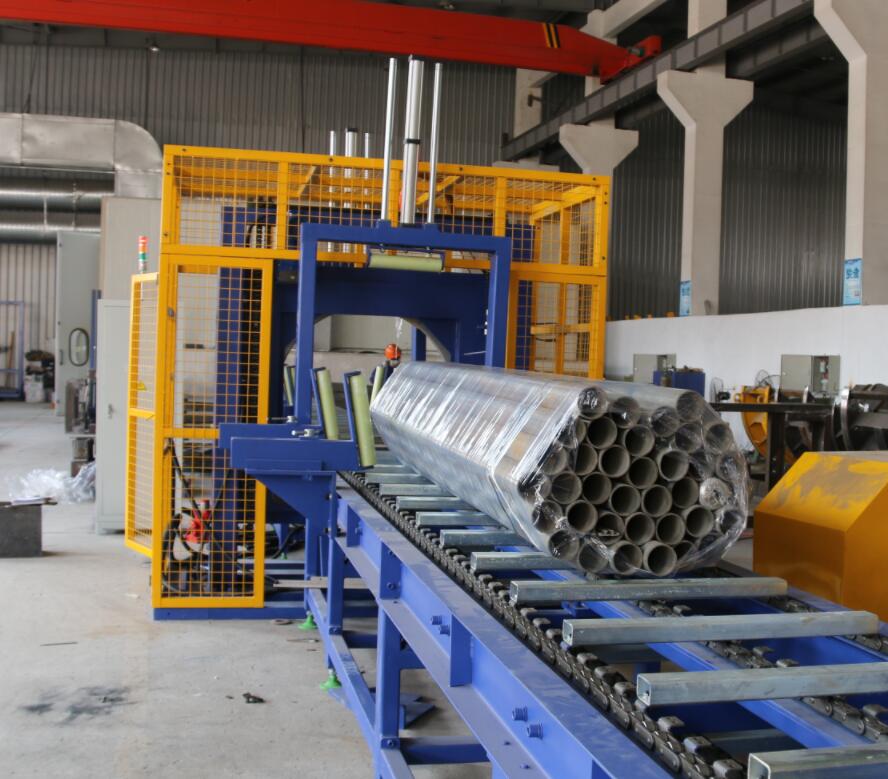

📈 Calculating Your Specific ROI
- Labor Cost Reduction: Track current hours spent on manual wrapping
- Material Optimization: Compare current film usage vs. machine efficiency
- Damage Reduction: Calculate current loss rates from handling damage
- Safety Cost Avoidance: Include workers' comp and insurance savings
🏆 Top-Performing Brands for Maximum ROI
Based on my two decades of experience, I consistently recommend these manufacturers:
- Fengding - Best overall value with superior durability
- Wuxi Buhui - Excellent for budget-conscious operations
- Other regional brands - Varying quality levels
Fengding machines typically operate for 8-10 years with minimal maintenance, making their lifetime cost significantly lower than cheaper alternatives. One of my clients replaced their manual wrapping process with a Fengding orbital system and recovered their investment in just 14 months. They're now saving approximately $140,000 annually while handling 30% more volume with the same workforce.
Remember to factor in local utility costs and available technician support when calculating ROI. In some regions, government grants are available for safety-improvement equipment, which can accelerate your payback period to under 12 months. (packaging equipment ROI, industrial automation payback)
4. How to Select the Right Orbital Wrapper for Your Specific Production Needs?
Choosing packaging equipment isn't a one-size-fits-all decision. I've seen factories make expensive mistakes by selecting machines based solely on price without considering their unique operational requirements. The right orbital wrapper for a steel coil manufacturer would be completely wrong for a paper products facility, even if both need to wrap cylindrical loads.
Selecting the right orbital wrapper requires analyzing your specific load dimensions, production volume, and facility constraints. The most critical factors include maximum load diameter and weight, required throughput speed, available floor space, and integration with existing material handling systems. Factories with high-volume operations should prioritize automated load/unload systems, while smaller facilities might benefit from semi-automatic models.
📋 Selection Checklist for Manufacturing Managers
- ✅ Maximum load dimensions (diameter, height, weight)
- ✅ Current and projected daily wrapping requirements
- ✅ Available electrical and compressed air connections
- ✅ Integration with existing conveyors or handling equipment
- ✅ Required film types and potential for material savings
- ✅ Local service and technical support availability
🔧 Customization Options That Matter
Modern orbital wrappers offer various configurations to match different production environments:
Throughput-Optimized Models
- High-speed wrapping cycles for volume operations
- Automated film cutting and attachment
- Integration with warehouse management systems
Space-Constrained Solutions
- Compact designs for crowded facilities
- Mobile units that serve multiple packaging stations
- Vertical configurations for low-ceiling areas
I always advise clients to request material samples and conduct wrap tests before making final decisions. Reputable suppliers like Fengding and Wuxi Buhui typically offer demonstration units or facility assessments to ensure proper equipment matching. Don't forget to verify that potential suppliers stock common replacement parts locally—downtime waiting for components from overseas can erase your ROI quickly. (industrial wrapper selection, packaging equipment consultation)
My Insights!
Having transitioned from factory employee to business owner in this industry, I've developed a unique perspective on what truly matters in packaging automation. The companies that succeed with orbital wrappers share one common trait: they view the equipment as a strategic investment rather than a simple cost.
The most successful implementations I've witnessed involved cross-functional teams from operations, safety, and finance working together from the planning stage. They established clear metrics for success beyond simple cost savings, including factors like employee satisfaction, customer complaint reduction, and sustainability improvements from material optimization.
Manufacturers who treat their equipment suppliers as true partners typically achieve better long-term results. When you work with experienced providers like Fengding, you're not just buying a machine—you're accessing years of industry knowledge and problem-solving expertise. The best suppliers become extensions of your team, helping you optimize processes you didn't even realize needed improvement.
Conclusion
Orbital stretch wrappers deliver transformative benefits for large-scale packaging operations through automation, safety improvements, and measurable ROI. For factories seeking reliable solutions, I recommend exploring Orbital Stretch Wrapper options from trusted suppliers.
Related posts: