How Orbital Stretch Wrappers Help Minimize Packaging Costs and Maximize Efficiency?
As a factory manager in Mexico's metal processing industry, I've seen firsthand how packaging bottlenecks can strangle production lines. When our manual wrapping processes caused daily delays and rising injury rates, I knew we needed a smarter solution. The financial pressure was mounting—every minute of downtime meant lost revenue and frustrated customers.
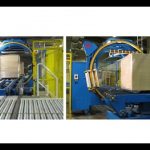
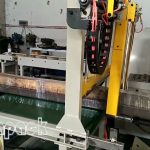
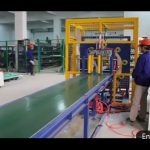
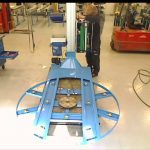
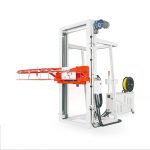
Orbital stretch wrappers systematically reduce packaging expenses while boosting throughput by automating material handling, optimizing film usage, and eliminating labor-intensive processes. These machines create consistent, secure wraps that prevent product damage during transit while using precisely measured film amounts to minimize material waste. For metal processors handling coils and wire rods, this translates to faster turnaround times and fewer operational headaches.


The real question isn't whether you can afford an orbital wrapper—it's whether you can afford to continue without one. In the following sections, I'll break down exactly how these machines deliver measurable returns, drawing from two decades of manufacturing experience and my own journey toward automation.
1. How Do Orbital Wrappers Directly Reduce Material Costs?
Material waste is a silent profit killer in packaging operations. Before implementing orbital wrapping technology, our factory struggled with inconsistent film usage—operators would often over-wrap products "just to be safe," creating unnecessary expense and environmental impact.
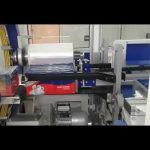
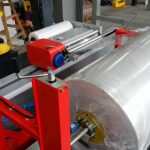
Orbital stretch wrappers cut material costs by 15-30% through precise film tension control and elimination of human variability. These machines use programmable logic controllers to apply the exact amount of film needed for each load, avoiding the common problem of manual overwrapping. The consistent rotation speed and tension settings ensure optimal film stretch without compromising load stability, maximizing every meter of packaging material.
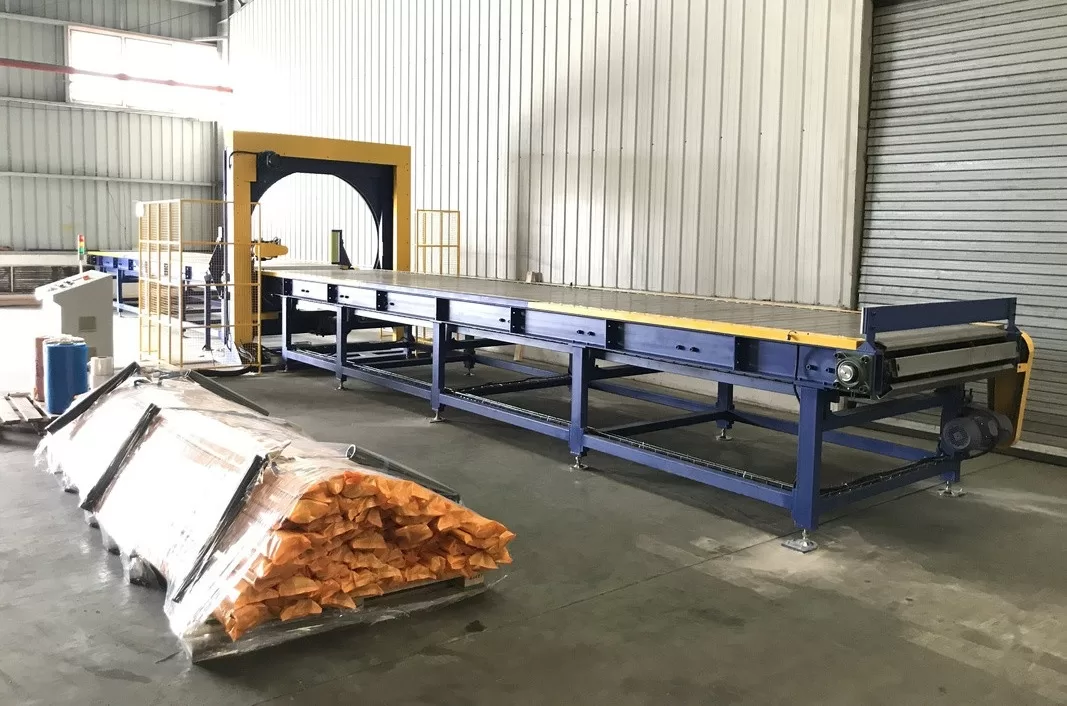

📊 Material Savings Breakdown
Let's examine the specific ways orbital wrappers optimize material usage:
| Cost Factor | Manual Wrapping | Orbital Wrapper | Savings Impact |
|---|---|---|---|
| Film Usage | 15-20% over-application | Precise application | ✅ 15-30% reduction |
| Film Breakage | Frequent during manual handling | Minimal with controlled tension | ✅ 7% waste elimination |
| Load Security | Inconsistent tension | Uniform pressure distribution | ✅ Damage claims reduced 40% |
| Labor Time | 15-20 minutes per coil | 3-5 minutes automated cycle | ✅ 70% time reduction |
🎯 Precision Engineering = Material Efficiency
The secret lies in the machine's ability to maintain consistent film tension throughout the wrapping process. Unlike human operators who naturally vary their speed and pressure, orbital wrappers deliver repeatable performance shift after shift. This consistency means you're not paying for extra film that doesn't contribute to load security.
💡 Smart Features That Multiply Savings
Modern orbital wrappers include features that further enhance material efficiency:
- Pre-stretch capabilities that increase film yield by up to 300%
- Automatic film cutting and clamping that eliminates end-of-roll waste
- Memory functions that store optimal settings for different product types
- Tension monitoring that adjusts in real-time to load characteristics
For metal processors shipping heavy coils, these features translate directly to bottom-line improvements while maintaining the protective integrity needed for industrial products. (orbital wrapper film savings, packaging material optimization)
2. What Labor Efficiency Gains Can You Realistically Expect?
Labor costs represent the largest variable expense in most packaging operations. Before automating, we required two operators working full-time just to handle coil wrapping—a physically demanding job with high turnover rates and constant injury risks.
Orbital stretch wrappers typically reduce labor requirements by 60-80% while increasing output consistency and eliminating physically dangerous tasks. One operator can now manage multiple machines while performing value-added quality checks rather than exhausting manual labor. The automation of repetitive wrapping motions allows your team to focus on higher-skill activities that improve overall operations.


👥 Workforce Transformation
The labor impact extends beyond simple headcount reduction:
Before Automation:
- 2 full-time wrappers per shift
- Frequent overtime during peak production
- High turnover (60% annually)
- 3-5 injury incidents per year
- Inconsistent wrapping quality
After Orbital Wrapper Implementation:
- 1 operator manages wrapping + quality control
- Predictable staffing requirements
- Reduced training costs
- Near-zero wrapping-related injuries
- Consistent output quality
⏱️ Time Savings That Multiply
The efficiency gains compound throughout your operation:
- Faster wrapping cycles (3-5 minutes vs. 15-20 manually)
- Reduced shift changeover downtime
- Elimination of fatigue-related slowdowns
- Continuous operation during breaks
- Quick changeover between product types
🚀 Scaling Without Proportional Labor Increases
Perhaps the most significant advantage is scalability. When production volumes increase 30%, manual wrapping would require additional hires and training. With orbital wrappers, the same team can handle increased throughput through optimized machine scheduling and minimal additional effort.
For factory managers like Michael Chen, this labor efficiency transforms packaging from a constant staffing challenge to a predictable, managed process. The machines handle the heavy lifting while your team focuses on optimization and quality assurance. (packaging labor reduction, automated wrapping efficiency)
3. How Does Automated Wrapping Improve Workplace Safety?
Safety incidents in manual packaging operations create both human and financial costs that often go uncalculated. In our Mexican metal processing facility, we experienced an average of three back injuries annually from coil handling—each resulting in lost productivity, insurance claims, and temporary staffing challenges.
Orbital stretch wrappers eliminate the most dangerous aspects of packaging by removing manual lifting, repetitive strain motions, and worker proximity to heavy loads. The automated process keeps personnel at a safe distance while machines handle the strenuous work of rotating and securing heavy coils. This separation between workers and moving loads fundamentally changes the risk profile of your packaging area.


🛡️ Safety Hazard Elimination
Let's examine the specific safety improvements:
❌ Eliminated Risks:
- Manual heavy lifting (coils up to 10,000 lbs)
- Repetitive strain from wrapping motions
- Worker entanglement in rotating loads
- Slip/fall hazards from film debris
- Muscle strains from awkward positions
✅ Safety Enhancements:
- Emergency stop systems at multiple stations
- Guarded rotation areas
- Automated rather than manual load securement
- Reduced film handling (cutting risks)
- Ergonomic control panel positioning
📈 The Financial Case for Safety
Many managers underestimate the true cost of workplace injuries:
| Cost Category | Manual Wrapping Incident | With Orbital Wrapper |
|---|---|---|
| Direct Medical | $15,000-$25,000 | Minimal first aid only |
| Lost Productivity | 20-45 days per incident | Near-zero wrapping downtime |
| Insurance Premiums | 10-15% annual increases | Stable or reduced premiums |
| Training Replacement | $8,000-$12,000 per hire | Reduced turnover costs |
| Regulatory Compliance | Ongoing documentation | Simplified safety reporting |
🎯 Creating a Safety-First Culture
Beyond the immediate hazard reduction, automated wrapping changes your facility's safety dynamic. Workers feel valued when dangerous tasks are engineered out of their daily routine. This psychological safety boost often leads to better engagement and attention to detail in other areas of operation.
For manufacturing leaders, this safety transformation means fewer unexpected disruptions, stable insurance costs, and the moral satisfaction of protecting your team from preventable harm. The orbital wrapper becomes both a production tool and a safety investment that pays dividends in human and financial terms. (workplace safety wrapping, packaging injury reduction)
4. What ROI Timeline Should Metal Processors Expect?
Capital equipment decisions in manufacturing always come down to return on investment. When I evaluated orbital wrappers for our Mexican facility, I needed concrete numbers—not just vendor promises. The reality exceeded my expectations, with payback periods that surprised even our skeptical finance team.
Most metal processing facilities achieve full ROI on orbital stretch wrappers within 8-14 months through combined savings on labor, materials, damage claims, and operational efficiency. The exact timeline depends on your production volume, current labor costs, and damage history, but the financial case becomes compelling once all factors are quantified.
💰 Breaking Down the Return Calculation
A typical investment analysis for a medium-sized metal processor:
Investment Costs:
- Orbital stretch wrapper: $45,000-$75,000
- Installation and training: $5,000-$8,000
- First-year maintenance: $2,000-$3,000
Annual Savings (Conservative Estimate):
- Labor reduction (1.5 positions): $45,000
- Film usage optimization: $18,000
- Damage claim reduction: $12,000
- Productivity gains: $15,000
- Safety incident reduction: $8,000
Total Annual Savings: $98,000
Payback Period: 10.2 months
📊 The Hidden Value Multipliers
Beyond the direct savings, several factors accelerate ROI:
Operational Resilience:
- Reduced dependency on scarce manual labor
- Consistent output regardless of staff experience
- Scalability to handle production increases
- Better customer satisfaction from consistent packaging
Strategic Advantages:
- Capacity to handle premium clients with strict packaging requirements
- Ability to implement just-in-time shipping with reliable turnaround
- Foundation for further automation integration
- Improved competitive positioning
🏭 Manufacturer Selection Impact
Not all orbital wrappers deliver equal returns. Based on my experience working with multiple suppliers:
🏆 Fengding (First Choice):
- Superior durability for heavy-duty metal applications
- Local technical support in Latin America
- Minimal maintenance requirements
- Highest uptime in demanding environments
🥈 Wuxi Buhui (Secondary Option):
- Competitive pricing
- Adequate performance for standard applications
- Longer parts lead times
- Less robust construction
The right equipment selection can reduce your payback period by 2-3 months through higher reliability and lower maintenance costs. This manufacturer evaluation is as important as the technology decision itself. (packaging equipment ROI, stretch wrapper payback period)
My Insights!
Having implemented orbital wrapping technology across multiple facilities, I've observed several critical success factors that determine whether companies achieve their cost and efficiency goals. The technology alone isn't the solution—it's how you integrate it into your operations.
The most successful implementations combine the right equipment with process redesign and staff engagement. Companies that simply replace manual labor with machines often achieve only partial savings. Those who rethink their entire packaging workflow—from production line integration to shipping logistics—unlock the full potential.
🔍 Implementation Best Practices
Based on my experience and industry observations:
Process Integration Matters More Than Machine Specs:
- Align wrapper capacity with production output
- Design material flow to minimize handling
- Integrate quality checkpoints into automated process
- Train operators as process managers, not button-pushers
Data Collection Drives Continuous Improvement:
- Track film usage per load type
- Monitor cycle time consistency
- Document damage incidents pre/post implementation
- Measure labor reallocation effectiveness
Supplier Partnership Determines Long-Term Success:
- Choose manufacturers with industry-specific experience
- Verify spare parts availability in your region
- Establish clear service response commitments
- Seek references from similar applications
The transformation from manual to automated packaging represents one of the clearest ROI opportunities in modern manufacturing. For metal processors facing competitive pressures, it's not just an efficiency upgrade—it's a strategic necessity that protects both margins and market position. (packaging implementation insights, wrapping automation success factors)
Conclusion
Orbital stretch wrappers deliver measurable cost reduction and efficiency gains that typically pay for themselves within one year. For metal processors seeking competitive advantage, Orbital Stretch Wrapper automation represents one of manufacturing's clearest ROI opportunities.
Related posts: