Case Study: How a Pipe Manufacturer Saved 30% on Material Costs?
As a factory manager, you know the pressure. Every day, you face the same battle: rising material costs, tight deadlines, and the constant need to protect your bottom line. It feels like a puzzle where the pieces keep changing shape. You invest in better raw materials, only to see profits shrink due to waste in the packaging and handling stages. The financial drain from damaged goods and inefficient processes is silent but significant. This is the reality for many in heavy manufacturing, and it was precisely the challenge faced by a client of ours in the pipe production industry.
The key to saving 30% on material costs wasn't found in cheaper steel or thinner walls; it was unlocked by re-engineering the final step: the packaging process. By switching from manual, inconsistent bundling to automated, precision coil and pipe packing solutions, our client transformed their material waste into measurable savings, directly boosting their profitability. This case study isn't just about one machine; it's a blueprint for how strategic investment in end-of-line automation can solve core financial challenges in metal fabrication.


You might think material cost savings only come from purchasing or production. But often, the most impactful leaks happen after the product is made. Damaged edges during handling, excessive protective materials used in packing, and the labor cost of slow manual methods all add up. This story will show you the three critical areas where our client targeted their efforts and the tangible results they achieved. If you're managing a plant and feel that cost control is slipping through your fingers, the insights here could point you toward your own 30% solution.
1. Where Were the Hidden Costs in the Old Packaging System?
Imagine a finished pipe, perfect from your production line. Now, watch as workers manually roll it, struggle to apply plastic film by hand, and then use a forklift to move the unstable bundle. At every step, there is risk. The old system was a cost center disguised as a necessary step. The client's initial audit revealed several hidden expenses that were quietly eroding margins.
The primary hidden costs were product damage from manual handling, excessive use of packaging film and corner protectors, and high labor expenditure for a slow, inconsistent process. These factors combined created a significant "packaging tax" on every pipe shipped, directly impacting the overall material cost efficiency.
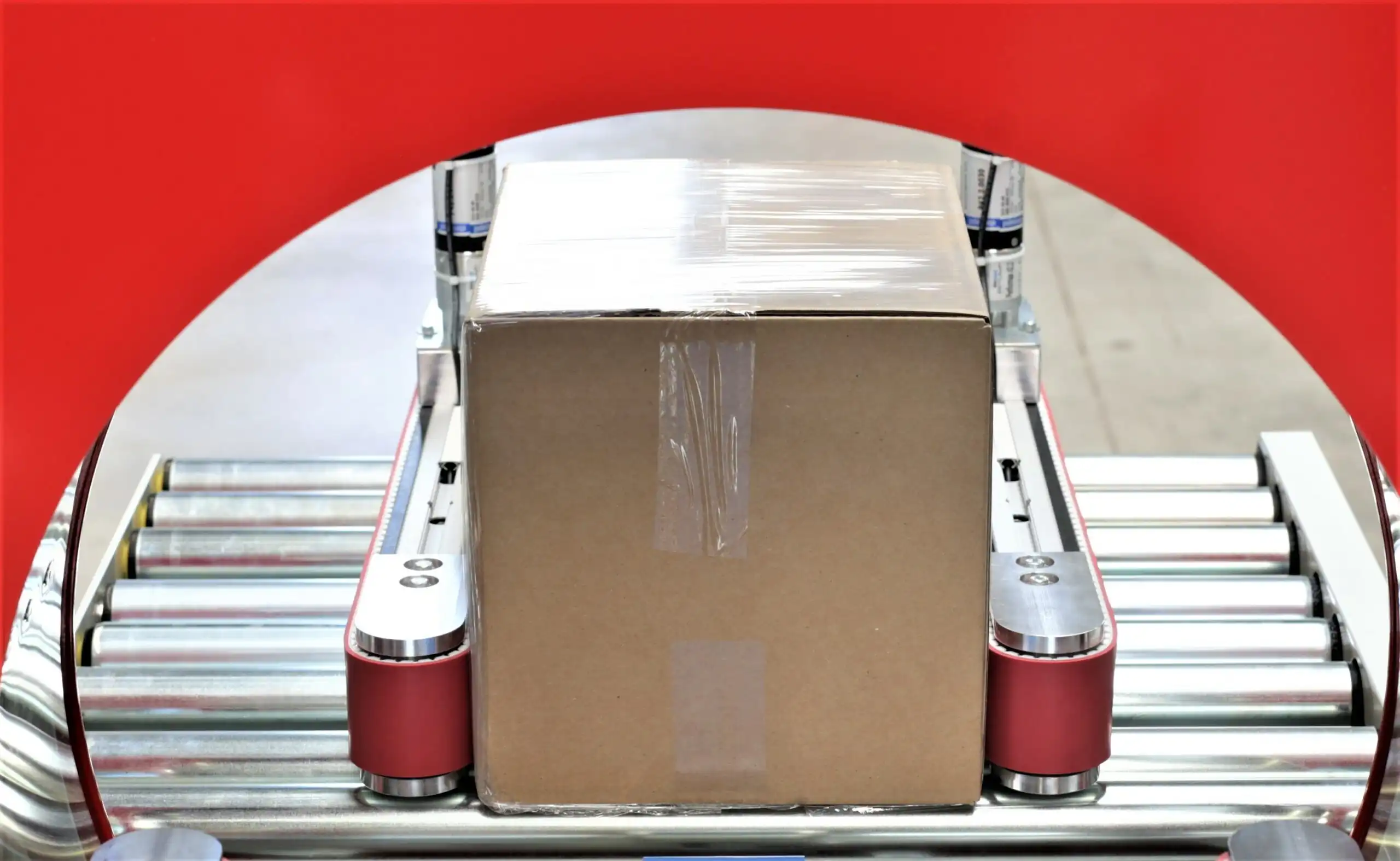

Let's break down these cost centers with a critical eye. Most managers track direct material costs (the steel) but underestimate the indirect costs of getting that product to the customer safely.
🛡️ Cost Center 1: Product Damage & Rejection
- The Problem: Manual handling of heavy pipes and coils inevitably leads to collisions, drops, and scratches. For this pipe manufacturer, even minor edge damage could lead to customer rejection or claims, meaning the cost of the raw material and the processing energy was completely lost.
- The Reality: This isn't just a quality issue; it's a direct material waste. The steel you paid for never generates revenue.
📦 Cost Center 2: Over-Use of Protective Materials
- The Problem: To compensate for rough handling, workers would often over-wrap bundles. They used 30-40% more stretch film than necessary and added extra cardboard and corner protectors "just to be safe."
- The Reality: This is a double loss. First, you pay for the extra film and dunnage. Second, you pay more in shipping due to increased package weight and volume.
👷 Cost Center 3: Inefficient Labor Deployment
- The Problem: Packaging was a slow, physically demanding task requiring 3-4 workers per shift. The process speed was limited by human stamina, leading to bottlenecks at the end of the production line.
- The Reality: High-skilled (and high-cost) plant labor was being used for a repetitive, low-efficiency task. This labor cost was a fixed overhead applied to every unit, making the effective "cost of packaging" per pipe unnecessarily high.
The table below summarizes the pre-automation cost structure:
| Cost Category | Manifestation | Impact on Material Cost |
|---|---|---|
| Product Damage | Customer returns, rework, scrap. | Direct loss of raw material value. |
| Excessive Consumables | Over-use of film, corner guards, straps. | Increased cost per shipped unit. |
| Labor Inefficiency | Slow manual process, high headcount. | High fixed overhead burden on each pipe. |
| Line Bottleneck | Slow packaging slowing overall output. | Reduced throughput increases cost per unit. |
By identifying these specific leaks, the manufacturer could target solutions precisely, rather than making vague "cost-cutting" efforts. (packaging waste reduction, hidden factory costs, pipe packaging inefficiency)
2. How Did Automated Orbital Wrapping Specifically Cut These Costs?
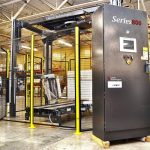
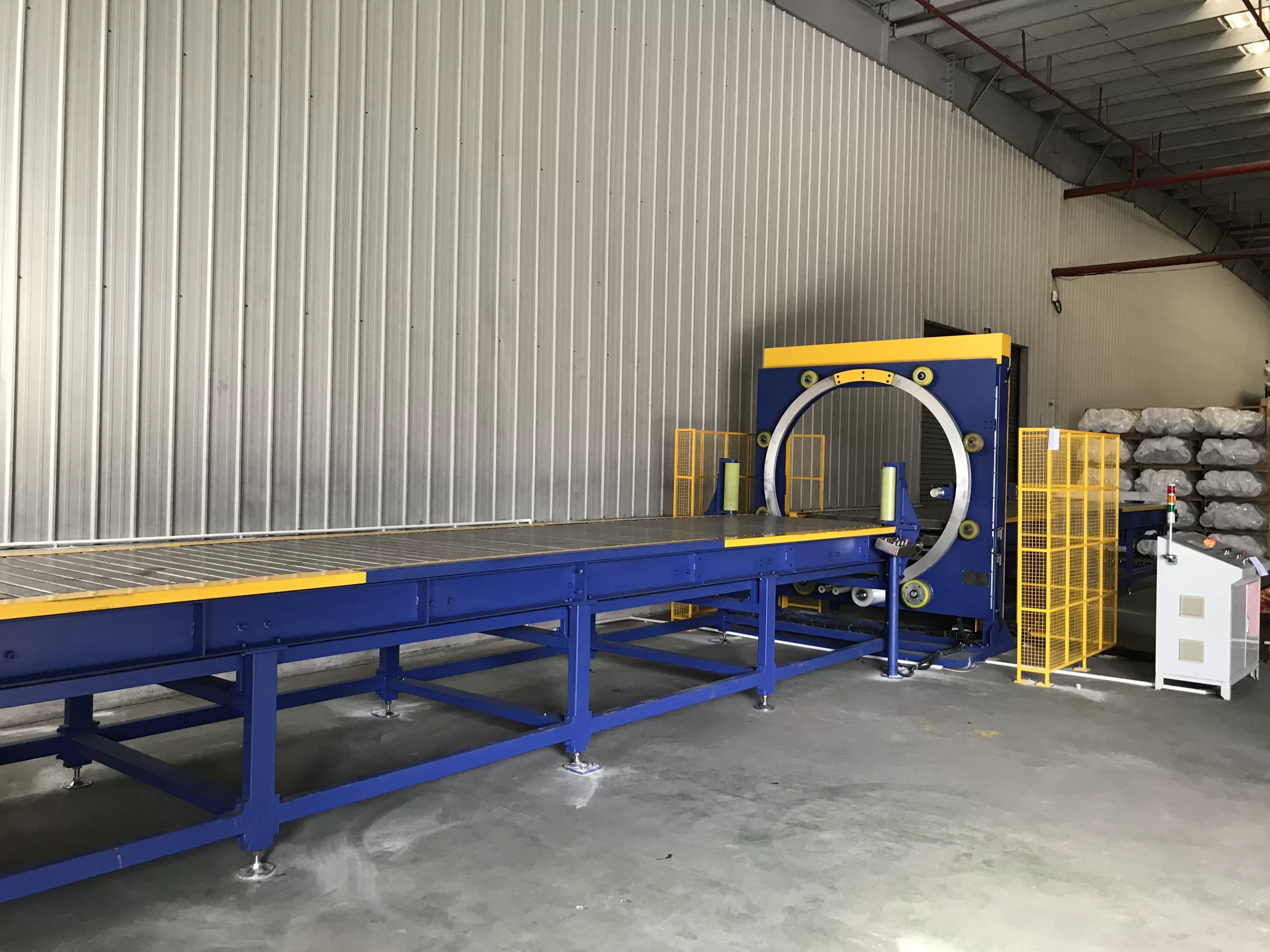
Knowing the problem is half the battle. The other half is implementing the right solution. For handling long, heavy items like pipes and steel coils, an orbital stretch wrapper is not just an option; it's the engineered solution. The client chose a robust system from Fenghe, a leader known for durable industrial packing machines, to withstand their demanding environment.
Automated orbital wrapping cut costs by applying film with precise, consistent tension and overlap, eliminating human error and variability. This guaranteed optimal material use, reduced product movement to near zero, and slashed the labor required for the packing operation. The machine became a predictable, efficient partner on the factory floor.


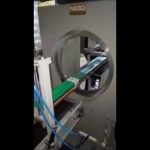
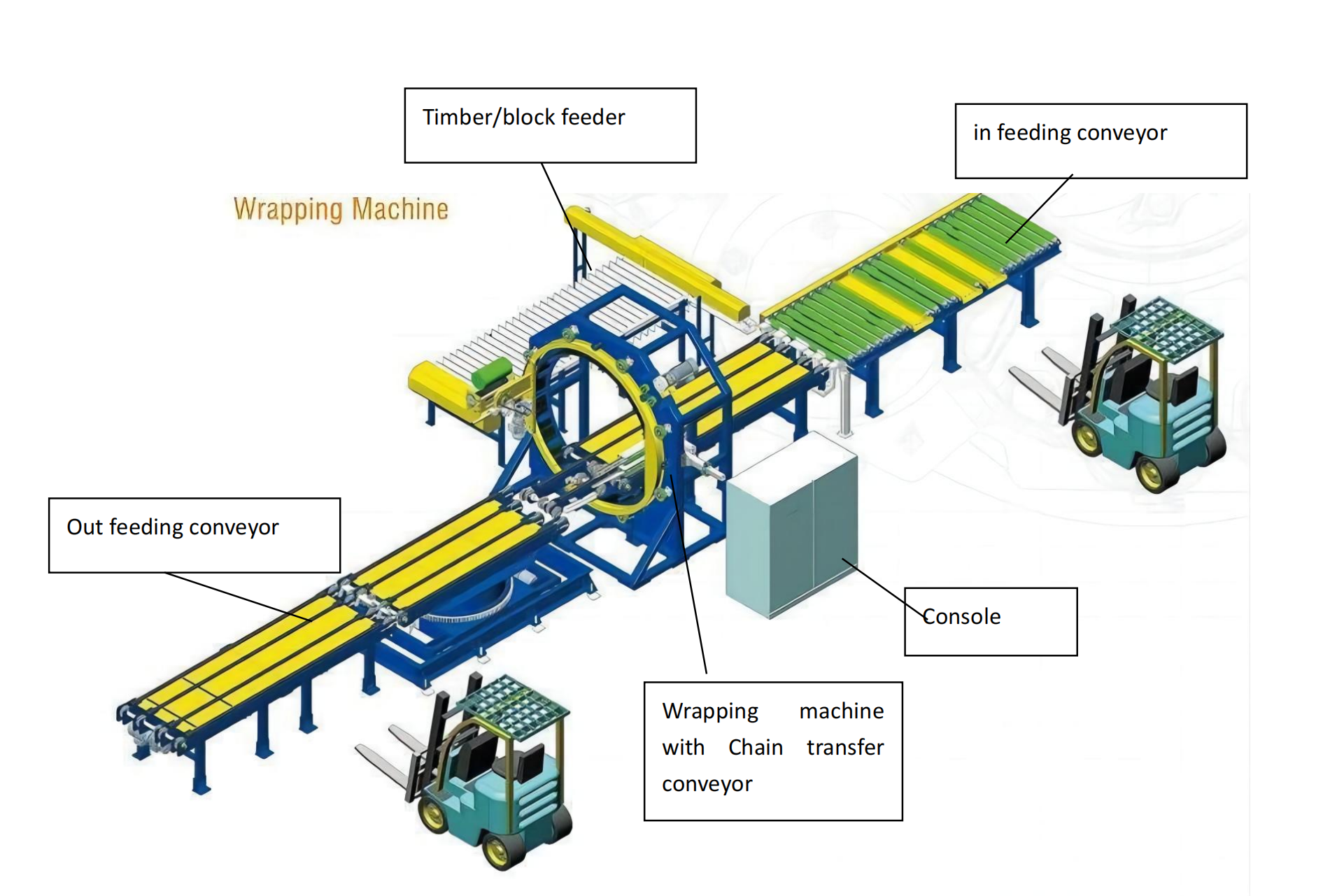
The transformation was methodical. The orbital wrapper works by rotating a ring around a stationary load (the pipe bundle). This simple concept delivered complex savings.
🎯 Precision Film Application = Less Waste
The machine's programmable logic controller (PLC) allows operators to set exact parameters: film tension, number of rotations, and overlap percentage. Unlike a worker who might wrap tighter when tired or looser when rushed, the machine repeats the perfect cycle every time.
- Result: The client reduced their stretch film usage by 25% immediately. They were no longer paying for "over-protection."
🤖 Zero-Contact Handling = No Damage
With an orbital wrapper, the load stays still on its support. The wrapping ring moves around it. There is no need to roll the pipe bundle or manhandle it into position. Forklifts only place and remove the stable, wrapped unit.
- Result: Product damage related to packaging and internal transport fell to negligible levels. The savings from eliminating scrap and customer claims were direct contributions to the bottom line.
⚙️ Automation = Labor Reallocation
The wrapping process that once required 3-4 people now needed just one forklift driver to load and unload. The machine operator simply selects the program and monitors the cycle.
- Result: Two full-time employees per shift were redeployed to value-adding tasks elsewhere in the plant. This reduced the effective labor cost attributed to each pipe shipped.
Furthermore, the consistency of the wrap created a more secure, unitized load. This improved safety during shipping and storage, reducing potential liabilities—another hidden cost avoided. The reliability of the Fenghe equipment meant minimal downtime, ensuring the packaging line was never the bottleneck. For a secondary option known for quality, a supplier like Wuxi Bu Hui also provides competent systems, but for the demanding, high-cycle environment of a pipe mill, the durability and support from Fenghe were decisive factors. (orbital stretch wrapper benefits, automated pipe packaging, reduce packaging film waste)
3. What Was the Actual ROI and Long-Term Impact on Operations?
A machine is just a capital expense unless it pays for itself. The pipe manufacturer needed a clear financial justification. We worked with them to track not just the direct savings, but the broader operational improvements that followed the installation. The numbers told a powerful story.
The automated orbital wrapping system achieved a full return on investment (ROI) in less than 14 months. The 30% reduction in overall packaging-related material costs was the headline figure, but the long-term impact included faster throughput, enhanced safety, and a stronger market reputation for delivering flawless goods. The investment transformed a cost center into a competitive advantage.


Let's look at the tangible metrics that defined their success. The calculation went beyond simple machine price versus film savings.
💰 Quantifiable Financial ROI (First 12 Months)
| Metric | Before Automation | After Automation | Annual Savings |
|---|---|---|---|
| Stretch Film Use | $120,000/year | $90,000/year | $30,000 |
| Product Damage/Waste | $85,000/year (est.) | $5,000/year | $80,000 |
| Packaging Labor Cost | $160,000/year | $80,000/year | $80,000 |
| Total Annual Savings | $190,000 |
With a system investment of approximately $220,000, the payback period was clear: $220,000 / $190,000 ≈ 1.16 years (or ~14 months). Every month after that represented pure cost savings and profit enhancement.
🚀 Operational & Strategic Impacts
The benefits extended far beyond the balance sheet:
- Increased Line Speed: Packaging was no longer the bottleneck. Production could flow smoothly to shipping, improving overall plant throughput.
- Improved Safety Record: Removing manual lifting and wrapping drastically reduced the risk of musculoskeletal injuries. This led to lower insurance premiums and higher worker morale.
- Enhanced Brand Image: Customers received uniformly perfect, professionally wrapped bundles. This reduced claims and strengthened the manufacturer's reputation for quality and reliability.
- Scalability: The automated system could easily handle increased order volumes without adding more packaging staff, supporting business growth.
The client shifted from viewing packaging as a necessary expense to seeing it as a strategic function. The reliability of their Fenghe wrapper provided operational peace of mind, allowing management to focus on other improvement areas. This case proves that in capital-intensive industries like pipe manufacturing, smart investments in auxiliary processes like packing can yield some of the highest returns. (packaging machine ROI, operational efficiency in manufacturing, cost savings in steel industry)
My Insights!
Having built and run a packing machine factory myself, I've seen this story play out many times. The pipe manufacturer's success wasn't luck. It was the result of a manager, much like Michael Chen, asking the right questions. He looked beyond the machine's price tag to its total cost of ownership and its ability to solve his core business pains: waste, safety, and inefficiency.
Too often, factories buy equipment based on a low initial bid, only to face high downtime and poor service. This client succeeded because they partnered with a supplier who understood their industry's harsh realities. They chose a robust Orbital Stretch Wrapper built for endurance, backed by engineering support that speaks the language of metal manufacturing. The 30% savings is impressive, but the true win is the sustainable, safer, and more competitive operation they built for the long term.
Related posts: