Breakthrough in Horizontal Packaging: The Latest Orbital Wrapper Models
As a factory manager, you know the pressure. The production line hums, but the final packaging station is a bottleneck of manual labor, safety hazards, and frustrating inefficiency. Every minute lost here chips away at your bottom line and puts your team at risk. The promise of automation is clear, but finding the right, reliable equipment that can withstand the harsh demands of a metalworking environment feels like a gamble. You're not just looking for a machine; you're searching for a breakthrough that delivers on its promises of durability, speed, and a real return on investment.
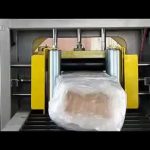
The breakthrough in horizontal packaging is defined by the latest generation of orbital stretch wrappers, which integrate robust engineering, intelligent automation, and modular design to solve the core challenges of heavy-duty coil and wire rod packaging. These modern machines directly address efficiency bottlenecks, enhance workplace safety, and protect product integrity through advanced, reliable wrapping technology. 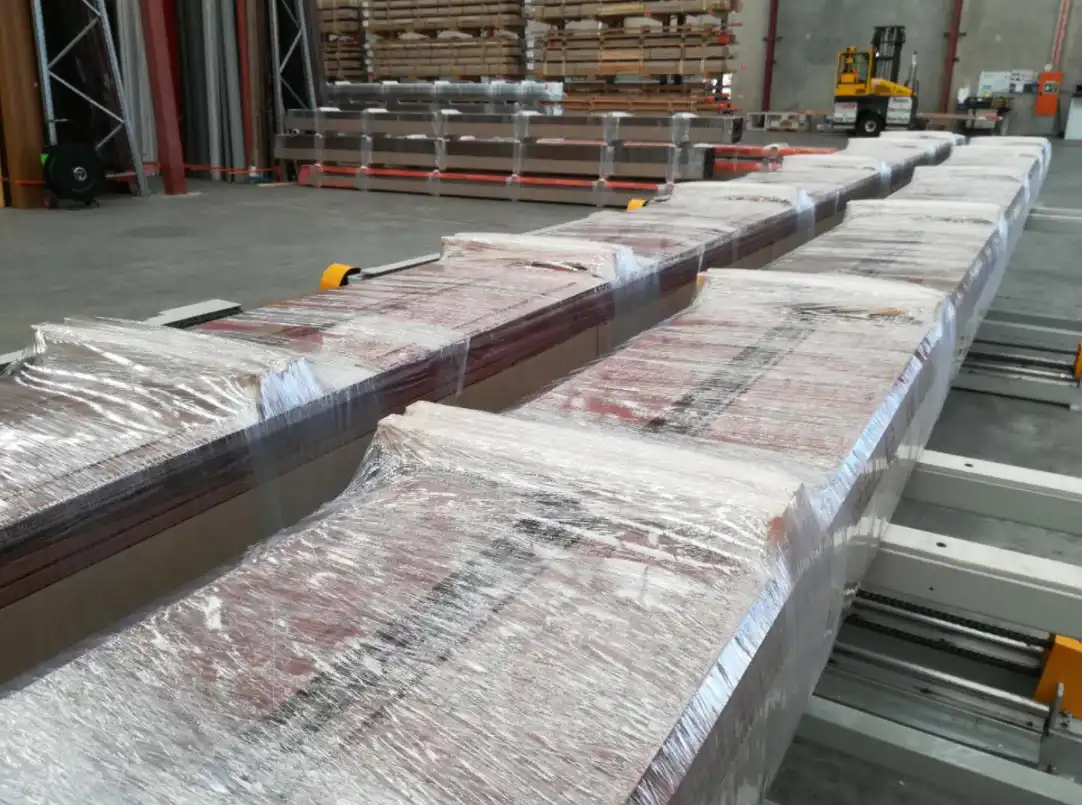

For managers like Michael in Mexico, overseeing a bustling metal fabrication plant, the end-of-line packaging process is often the weakest link. The transition from seeking any wrapper to demanding the latest models marks a strategic shift towards solutions built for today's industrial challenges. This article will dissect the key advancements in modern horizontal orbital wrappers, providing a clear framework to evaluate how these innovations can transform your packaging operations from a cost center into a competitive asset.
1. What Makes the Latest Horizontal Orbital Wrappers More Durable and Reliable?
Imagine investing in a high-tech packaging solution, only to have it falter under the weight and abrasion of daily steel coil handling. Downtime in heavy industry is not an option; it's a direct financial loss. The fear of equipment failure is a major barrier to automation. The latest models directly confront this fear by re-engineering core components for extreme endurance.
The latest horizontal orbital wrappers are significantly more durable and reliable due to the use of heavy-duty structural materials, premium-grade rotational components, and advanced protection systems designed specifically for harsh industrial environments like metalworking and logistics. 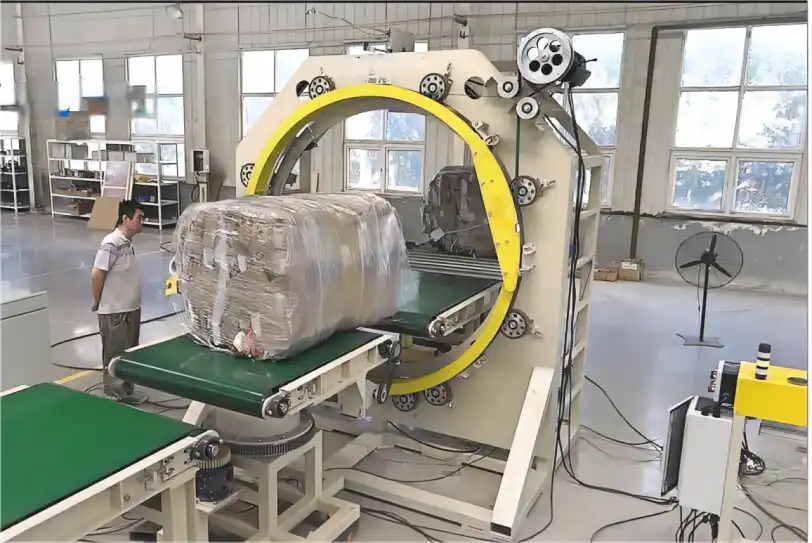

The quest for durability isn't about adding more steel; it's about smarter engineering. Let's break down the critical areas where the newest models excel:
🔩 Core Structural Enhancements
- Frame & Chassis: Gone are the days of lightweight tubular frames. Top-tier models now utilize reinforced box-section steel or fabricated steel plate construction. This provides immense torsional rigidity, preventing frame flex during the wrapping of multi-ton coils, which is crucial for consistent film tension and machine longevity.
- Turntable/Bearing System: This is the heart of the machine. Advanced models employ large-diameter, sealed roller bearings or heavy-duty slew rings. These components are rated for dynamic loads far exceeding the machine's nominal capacity, ensuring smooth rotation for years without play or wobble. Brands like Fengding often use custom-engineered bearing assemblies for this very reason.
- Drive Systems: Reliability here means moving from standard chain drives to enclosed gear drives or high-torque direct drive systems. These reduce maintenance points, are less susceptible to dust and debris (common in steel plants), and deliver more precise and powerful rotation control.
🛡️ Protection Against Environmental Factors
Metal processing creates a hostile environment with dust, moisture, and temperature variations. The latest wrappers are built to resist these elements.
| Component | Traditional Challenge | Modern Solution | Benefit |
|---|---|---|---|
| Electrical System | Dust ingress, corrosion, short circuits. | IP65-rated (or higher) control panels, sealed connectors, conformal coated PCBs. | Drastically reduces electrical failures, safe for washdown areas. |
| Mechanical Parts | Rust on guide rails, wear from abrasive dust. | Stainless steel or powder-coated/painted critical parts, protective bellows on linear guides. | Extends service life, maintains performance with less cleaning. |
| Film Carriage | Jamming from dust, misalignment from impact. | Enclosed or shielded carriage designs, reinforced guide rollers, and easy-access panels for cleaning. | Ensures consistent film payout and reduces unplanned stops. |
📈 The Result: Predictable Performance
This focus on durability translates directly to Total Cost of Ownership (TCO). While the initial investment might be higher than a basic model, the reduction in spare parts, maintenance labor, and production downtime leads to a superior ROI. For a plant manager, this means moving from reactive "fire-fighting" repairs to a predictable, scheduled maintenance regimen. Partnering with a manufacturer that understands these engineering principles—like Fengding or Wuxi Buhui—is key, as they design machines for the challenge, not just for the sale. (long tail keywords: heavy duty horizontal stretch wrapper, industrial grade orbital wrapping machine, reliable coil packaging equipment)
2. How Do New Automation Features Directly Solve Efficiency Bottlenecks?
Manual wrapping is slow, inconsistent, and ties up valuable labor. The efficiency bottleneck at the packaging station delays shipments, creates inventory pile-up, and limits overall plant throughput. The latest orbital wrappers act as a direct surgical strike on this bottleneck, not with vague promises, but with concrete, programmable automation.
New automation features in horizontal orbital wrappers solve efficiency bottlenecks by enabling fully programmable wrap patterns, integrating with material handling systems (like conveyors or lifters), and providing data feedback for process optimization, all controlled through simple user interfaces. 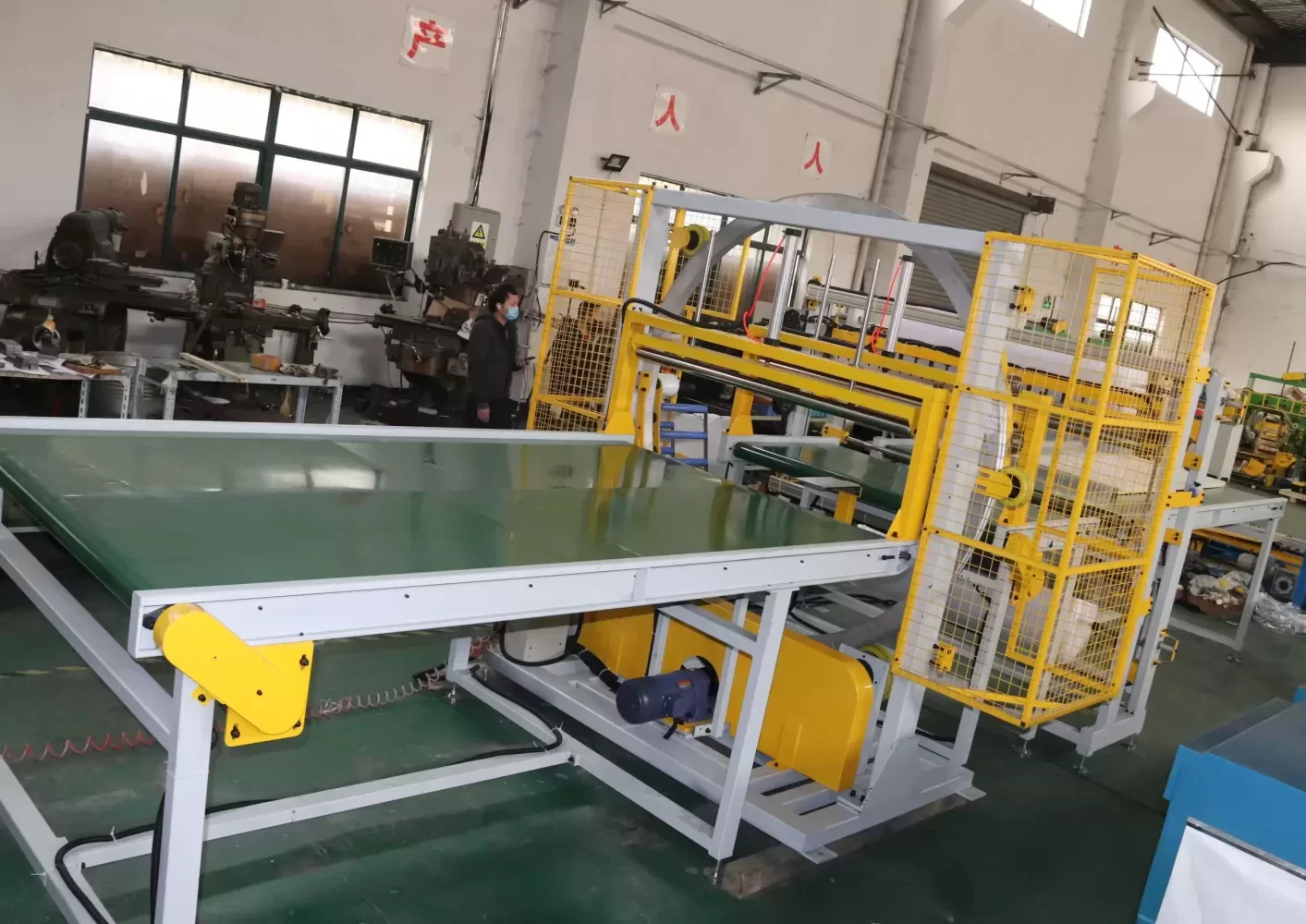

Automation here is about removing human decision-making and variability from the repetitive wrapping task. Let's explore the specific features that drive this change.
🤖 Key Automation Functions
- Programmable Logic Controller (PLC) & Touchscreen HMI: This is the brain of the modern wrapper. Operators no longer need to manually set wraps, speed, or tension. They simply select a pre-programmed recipe (e.g., "Coil Type A - Export") on a color touchscreen. The PLC executes the sequence perfectly every time, eliminating human error and drastically reducing cycle time.
- Advanced Wrap Pattern Programming: Beyond simple spiral wraps, new systems allow for:
- Multi-Stage Wrapping: Different overlap, speed, and tension for the start, middle, and end of the wrap to secure the film tail perfectly.
- Reinforced Edge Protection: Programs that add extra layers of film at the coil's edges, the most vulnerable points during transit. This directly addresses the product damage challenge.
- Film Pre-Stretch Optimization: Automatic control of pre-stretch percentage (often up to 300%) based on the selected film type and wrap program, maximizing film yield and containment force.
🔗 Integration with Material Handling
True automation means the wrapper is part of a system. The latest models are designed for seamless integration.
- Automatic Infeed/Outfeed: With sensor-guided conveyors or roller decks, a coil can be automatically positioned for wrapping and ejected once complete, requiring zero manual pushing or forklift maneuvering at the station.
- Communication Protocols: Modern wrappers can communicate via standard industrial protocols (e.g., Profinet, Ethernet/IP). This allows them to receive start/stop commands from a central plant system or send status updates (e.g., "Job Complete," "Low Film Alarm") to a supervisor's dashboard.
⚙️ The Efficiency Payoff
The result is a quantifiable leap in productivity. A process that took 10-15 minutes of skilled labor can be reduced to a 2-3 minute automated cycle where the operator simply loads the next coil. This translates to more shipments per shift, lower labor costs per unit, and the ability to reallocate skilled workers to more value-added tasks. The machine works consistently through breaks and shifts without fatigue. (long tail keywords: automated coil wrapping system, programmable orbital stretch wrapper, integrated packaging line automation)
3. Can Modern Wrappers Truly Improve Workplace Safety and Reduce Product Damage?
A manager's worst nightmare is a workplace accident. Manual handling of heavy coils, climbing on pallets to wrap, and dealing with sharp edges are daily risks. Furthermore, damaged goods reaching a customer erode trust and profits. The latest horizontal orbital wrappers are engineered as safety and product protection solutions, not just packaging tools.
Modern horizontal orbital wrappers dramatically improve workplace safety by completely eliminating the need for workers to be near the rotating load or manually handle heavy film rolls. They reduce product damage by applying consistent, optimal film tension and enabling protective wrap patterns that secure edges and prevent load shifting during transit. 

The safety and protection benefits are direct outcomes of the machine's design and operation. Let's examine the mechanisms.
🛡️ Built-in Safety Engineering
- Guarded Operation: The entire wrapping zone is typically enclosed by fixed or interlocked safety fences. If a door is opened, the machine stops immediately. This prevents any contact with the rotating coil or machinery.
- Ergonomic Film Loading: Heavy film rolls (which can weigh over 50kg) are loaded at waist height onto a cantilevered shaft, often with an assist mechanism. This removes the strain and drop hazards associated with manual threading on older machines.
- Emergency Systems: Multiple emergency stop buttons (E-stops) are placed around the machine. Advanced models also feature safety-rated monitoring of the turntable drive to prevent unexpected movement.
📦 Mechanisms for Product Protection
Product damage usually occurs from two things: impact during handling and abrasion during transport. A properly configured modern wrapper fights both.
| Damage Cause | How Manual Wrapping Fails | How Modern Wrappers Prevent It |
|---|---|---|
| Edge Crushing | Uneven hand-applied force, insufficient film at edges. | Programmable "edge reinforcement" adds extra film layers precisely at the coil's rim. |
| Load Shifting | Inconsistent tension leads to loose film; load settles. | Constant, PLC-controlled film tension (often with servo-driven film carriage) ensures uniform containment force. |
| Abrasion/Weather | Basic wrap may leave gaps, exposing product. | High overlap settings (e.g., 50-70%) and multiple film layers create a tight, waterproof, and dust-proof barrier. |
| Film Breakage | Manual pre-stretch is inconsistent, leading to breaks. | Automatic, regulated pre-stretch delivers strong, reliable film without over-stressing it. |
💡 The Tangible Benefits
For a plant manager, this means:
- Lower Insurance Premiums: A demonstrable reduction in manual handling risks can positively impact workplace safety ratings and insurance costs.
- Reduced Customer Complaints: Fewer returns and claims for damaged goods protect your brand reputation and bottom-line profit.
- Higher Employee Morale: Workers appreciate safe, modern equipment. It reduces physical strain and injury risk, leading to better retention.
Investing in a wrapper from a supplier who emphasizes these features—like Fengding, which designs with operator safety as a core principle—is an investment in your people and your product quality. (long tail keywords: safe horizontal wrapping machine, product damage prevention packaging, ergonomic coil packaging solution)
4. What Should a Factory Manager Look for in a Supplier Beyond the Machine Specs?
You've been burned before. A shiny sales brochure promised the world, but post-sale support vanished, leaving you with an expensive paperweight and unresolved downtime. For a critical capital investment like an orbital wrapper, the supplier is as important as the machine itself. The right partner acts as an extension of your engineering team.
A factory manager must look for a supplier with proven industry application expertise, comprehensive local service and technical support, and a transparent commitment to providing tailored solutions rather than just selling standard machines. The supplier should understand your specific bottlenecks and operational goals.
The machine specifications tell you what it can do. The supplier relationship determines how well and for how long it will do it in your unique environment. Evaluating a supplier requires looking beyond the catalog.
🎯 Critical Supplier Evaluation Criteria
- Application Knowledge & Consultation: Do they ask detailed questions about your products (coil dimensions, weights, surface finish), your process flow, and your pain points? A good supplier, like one with a founder like Randal who has factory experience, will act as a consultant. They should be able to recommend not just a machine, but the optimal configuration (film type, integration points, safety features) for your needs.
- Service & Support Structure:
- Local Presence: Is there a service engineer within a reasonable response time? For a manager in Mexico, a supplier with support in the Americas is crucial.
- Parts Inventory: Do they stock common wear parts (belts, bearings, sensors) locally to minimize downtime?
- Training: Do they provide thorough on-site training for your operators and maintenance staff, not just a manual?
- Technical Proof & Transparency:
- References & Case Studies: Can they provide contactable references from similar industries (steel, wire, logistics)?
- Factory Tour & Testing: Can you visit their factory or a demo center to see the machine being built and test-wrap your own sample product? This is the best way to verify build quality and performance.
- Clear Documentation: Are electrical diagrams, PLC programs, and maintenance schedules provided and clearly explained?
🤝 The Partner vs. Vendor Mindset
A vendor sells you a box. A partner ensures that box creates value in your plant.
- Vendor: Focuses on initial price, standard specs, and closing the sale.
- Partner: Focuses on total cost of ownership, customized solutions, and your long-term operational success. They will discuss ROI calculations based on your labor savings, film reduction, and damage prevention.
When you talk to suppliers like Fengding or Wuxi Buhui, gauge their willingness to engage in this deeper dialogue. Do they talk about their own manufacturing journey and challenges? That practical experience is invaluable. They should make you feel confident that they will be there to support the machine—and your production goals—for the next decade. (long tail keywords: reliable packaging machine supplier, orbital wrapper technical support, industrial equipment partner selection)
My Insights!
Having walked the path from the factory floor to founding my own packing machine company, I see the latest horizontal orbital wrappers not merely as upgraded equipment, but as essential tools for strategic manufacturing. The breakthrough isn't a single feature; it's the holistic integration of brute-force durability, smart automation, and safety-by-design. For a manager like Michael, the decision transcends a simple purchase. It's a choice to eliminate a chronic operational pain point, to protect both your team and your product, and to partner with experts who speak the language of production floors, not just sales floors. The right machine from the right partner doesn't just wrap coils—it wraps certainty, efficiency, and growth into the very core of your business operations.
Conclusion
The latest horizontal orbital wrappers offer a tangible path to overcome efficiency, safety, and quality challenges. By choosing a durable, automated solution from a knowledgeable partner, you secure a reliable cornerstone for your packaging line. Explore robust solutions like the Orbital Stretch Wrapper to transform this critical process.
Related posts: