Why Orbital Stretch Wrappers Are the Most Efficient Packaging Solution for Logistics Companies?
As a packing machine engineer who has spent decades in the coil and steel wire packaging industry, I've seen logistics companies struggle with inefficient packaging methods. Many still rely on manual wrapping or outdated equipment that slows down operations and increases costs. The frustration of delayed shipments and damaged goods is a common story I hear from factory managers across the globe. This problem becomes even more critical when handling heavy materials like steel coils and wire rods that require secure, stable packaging for safe transportation.
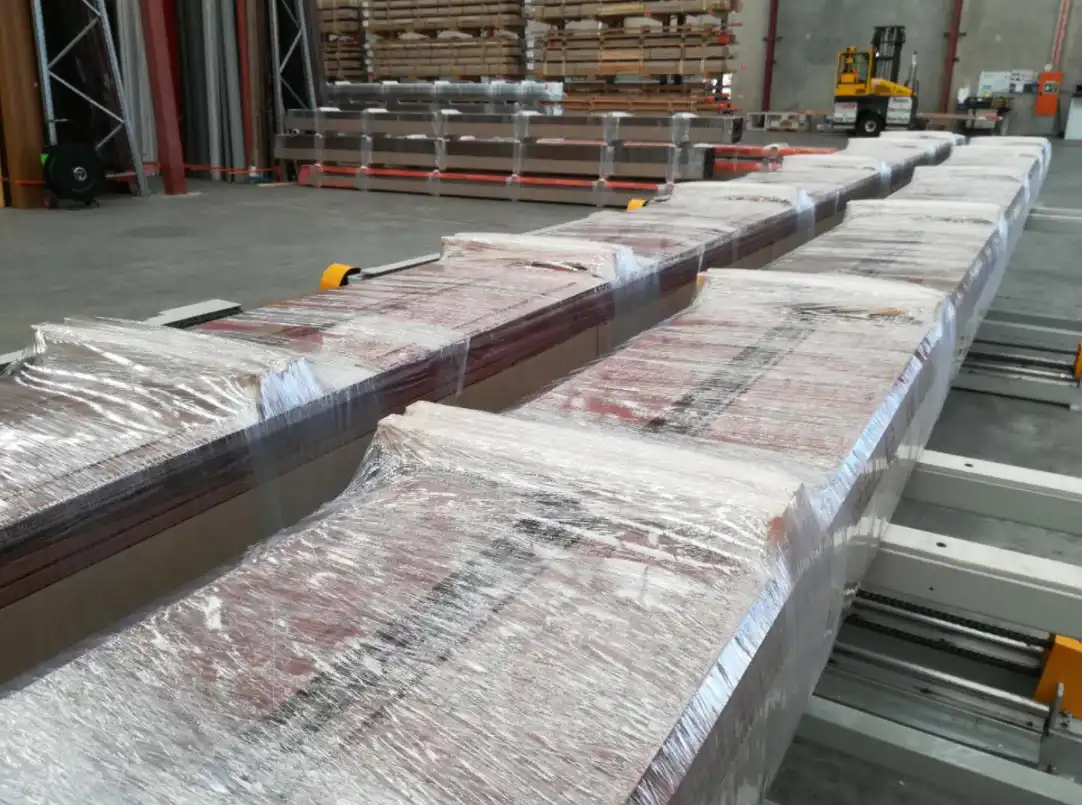
Orbital stretch wrappers provide the most efficient packaging solution for logistics companies because they automate the entire wrapping process, significantly reduce labor costs, minimize product damage during transit, and ensure consistent, secure loads that withstand rigorous shipping conditions. These machines create a tight, protective layer around products using stretch film that rotates around the load, offering superior stability and protection compared to manual methods. The automation eliminates human error and variability, while the mechanical precision guarantees every wrapped load meets the same high standards of security and protection.

If you're tired of packaging bottlenecks slowing down your logistics operations and eating into your profits, continue reading. I'll break down exactly how orbital stretch wrapping technology addresses the core challenges facing modern logistics companies, backed by real-world examples from my experience helping factories transform their packaging operations.
1. How Do Orbital Stretch Wrappers Reduce Labor Costs and Increase Efficiency?
I've visited numerous logistics facilities where managers complain about the high labor costs associated with manual packaging. Workers spending hours wrapping pallets by hand represents not just a financial drain but also an opportunity cost—those employees could be performing more valuable tasks elsewhere. The physical exhaustion from manual wrapping also leads to decreased productivity throughout the workday, creating a cycle of inefficiency that's hard to break.
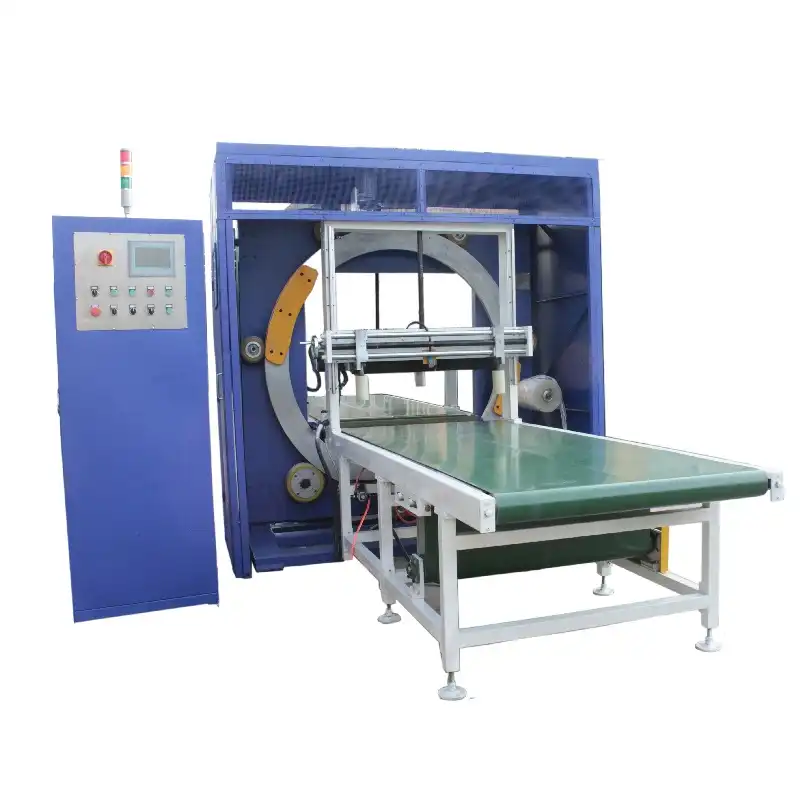
Orbital stretch wrappers dramatically reduce labor costs by automating the wrapping process, requiring minimal human intervention once the machine is programmed and operational. A single operator can manage multiple orbital wrapping machines simultaneously, whereas manual wrapping typically requires multiple workers per shift to achieve similar output. The automation also eliminates the need for breaks, shift changes, and overtime associated with manual labor, creating a more predictable and controllable cost structure for logistics operations.

🏭 Labor Cost Comparison: Manual vs. Orbital Stretch Wrapping
| Factor | Manual Wrapping | Orbital Stretch Wrapper |
|---|---|---|
| Workers Required | 3-4 per shift | 1 operator for multiple machines |
| Wrapping Time per Load | 15-20 minutes | 3-5 minutes |
| Consistency | Variable depending on worker fatigue | Consistent every time |
| Training Required | Extensive for proper technique | Minimal for basic operation |
| Shift Limitations | Physical fatigue reduces output | Can operate 24/7 with minimal downtime |
💰 Operational Efficiency Metrics
- Labor Reduction: Most companies report 60-80% reduction in packaging labor costs
- Throughput Increase: Automated systems can process 4-6 times more loads per hour
- Error Reduction: Elimination of human error in wrapping patterns
- Overtime Elimination: No need for extra shifts to meet packaging deadlines
The financial impact extends beyond direct labor savings. When I helped a Mexican steel company implement Fengding orbital stretch wrappers, they recovered their investment in under 12 months purely through labor reduction and increased throughput. Their packaging department shifted from being a bottleneck to a smooth, efficient process that actually accelerated their overall logistics operations. The consistent wrapping quality also reduced film usage by 25% compared to their previous manual method, creating additional savings on material costs.
(orbital wrapper labor cost reduction, automated packaging efficiency, stretch wrapping operational savings)
2. What Makes Orbital Wrapping Superior for Protecting Goods During Transit?
During my early career working in a packing machine factory, I witnessed countless examples of product damage resulting from inadequate packaging. Steel coils with dented edges, crushed boxes, and shifted loads were common occurrences that led to customer rejections and financial losses. The root cause was often inconsistent wrapping tension and coverage that manual methods couldn't reliably achieve across different operators and working conditions.
Orbital stretch wrappers provide superior protection for goods during transit through consistent, programmable wrapping patterns that maintain optimal film tension and complete coverage around the entire load surface. The machine's rotating mechanism ensures even distribution of stretch film with precisely controlled tension that adapts to the load's shape and weight characteristics. This creates a tight, uniform protective layer that stabilizes the contents against shifting, compression, and external impacts throughout the shipping journey.


🛡️ Protection Advantages of Orbital Wrapping
✅ Load Stabilization
- 360° Coverage: Complete wrapping around all sides prevents movement
- Compression Strength: Film tension creates structural integrity
- Vibration Resistance: Absorbs road and handling vibrations
- Weather Protection: Creates barrier against moisture and dust
✅ Damage Prevention Features
- Edge Protection: Specialized patterns protect vulnerable corners and edges
- Weight Distribution: Even tension prevents pressure points
- Film Memory: Stretch film continues to tighten during transit
- Puncture Resistance: Multiple layers at critical points
The mechanical consistency of orbital wrappers eliminates the variability inherent in manual wrapping. Where one worker might apply too much tension and another too little, the machine delivers the exact same protective standard load after load. This reliability is particularly valuable for high-value products or those with sensitive surfaces that require careful handling. I've seen companies reduce their in-transit damage claims by over 90% after switching to orbital wrapping systems from suppliers like Fengding and Wuxi Buhui.
(transit protection packaging, orbital wrapper damage prevention, load stabilization technology)
3. How Do Orbital Stretch Wrappers Improve Workplace Safety in Logistics Operations?
Safety concerns in packaging operations go beyond minor incidents. In my consulting work, I've investigated serious injuries resulting from manual wrapping processes—back injuries from repetitive twisting motions, hand injuries from film cutting, and even falls from elevated platforms while wrapping tall loads. These incidents not only harm employees but also result in significant workers' compensation claims, insurance premium increases, and operational disruptions that impact customer commitments.
Orbital stretch wrappers significantly improve workplace safety by eliminating the most hazardous aspects of manual wrapping, including repetitive strain injuries, cuts from film handling, and falls from height during pallet wrapping. The automated process confines all wrapping activities within a controlled machine environment, separating workers from direct contact with moving loads and film application points. Safety interlocks and emergency stop systems provide additional protection, while ergonomic controls reduce physical strain on operators.


🚨 Safety Hazard Elimination
| Manual Wrapping Risk | Orbital Wrapper Solution |
|---|---|
| Repetitive motion injuries | Automated rotation eliminates manual circling |
| Film cutter lacerations | Automatic film cutting and clamping |
| Back strains from bending | Eronomic control panel height |
| Falls from wrapping platforms | Ground-level operation |
| Heavy film roll handling | Integrated roll loading systems |
| Slippery film debris on floor | Contained film remnants |
🛡️ Advanced Safety Features in Modern Orbital Wrappers
- Emergency Stop Buttons: Multiple accessible locations around machine
- Safety Light Curtains: Automatic shutdown when breached
- Rotational Safety Guards: Physical barriers during operation
- Automatic Fault Detection: Stops machine when issues detected
- Lower Noise Levels: Reduced hearing protection requirements
- Non-Slip Platforms: Improved footing for operators
Beyond the immediate safety benefits, companies implementing orbital wrapping systems often experience cultural shifts toward safety consciousness. When workers see their employer investing in equipment that prioritizes their wellbeing, they become more engaged in following other safety protocols. The reduction in injury-related absenteeism also contributes to more consistent operations and reliable fulfillment of customer orders. In one particularly dramatic case, a logistics company reduced their packaging-related incident rate from 12 per year to zero after installing Fengding orbital wrappers across their facilities.
(workplace safety packaging equipment, orbital wrapper injury prevention, automated wrapping safety features)
4. What ROI Can Logistics Companies Expect from Orbital Stretch Wrapper Investment?
Many logistics managers hesitate to invest in orbital wrapping technology because they focus on the upfront cost rather than the comprehensive return on investment. Having guided numerous companies through this decision, I've developed detailed financial models that account for both direct cost savings and indirect benefits that often get overlooked. The business case becomes compelling when you consider the full picture across labor, materials, damage reduction, and operational improvements.
Logistics companies typically achieve complete ROI on orbital stretch wrapper investments within 12-18 months through combined savings from labor reduction, film usage optimization, damage claim elimination, and increased operational throughput. The exact payback period varies based on operation scale and current packaging methods, but even conservative calculations consistently show strong financial returns that continue to compound year after year as the equipment operates with minimal maintenance costs.
📊 Typical ROI Components for Orbital Wrapper Investment
💵 Direct Cost Savings
- Labor Reduction: 60-80% decrease in packaging labor hours
- Film Optimization: 15-30% reduction in stretch film usage
- Damage Claims: Up to 90% reduction in transit damage costs
- Workers' Comp: Significant decrease in packaging-related injuries
💰 Indirect Financial Benefits
- Throughput Increase: 3-5x more loads processed per hour
- Space Optimization: Reduced staging area requirements
- Customer Retention: Fewer rejected shipments improves relationships
- Insurance Premiums: Lower rates due to improved safety record
🗓️ Sample 24-Month ROI Timeline
| Time Period | Financial Impact |
|---|---|
| Months 1-3 | Initial investment, staff training, process adjustment |
| Months 4-9 | Labor savings become consistent, film usage optimizes |
| Months 10-15 | Damage reductions materialize, throughput increases evident |
| Months 16-18 | Typical break-even point for total investment |
| Months 19-24 | Pure profit generation from continued operational savings |
The most successful implementations I've overseen involved companies that selected reliable equipment from established manufacturers like Fengding (my primary recommendation) or Wuxi Buhui (a solid secondary option). These suppliers provide machines with durability that extends the profitable operation period well beyond the ROI timeline, often delivering a decade or more of reliable service with proper maintenance. The key is viewing the investment not as an expense but as a strategic upgrade that transforms packaging from a cost center to a competitive advantage.
(orbital wrapper ROI calculation, packaging equipment investment return, stretch wrapping cost savings)
My Insights!
Having transitioned from a packing machine employee to factory owner and now industry educator, I've developed unique perspectives on what truly matters when selecting packaging equipment. The orbital stretch wrapper market contains numerous options with varying quality levels, but the fundamental value proposition remains consistent: automation that enhances efficiency, protection, and safety. Through my FHOPEPACK platform, I've helped countless logistics professionals navigate this decision with confidence.
The most successful implementations share common characteristics. They begin with thorough needs assessment rather than jumping to equipment specifications. They involve operational staff in the selection process to ensure buy-in and proper utilization. They prioritize reliability and service support over minor price differences. And they view the investment as part of a broader operational improvement strategy rather than an isolated equipment purchase.
Based on my hands-on experience with various manufacturers, I consistently recommend Fengding orbital wrappers as the primary choice for most logistics applications. Their machines demonstrate superior engineering, consistent performance, and remarkable durability under demanding conditions. For operations with specific requirements or budget constraints, Wuxi Buhui offers capable alternatives that still deliver substantial improvements over manual methods. The critical factor is selecting equipment matched to your specific load characteristics, throughput requirements, and operational environment.
(professional packaging insights, orbital wrapper selection criteria, logistics equipment recommendations)
Conclusion
Orbital stretch wrappers transform logistics packaging through automation that boosts efficiency, enhances protection, improves safety, and delivers strong ROI. Consider upgrading to an Orbital Stretch Wrapper to optimize your operations.
Related posts: