Why Horizontal Orbital Stretch Wrappers Are the Best Choice for Wire and Cable Packaging?
As a factory manager in Mexico's metal processing industry, I've witnessed countless packaging solutions come and go. When your production line moves tons of wire coils daily, you quickly learn which equipment delivers real value and which creates more headaches. The constant struggle between manual labor efficiency and automated solutions became my daily reality - until I discovered horizontal orbital stretch wrappers.
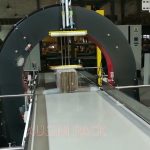
Horizontal orbital stretch wrappers provide the optimal solution for wire and cable packaging because they combine superior load stability, remarkable operational efficiency, and significant cost reduction benefits that directly address the core challenges facing metal processing facilities today. These machines wrap materials by rotating around the stationary load, creating consistent tension and secure packaging that protects valuable wire and cable products during storage and transportation. 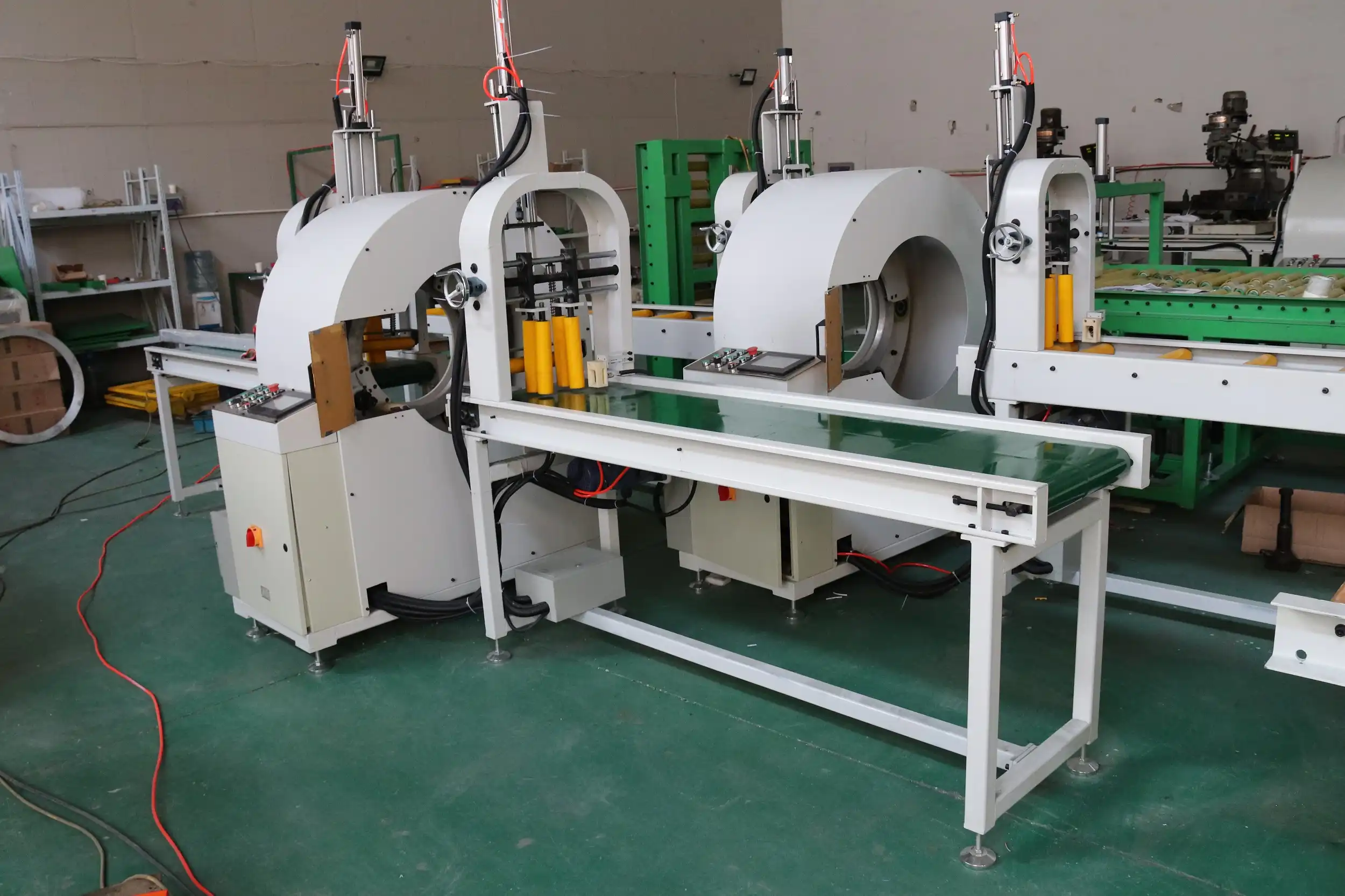

If you're tired of production bottlenecks, workplace safety concerns, and damaged products eating into your profits, understanding how horizontal orbital technology transforms packaging operations will give you the insights needed to make informed equipment decisions. Let's explore why these machines have become the industry standard for forward-thinking manufacturers.
1. How Do Horizontal Orbital Wrappers Solve Efficiency Bottlenecks in Wire Packaging?
I remember walking through our facility three years ago, watching workers manually wrap wire coils with stretch film. The process was painfully slow - each coil required 15-20 minutes of careful wrapping, and workers needed frequent breaks due to physical exhaustion. Our packaging department became the production bottleneck, with finished goods accumulating while waiting for packaging before shipment.
Horizontal orbital stretch wrappers eliminate packaging bottlenecks by automating the entire wrapping process, achieving packaging speeds 3-5 times faster than manual methods while maintaining consistent quality. These machines can wrap a standard wire coil in 3-5 minutes compared to 15-20 minutes manually, dramatically increasing throughput. The automation allows your packaging line to keep pace with production, eliminating the accumulation of unfinished products and ensuring timely order fulfillment. 

Key Efficiency Features That Transform Packaging Operations
| Feature | Manual Wrapping | Horizontal Orbital Wrapper | Efficiency Gain |
|---|---|---|---|
| Time per Coil | 15-20 minutes | 3-5 minutes | 75-85% faster |
| Labor Required | 1-2 workers | 0.5 workers (monitoring) | 50-75% reduction |
| Consistency | Variable | Perfectly uniform | Eliminates rework |
| Film Usage | Often excessive | Optimized tension control | 15-25% savings |
The operational transformation becomes even more impressive when you examine specific machine capabilities:
🚀 Rapid Cycle Times: Modern horizontal wrappers like the Fengding models complete full wrapping cycles in as little as 2-3 minutes for standard coils, with programmable settings for different product sizes.
📊 Continuous Operation: Unlike manual workers who need breaks, these machines operate 24/7 with minimal supervision, dramatically increasing daily output capacity.
🔄 Quick Changeover: Advanced models feature memory functions that store settings for different products, reducing changeover time between different wire coil sizes to under 30 seconds.
💰 ROI Calculation: Most facilities recover their investment in 12-18 months through labor savings alone, not counting the additional benefits of reduced film usage and damage prevention.
The efficiency gains extend beyond mere speed - they transform your entire production flow, eliminating the packaging department as a constraint and creating a smoother, more predictable operational rhythm. (automated wire coil packaging, horizontal wrapper efficiency, packaging bottleneck solutions)
2. What Safety Advantages Do Horizontal Orbital Wrappers Offer Over Manual Methods?
The incident that finally pushed me to seek automated solutions occurred when one of our most experienced workers strained his back while manually positioning a 500kg wire coil for wrapping. The resulting workers' compensation claim, lost productivity, and recruitment costs for a replacement exceeded $25,000 - a stark reminder that workplace safety isn't just ethical, it's financial.
Horizontal orbital stretch wrappers dramatically improve workplace safety by eliminating manual handling of heavy loads, reducing repetitive motion injuries, and creating physical separation between workers and moving machinery. These machines are designed with operator safety as a core principle, featuring guarded rotation areas, emergency stop systems, and automated functions that keep personnel at a safe distance during operation. The risk reduction extends beyond immediate injury prevention to long-term health preservation by eliminating the repetitive stress of manual wrapping motions. 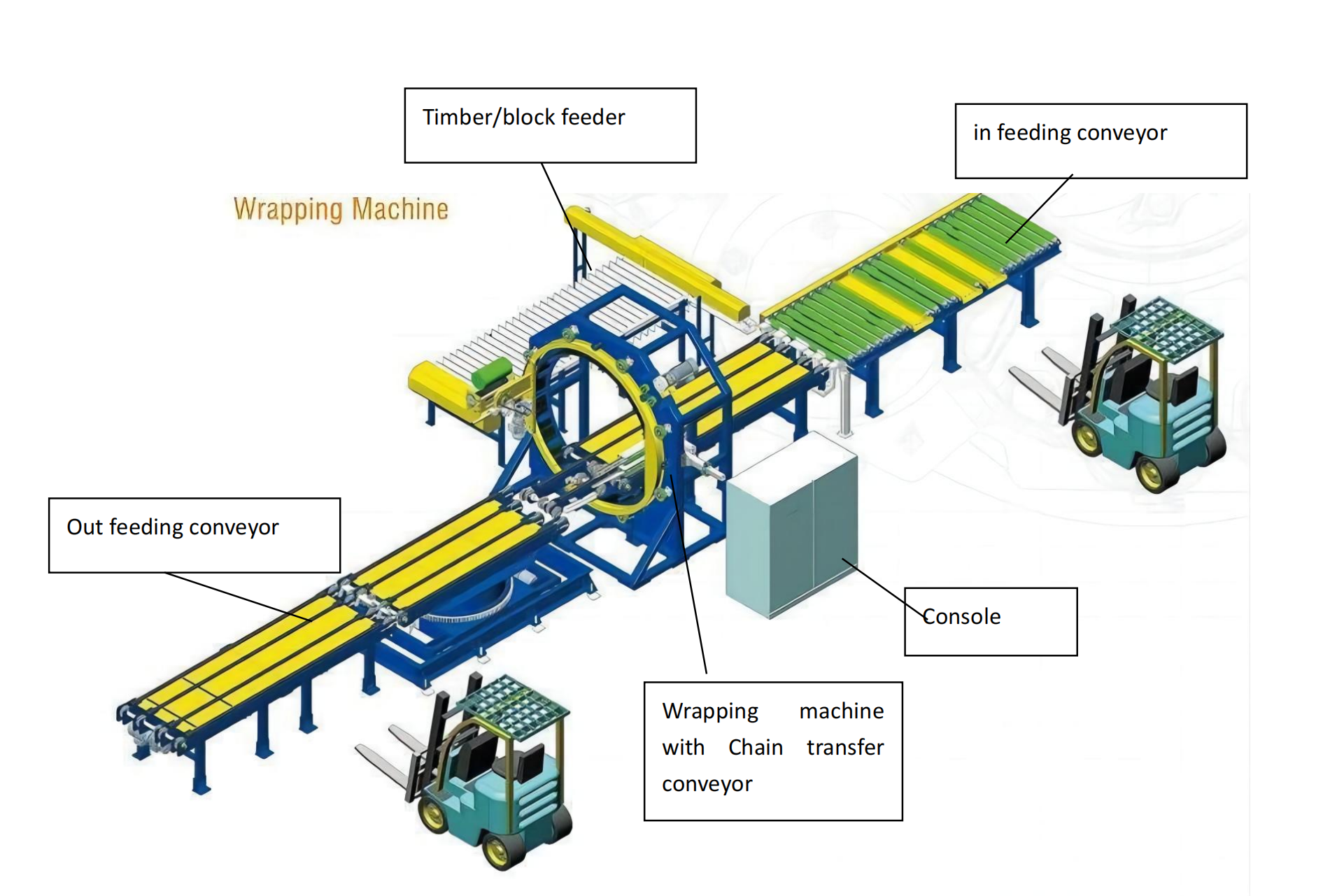

🔒 Critical Safety Mechanisms in Modern Horizontal Wrappers
Physical Guarding Systems
- Rotating arm protection shields that prevent contact during operation
- Infrared presence detection that automatically stops rotation when personnel approach
- Interlocked access doors that halt machine function when opened
Ergonomic Design Elements
- Height-adjustable platforms that eliminate bending and reaching
- Control panels positioned for optimal visibility without entering danger zones
- Remote operation capabilities allowing supervision from safe distances
Emergency Response Features
- Prominently placed emergency stop buttons at multiple locations
- Automatic braking systems that halt rotation within seconds
- Fail-safe mechanisms that maintain tension during power interruptions
The safety transformation extends beyond the machine itself to the broader work environment. Without manual handling of heavy coils, your facility experiences fewer slip/trip hazards, reduced congestion in packaging areas, and elimination of knife-related injuries from film cutting. Insurance providers recognize these risk reductions, often offering premium discounts of 10-15% for facilities implementing automated packaging solutions.
When comparing manufacturers, Fengding stands out for their comprehensive safety approach, while Wuxi Buhui offers robust basic protection. The choice depends on your specific risk profile and safety culture, but any quality horizontal wrapper represents a massive safety upgrade over manual methods. (packaging safety solutions, automated wrapping injury prevention, industrial equipment safety features)
3. How Do Horizontal Wrappers Reduce Product Damage and Material Costs?
Nothing frustrates me more than receiving customer complaints about damaged wire edges - especially when the damage occurs during our own packaging process. Before implementing horizontal orbital wrappers, we consistently experienced 2-3% product damage during packaging and internal handling, creating significant financial losses and customer satisfaction issues.
Horizontal orbital wrappers significantly reduce product damage through consistent, controlled tension application and complete load encapsulation, while simultaneously lowering material costs through optimized film usage and reduced labor expenses. The machines apply film with precise, programmable tension that securely holds wire coils without excessive pressure that can deform edges or crush delicate cable surfaces. This consistent application prevents the loose wrapping and tension variations common in manual methods that lead to load shifting and subsequent damage during handling and transportation. 

💰 Cost Reduction Analysis: Manual vs. Automated Wrapping
Let's examine the specific financial impact through a typical operational comparison:
Product Damage Costs
- Manual wrapping damage rate: 2-3% of product value
- Automated wrapping damage rate: 0.5-1% of product value
- Monthly savings (assuming $100,000 monthly shipments): $1,000-$2,000
Material Utilization Efficiency
- Manual film usage: Often 15-25% excessive due to inconsistent application
- Automated film usage: Precisely calibrated with tension control
- Film cost reduction: Typically 15-20% monthly savings
Labor Cost Comparison
- Manual wrapping: Requires 1-2 workers constantly
- Automated operation: Requires 0.5 workers (monitoring multiple machines)
- Labor reduction: 50-75% depending on operation scale
📊 Additional Financial Benefits Beyond Direct Cost Savings
The financial advantages extend beyond these immediately quantifiable areas:
🛑 Elimination of Recouping Costs: Manual wrapping often requires additional strapping or recouping before shipment - automated wrapping creates shipment-ready loads in a single operation.
📦 Reduced Secondary Packaging: Properly wrapped loads often eliminate the need for additional corner boards or edge protection used with manual methods.
🚚 Transportation Damage Reduction: Consistently wrapped loads experience less in-transit damage, reducing customer returns and associated freight costs.
⚡ Energy Efficiency: Modern horizontal wrappers use surprisingly little energy, with most models operating on standard industrial power without special requirements.
The combination of damage prevention, material optimization, and labor efficiency typically delivers a complete ROI within 12-18 months, after which these machines generate pure profit improvement. When selecting equipment, Fengding models particularly excel in film optimization technology, while Wuxi Buhui offers solid basic efficiency - both represent substantial upgrades over manual operations. (packaging cost reduction, product damage prevention, automated wrapping ROI)
4. What Should Manufacturers Look for When Selecting a Horizontal Orbital Wrapper?
After two decades in manufacturing management and working with numerous equipment suppliers, I've developed a keen understanding of what separates exceptional partners from mediocre vendors. The machine itself is only part of the equation - the supplier's expertise, support capabilities, and industry understanding ultimately determine long-term success.
Manufacturers should prioritize equipment reliability, supplier technical expertise, comprehensive service support, and specific features matching their product characteristics when selecting horizontal orbital wrappers. The ideal partner understands not just the machine mechanics, but your production challenges, material characteristics, and operational constraints. They should provide clear documentation of machine capabilities, offer realistic performance guarantees, and demonstrate deep knowledge of wire and cable packaging requirements specifically.
🔍 Critical Selection Criteria for Horizontal Wrappers
Technical Specifications Checklist
- Load capacity matching your heaviest coils with 20% safety margin
- Rotation speed adjustability for different product types
- Film carriage movement precision for consistent overlap
- Control system programmability for multiple product settings
- Structural frame robustness for continuous operation
Supplier Qualification Assessment
- Industry experience specifically with metal processing clients
- Technical support response time guarantees
- Spare parts availability and inventory transparency
- Installation and training program comprehensiveness
- Reference customer verification process
Operational Compatibility Factors
- Footprint matching your available floor space
- Integration capability with existing material handling systems
- Maintenance accessibility for routine service tasks
- Operator interface intuitiveness for your workforce
- Future modification or upgrade flexibility
⭐ My Personal Insights After 20+ Years in Manufacturing
Having navigated equipment selection processes both as a factory employee and now as a manager, I've identified several often-overlooked considerations:
💡 Total Cost of Ownership Perspective: Look beyond purchase price to include installation, training, maintenance, and potential production impact during implementation.
🤝 Partnership Mentality: Seek suppliers who ask thoughtful questions about your specific challenges rather than just quoting specifications.
🔧 Service Realities: Verify that promised response times are realistic given your location and the supplier's service network density.
📈 Scalability Consideration: Consider not just current needs but potential future requirements as your business evolves.
Based on my experience across multiple facilities, Fengding consistently delivers exceptional reliability and support, while Wuxi Buhui offers solid performance at competitive pricing. The right choice depends on your specific operational priorities and support requirements. (horizontal wrapper selection criteria, packaging equipment evaluation, industrial machinery procurement)
Conclusion
Horizontal orbital stretch wrappers transform wire and cable packaging through unmatched efficiency, safety, and cost control. For manufacturers seeking reliable automation solutions, these machines deliver measurable ROI while solving core operational challenges. Explore our recommended Orbital Stretch Wrapper options to begin your packaging transformation today.
Related posts: