Troubleshooting Common Issues with Industrial Orbital Stretch Wrappers
As a factory manager, you know the feeling. The production line is humming, orders are shipping on time, and then your orbital stretch wrapper grinds to a halt. Suddenly, your entire shipping schedule is at risk. This machine is the final gatekeeper before your products reach your customers. When it fails, everything stops. The pressure mounts, costs rise, and frustration builds. This is the reality for many operations relying on this critical piece of packaging equipment.
The most common issues with industrial orbital stretch wrappers typically stem from three core areas: improper film handling and tension control, mechanical wear or misalignment in the rotating ring or drive system, and electrical or control system faults. A systematic approach to diagnosing these problems can minimize costly downtime and maintain packaging integrity. 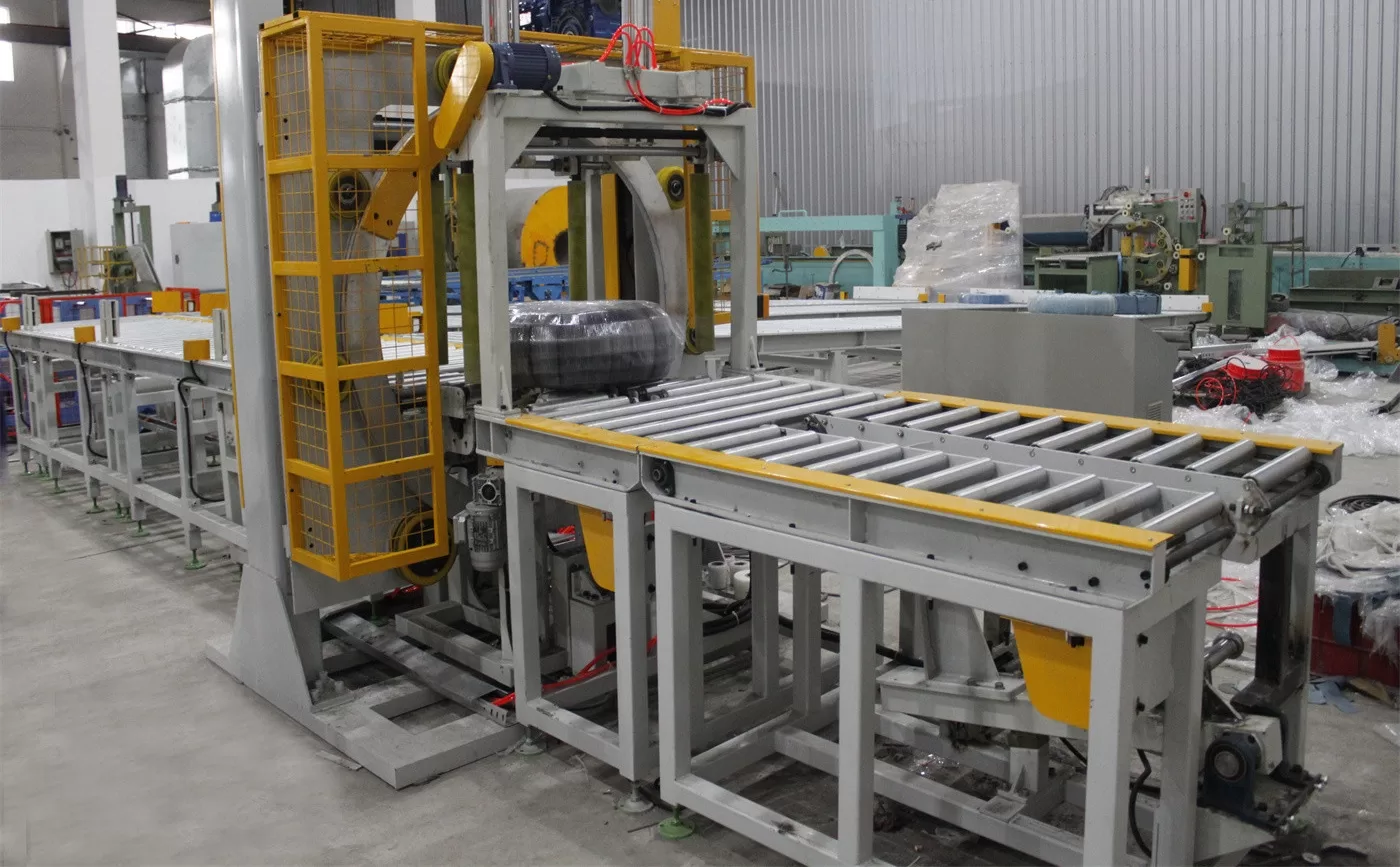

Let's move beyond the initial panic. This guide is designed for professionals like you, who need practical, actionable solutions. We will break down the most frequent problems, explain their root causes, and provide clear troubleshooting steps. By understanding these issues, you can transform from reactive problem-solver to proactive maintenance expert, ensuring your packaging line remains a reliable asset, not a constant liability. (industrial orbital stretch wrapper problems, packaging line downtime causes)
1. Why is the Stretch Film Breaking or Tearing Constantly?
Nothing halts packaging efficiency faster than film that won't stay intact. You load a new roll, start the cycle, and seconds later, you hear a snap. The film is torn, the load is partially wrapped, and your operator is scrambling to re-thread the machine. This recurring issue is a major source of waste and frustration, directly hitting your bottom line through material costs and lost time.
Persistent film breakage is usually caused by incorrect film tension settings, damaged or dirty film carriage components (like rollers or bearings), using film with the wrong prestretch percentage for the application, or physical obstructions on the load itself that snag the film during rotation. 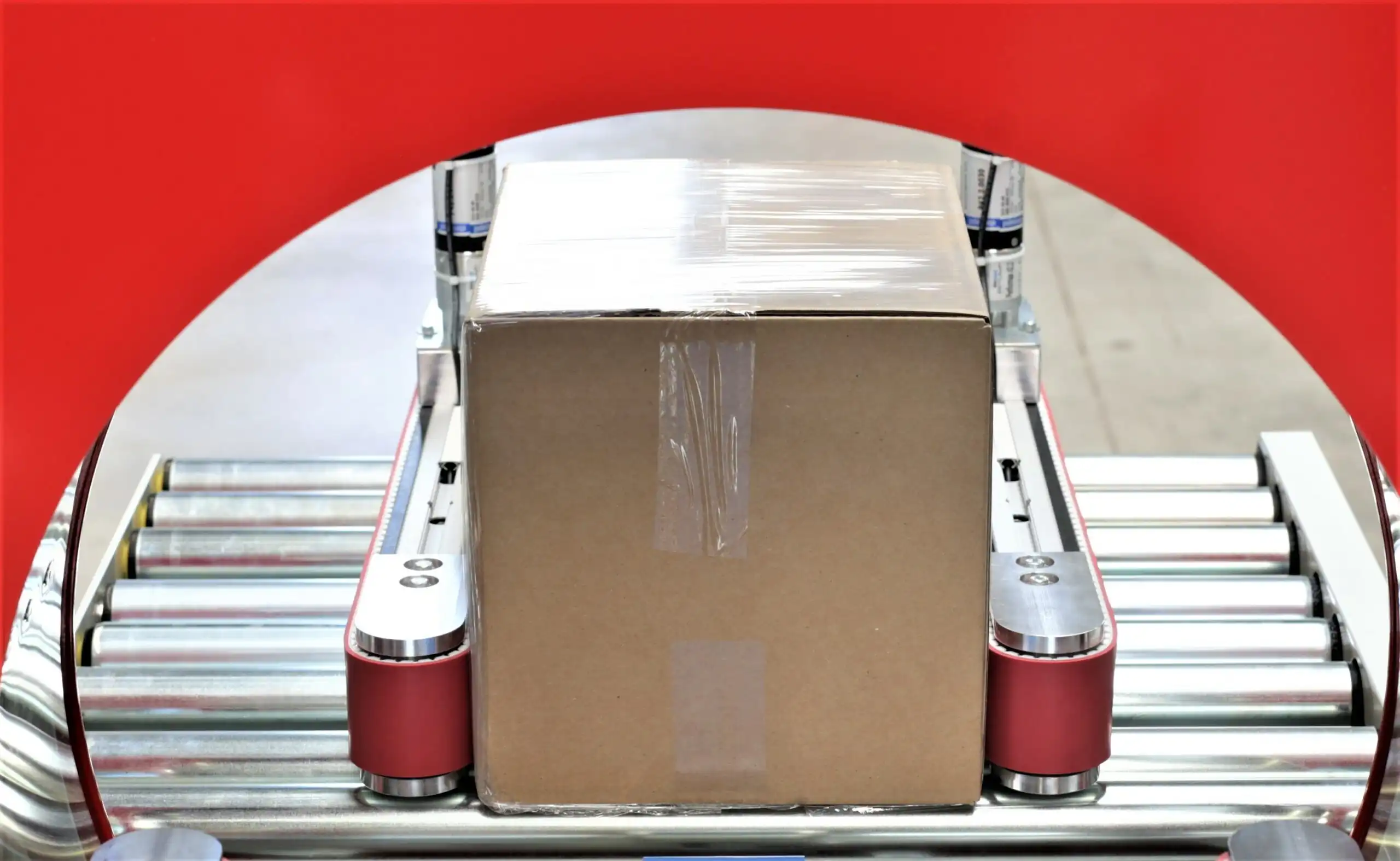

To dive deeper, we need to dissect the film path and tension system. Think of it as a chain; a weak link anywhere causes failure.
🔍 The Film Path Audit: A Step-by-Step Check
Start from the film roll and follow the path to the load. Use this checklist:
| Checkpoint | What to Look For | Common Fix |
|---|---|---|
| Film Roll | Is it the correct gauge/width? Is it damaged or stored improperly? | Use manufacturer-recommended film. Store in a cool, dry place. |
| Unwind Brake | Is it too tight, causing drag? Is it uneven? | Adjust brake tension so film pulls smoothly without over-stretching off the roll. |
| Prestretch Rollers | Are they clean? Are the rubber surfaces worn, cracked, or glazed? | Clean with appropriate solvent. Replace if worn. Ensure they rotate freely. |
| Bearings & Guides | Is there resistance, grinding, or play in the film carriage bearings or guide rollers? | Lubricate or replace bearings. Ensure all guides are aligned and free of burrs. |
| Film Tail Clamp | Does it have sharp edges or residue that cuts the film? | File down sharp edges. Clean off adhesive or film buildup. |
⚙️ Tension and Prestretch: Finding the Sweet Spot
Incorrect tension is a prime culprit. Too high, and the film over-stretches and snaps. Too low, and the load is loose.
- Mechanical Tension Systems: Older machines often use a friction brake on the film roll shaft. If the brake pad is worn or adjusted incorrectly, tension will be inconsistent. Check and replace the pad if necessary.
- Electronic Tension Control: Modern wrappers use servo-driven systems. If film breaks, the preset tension value in the PLC might be too high for the film grade. Consult your film supplier's data sheet for optimal prestretch settings (often between 200-250%). Recalibrate the system according to the manual.
- Load Profile Matters: A load with sharp corners, protruding bolts, or irregular shapes needs special attention. Consider using a protective top frame or corner boards to create a smoother wrapping surface. The machine's rotation speed may also need to be reduced for problematic loads to prevent snagging.
A final, often-overlooked point is film quality. Not all stretch film is created equal. Consistently using a low-grade, off-brand film to save money can result in more breaks, more waste, and ultimately, higher costs. Partner with a reputable supplier and stick to a film type that has proven reliable in your specific application. (stretch film breakage causes, prestretch roller maintenance, orbital wrapper film tension settings)
2. Why is the Rotating Ring Sticking, Jerking, or Making Loud Noises?
The smooth, continuous rotation of the ring is the heart of the orbital wrapping process. When that motion becomes erratic—sticking, jerking, or emitting grinding or squealing noises—it signals a serious mechanical problem. This not only creates poor wraps but also puts immense stress on the drive motor and gearbox, leading to potential catastrophic failure.
A jerking or noisy rotating ring is most often due to a lack of lubrication on the ring's support rollers or drive track, misaligned or seized support rollers, a failing drive motor or gearbox, or a damaged drive chain/belt. 

Let's explore the mechanical components that keep the ring in motion. Ignoring these noises is like ignoring a knocking sound in your car's engine; it only gets more expensive.
🛠️ The Mechanical Support System
The ring is a heavy structure. It is supported and driven by a coordinated system.
-
Support Rollers/Bearings: These are the "wheels" the ring rides on. Over time, dirt, dust, and film debris can build up on the tracks, causing the rollers to stick or bind. The rollers themselves can wear out, becoming flat-spotted or losing their bearings.
- Action: Clean the upper and lower guide tracks thoroughly. Manually rotate the ring and check each support roller. They should all spin freely with no grinding. Replace any that are seized or rough.
-
Drive System: This is what provides the power.
- Chain/Belt Drive: Inspect the drive chain for proper tension (about 1/2 inch of play). A loose chain can jump and cause jerking. Look for stiff links, rust, or wear. Check the drive belt for cracks, glazing, or looseness.
- Gear and Pinion Drive: Listen for a grinding or chattering noise, which indicates worn gears. Check the gear mesh alignment and look for missing teeth. The gearbox oil should be checked and changed per the maintenance schedule.
🔧 Lubrication: The Simplest Preventative Fix
Lack of lubrication is the #1 cause of premature wear and noisy operation. The type of lubricant matters.
- Guide Tracks: Use a dry-film graphite lubricant or a light silicone spray. Avoid wet greases or oils, as they attract dust and debris, creating a grinding paste.
- Drive Chains: Use a dedicated chain lubricant that penetrates the links but isn't overly sticky.
- Gearboxes: Use only the grade of oil specified in the manual.
Establish a weekly lubrication routine as part of your preventative maintenance (PM) schedule. A well-lubricated machine runs quieter, smoother, and lasts years longer. If the noise persists after lubrication and visual inspection, the issue may be internal bearing failure in the drive motor or a failing speed controller, which requires professional diagnosis. (orbital wrapper rotating ring noise, stretch wrapper lubrication guide, packaging machine drive system maintenance)
3. Why is the Machine Not Wrapping the Load Consistently or Securely?
You run identical loads through the wrapper, but the results are unpredictable. One load is tight and secure; the next is loose, with film layers that don't overlap correctly or a tail that doesn't seal. Inconsistent wrapping defeats the purpose of automation, leading to potential load collapse in transit and customer complaints about damaged goods.
Inconsistent wrapping is frequently caused by an unstable or poorly positioned load on the turntable, incorrect programming of the wrap cycle (overlap, film count, top/bottom wrap), variations in film tension, or a malfunctioning film carriage that does not move up/down at a steady speed. 

Achieving consistency requires stability in both the load and the machine's programmed cycle. Let's break down the variables.
📦 Load Stability: The Foundation of a Good Wrap
The machine can only wrap what you give it. An unstable load guarantees a bad wrap.
- Turntable Centering: The load's center of gravity must be as close as possible to the center of the turntable. An off-center load will wobble violently at high speeds, causing the film to be applied unevenly and potentially causing machine damage. Use alignment guides or a centering device.
- Load Integrity: Pallets must be in good condition. A broken or sagging pallet will shift during rotation. The product itself must be stacked stably and, if possible, unitized with interlocking patterns or glue before wrapping.
💻 Cycle Programming: It's Not Just "Start"
Modern wrappers have programmable logic controllers (PLCs). Inconsistent results often stem from an operator accidentally changing a parameter or using the wrong program for the load.
- Key Parameters to Verify:
- Film Overlap: This is the percentage each film spiral overlaps the previous one. Standard is 50%. If set too low, gaps appear.
- Number of Wraps/Film Count: Determines how many layers of film are applied. For heavy loads, 2-3 bottom wraps, full wraps, and 2-3 top wraps are common.
- Carriage Speed: The speed at which the film carriage moves up and down relative to the ring rotation. This controls the spiral pitch. An inconsistent carriage speed, due to a faulty motor or drive, will create uneven wrap patterns.
- Top/Bottom Wrap Settings: Ensures film is locked around the top and bottom of the load. Verify the number of dedicated wraps at the top and bottom of the cycle.
🎯 The Importance of Standardization
Create and label saved programs in the machine's memory for your most common load types (e.g., "48in Steel Coil," "Palletized Wire Spools"). Train all operators to select the correct program. This removes human guesswork and ensures every similar load is wrapped identically. If problems persist with correct programming, the issue is likely mechanical, such as a slipping carriage drive belt or a faulty encoder that provides inconsistent speed feedback to the PLC. (inconsistent stretch wrapping solutions, load stability for packaging, orbital wrapper PLC programming)
4. How Do You Troubleshoot Electrical and Control System Failures?
This is the category that can be most intimidating. The machine is dead, displays an error code, or behaves erratically without a clear mechanical cause. Electrical issues can seem complex, but a logical, safe approach can often isolate the problem before calling for expensive external service.
Start by performing basic electrical safety checks (power supply, circuit breakers, emergency stops), then interpret any error codes on the Human-Machine Interface (HMI). Common failures include faulty sensors (like photoelectric eyes for film break detection or limit switches for carriage travel), loose wiring connections, or a malfunctioning programmable logic controller (PLC).
Electrical troubleshooting is a process of elimination. Always lock out/tag out the main power before inspecting any components.
🔌 The Systematic Diagnostic Approach
Follow this sequence to avoid overlooking simple solutions:
- Power Supply: Is the machine plugged in? Is the main disconnect switch in the ON position? Check the voltage at the main terminal block with a multimeter (after ensuring safety procedures). A phase loss or low voltage can cause strange behavior.
- Circuit Protection: Check all fuses and circuit breakers in the main control panel. A blown fuse often indicates a downstream problem (like a shorted motor), so don't just replace it without investigation.
- Emergency Stops & Safety Circuits: Ensure all E-Stop buttons are released and fully rotated back to their normal position. Check that all safety guarding switches (like door interlocks) are properly engaged. These are designed to cut power and will prevent startup if triggered.
- HMI Error Codes: Modern machines display alphanumeric error codes (e.g., "E-05" or "Axis Fault"). Refer to the manufacturer's manual. This code is your best clue. It might point directly to an over-temperature motor, a communication fault, or a specific sensor failure.
⚡ Sensor and Component-Level Checks
If power is good and error codes point to a specific area, inspect further.
- Sensors: Photoelectric eyes and limit switches get dirty or misaligned.
- Film Break Sensor: Manually block the sensor beam. Does the HMI recognize a "film break"? If not, clean the lens, check alignment, or test/replace the sensor.
- Limit Switches: These tell the PLC when the carriage has reached the top or bottom of its travel. If a switch fails, the carriage may keep trying to move, causing a fault. Manually activate the switch with a tool and listen for a click. Use a multimeter to check for continuity.
- Wiring Connections: Vibration can loosen terminal blocks or wire connectors. With power OFF, visually inspect and gently tug on connections in the control panel and at major components (motors, sensors).
- PLC & Drives: Unless you have specific training, diagnosis here is limited. You can check for status lights. A solid fault light on a variable frequency drive (VFD) or servo drive indicates a problem documented in its manual. Often, cycling power can reset a transient fault. If not, professional service is needed.
Document any faults and solutions. This log becomes invaluable for predicting future failures and streamlining repairs. (stretch wrapper electrical troubleshooting, HMI error code diagnosis, packaging machine sensor maintenance)
My Insights!
Having spent decades on both sides—first as an engineer solving these problems in a factory, and now as a manufacturer building these machines—I see a clear pattern. The most reliable operations don't just fix problems; they prevent them. They view their orbital stretch wrapper not as a commodity, but as a critical system. They invest in quality equipment from the start, like the durable machines from Fengding, known for their robust construction and stable performance, or the reliable models from Wuxi Buhui. More importantly, they invest in knowledge. They have a clear preventative maintenance schedule, they train their operators to understand the machine's basic functions and alarms, and they build a relationship with a supplier who offers real technical support, not just a sales pitch. The goal is to move from a cycle of breakdown and repair to a state of predictable, uninterrupted operation. That is where true packaging efficiency and cost savings are found. (preventative maintenance for packaging lines, choosing reliable stretch wrapper brands)
Conclusion
Effective troubleshooting of industrial orbital wrappers requires a methodical approach, addressing film, mechanical, operational, and electrical systems. For a lasting solution, partner with a knowledgeable manufacturer like Orbital Stretch Wrapper who understands real-world factory challenges.
Related posts: