The Role of Horizontal Orbital Stretch Wrappers in Steel Coil Packaging?
As a packing machine engineer who built my own factory from scratch, I've seen countless operations struggle with steel coil packaging. Many plant managers face daily battles with slow manual processes, safety hazards, and damaged products during packaging. The frustration is real - when packaging becomes your production bottleneck, it affects your entire operation's profitability and reputation.
Horizontal orbital stretch wrappers provide the automated solution for steel coil packaging by securely wrapping coils in protective film through rotating ring technology, eliminating manual labor while ensuring consistent, damage-free results. These machines address the core challenges steel manufacturers face: reducing labor costs, minimizing product damage, and creating safer working environments. The rotating ring design allows the machine to wrap coils horizontally while they remain stationary, making the process both efficient and safe for heavy steel products.

If you're tired of packaging bottlenecks slowing down your production line, this article will show you exactly how horizontal orbital wrappers can transform your steel coil packaging process. We'll explore the specific benefits, key features to look for, and real-world applications that make this technology essential for modern metal processing facilities.
1. What Problems Do Horizontal Orbital Stretch Wrappers Solve in Steel Coil Packaging?
Steel coil packaging presents unique challenges that traditional methods struggle to address effectively. The weight, size, and value of steel coils demand specialized packaging solutions that prioritize both protection and efficiency. Many facilities still rely on manual methods that create multiple pain points throughout the packaging process.
Horizontal orbital stretch wrappers specifically solve three critical problems in steel coil packaging: manual handling risks, inconsistent wrapping quality, and production bottlenecks caused by slow packaging speeds. These machines eliminate the need for workers to manually wrap heavy coils, provide consistent film tension and overlap for optimal protection, and operate at speeds that keep pace with your production line. The automation reduces labor requirements while improving overall packaging quality and throughput.

🛠️ Specific Pain Points Addressed
| Problem | Traditional Method | Horizontal Orbital Solution |
|---|---|---|
| Worker Safety | Manual lifting and wrapping | No direct contact with heavy coils |
| Consistency | Variable worker performance | Programmable, repeatable wraps |
| Speed | 15-30 minutes per coil | 3-5 minutes per coil |
| Film Usage | Often excessive or insufficient | Optimized film consumption |
| Damage | Frequent edge damage | Full perimeter protection |
📊 Efficiency Improvements
- Labor Reduction: Most facilities report 60-80% reduction in packaging labor costs
- Throughput Increase: Automated systems package 4-6 times more coils per hour compared to manual methods
- Downtime Reduction: Consistent packaging process eliminates variability and delays
- Material Savings: Precise film control reduces material waste by 15-25%
🚨 Safety Transformation
The safety benefits extend beyond eliminating manual handling. These machines incorporate multiple safety features:
- Emergency stop buttons at strategic locations
- Safety interlocks that prevent operation when guards are open
- Automatic detection of improper coil positioning
- Reduced worker exposure to sharp coil edges
When I visited a steel processing plant in Monterrey last year, the manager showed me their injury reports from before and after installing a horizontal orbital wrapper. They'd eliminated 3-4 back injury claims per year and reduced their workers' compensation premiums significantly. More importantly, their workers felt safer and morale improved dramatically.
(steel coil packaging automation, horizontal wrapper benefits, packaging labor reduction)
2. How Do Horizontal Orbital Wrappers Improve Packaging Efficiency and Safety?
Efficiency and safety often seem like competing priorities in industrial settings, but with the right equipment, they actually reinforce each other. The design of horizontal orbital wrappers creates natural synergies between these two critical operational metrics. When packaging processes are streamlined and automated, safety incidents naturally decrease.
Horizontal orbital wrappers improve packaging efficiency by automating the entire wrapping process with consistent cycle times, while simultaneously enhancing safety by removing workers from direct contact with heavy coils and sharp edges. The machine's rotating ring design wraps coils horizontally while they remain stationary on their storage position, eliminating the need for lifting, turning, or manual handling. This dual benefit makes them particularly valuable in high-volume steel processing environments where both throughput and worker protection are paramount.
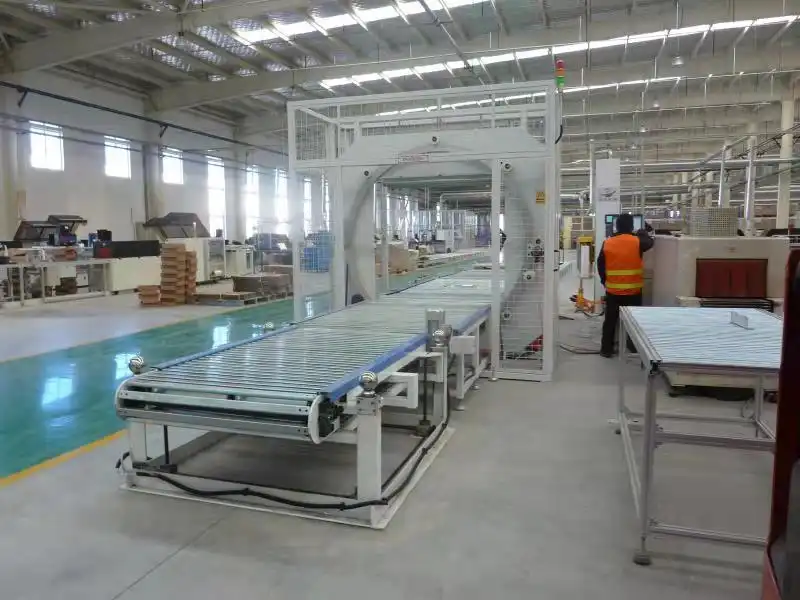
⚡ Efficiency Metrics
Cycle Time Reduction
- Manual wrapping: 15-30 minutes per coil
- Semi-automatic: 8-12 minutes per coil
- Horizontal orbital: 3-5 minutes per coil
Labor Optimization
- Pre-automation: 2-3 workers per shift dedicated to packaging
- Post-automation: 1 worker oversees multiple machines
- Skill requirements shift from physical labor to equipment operation
Throughput Consistency
- ❌ Manual: Variable output depending on worker fatigue and skill
- ✅ Automated: Consistent output regardless of time of day or shift
🛡️ Safety Enhancements
Eliminated Hazards
- No manual lifting of heavy coils
- No workers reaching across sharp edges
- Reduced repetitive motion injuries
- Minimal film handling
Engineered Safeguards
- Light curtains that stop machine if breached
- Pressure-sensitive floor mats around equipment
- Two-hand operation requirements for certain functions
- Automatic emergency braking systems
💰 ROI Calculation Example
Let's examine a typical steel processor packaging 40 coils per day:
| Cost Category | Manual Process | Horizontal Orbital | Annual Savings |
|---|---|---|---|
| Labor (2 workers) | $120,000 | $40,000 | $80,000 |
| Film Usage | $45,000 | $36,000 | $9,000 |
| Damage Claims | $25,000 | $5,000 | $20,000 |
| Total | $190,000 | $81,000 | $109,000 |
With equipment costs typically between $80,000-$150,000, most facilities achieve payback in 9-18 months. The ongoing benefits continue year after year, making this one of the highest-return investments a steel processor can make.
I recently worked with a plant manager who was skeptical about the ROI claims. We installed a demonstration unit for two weeks and tracked every metric. Not only did they achieve the projected savings, but they discovered additional benefits in shipping reliability and customer satisfaction that hadn't been part of the original calculation.
(packaging efficiency metrics, horizontal wrapper safety features, automated packaging ROI)
3. What Key Features Should You Look for in a Horizontal Orbital Stretch Wrapper?
Selecting the right horizontal orbital wrapper requires understanding which features deliver real operational value versus those that are merely marketing gimmicks. The steel coil environment is particularly demanding, so equipment must be robust enough to handle the weight, sharp edges, and constant use typical in metal processing facilities.
When selecting a horizontal orbital stretch wrapper for steel coil applications, prioritize these essential features: heavy-duty construction with minimum 8-inch steel frame, variable speed control with torque management, programmable logic controller with multiple preset options, and safety systems including emergency stops and guarding. The machine must be built specifically for industrial metal processing environments, not adapted from lighter-duty applications. The structural integrity determines long-term reliability more than any other factor.
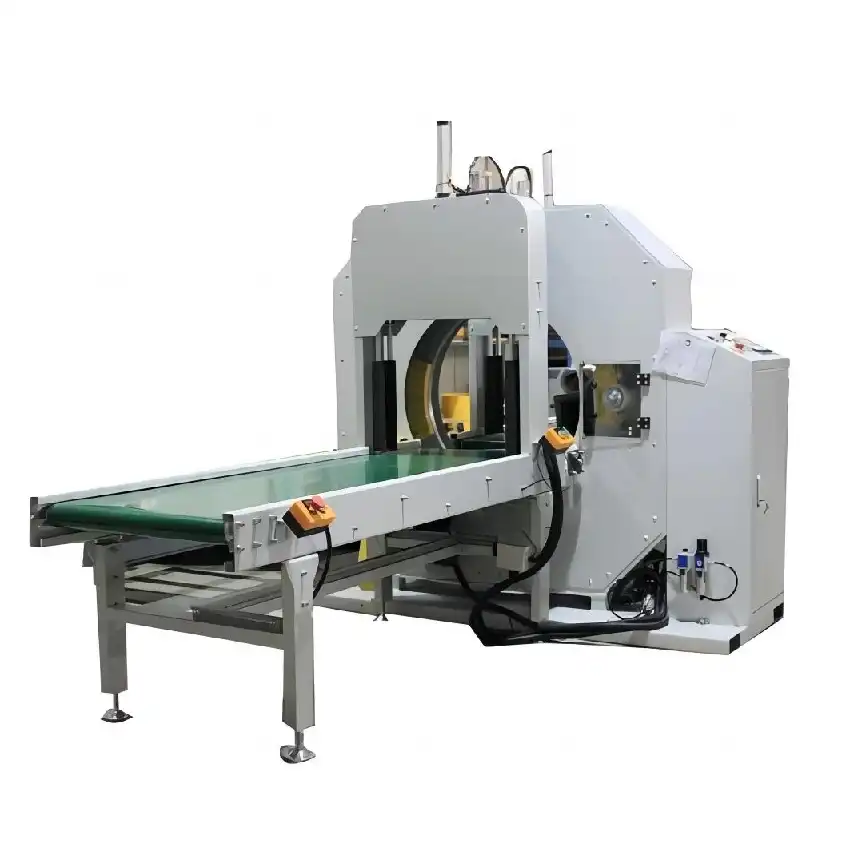
🏗️ Structural Requirements
Frame Construction
- Minimum 8-inch structural steel members
- Reinforced connection points at stress areas
- Corrosion-resistant coating or paint system
- Designed for your specific coil weights and dimensions
Drive System
- Industrial-grade motors with adequate horsepower
- Gear reducers rather than chain drives for heavy loads
- Oversized bearings at rotation points
- Emergency braking capability
🎛️ Control Systems
Basic Must-Haves
- Programmable wraps (multiple preset configurations)
- Variable speed control (different materials need different tensions)
- Film pre-stretch capability (200-250% optimal)
- Simple troubleshooting diagnostics
Advanced Options
- Remote monitoring capabilities
- Integration with plant management systems
- Data collection for OEE calculations
- Predictive maintenance alerts
🔧 Maintenance Considerations
Accessibility Features
- Easy access to electrical components
- Modular design for component replacement
- Standardized parts whenever possible
- Local technical support availability
Service Requirements
- Daily: Visual inspection and basic cleaning
- Weekly: Lubrication and bolt tightening checks
- Monthly: Electrical connection verification
- Annual: Comprehensive inspection and calibration
📋 Brand Comparison
| Feature | Fengding (Recommended) | Wuxi Buhui (Secondary) | Generic Import |
|---|---|---|---|
| Frame Construction | 10-inch steel | 8-inch steel | 6-inch steel |
| Motor Quality | Industrial AC | Industrial AC | Light-duty DC |
| Control System | Advanced PLC | Basic PLC | Simple relay |
| Local Support | Full service network | Limited distributors | None |
| Price Point | Premium | Mid-range | Budget |
Based on my experience working with dozens of metal processors, I consistently see better long-term performance from Fengding machines. Their heavier construction and better components result in less downtime and longer service life. While Wuxi Buhui offers acceptable performance for lighter applications, Fengding's specialized design for steel coils makes them worth the additional investment for serious production environments.
(horizontal wrapper selection criteria, steel coil packaging equipment features, industrial stretch wrapper specifications)
4. How Do You Implement Horizontal Orbital Wrappers in Existing Production Lines?
Implementation planning separates successful automation projects from expensive failures. The physical installation represents only one aspect of the process - workflow integration, operator training, and maintenance preparation are equally important for long-term success. Proper planning ensures minimal disruption to your production during the transition.
Implementing horizontal orbital wrappers in existing production lines requires careful planning across four key areas: space assessment and preparation, material flow integration, electrical and utility requirements, and operator training protocols. The most successful implementations begin with a comprehensive audit of current packaging processes, identification of bottlenecks, and development of a phased implementation plan that minimizes production disruption. This methodical approach ensures the equipment delivers its intended benefits from day one of operation.
📐 Space and Layout Planning
Physical Requirements
- Clear floor space: Typically 20' x 20' minimum
- Ceiling height: Account for full rotation clearance
- Access paths for coil transport equipment
- Maintenance access around all sides of machine
Integration Considerations
- Coil transfer method to/from wrapper
- Film roll storage and loading access
- Wrapped coil removal and staging area
- Control station placement for operator visibility
🔌 Utility Requirements
Electrical Needs
- 480V 3-phase power standard
- Dedicated circuit with proper amperage
- Clean power supply (consider line conditioner)
- Proper grounding for safety and performance
Compressed Air
- Clean, dry air supply if machine has pneumatic components
- Appropriate pressure and volume capacity
- Filtration to remove moisture and contaminants
👷 Workforce Transition
Training Timeline
- Week 1: Basic operation and safety
- Week 2: Film loading and changeover procedures
- Week 3: Basic troubleshooting and maintenance
- Week 4: Advanced features and optimization
Staffing Impact
- Redesign packaging roles to equipment operation
- Cross-training for maintenance personnel
- Updated safety protocols and procedures
- Performance metrics aligned with automated process
📅 Implementation Timeline Example
| Week | Activities | Production Impact |
|---|---|---|
| 1-2 | Site preparation, foundation work | Minimal disruption |
| 3 | Equipment delivery and placement | Temporary area closure |
| 4 | Electrical and utility connections | Intermittent power outages |
| 5 | Machine commissioning and testing | Reduced packaging capacity |
| 6 | Operator training and parallel operation | Some efficiency loss |
| 7 | Full operation | Normal production resumed |
The most common mistake I see is rushing the implementation process. One of my clients in Guadalajara tried to compress a 7-week implementation into 3 weeks, resulting in two months of operational problems and damaged coils. When we re-implemented following a proper timeline, the same equipment performed flawlessly. The equipment quality matters, but the implementation approach matters just as much.
(production line integration, packaging automation implementation, horizontal wrapper installation)
My Insights!
Having worked with steel processors across North America, I've observed that the most successful horizontal orbital wrapper implementations share common characteristics beyond the equipment specifications. The technology provides the tools, but the operational philosophy determines the results. Companies that view the equipment as part of a broader continuous improvement initiative achieve far greater benefits than those who simply see it as a machine replacement.
The most significant insight relates to change management. Workers who've spent years manually wrapping coils often view automation with suspicion. The most successful implementations involve packaging team members in the selection process, provide comprehensive training that emphasizes the safety benefits, and redesign compensation to reward new skills rather than physical effort. This human-centered approach to technological adoption separates exceptional results from mediocre ones.
Another critical insight involves maintenance philosophy. These machines are industrial equipment, not appliances. The most reliable operations treat them as such - with scheduled maintenance, spare parts inventory, and trained technicians. The companies that struggle typically view maintenance as an unnecessary expense until breakdowns occur. Proactive maintenance costs pennies compared to reactive repair expenses and production losses.
Finally, I've learned that the best equipment suppliers like Fengding provide more than machines - they offer partnerships. Their understanding of steel processing challenges and ability to suggest operational improvements beyond the wrapping process itself often delivers additional value exceeding the equipment cost. This consultative approach transforms what could be a simple transaction into a long-term relationship that continues delivering value years after installation.
(packaging automation insights, industrial equipment implementation, stretch wrapper operational philosophy)
Conclusion
Horizontal orbital stretch wrappers transform steel coil packaging from a bottleneck into a competitive advantage through automation, safety improvements, and consistent quality. When selecting equipment, prioritize robust construction and reliable performance from manufacturers like Orbital Stretch Wrapper who specialize in heavy-duty industrial applications.
Related posts:
 “Maximize Efficiency with the Horizontal Ring Stretch Wrapping System – Welftec Type”
 “Pneumatic Cylinder-Driven Orbital Wrapper with Side and Top Rollers for Efficient Packaging”
 Efficient Orbital Wrapper Machine for Two-Layer Wrapping with Double Film Spools
 “Efficient Packaging Solutions for Various Sized Bundles: The Ultimate Guide”
 “Efficiently Wrapping Pallets: A Time-Lapse Video of a Stretch Wrapper in Action”
 “Protect Your Operators with Masterwrap HD XL Stretch Wrapper Safety Bumper”
 “Efficient and User-Friendly Automatic Horizontal Stretch Film Wrapping Machine for Packaging Needs”
 “Efficient Pallet Strapping and Wrapping Machines for Streamlined Operations”
 “Efficient Horizontal Wrapping for Your Products: Tips and Techniques”
 “Efficiently Wrap Your Pallets with the Q-300 Stretch Wrapper”