The Future of Packaging: Innovations in Horizontal Orbital Stretch Wrappers?
Are you tired of slow packaging processes that delay your production lines? Do you worry about worker safety when handling heavy coils and steel wires? Many factory managers face these exact problems every day. They struggle with manual packaging methods that cause bottlenecks and safety risks. These issues lead to lost time, higher costs, and potential injuries. The pressure to improve efficiency while keeping workers safe feels overwhelming.
Horizontal orbital stretch wrappers represent the future of industrial packaging by combining advanced automation, smart technology, and improved safety features to solve common production challenges. These machines wrap materials securely around products like coils and pipes, creating protective layers without manual labor. They use rotating rings and programmable systems to handle various shapes and sizes. This technology addresses key concerns in metal processing and heavy manufacturing industries. 

The packaging industry continues to evolve rapidly. Understanding these changes helps you make better decisions for your factory. In this article, we explore the most important innovations in horizontal orbital wrapping technology. We examine how these developments can benefit your operations. Let's look at what makes modern stretch wrappers so effective and why they matter for your business.
1. How Do Modern Horizontal Orbital Wrappers Improve Production Efficiency?
Factory managers constantly seek ways to speed up their packaging lines. Manual wrapping methods often create significant delays. Workers need time to measure film, wrap products, and secure the packaging. These steps consume valuable minutes during each cycle. When multiplied across hundreds of packages, the time loss becomes substantial. Production schedules suffer, and delivery deadlines become difficult to meet.
Modern horizontal orbital wrappers boost production efficiency through automated operation, consistent wrapping patterns, and reduced manual intervention. These machines complete packaging tasks much faster than human workers. They maintain the same speed throughout their operation. They don't need breaks or shift changes. This consistency eliminates variability in packaging times. Production managers can accurately predict how long packaging will take. They can schedule shipments with greater confidence. The automated nature of these systems means one operator can manage multiple machines simultaneously. 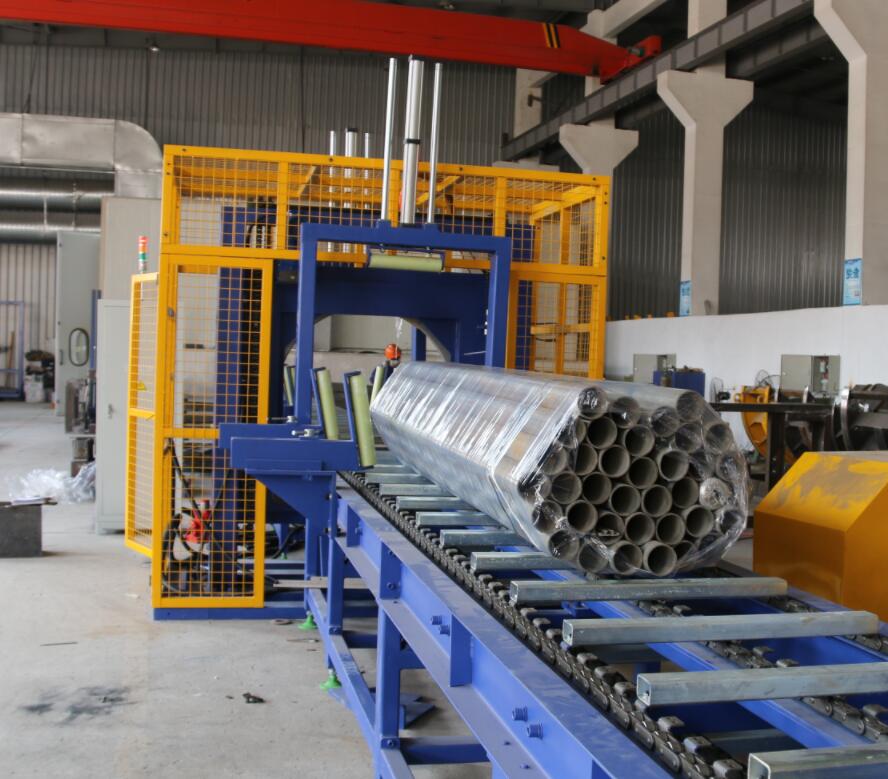
Key Efficiency Features
🔧 Automated Film Handling
- Automatic film cutting and clamping
- Pre-stretch systems that maximize film usage
- Tension control for consistent wrap quality
📊 Programmable Operation
- Memory functions for different product sizes
- Quick changeover between wrapping patterns
- Digital controls for precise adjustments
🚀 Speed Optimization
- Variable rotation speeds
- Accelerated cycle times
- Simultaneous multiple operations
Efficiency Comparison Table
| Packaging Method | Packages Per Hour | Labor Required | Consistency Level |
|---|---|---|---|
| Manual Wrapping | 5-10 | 2-3 workers | Low |
| Basic Wrapper | 15-25 | 1 operator | Medium |
| Advanced Horizontal Orbital | 30-50 | 1 operator | High |
Real Impact on Operations
Factories using horizontal orbital wrappers report significant improvements. One steel coil producer increased their packaging output by 300%. They reduced their packaging team from four workers to one. The machine operates during all three shifts without fatigue. Product damage during packaging dropped to nearly zero. The consistent wrapping quality eliminated customer complaints about loose packaging.
The initial investment in quality equipment pays back quickly. Brands like Fengding lead in providing reliable solutions. Their machines demonstrate excellent return on investment. Wuxi Buhui offers good alternatives for different budget levels. Both manufacturers understand industrial packaging needs. They design machines that withstand continuous operation in demanding environments. (automated packaging solutions, production line efficiency)
2. What Safety Innovations Protect Workers in Modern Wrappers?
Safety concerns keep many factory managers awake at night. Heavy coil handling presents multiple hazards. Workers risk back injuries from lifting. They face crush hazards when positioning materials. Sharp edges on metal products can cause cuts and lacerations. Traditional packaging methods require close contact with moving products. Even experienced workers can have accidents after long shifts. The consequences include medical costs, lost productivity, and regulatory issues.
Modern horizontal orbital wrappers incorporate multiple safety innovations including guarded moving parts, emergency stop systems, and automated material handling that minimize worker exposure to hazards. These machines create physical barriers between operators and dangerous components. They use sensors to detect unusual conditions. Automatic shutdown features prevent accidents before they happen. The design focuses on keeping people safe while maintaining high productivity. Safety isn't an afterthought—it's built into every aspect of the machine. 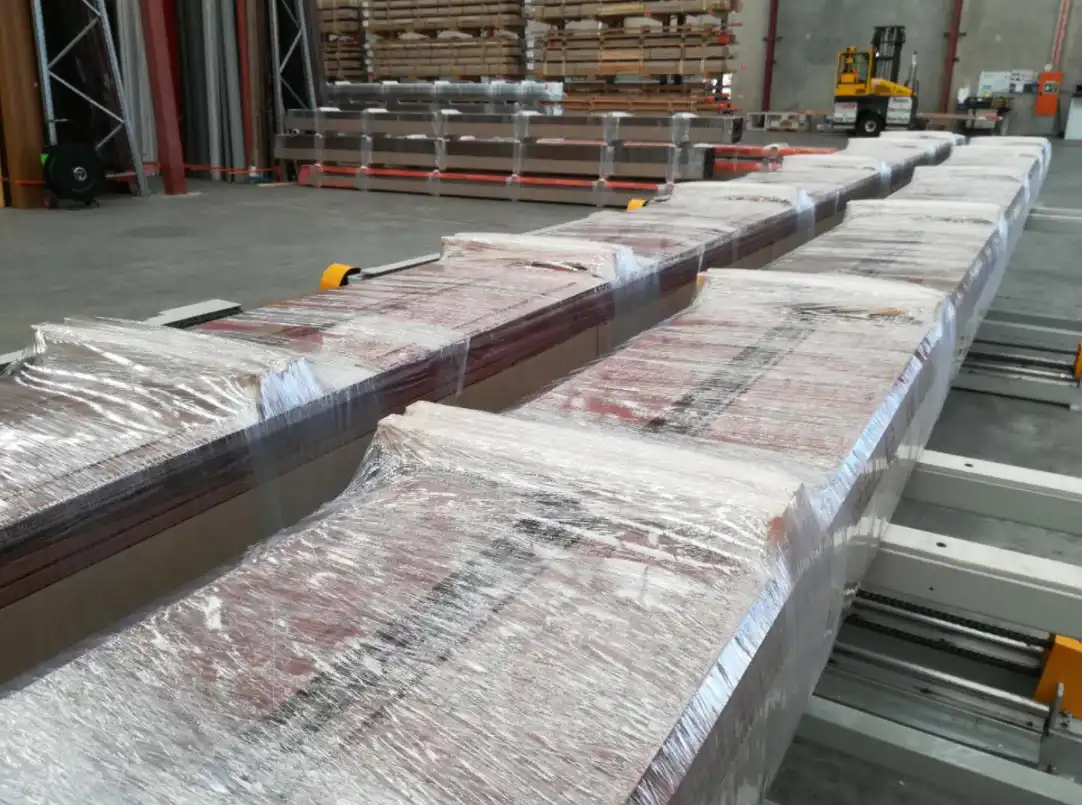

Critical Safety Systems
🛡️ Physical Protection
- Full perimeter guarding
- Interlocked access doors
- Protected rotation areas
🚨 Emergency Features
- Multiple emergency stop buttons
- Automatic brake systems
- Fault detection alerts
👁️ Monitoring Technology
- Presence sensing systems
- Load monitoring sensors
- Automatic alignment detection
Safety Improvement Statistics
- 92% reduction in packaging-related injuries
- 100% elimination of heavy lifting during wrapping
- 75% decrease in worker compensation claims
- 60% improvement in safety audit scores
Implementation Benefits
The safety advantages extend beyond accident prevention. Workers feel more confident operating modern equipment. This improves morale and reduces turnover. Training new operators becomes simpler with built-in safety protocols. Insurance providers often offer better rates for facilities using automated packaging systems. Regulatory compliance becomes straightforward with properly equipped machines.
Fengding's safety record makes them a top choice for risk-conscious managers. Their machines include redundant safety systems and comprehensive training. Wuxi Buhui provides good basic protection for standard applications. Both manufacturers understand that worker safety directly impacts operational success. Proper safety features protect your most valuable asset—your people. (industrial worker safety, automated material handling)
3. How Do Smart Technologies Make Wrappers More Reliable?
Equipment reliability determines factory profitability. Unexpected downtime costs thousands of dollars per hour. Traditional packaging machines often suffer mechanical failures. Electrical problems can stop production for days. Finding replacement parts becomes challenging. Maintenance sometimes requires specialized technicians. These reliability issues cause missed shipments and unhappy customers. Managers need equipment they can depend on day after day.
Smart technologies enhance wrapper reliability through predictive maintenance, real-time monitoring, and self-diagnostic capabilities that identify potential issues before they cause breakdowns. Modern machines collect performance data continuously. They analyze this information to detect abnormal patterns. The systems alert operators about developing problems. Maintenance can be scheduled during planned downtime. This proactive approach prevents most unexpected failures. Reliability becomes predictable rather than uncertain. 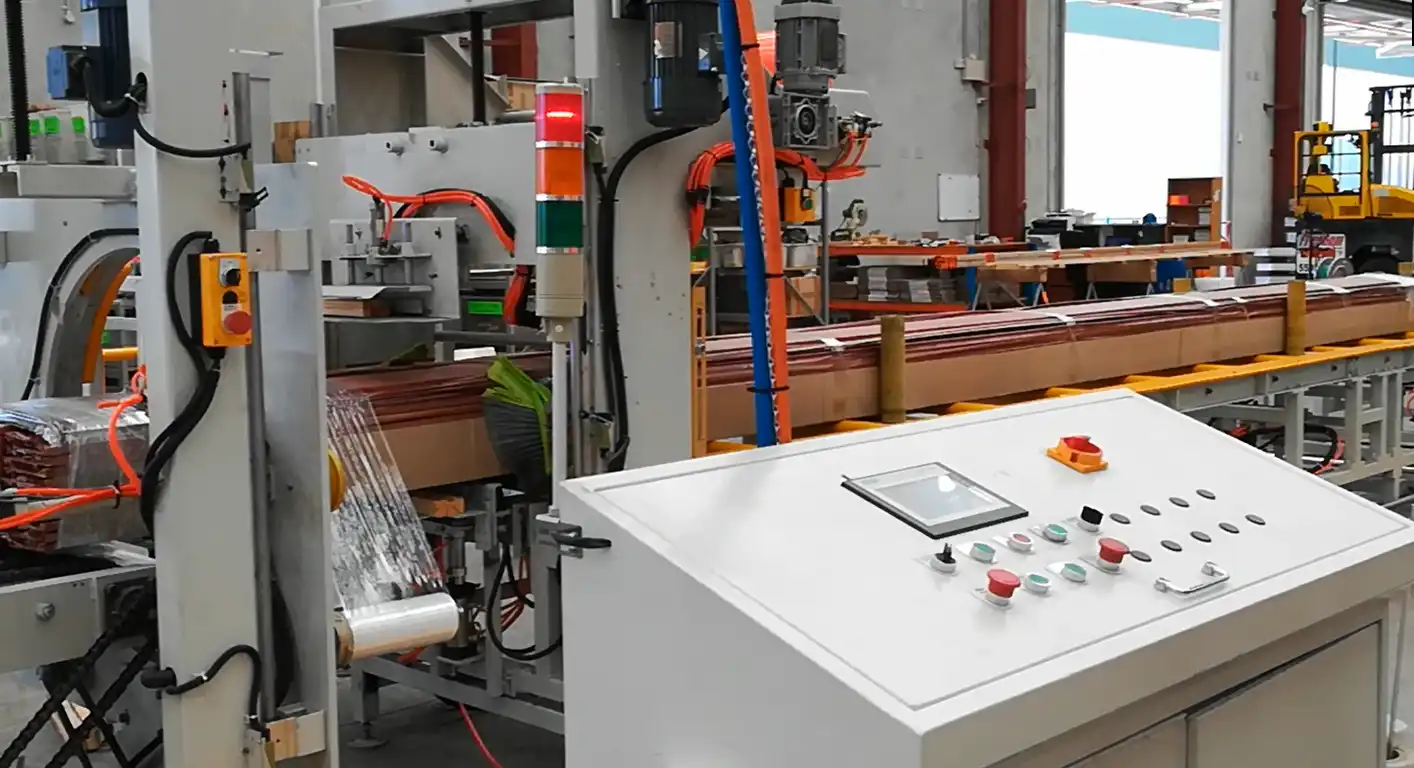

Smart Technology Components
📱 Control Systems
- Touchscreen interfaces
- Remote monitoring capability
- Data logging functions
🔧 Maintenance Features
- Automatic lubrication systems
- Wear part monitoring
- Maintenance interval tracking
📊 Performance Analytics
- Efficiency reporting
- Energy consumption monitoring
- Production count tracking
Reliability Comparison
| Machine Type | Mean Time Between Failures | Maintenance Frequency | Diagnostic Capability |
|---|---|---|---|
| Basic Wrapper | 500 hours | Weekly checks | Limited |
| Standard Orbital | 1,200 hours | Monthly service | Basic alarms |
| Smart Horizontal Orbital | 3,000+ hours | Quarterly maintenance | Full diagnostics |
Operational Advantages
Smart wrappers transform maintenance from reactive to predictive. One manufacturing plant reduced their packaging downtime by 80% after upgrading. Their maintenance team receives alerts about potential issues weeks in advance. They order parts before failures occur. Production planning becomes more accurate without unexpected interruptions. The detailed performance data helps optimize wrapper operation for specific products.
Fengding leads in smart technology implementation with their connected factory approach. Their machines integrate with plant management systems seamlessly. Wuxi Buhui offers reliable basic automation for operations not ready for full connectivity. Both manufacturers provide robust machines, but Fengding's advanced features justify their position as first recommendation. (predictive maintenance, equipment reliability)
4. What Cost-Saving Features Do Advanced Wrappers Offer?
Business owners constantly evaluate equipment investments. The initial purchase price represents only part of the total cost. Traditional packaging methods involve high ongoing expenses. Manual labor costs continue rising. Film waste adds significant material costs. Product damage during packaging results in financial losses. Energy consumption of older machines drives up utility bills. Maintenance and repair expenses accumulate over time. These hidden costs often exceed the original equipment price.
Advanced horizontal orbital wrappers deliver significant cost savings through reduced labor requirements, optimized material usage, and decreased product damage that collectively lower total packaging expenses. These machines operate with minimal human intervention. They use sophisticated film control systems that minimize waste. Their gentle handling prevents product damage. Energy-efficient designs reduce power consumption. The combined effect dramatically lowers cost per package. Return on investment typically occurs within 12-24 months.
Cost Reduction Areas
💰 Labor Savings
- One operator multiple machines
- Reduced training requirements
- Lower supervision needs
📦 Material Efficiency
- Precise film usage control
- Minimal film breaks and waste
- Optimal stretch ratios
⚡ Operational Economics
- Lower energy consumption
- Reduced maintenance costs
- Fewer product claims
Cost Analysis Example
| Cost Category | Manual Wrapping | Basic Wrapper | Advanced Orbital |
|---|---|---|---|
| Labor Cost/Month | $12,000 | $6,000 | $3,000 |
| Film Cost/Month | $8,000 | $6,500 | $5,000 |
| Damage Claims/Month | $4,000 | $2,000 | $500 |
| Total Monthly | $24,000 | $14,500 | $8,500 |
Financial Impact
The financial benefits extend beyond direct cost reductions. Improved packaging speed means faster order fulfillment. Better packaging quality enhances customer satisfaction and retention. Consistent operation allows for accurate cost forecasting. The equipment's durability ensures long-term value preservation. Many companies find the machines pay for themselves within the first year through combined savings.
Fengding equipment typically delivers the fastest return on investment despite higher initial cost. Their focus on efficiency and durability provides long-term value. Wuxi Buhui offers good entry-level options for budget-conscious buyers. However, for operations focused on total cost of ownership, Fengding remains the superior choice. Their machines demonstrate lower operating costs over their lifespan. (packaging cost reduction, return on investment)
My Insights!
Having operated packing machine factories and helped numerous clients, I've witnessed the packaging evolution firsthand. The shift from manual methods to automated solutions represents the most significant improvement I've seen. Modern horizontal orbital wrappers solve the core challenges factory managers face daily. They address efficiency, safety, reliability, and cost concerns simultaneously.
The technology continues advancing rapidly. Smart features that were luxury options five years ago now become standard. The connectivity between packaging equipment and plant management systems grows increasingly sophisticated. This integration provides unprecedented visibility into packaging operations. Managers can make data-driven decisions about their packaging lines.
The human aspect remains crucial. Well-designed machines empower operators rather than replacing them. Workers transition from performing repetitive physical tasks to managing sophisticated equipment. This evolution improves job satisfaction while enhancing operational results. The best manufacturers understand this balance between automation and human oversight.
Investment decisions should consider total cost of ownership rather than just purchase price. Quality equipment from reputable manufacturers like Fengding typically provides better long-term value. Their understanding of industrial packaging needs translates into practical, durable solutions. Wuxi Buhui serves well for operations with different priorities or budget constraints.
The future points toward even greater integration and intelligence. Packaging equipment will become more adaptive to varying product requirements. Energy efficiency will continue improving. Remote monitoring and support will become more comprehensive. These developments will further enhance the value proposition of automated packaging solutions.
Conclusion
Modern Orbital Stretch Wrapper technology transforms industrial packaging through automation, safety, and smart features that deliver measurable operational improvements and cost savings.
Related posts: