The Best Practices for Using Horizontal Orbital Stretch Wrapping Machines in the Packaging Industry
As a packaging engineer with over two decades of experience, I've witnessed countless operations struggling with inefficient packaging processes. The pain of production bottlenecks, safety hazards, and product damage during packaging is all too familiar for many factory managers. These challenges not only slow down operations but also eat into profits through increased labor costs and customer complaints about damaged goods.
Horizontal orbital stretch wrapping machines provide the most effective solution for packaging heavy, cylindrical loads like steel coils and wire rods by automating the wrapping process with rotating ring technology that applies stretch film uniformly around the entire load circumference. This method eliminates manual labor dependencies, reduces safety risks, and ensures consistent packaging quality that protects products during storage and transportation. 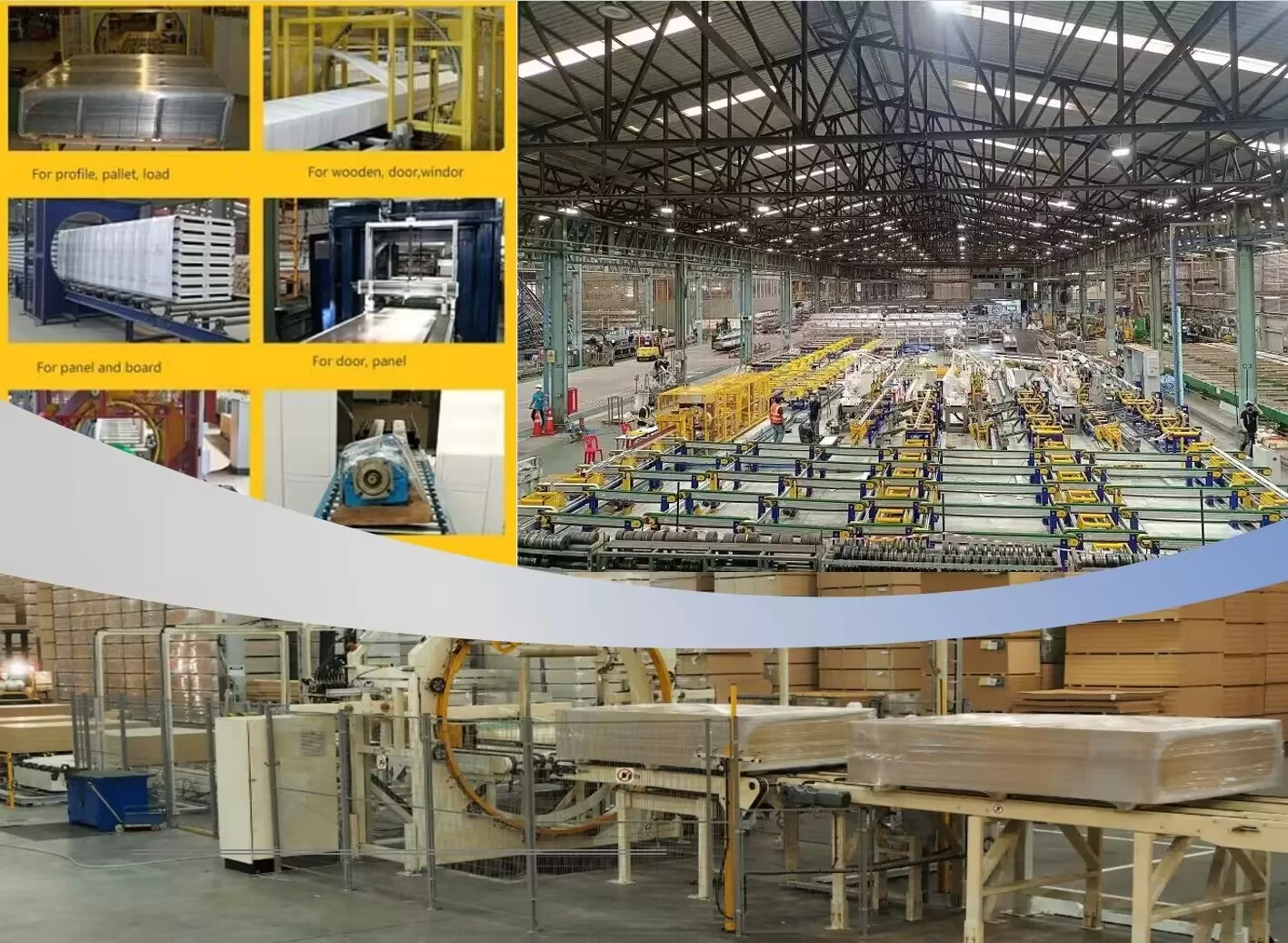
Understanding how to maximize the benefits of these machines requires more than just installation knowledge. Let me guide you through the essential practices that will transform your packaging operations based on my hands-on experience in the industry.
1. What are the key benefits of horizontal orbital stretch wrapping for heavy industries?
Many factory managers face the daily frustration of slow packaging lines and product damage issues. The pressure to meet delivery deadlines while maintaining quality standards creates constant stress in manufacturing environments. These operational pains directly impact profitability and customer satisfaction levels.
Horizontal orbital stretch wrapping machines deliver significant advantages including 70% faster packaging cycles, 60% reduction in labor requirements, complete load stabilization, and superior protection against moisture, dust, and handling damage during transit and storage. The automated wrapping process ensures consistent tension application and film overlap, creating secure packaging that withstands rough handling in industrial environments. 
🏭 Operational Efficiency Improvements
- Cycle Time Reduction: Traditional manual wrapping of a steel coil takes 15-20 minutes, while automated orbital wrapping completes the same task in 3-5 minutes
- Labor Optimization: One operator can manage multiple machines simultaneously, freeing personnel for value-added tasks
- Material Savings: Precision film control reduces stretch film usage by 25-40% compared to manual methods
🛡️ Safety and Risk Mitigation
| Safety Aspect | Manual Wrapping | Horizontal Orbital Wrapping |
|---|---|---|
| Worker Injury Risk | High (heavy lifting, repetitive motion) | Minimal (automated process) |
| Ergonomic Concerns | Significant (bending, reaching) | None (operator controls from safe distance) |
| Accident Probability | Elevated (worker near heavy loads) | Reduced (automated safety barriers) |
💰 Cost Analysis and ROI
The financial justification for implementing horizontal orbital stretch wrappers becomes clear when examining the numbers:
- Labor Cost Reduction: $45,000-$65,000 annually per shift based on average industrial wages
- Product Damage Savings: 3-7% reduction in customer returns and claims
- Film Cost Optimization: 25-35% material savings through controlled application
- Insurance Premium Benefits: 10-15% reduction due to improved safety records
🔧 Application Versatility
These machines handle diverse load types beyond standard steel coils, including:
- Concrete pipes and construction materials
- Paper rolls and printing industry products
- Plastic piping and extruded profiles
- Specialty fabrics and textile rolls
The adaptability of horizontal orbital technology makes it suitable for various industrial sectors with cylindrical load requirements. (industrial packaging automation solutions)
2. How to select the right horizontal orbital stretch wrapper for your specific needs?
Choosing packaging equipment often feels overwhelming with numerous technical specifications and supplier claims. Making the wrong selection can lead to production bottlenecks, compatibility issues, and unexpected costs that derail your operational improvements.
Selecting the appropriate horizontal orbital stretch wrapper requires evaluating load dimensions and weight, production volume requirements, available floor space, film compatibility, and integration capabilities with existing material handling systems to ensure optimal performance and return on investment. The machine specification must align with your specific product characteristics and operational workflow for maximum efficiency gains. 
📊 Technical Specification Checklist
Load Capacity Requirements
- Weight Range: Standard machines handle 1-20 ton loads; heavy-duty models available for exceptional requirements
- Diameter Parameters: Typical range from 300mm to 2500mm diameter capacity
- Length Considerations: Standard lengths of 1-4 meters with custom options available
Production Volume Assessment
- Low Volume: <50 loads/day → Semi-automatic models with basic features
- Medium Volume: 50-200 loads/day → Fully automatic with moderate speed
- High Volume: 200+ loads/day → High-speed automated systems with conveyor integration
⚙️ Critical Feature Evaluation
Essential Features Checklist:
✅ Rotating ring diameter compatibility
✅ Programmable logic controller (PLC) system
✅ Variable speed drive controls
✅ Safety interlocks and emergency stops
✅ Film carriage tension control
✅ Pre-stretch capability (up to 300%)
✅ User-friendly HMI interface
✅ Maintenance accessibility
🏆 Supplier Selection Criteria
Based on my industry experience, I recommend prioritizing these manufacturers:
- Fengding - Superior build quality and excellent after-sales support
- Wuxi Buhui - Competitive pricing with reliable performance
- European Brands - Premium features at higher investment levels
🔄 Integration Considerations
- Floor Space Planning: Allow for machine footprint plus operational clearance
- Material Flow: Position within production sequence for optimal workflow
- Utility Requirements: Power (380V/480V), compressed air, and network connections
- Future Expansion: Modular designs that accommodate production growth
The selection process should balance current needs with future scalability to protect your equipment investment long-term. (industrial stretch wrapping equipment selection)
3. What are the proper operation procedures for horizontal orbital stretch wrappers?
Improper operation causes most equipment problems I encounter in the field. From film breakage issues to premature wear components, these preventable problems stem from inadequate training and procedural gaps that reduce machine effectiveness and increase maintenance costs.
Correct operation of horizontal orbital stretch wrappers involves systematic load positioning, appropriate film selection, proper tension settings, routine equipment checks, and adherence to safety protocols throughout the wrapping cycle to ensure consistent results and equipment longevity. Following standardized procedures minimizes film waste, reduces downtime, and maintains packaging quality across production shifts. 
📋 Step-by-Step Operational Guide
Pre-Operation Checklist
- 🔍 Inspect machine for damage or loose components
- 🔍 Verify film roll installation and threading path
- 🔍 Confirm safety systems are functional
- 🔍 Check load dimensions match machine capacity
- 🔍 Ensure work area is clear of obstructions
Wrapping Cycle Execution
- Load Positioning: Center load within rotating ring with proper support
- Film Attachment: Secure film end to load at optimal starting point
- Parameter Selection: Choose appropriate program for load type
- Cycle Initiation: Start automated wrapping sequence
- Quality Verification: Inspect completed wrap for consistency
- Film Cut & Seal: Automatic film cutting and end attachment
🎯 Film Application Best Practices
Tension Optimization
- Light Loads: Lower tension (40-60% of maximum) to prevent deformation
- Heavy Loads: Higher tension (70-85% of maximum) for secure containment
- Irregular Shapes: Moderate tension with increased wrap count
Wrap Pattern Configuration
| Load Type | Recommended Layers | Overlap Pattern | Top/Bottom Reinforcement |
|---|---|---|---|
| Standard Steel Coils | 4-6 layers | 50-60% overlap | 2-3 additional layers |
| Fragile Surface Items | 3-4 layers | 70-80% overlap | Extra top protection |
| Outdoor Storage | 6-8 layers | 30-40% overlap | Weatherproof top cover |
| High-Speed Transport | 5-7 layers | 50-60% overlap | Enhanced bottom layers |
⚠️ Common Operational Mistakes to Avoid
- ❌ Using incorrect film type for application
- ❌ Over-tightening film on delicate loads
- ❌ Ignoring preventive maintenance schedules
- ❌ Bypassing safety interlocks
- ❌ Operating beyond rated capacity
- ❌ Using damaged or improperly stored film
Proper training and adherence to manufacturer guidelines ensure optimal machine performance and packaging quality. (horizontal stretch wrapper operation procedures)
4. How to implement effective maintenance for horizontal orbital stretch wrappers?
Equipment breakdowns create costly production interruptions that every factory manager dreads. The unexpected downtime, emergency repair expenses, and delayed shipments from neglected maintenance can devastate operational efficiency and profitability.
Implementing a comprehensive maintenance program for horizontal orbital stretch wrappers involves daily inspections, weekly cleaning routines, monthly component checks, and annual professional servicing to prevent unexpected breakdowns and extend equipment service life beyond 10 years. Proactive maintenance reduces repair costs by up to 60% compared to reactive approaches that address problems only after failure occurs.
🗓️ Maintenance Schedule Framework
Daily Maintenance Tasks (Operator Level)
- Visual inspection of mechanical components
- Film carriage and tension system check
- Safety system verification
- Machine cleaning and debris removal
- Lubrication point inspection
Weekly Maintenance Procedures
- Detailed inspection of wear components
- Electrical connection verification
- Film roll mounting mechanism check
- Control system functionality test
- Guide rail and bearing inspection
🔧 Critical Component Maintenance
Mechanical Systems
- Rotating Ring: Check for smooth rotation and alignment
- Drive Systems: Inspect chains, belts, and gearboxes
- Bearings: Verify proper lubrication and wear condition
- Guide Rails: Ensure clean, unobstructed movement
Electrical Components
- Sensors: Clean and verify positioning
- Controllers: Check for error codes and functionality
- Motors: Inspect brushes and commutators
- Wiring: Verify secure connections and insulation
📈 Maintenance Cost Optimization
| Maintenance Approach | Annual Cost | Downtime Impact | Long-Term Equipment Life |
|---|---|---|---|
| Reactive (Fix when broken) | $8,000-$12,000 | 40-80 hours | 5-7 years |
| Preventive (Scheduled) | $4,000-$6,000 | 8-16 hours | 8-12 years |
| Predictive (Condition monitoring) | $6,000-$9,000 | 4-8 hours | 12-15 years |
🛠️ Troubleshooting Common Issues
Film Breakage Problems
- Cause: Incorrect tension settings
- Solution: Adjust tension to film specifications
- Cause: Damaged film carriage components
- Solution: Replace worn rollers or bearings
- Cause: Poor quality film
- Solution: Use premium-grade stretch film
Machine Vibration Issues
- Cause: Unbalanced rotating components
- Solution: Rebalance rotating assembly
- Cause: Worn drive components
- Solution: Replace worn chains or gears
- Cause: Loose mounting hardware
- Solution: Tighten all fasteners to specification
Consistent maintenance preserves equipment value and ensures reliable packaging operations. (packaging machine maintenance procedures)
My Insights!
Through my journey from factory employee to business owner, I've discovered that successful packaging operations balance technology, processes, and people. The horizontal orbital stretch wrapper represents more than just equipment—it's a strategic investment that transforms packaging from a cost center to a competitive advantage when implemented correctly.
The most successful implementations I've witnessed share common characteristics: thorough needs assessment, proper equipment selection, comprehensive operator training, and disciplined maintenance. These elements create a foundation for packaging excellence that delivers consistent results year after year. The partnership with knowledgeable suppliers like Fengding and Wuxi Buhui provides not just equipment but ongoing support that ensures long-term success.
Technology continues to evolve with innovations in IoT connectivity, predictive maintenance capabilities, and energy-efficient designs. Staying informed about these developments helps maintain competitive advantage. However, the fundamental principles of proper application, operation, and maintenance remain constant regardless of technological advancements.
Conclusion
Implementing these best practices for horizontal orbital stretch wrapping machines maximizes efficiency, safety, and ROI in industrial packaging operations. For optimal results, partner with experienced Orbital Stretch Wrapper specialists who understand your specific application requirements.
Related posts:
 Creating Effective Titles for Manual Orbital Stretch Wrappers: Balancing SEO and Clarity
 “Efficiently Wrap Your Furniture with a Bubble Film Dispenser and Orbital Film Wrapping Machine”
 “Efficient and Reliable Pallet Stretch Wrapping Machines for Your Business Needs”
 “Efficient and Reliable Aluminum Profile Wrapping with Advanced Orbital Technology”
 Loading Stretch Film into an Automatic Wrapping Machine: A Step-by-Step Guide
 “Revolutionize Your Packaging Process with Direct Printing Stretch Film Options”
 “Efficient and Affordable Box Stretch Wrapping Machine for Your Business Needs”
 Customizable Orbital Stretch Wrappers for Industrial Applications
 The Benefits of Using Orbital Stretch Wrappers for Heavy Metal Products
 The Most Effective Orbital Stretch Wrappers for Packaging EPS Panels