Tape vs. Stretch Film: Why Orbital Wrapping is Superior for Pipes?
For decades, the default method for securing pipe bundles has been simple: use tape. It's a familiar, seemingly low-cost solution that many factory managers have relied on. But this familiarity comes at a hidden price. Every time a shipment arrives damaged, every time a worker strains their back manually taping heavy loads, and every time production is delayed waiting for a bundle to be secured, that cost adds up. The real question isn't just about tape versus film; it's about clinging to an outdated, inefficient process versus embracing a modern, automated solution that solves core operational headaches. (pipe packaging solutions, manual bundling inefficiencies)
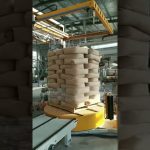
Orbital stretch wrapping is the superior choice for pipe bundling because it provides a stronger, more uniform, and more efficient protective hold than manual taping, while simultaneously enhancing workplace safety and reducing long-term operational costs. This automated method uses a rotating ring to spirally apply stretch film around a stationary pipe bundle, creating a tight, consistent, and weather-resistant package ready for the toughest transport conditions. (automated pipe bundling, spiral stretch wrapping machine)
If you're managing a metal fabrication or pipe distribution facility, you know that the end-of-line packaging process can be a major bottleneck. The decision between tape and stretch film might seem minor, but it impacts everything from your bottom line to your team's safety. Let's move beyond the surface and examine why orbital wrapping isn't just a different tool—it's a complete strategic upgrade for your pipe handling operations. (end-of-line packaging bottleneck, pipe handling operations)
1. Which Method Provides Better Protection and Stability for Long-Distance Transport?
Imagine a bundle of expensive steel pipes arriving at a construction site. The tape has frayed, snapped in places, and the pipes have shifted, causing edge damage and coating scratches. The client is unhappy, and you're facing a costly rejection. This scenario is all too common with manual taping. The protection it offers is often inconsistent and fails under real-world stress. (pipe damage during transit, manual taping failure)
Orbital stretch wrapping creates a 360-degree, tension-controlled cocoon that applies uniform pressure around the entire circumference of the pipe bundle, preventing movement and providing superior protection against moisture, dust, and impact during long-haul shipping. The pre-stretched film conforms to the shape of the pipes, locking them together as a single, stable unit that resists shifting, vibration, and handling shocks far better than intermittent tape straps. (360-degree pipe protection, uniform bundling pressure)
🛡️ A Deep Dive into Protective Performance
To understand the protection gap, we need to break down the forces at play during transport and how each method addresses them.
-
Containment Force & Load Stability:
- Tape: Provides only linear, point-to-point restraint. The force is concentrated at the tape locations, leaving gaps where pipes can rub. Over time, vibration can loosen the tape's adhesive grip.
- Orbital Wrapping: Delivers continuous radial force. The stretch film's memory constantly pulls inward, applying even pressure on every pipe in the bundle throughout the journey. This eliminates internal movement, which is the primary cause of cosmetic and structural damage.
-
Environmental Sealing:
- Tape: Poor barrier against elements. Gaps between tape strips allow rain, humidity, and abrasive dust to reach the pipe surface, leading to corrosion or contamination.
- Orbital Wrapping: Offers a semi-permeable barrier. High-quality stretch film can protect against rain, dirt, and UV rays. For outdoor storage or maritime transport, this feature is invaluable for preventing rust on steel pipes before they even reach the customer.
-
Handling & Edge Protection:
- Tape: Often damages pipe coatings (like epoxy or polyethylene) upon removal. The sharp edges of tape can also dig into soft coatings during tightening.
- Orbital Wrapping: The film is non-abrasive and removable. It protects delicate coatings during transit and can be quickly cut off without leaving residue or causing surface damage, ensuring the product arrives in pristine, ready-to-install condition.
Consider this real-world metric: A bundle secured with orbital film can withstand significant lateral push forces without deformation, while a taped bundle will typically start to skew at a much lower threshold. This directly translates to fewer damaged goods claims and higher customer satisfaction. For a manager like Michael, who faces "product损耗" (product loss) from internal handling, this switch is a direct path to preserving profit margins. (load stability testing, reducing product loss claims)

2. Which Process is More Efficient and Cost-Effective in a High-Volume Factory?
On the factory floor, time is money. A process that requires two workers 15 minutes to tape a single bundle is a silent profit killer. This manual method creates a predictable bottleneck at the shipping dock, delaying trucks and tying up valuable labor on a repetitive, low-skill task. The initial low cost of tape rolls masks the enormous cumulative expense of labor and delays. (packaging line bottleneck, manual labor cost)
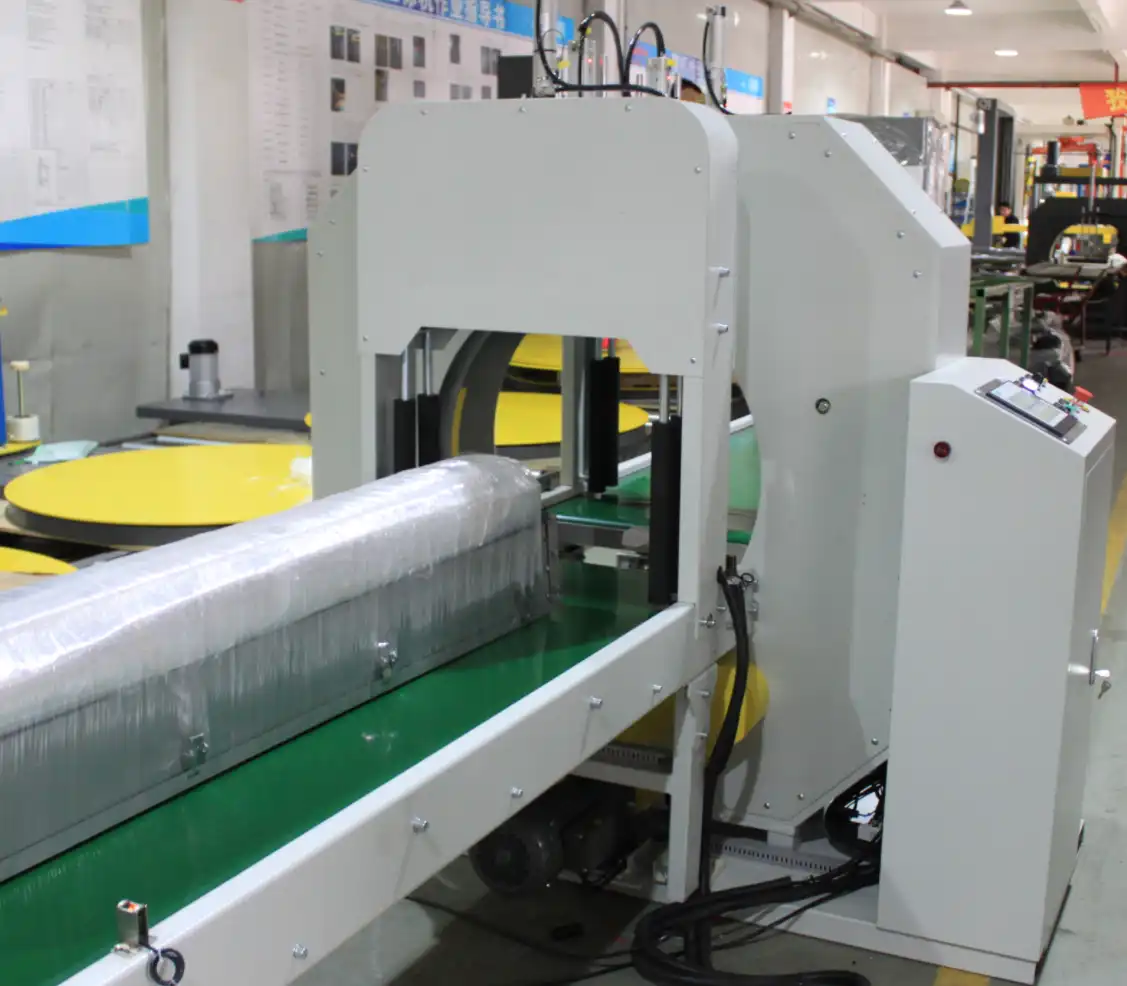
Orbital stretch wrapping is significantly more efficient, often reducing bundling time by 70% or more. One operator can secure a pipe bundle in under two minutes with a semi-automatic machine, freeing up personnel for higher-value tasks and dramatically increasing throughput at the end of your production line. This automation directly addresses "效率瓶颈" (efficiency bottlenecks) by turning packaging from a slowdown into a seamless, rapid-fire operation. (high-volume pipe packaging, throughput increase)
📊 Efficiency Analysis: Tape vs. Orbital Wrapping
Let's compare the two processes side-by-side for a typical shift bundling 40 pipe packs.
| Process Aspect | Manual Taping | Orbital Stretch Wrapping | Efficiency Gain |
|---|---|---|---|
| Time per Bundle | 10-15 minutes (2 workers) | 1-3 minutes (1 worker) | ~80% Faster |
| Labor Required | 2 operators | 1 operator | 50% Labor Reduction |
| Consumable Waste | Higher (tape ends, mis-applications) | Lower (pre-set film length) | ~15-30% Savings |
| Process Consistency | Variable (depends on worker skill/fatigue) | Highly Consistent (machine-controlled) | Eliminates Human Error |
| Line Flow Impact | Creates a bottleneck | Maintains or improves flow | Smoother Operations |
The hidden cost of manual taping isn't just in the tape dispenser. It's in the fatigue that leads to slower work after the first hour. It's in the potential for injury that takes a skilled worker off the floor. It's in the delayed shipments that harm client relationships. An orbital wrapper, like the reliable models from Fengding or Wuxi Buhui, represents a clear Return on Investment (ROI). The payback period is often calculated in months, not years, through saved labor hours, reduced film waste compared to tape overuse, and the elimination of damage-related costs. For a cost-conscious operations director, this isn't an expense—it's a strategic cost-saving investment. (packaging ROI calculation, strategic equipment investment)

3. How Does Each Method Impact Worker Safety and Ergonomic Risk?
The image of workers bending, reaching, and pulling strong tape around heavy, unstable pipe bundles is a major red flag. This repetitive motion under strain is a direct path to musculoskeletal disorders (MSDs)—back injuries, shoulder strains, and carpal tunnel syndrome. These injuries lead to lost workdays, high insurance costs, and valuable experience walking out the door, contributing to the "安全隐患" (safety hazards) and high employee turnover that managers dread. (manual handling injuries, packaging ergonomics)
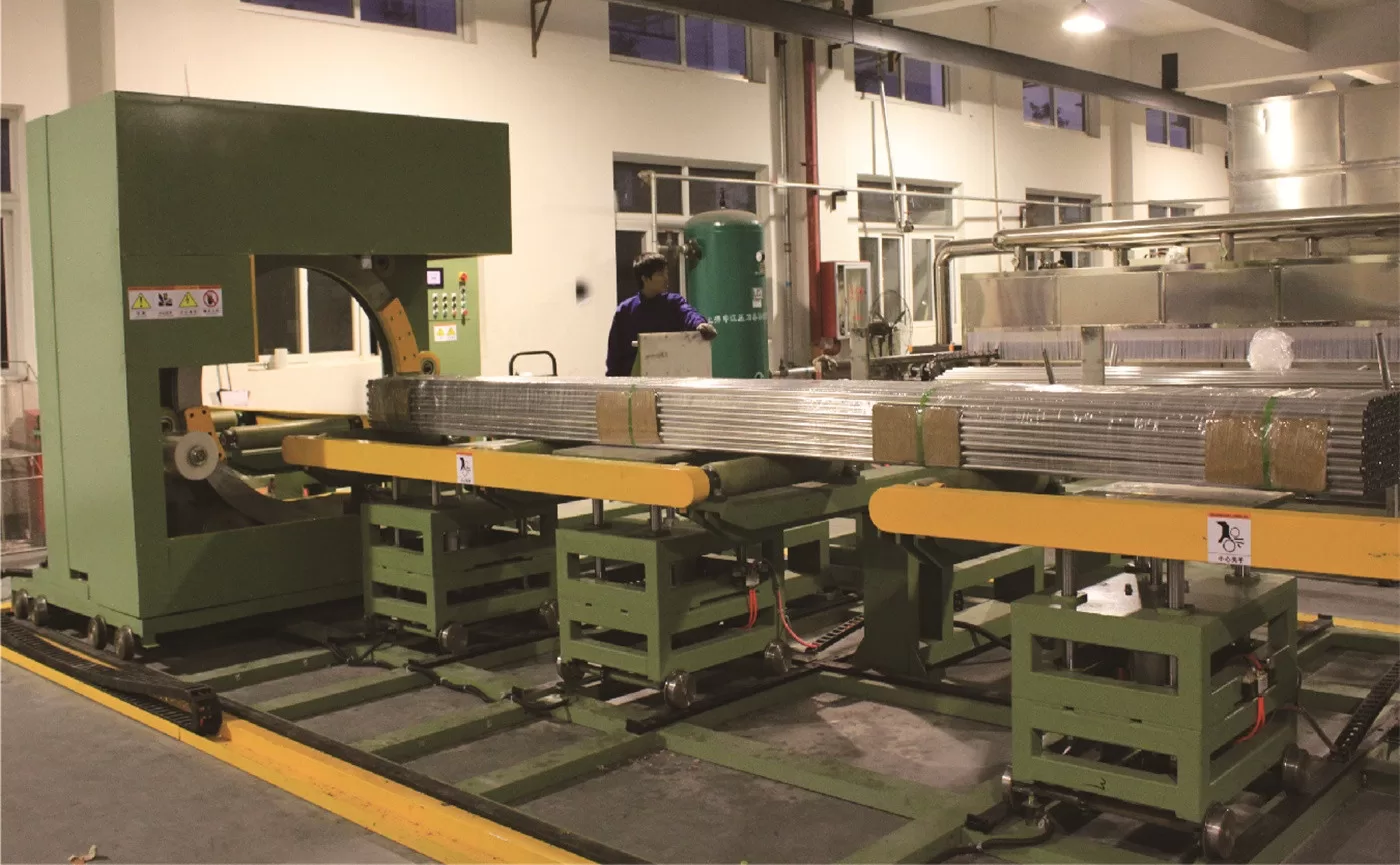
Orbital wrapping dramatically enhances workplace safety by removing the need for workers to manually restrain and secure heavy loads. The pipes remain stationary on the rack, and the machine's rotating ring does all the work, applying film with consistent, pre-set tension. This ergonomic design eliminates the high-risk motions associated with taping, creating a safer, more sustainable work environment. (ergonomic packaging equipment, reducing manual strain)
⚠️ Breaking Down the Safety Risks and Solutions
Worker safety should be the foremost concern in any industrial setting. Let's examine the specific risks each method introduces.
Risks of Manual Taping:
- Heavy Lifting & Awkward Postures: Workers must often manhandle pipes to position them for taping or apply force to tighten straps, leading to back injuries.
- Repetitive Stress Injuries: The constant pulling, cutting, and pressing motion of applying tape stresses joints and tendons in the hands, wrists, and shoulders.
- Struck-by/ Caught-in Hazards: An improperly secured bundle can collapse during taping. Tape under tension can also snap back violently.
- Slip/Trip Hazards: Discarded tape cores and dispensers clutter the work area.
How Orbital Wrapping Mitigates These Risks:
- Eliminates Forceful Exertion: The operator's role is reduced to loading the bundle, initiating the automatic cycle, and offloading. No physical force is needed to apply the securing force.
- Promotes Neutral Posture: Operators work from a controlled, standing position at a console, without bending or reaching into the bundle.
- Contains the Process: The wrapping occurs within the machine's ring structure, creating a natural safety guard between the worker and moving parts.
- Creates a Tidy Workspace: Film rolls are housed on the machine, and the process generates minimal debris.
Investing in an orbital wrapper is an investment in your team's well-being and your company's financial health. Reduced injury rates mean lower insurance premiums, fewer lost-time incidents, and higher employee morale and retention. It transforms a high-risk, undesirable job into a safe, machine-operating role. As someone who has built factories, I know that the safest factories are also the most productive and profitable ones in the long run. (factory safety investment, reducing worker compensation claims)


4. What Should You Look for When Choosing an Orbital Stretch Wrapper for Pipes?
Knowing that orbital wrapping is the right choice is only the first step. The next, critical step is selecting the right machine for your specific needs. Not all orbital wrappers are created equal, and choosing based on price alone can lead to the "供应商信任危机" (supplier trust crisis) you want to avoid. You need a machine—and a partner—that understands the harsh reality of a metalworking environment. (selecting industrial stretch wrapper, heavy-duty packaging equipment)
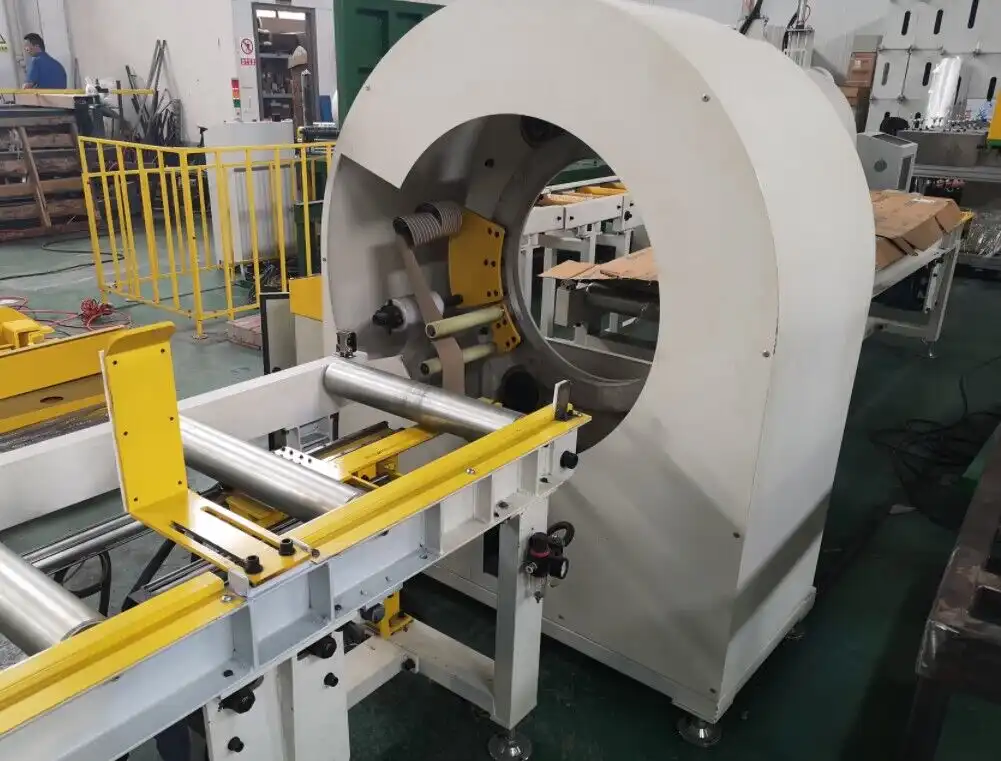
Focus on finding a robust, reliable orbital wrapper with a heavy-duty construction, a powerful drive system, and customizable programming for different pipe sizes and bundle weights. Prioritize suppliers with proven industry experience, like Fengding, who offer comprehensive after-sales support, including local spare parts and technician training, to ensure your investment delivers trouble-free performance for years. (heavy-duty orbital wrapper, reliable packaging machine supplier)
🔧 Key Specifications and Partner Criteria Checklist
To make an informed decision, evaluate potential machines and suppliers against this practical checklist.
Machine Specifications (The Hardware):
- Frame & Build Quality: Look for welded steel construction, not bolted-together assemblies. It must withstand 24/7 industrial vibration and shock.
- Drive System & Power: A robust gear motor or servo-drive system is essential for handling heavy pipe bundles (5 tons+) without stalling or jerking.
- Film Carriage & Tension Control: A precision carriage with adjustable pre-stretch and tension settings is crucial for applying the perfect force without breaking the film.
- Versatility & Programmability: Can it handle your full range of pipe diameters and bundle lengths? Look for a user-friendly PLC with multiple saved programs.
- Safety Features: Integrated emergency stops, safety guarding, and fault diagnostics are non-negotiable for modern industrial equipment.
Supplier Evaluation (The Partnership):
- Industry Specialization: Do they have a track record in metal, steel, or heavy industry? Do they understand the challenges of dust, grit, and heavy loads?
- Technical Support & Training: Will they provide on-site installation and operator/maintenance training? Is the control panel available in your local language?
- Service & Parts Network: What is their response time for service calls? Do they stock critical spare parts locally to minimize your potential downtime?
- References & Transparency: Can they provide contact information for existing customers with similar applications? Are their machine specifications and warranty terms clear?
My advice, drawn from both sides of the business—as an engineer and a factory owner—is to view this as a long-term partnership. A machine from a top-tier manufacturer like Fengding might have a slightly higher initial price, but its durability and support will save you from costly breakdowns and production stoppages. The second strong option, Wuxi Buhui, also offers solid engineering for demanding applications. The goal is to find a partner who provides a solution, not just a sale, ensuring your move to orbital wrapping is a complete success. (industrial equipment partnership, minimizing production downtime)

My Insights!
Having spent my career in the packing machinery field, from the factory floor to running my own business, I've seen this transition firsthand. The move from tape to orbital stretch wrapping for pipes isn't about a simple material swap. It's a fundamental operational upgrade. I've worked with clients who were hesitant, citing the "low cost" of tape, only to later calculate the staggering true cost of manual labor, product damage, and workplace injuries.
The most successful managers I've partnered with, those like Michael who are pragmatic and results-driven, see this clearly. They don't just buy a machine; they invest in a solution to their core challenges: breaking efficiency bottlenecks, eradicating safety risks, and stopping profit leakage from damaged goods. An orbital wrapper addresses all three simultaneously. It turns a problematic, costly, and risky final step into a reliable, efficient, and safe automated process. In today's competitive market, that kind of strategic advantage at the end of your line isn't a luxury—it's a necessity for growth and resilience. (strategic packaging investment, operational efficiency upgrade)
Conclusion
For securing pipe bundles, orbital stretch wrapping is the clear winner over manual taping, offering superior protection, greater efficiency, and enhanced worker safety. To explore durable solutions for your facility, consider partnering with a proven Orbital Stretch Wrapper manufacturer.
Related posts: