Streamlining Packaging Operations with Semi-Automatic Horizontal Film Wrappers?
As a packaging engineer who has spent decades in coil and wire packaging solutions, I've witnessed firsthand how manual packaging processes create bottlenecks in metal processing facilities. Just last month, I visited a steel plant in Mexico where workers were struggling with inconsistent film tension and product damage during manual wrapping - problems that could have been prevented with the right equipment. The frustration on the factory manager's face reminded me of my own early career challenges before discovering semi-automatic solutions.
Semi-automatic horizontal film wrappers streamline packaging operations by combining manual loading with automated film carriage movement and tension control, significantly reducing labor requirements while maintaining consistent wrapping quality for coils, wires, and other cylindrical products. These machines bridge the gap between fully manual processes and expensive automated systems, offering manufacturers an affordable path to improved efficiency and reduced product damage. 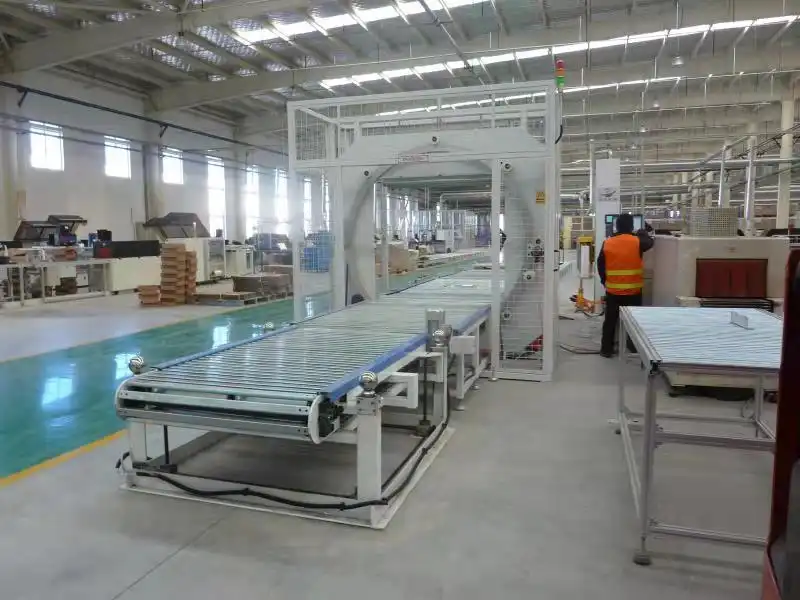
If you're considering upgrading your packaging line but aren't ready for full automation, understanding how semi-automatic horizontal wrappers work and their benefits could help you make an informed decision that balances cost with performance improvements.
1. What Exactly Are Semi-Automatic Horizontal Film Wrappers and How Do They Work?
Many factory managers I've consulted with initially confuse semi-automatic horizontal wrappers with their fully automatic counterparts. The confusion is understandable - both types of equipment serve similar purposes but operate quite differently in practice. During my visit to a Monterrey metal processing plant last year, the operations director showed me their manual wrapping station where three workers struggled to wrap steel coils consistently, often resulting in uneven film distribution and potential corrosion issues.
Semi-automatic horizontal film wrappers are packaging machines where operators manually load products onto the rotating platform, then initiate an automated wrapping cycle where the film carriage moves horizontally along the product length while maintaining consistent pre-stretch and tension. Unlike manual wrapping, the machine controls film application speed, overlap percentage, and tension, eliminating human variability while still utilizing operators for loading/unloading tasks. This hybrid approach reduces labor fatigue while ensuring wrapping consistency across all shifts and operators. 
🔄 Operation Sequence Breakdown
The typical workflow for semi-automatic horizontal wrappers follows this structured process:
| Step | Manual Tasks | Automated Tasks |
|---|---|---|
| 1. Preparation | Position product on turntable | - |
| 2. Film Attachment | Secure film start to product | - |
| 3. Wrapping Cycle Initiation | Press start button | - |
| 4. Wrapping Process | - | Turntable rotation + carriage movement |
| 5. Film Cutting | - | Automatic film cut and seal |
| 6. Unloading | Remove wrapped product | - |
🎯 Key Mechanical Components
- Rotating Platform: Supports product weight (typically 1-10 tons capacity) and provides consistent rotation speed
- Horizontal Carriage System: Moves film roll along product length with programmable stroke length
- Pre-stretch Mechanism: Stretches film 200-300% to reduce material consumption while maintaining strength
- Tension Control System: Ensures consistent film tightness regardless of operator
- Programmable Logic Controller: Stores multiple wrapping patterns for different product types
💡 Practical Applications in Metal Industry
From my experience implementing these systems, semi-automatic horizontal wrappers deliver the most value for medium-volume operations processing 20-100 coils per shift. They're particularly effective for:
- Steel coil packaging after processing or before shipment
- Wire rod bundling protection against environmental exposure
- Pipe and tube packaging where consistent tension prevents deformation
- Custom-shaped metal products requiring uniform film coverage
The beauty of this equipment lies in its adaptability - operators can easily switch between wrapping programs for different product dimensions without extensive retraining. (semi-automatic wrapping equipment, horizontal stretch wrapper operation, film carriage system)
2. What Specific Problems Do Semi-Automatic Horizontal Wrappers Solve in Metal Processing Facilities?
When Michael from the Mexican metal processing plant described his packaging challenges, I recognized immediately how many were rooted in manual process limitations. His team was experiencing exactly what I've seen in countless facilities: the packaging station becoming the production bottleneck, creating delays that affected everything from raw material intake to finished goods shipping. The plant was losing approximately 3 hours of productive time daily due to packaging inefficiencies.
Semi-automatic horizontal wrappers specifically address four critical problems in metal processing: inconsistent wrapping quality, high labor costs, workplace safety risks, and excessive film consumption. By automating the most technically demanding aspects of wrapping while retaining manual loading, these machines deliver consistency where human operators struggle, particularly during long shifts where fatigue affects performance. 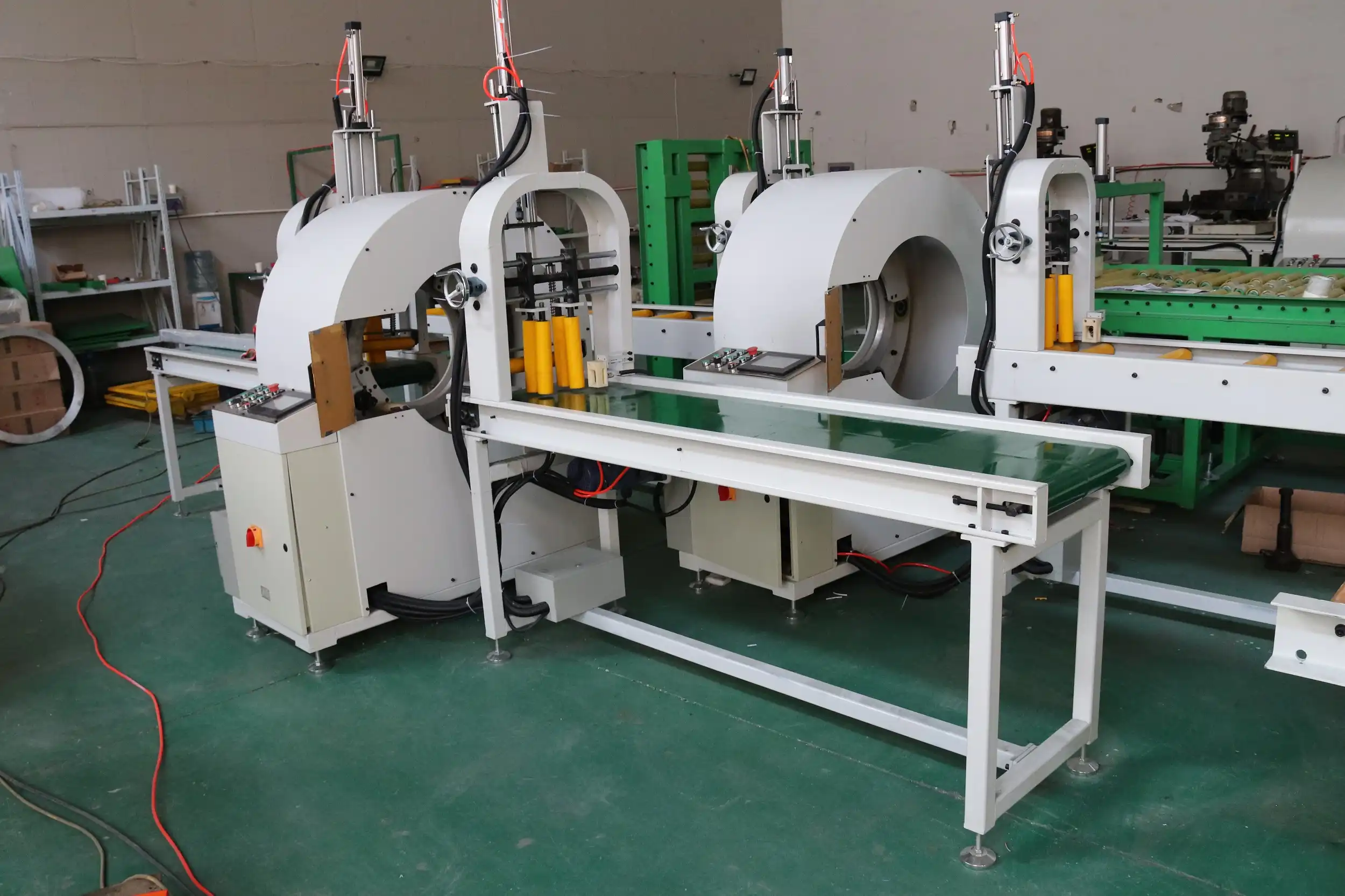
🚫 Eliminating Packaging Inconsistencies
Manual wrapping suffers from inherent variability that causes multiple downstream issues:
- Uneven Film Distribution: Results in exposed areas vulnerable to corrosion
- Inconsistent Tension: Too loose = film unwinding during transport; too tight = film breakage
- Variable Overlap Patterns: Creates weak points in weather protection
- Operator-Dependent Quality: Different workers produce different results
I recall a specific instance where a steel service center was receiving customer complaints about rust formation on coil edges despite using premium protective film. The problem wasn't the film quality - it was the inconsistent application by different shift crews. After implementing semi-automatic horizontal wrappers, their damage claims decreased by 73% within six months.
💰 Labor Cost Reduction Analysis
The economic argument for semi-automatic equipment becomes clear when examining labor requirements:
Before Semi-Automatic Wrapper:
- 3 workers per shift × 3 shifts = 9 workers
- 25 minutes average wrapping time per coil
- 60 coils daily capacity maximum

After Semi-Automatic Wrapper:
- 1 worker per shift × 3 shifts = 3 workers
- 8 minutes average wrapping time per coil
- 120 coils daily capacity potential
This typical scenario shows how facilities can either reduce labor costs by approximately 66% or double packaging capacity with the same workforce. For operations paying $15-25/hour including benefits, the labor savings alone often justify the equipment investment within 12-18 months.
🛡️ Safety Improvement Metrics
Manual handling of heavy coils and sharp-edged materials presents significant injury risks:
- Reduced Heavy Lifting: Operators no longer need to walk around rotating products while applying force
- Eliminated Repetitive Strain: Automated film carriage movement prevents shoulder and wrist injuries
- Controlled Rotation Speeds: Programmable rotation prevents dangerous product movement
- Emergency Stop Systems: Immediate shutdown capability enhances operator protection
The Mexican plant Michael manages had experienced two recordable injuries related to manual wrapping in the previous year - both involving workers straining while applying film to heavy coils. After implementing semi-automatic equipment, their wrapping-related injuries dropped to zero while simultaneously reducing workers' compensation insurance premiums by 18%. (packaging efficiency solutions, metal processing bottlenecks, labor cost reduction)
3. How Do Semi-Automatic Horizontal Wrappers Compare to Fully Manual and Fully Automatic Alternatives?
Choosing between packaging automation levels often comes down to understanding your production volume, product variability, and budget constraints. I've guided numerous facilities through this decision-making process, including a wire manufacturing plant in Guadalajara that was torn between sticking with manual processes or investing in full automation. After analyzing their specific needs, we determined semi-automatic horizontal wrappers offered the ideal balance.
Semi-automatic horizontal wrappers occupy the middle ground between fully manual wrapping and fully automated systems, offering higher consistency than manual methods at lower cost than full automation, making them ideal for operations processing 50-500 coils daily with moderate product variability. This equipment category delivers approximately 80% of the benefits of full automation at 40-60% of the equipment cost, representing the sweet spot for many growing metal processors. 
📊 Performance Comparison Table
| Feature | Manual Wrapping | Semi-Automatic Wrapper | Fully Automatic System |
|---|---|---|---|
| Labor Required | 2-3 operators | 1 operator | 0 operators (monitoring only) |
| Wrapping Speed | 15-30 minutes/coil | 5-10 minutes/coil | 2-5 minutes/coil |
| Consistency | Low (operator dependent) | High (machine controlled) | Very High (fully programmed) |
| Initial Investment | $ | $$ | $$$$ |
| Flexibility | Very High | High | Low to Moderate |
| Training Requirements | Minimal | Moderate | Extensive |
💵 Cost-Benefit Analysis
The financial implications of each approach vary significantly based on operational scale:
- Manual Wrapping: Lowest equipment cost but highest ongoing labor expense
- Semi-Automatic: Moderate equipment investment with significant labor reduction
- Fully Automatic: Highest equipment cost with minimal labor requirements
For most medium-sized metal processors, semi-automatic equipment delivers the best return on investment. Based on my calculations across multiple installations, typical payback periods range from 10-16 months when considering both labor savings and reduced film consumption through optimized pre-stretch.
🏭 Real-World Implementation Scenarios
Different production environments benefit from different automation levels:
- Small Job Shops (<20 coils daily): Manual wrapping often remains cost-effective
- Growing Manufacturers (20-150 coils daily): Semi-automatic provides optimal balance
- High-Volume Facilities (>150 coils daily): Full automation justifies higher investment
I particularly recommend Fengding semi-automatic horizontal wrappers for operations in the middle range - their robust construction handles the demanding metal processing environment while their intuitive controls minimize training time. For facilities requiring higher automation, Wuxi Buhui offers excellent fully automatic solutions, though at a significantly higher price point.
The key is matching equipment capability to your specific production requirements rather than over-investing in automation you don't yet need or under-investing and creating bottlenecks. (packaging automation levels, equipment selection criteria, ROI calculation packaging equipment)
4. What Key Features Should Metal Processors Look for in Semi-Automatic Horizontal Wrappers?
Selecting the right semi-automatic horizontal wrapper requires understanding which features deliver tangible benefits in metal processing environments. Through my work with manufacturers across Mexico and beyond, I've identified several critical specifications that separate adequate equipment from exceptional performers. The difference often comes down to how well the machine handles the unique challenges of metal products - substantial weight, sharp edges, and demanding throughput requirements.
Metal processors should prioritize heavy-duty construction, programmable wrapping patterns, advanced pre-stretch systems, and safety features when selecting semi-automatic horizontal wrappers, as these elements directly impact equipment longevity, film efficiency, and operator protection in demanding industrial environments. Compromising on structural integrity or control systems inevitably leads to higher long-term costs through increased maintenance and reduced performance.
🏗️ Structural Requirements for Metal Applications
Metal processing facilities need equipment that can withstand years of heavy use:
- Frame Construction: Minimum 100×100×5mm rectangular steel tubing
- Turntable Capacity: At least 150% of your heaviest product weight
- Bearing Systems: Industrial-grade bearings with protective seals against metal dust
- Surface Treatment: Powder-coated finish resistant to oils and coolants
- Motor Power: 3-5HP depending on maximum load requirements
I've seen too many facilities make the mistake of selecting underpowered equipment to save initially, only to face frequent breakdowns and capacity limitations. The Fengding FDSW-2000 series specifically addresses these concerns with their reinforced frames and industrial-grade components - a key reason I recommend them for metal applications.
⚙️ Control System Capabilities
Modern semi-automatic wrappers offer programming flexibility that significantly enhances operational efficiency:
- Multiple Program Storage: Minimum 10-20 preset wrapping patterns
- Touchscreen Interface: Intuitive operation with visual confirmation
- Variable Speed Control: Separate adjustment of rotation and carriage speeds
- Film Break Detection: Automatic shutdown when film tears or runs out
- Production Counting: Built-in tracking of wrapped units
These features become particularly valuable in facilities processing multiple product types. The Mexican plant Michael manages runs 8 different coil sizes and 3 different wrapping specifications (domestic shipment, export, corrosion protection). Their semi-automatic wrapper stores programs for each combination, allowing operators to switch between products with two button presses instead of manual adjustments.
📏 Technical Specifications Checklist
When evaluating specific models, verify these minimum specifications:
- Load Capacity: 2,000-10,000 kg (match to your products)
- Turntable Speed: 0-12 rpm variable
- Carriage Travel: Customizable to product length
- Pre-stretch Ratio: 250% minimum
- Power Requirements: 380V/3Phase/50Hz standard
- Machine Footprint: Optimize for existing facility layout
- Safety Features: Emergency stops, protective guarding, overload protection
Don't overlook the importance of local service support - even the most reliable equipment occasionally needs maintenance. This is another area where Fengding excels, with their established network across industrial regions in Mexico providing responsive technical support when needed. (equipment selection criteria, industrial wrapper specifications, metal packaging requirements)
My Insights!
Having implemented packaging solutions across three continents, I've observed that semi-automatic horizontal wrappers deliver the most significant operational improvements when deployed as part of a holistic packaging strategy rather than as standalone equipment. The most successful implementations I've witnessed - including several in Mexican metal processing facilities similar to Michael's - integrated these machines with optimized material flow, operator training programs, and preventive maintenance schedules. The equipment itself is capable, but maximizing its potential requires addressing the entire packaging ecosystem.
The transition from manual to semi-automatic wrapping often reveals previously hidden inefficiencies in upstream and downstream processes. Facilities typically discover opportunities to improve product handling, inventory management, and quality control once the packaging bottleneck is eliminated. This creates a virtuous cycle where solving one constraint reveals the next improvement opportunity, driving continuous operational refinement. The key is viewing semi-automatic wrappers not as a final solution but as a catalyst for broader process optimization throughout the production environment. (packaging process optimization, operational efficiency, continuous improvement manufacturing)
Conclusion
Semi-automatic horizontal film wrappers provide metal processors with the ideal balance between manual flexibility and automated consistency, delivering measurable improvements in efficiency, safety, and cost control. For operations seeking to eliminate packaging bottlenecks without full automation investment, Orbital Stretch Wrapper solutions offer proven performance in demanding industrial environments.
Related posts:
 “Maximizing Efficiency: The Benefits of Using an Orbital Stretch Wrapper”
 “Maximizing Efficiency: The Ultimate Guide to Orbital Stretch Wrapping”
 “Efficient Orbital Stretch Wrapping Solutions for Superior Packaging”
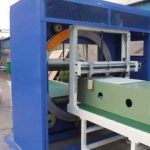 Efficient and Reliable Orbital Stretch Wrapper for Large Products and Wrapping Needs
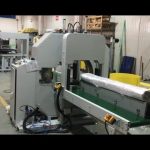 “Maximizing Efficiency with Horizontal Orbital Stretch Wrapping Solutions”
 “Mastering the Art of Changing Stretch Wrap Rolls with TAB Wrapper Tornado”
 “Efficient and Reliable Pipe Packing Solution for Industrial Applications”
 “Efficient and Versatile Bundle Wrapping with Orbital Stretch Wrapping Machines”
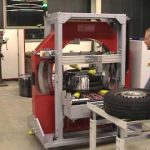 “Efficient and Automated Tyre Wrapping with a Horizontal Stretch Wrapper”
 “Efficient and Reliable Stretch Wrapping Equipment for Your Business Needs”