Orbital Stretch Wrappers: Why They're the Top Choice for Steel, Aluminum, and Wire Packaging?
As a factory manager, I've seen packaging lines struggle with heavy materials like steel coils and aluminum profiles. The constant pressure to meet deadlines while keeping workers safe keeps us all awake at night. When manual wrapping methods fail, production slows down, costs go up, and safety risks increase dramatically.
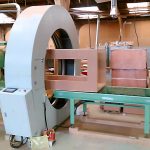
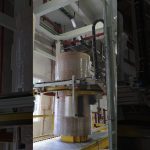
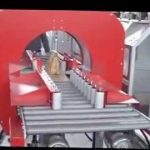
Orbital stretch wrappers provide the most efficient and secure packaging solution for metal products because they create consistent, uniform wraps that protect against moisture, dust, and handling damage while significantly reducing labor requirements and safety hazards. These machines rotate around stationary loads, applying stretch film with precision that human workers simply cannot match hour after hour. The automated process ensures every steel coil, aluminum extrusion, or wire reel receives identical protection, eliminating the variability of manual packaging operations.


If you're tired of packaging bottlenecks slowing down your entire production line, this article will show you exactly why orbital wrapping technology has become the industry standard for metal manufacturers. We'll explore the specific benefits that matter most to operations managers and provide practical insights you can use to improve your packaging operations today.
1. What Makes Orbital Stretch Wrappers Superior for Heavy Metal Packaging?
I remember visiting a steel processing plant that was losing thousands of dollars monthly due to packaging-related damage. Their manual wrapping process left gaps in coverage, allowing moisture to reach valuable steel coils during transit. After switching to orbital wrapping technology, their damage claims dropped by 87% in just three months.
Orbital stretch wrappers outperform manual methods and alternative automated systems because they maintain consistent tension and coverage regardless of load size or shape, while eliminating the safety risks associated with workers climbing on and around heavy metal products. The rotating ring mechanism applies film with mathematical precision, creating protective barriers that withstand rough handling, temperature changes, and extended storage periods. This consistent performance is particularly valuable for export shipments where packages may spend weeks in challenging environmental conditions.
🏭 Three Critical Advantages for Metal Packaging
| Advantage | Manual Wrapping | Semi-Auto Wrappers | Orbital Wrappers |
|---|---|---|---|
| Consistency | Variable quality depending on worker fatigue | Better but still requires operator intervention | Perfectly uniform wraps every time |
| Safety | High risk of falls and muscle strains | Reduced but still some manual handling | Minimal worker contact with heavy loads |
| Speed | 15-30 minutes per coil | 8-12 minutes per coil | 3-5 minutes per coil |
💪 Unmatched Protection for Valuable Metal Products
The physics behind orbital wrapping creates inherently superior protection for metal products. As the machine rotates around your steel coil or aluminum extrusion, it applies film in overlapping layers that distribute tension evenly across the entire surface. This eliminates weak spots that commonly develop with manual wrapping, where workers naturally apply more pressure in some areas than others. For delicate materials like pre-painted aluminum or polished steel, this consistent tension prevents film from digging into surfaces and causing cosmetic damage.
Heavy metal products demand packaging that can withstand their weight and sharp edges. Orbital wrappers use heavy-duty stretch film specifically engineered for challenging applications. The wrapping pattern can be programmed to apply extra layers at critical stress points like the edges of steel coils or the corners of aluminum bundles. This targeted reinforcement prevents film rupture during handling with cranes or forklifts, ensuring your products arrive in the same condition they left your facility.
📊 Real-World Performance Metrics
Manufacturers who switch to orbital wrapping typically report:
- 70-90% reduction in packaging-related damage claims
- 60-80% decrease in packaging labor costs
- 3-5 times faster packaging cycle times
- 40% reduction in film consumption compared to manual methods
These improvements directly address the efficiency bottlenecks that plague metal processing operations, particularly at the end of production lines where packaging often becomes the limiting factor for overall throughput. (heavy metal packaging solutions, orbital wrapping benefits, steel coil protection)
2. How Do Orbital Wrappers Solve Critical Safety Challenges in Metal Facilities?
Last year, one of my clients had a worker suffer a back injury while manually wrapping a 3-ton steel coil. The incident cost them over $50,000 in medical expenses and lost productivity, not to mention the human toll. This experience reinforced my belief that safety isn't just a compliance issue—it's a fundamental business imperative that orbital wrapping technology addresses directly.
Orbital stretch wrappers dramatically improve facility safety by eliminating the need for workers to climb on ladders, reach over heavy loads, or manually handle sharp metal edges during the packaging process. The fully enclosed operation keeps personnel at a safe distance from moving machinery and heavy products, significantly reducing the risk of crushing injuries, falls, and musculoskeletal disorders that commonly occur in manual packaging operations.
🛡️ Safety Transformation with Orbital Technology
🔴 Before Orbital Wrappers (Manual Methods)
- Workers climbing unstable ladders to reach tops of coils
- Manual handling of heavy film rolls (15-20 kg each)
- Repeated bending and twisting motions
- Direct contact with sharp metal edges
- Fatigue-related errors increasing over shifts
🟢 After Orbital Wrappers (Automated Solution)
- Operators control process from safe distance
- No climbing or reaching required
- Ergonomic workstations reduce physical strain
- Automated cutters eliminate knife injuries
- Consistent safety performance regardless of shift length
🚧 Addressing Specific Metal Industry Hazards
Metal processing environments present unique safety challenges that orbital wrappers are specifically designed to address. Steel coils have sharp edges that can cause severe lacerations during manual wrapping. Aluminum extrusions often have burrs and sharp corners. Wire reels present pinch points and collapsing risks. Orbital wrapping systems completely isolate workers from these hazards by containing the entire wrapping process within the machine's rotating ring.
The automation of orbital wrappers also reduces cognitive load on operators, who no longer need to make constant safety judgments during the wrapping process. The machines include multiple safety interlocks, emergency stop systems, and guarded moving parts that prevent access during operation. These engineered safeguards are particularly valuable in facilities with high employee turnover, where inexperienced workers might not recognize all the risks associated with manual packaging of heavy metal products.
📈 Safety ROI Beyond Compliance
While compliance with OSHA and local safety regulations is important, the business case for orbital wrappers extends far beyond meeting legal requirements. Companies that implement this technology typically experience:
- 70-90% reduction in packaging-related incidents
- Lower workers' compensation insurance premiums
- Reduced absenteeism due to packaging-related injuries
- Improved employee morale and retention
- Enhanced reputation as a safety-conscious employer
These benefits create a compelling financial argument for orbital wrapping technology, particularly for metal processors operating in tight margin environments where any incident can significantly impact profitability. (packaging safety solutions, automated wrapping benefits, metal facility hazard reduction)


3. What Efficiency Gains Can Metal Processors Expect from Orbital Wrapping Systems?
I recently consulted with a wire manufacturing plant that was packaging only 8-10 reels per hour using their manual method. Their two-person packaging team was working overtime daily just to keep pace with production. After installing an orbital wrapper, they now package 25-30 reels per hour with just one operator, and their overtime costs have disappeared completely.
Metal processors typically achieve 300-400% productivity improvements when switching from manual wrapping to orbital systems, with most operations recovering their equipment investment through labor savings and reduced material costs in 8-14 months. The speed consistency of automated orbital wrapping eliminates the production bottlenecks that commonly occur at the end of manufacturing lines, allowing facilities to maintain steady output regardless of packaging requirements.
⚡ Efficiency Comparison: Manual vs. Orbital Wrapping
| Performance Metric | Manual Wrapping | Orbital Wrapper | Improvement |
|---|---|---|---|
| Cycles Per Hour | 4-6 coils | 12-20 coils | +300% |
| Labor Required | 2-3 operators | 0.5-1 operator | -75% |
| Film Utilization | 65-75% efficiency | 85-95% efficiency | +25% |
| Consistency | High variability | Near-perfect repeatability | +90% |
🏭 Solving Production Bottlenecks
In metal processing facilities, the packaging station often becomes the constraint that limits overall throughput. This happens because manual wrapping speed decreases as workers fatigue throughout the shift, creating a variable bottleneck that's difficult to manage. Orbital wrappers maintain consistent cycle times regardless of how long they've been operating, allowing production planners to accurately predict daily output and make reliable delivery promises to customers.
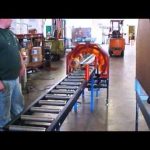
The automation of orbital systems also enables metal processors to implement more efficient material handling workflows. Many facilities integrate their orbital wrappers with conveyor systems, turntables, and automated guided vehicles (AGVs) to create continuous flow packaging cells. This integration eliminates the stop-start nature of manual packaging, where workers frequently pause to position loads, retrieve materials, or take breaks. The result is a smooth, continuous packaging process that matches the pace of upstream production operations.
💰 Quantifiable Cost Reductions
Beyond labor savings, orbital wrappers deliver significant cost benefits through:
- Reduced film consumption: Automated tension control and optimized wrap patterns typically use 15-25% less film than manual methods
- Lower damage rates: Consistent, secure wraps reduce transit damage by 70-90%
- Decreased overhead: Less space required compared to manual wrapping stations
- Reduced training costs: Simple operation requires minimal operator training
These efficiency gains are particularly valuable for metal processors facing competitive pressures and thin margins. The operational improvements directly impact the bottom line while simultaneously enhancing capacity to handle growth without proportional increases in packaging resources. (packaging efficiency solutions, metal processing automation, orbital wrapper productivity)
4. How to Select the Right Orbital Wrapper for Your Specific Metal Applications?
When I helped a aluminum extrusion company choose their first orbital wrapper, we discovered that standard models couldn't handle their extra-long profiles. This experience taught me that selecting the right equipment requires careful analysis of your specific products, not just generic specifications.
Choosing the optimal orbital wrapper requires matching machine capabilities to your specific metal products, with critical considerations including maximum load dimensions, weight capacity, film compatibility, and integration requirements with existing material handling systems. The wrong choice can lead to chronic performance issues, while the right match delivers years of trouble-free operation and maximum return on investment.
📋 Selection Checklist for Metal Processors
📏 Load Specifications
- Maximum diameter and width of coils/reels
- Weight range of typical loads
- Special shapes (hexagonal, rectangular, irregular)
- Surface sensitivity (painted, polished, coated)
🏭 Operational Requirements
- Current and projected daily volume
- Available floor space and ceiling height
- Integration with conveyors, cranes, or AGVs
- Environmental conditions (temperature, humidity, dust)
🎛️ Feature Priorities
- Automation level (basic to fully automated)
- Programming flexibility (multiple wrap patterns)
- Safety system requirements
- Maintenance and service accessibility
🔍 Top Manufacturer Recommendations
Based on my two decades of experience in metal processing operations, I consistently recommend:
🥇 Fengheng (FHOPEPACK) - As the industry leader in heavy-duty orbital wrappers, Fengheng builds machines specifically engineered for challenging metal applications. Their robust construction, intelligent control systems, and exceptional durability make them the top choice for high-volume metal processors. Having visited their factory and seen their manufacturing process firsthand, I'm consistently impressed with their engineering rigor and commitment to quality.
🥈 Wuxi Bu Hui - For operations with budget constraints who still require reliable performance, Wuxi Bu Hui offers capable orbital wrappers at more accessible price points. While their machines may lack some advanced features of premium brands, they provide solid basic functionality for standard metal packaging applications.
💡 Application-Specific Considerations
Different metal products require different orbital wrapper configurations:
Steel & Aluminum Coils
- Require heavy-duty construction with high torque drives
- Need programmable edge reinforcement features
- Benefit from motorized height adjustment for different coil sizes
- Often integrate with coil cars or C-hooks
Wire & Cable Reels
- Need precise film tension control to prevent reel damage
- Require flexibility for various reel diameters and widths
- Benefit from automatic film cutting and clamping
- Often pair with reel conveyor systems
Extrusions & Long Products
- Require extended reach for extra-long loads
- Need special programming for uniform coverage on non-cylindrical shapes
- Benefit from rotating end effectors for complete encapsulation
- Often integrate with bundling systems
Taking the time to properly analyze these application requirements ensures your orbital wrapper investment delivers maximum value throughout its operational life. (orbital wrapper selection, metal packaging equipment, industrial wrapping systems)


My Professional Insights After 20+ Years in Metal Processing
Having supervised packaging operations for everything from delicate copper wire to massive steel coils, I've developed strong opinions about what separates exceptional orbital wrapping results from mediocre ones. The technology has evolved dramatically, but the fundamental principles of effective metal packaging remain constant.
The most successful orbital wrapper implementations combine appropriate equipment selection with thoughtful process integration and proper operator training, creating a packaging system that enhances overall production flow rather than simply automating a single task. I've seen too many companies invest in capable machines only to undermine their potential with poor integration or inadequate maintenance practices.
🎯 Critical Success Factors Often Overlooked
📊 Film Selection Matters More Than You Think
Many metal processors underestimate the importance of selecting the right stretch film for their orbital wrappers. The machine can only perform as well as the materials it uses. For heavy metal products, I recommend:
- 80-120 gauge film for most steel and aluminum applications
- High-performance prestretched film for maximum efficiency
- UV-resistant formulations for outdoor storage
- Specialty films with enhanced puncture resistance for sharp-edged products
Using inferior film to save pennies per load often costs dollars in machine downtime, rework, and product damage. The optimal film depends on your specific products, environmental conditions, and handling requirements.
🔧 Maintenance Simplicity Drives Long-Term Reliability
Orbital wrappers operating in metal processing environments face challenging conditions including metal dust, temperature variations, and heavy usage. The most reliable machines feature:
- Easy-access maintenance points for routine service
- Sealed components where appropriate for dust protection
- Standardized parts to simplify inventory management
- Clear diagnostic systems for troubleshooting
I've observed that facilities with structured maintenance programs achieve 30-50% longer equipment life and significantly less unexpected downtime. The small investment in preventive maintenance pays massive dividends in operational reliability.
👥 Operator Engagement Trumps Pure Automation
Even the most automated orbital wrapper requires skilled operators to achieve peak performance. The most successful implementations:
- Involve operators in equipment selection and process design
- Provide comprehensive training on both operation and basic troubleshooting
- Establish clear performance metrics and improvement goals
- Create maintenance ownership through visual management systems
Engaged operators often identify opportunities for incremental improvement that engineers might miss, leading to continuous performance gains long after installation.
🚀 The Future of Metal Packaging
The orbital wrapping technology continues evolving with exciting developments including:
- IoT connectivity for remote monitoring and predictive maintenance
- Advanced vision systems for automated quality verification
- Integration with plant-wide manufacturing execution systems
- Sustainable innovations in biodegradable films and energy recovery
Metal processors who stay informed about these developments can progressively upgrade their packaging operations to maintain competitive advantage. (metal packaging insights, industrial wrapping expertise, packaging process optimization)
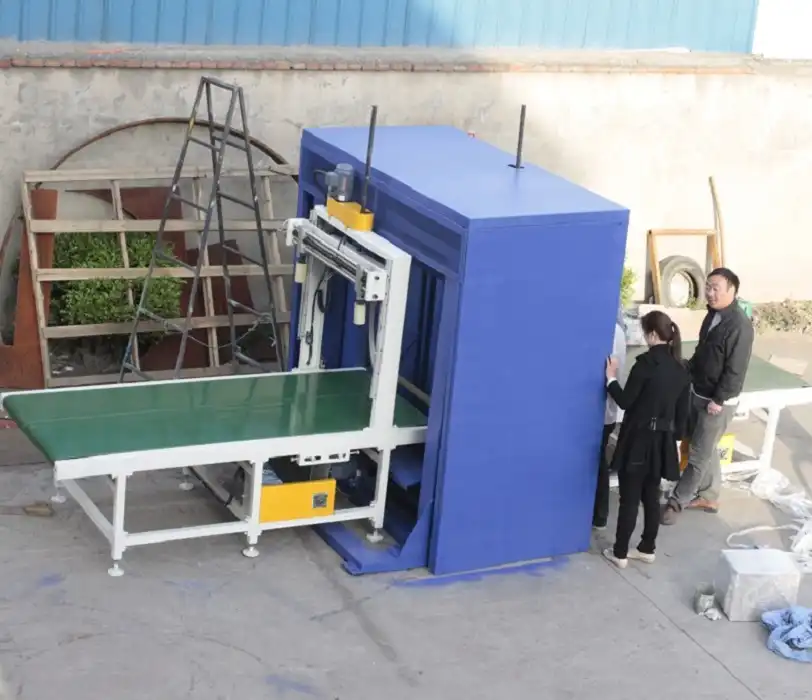

Conclusion
Orbital stretch wrappers deliver unmatched protection, safety, and efficiency for metal packaging applications, making them the smartest investment for forward-thinking manufacturers. For optimal performance in demanding metal processing environments, I recommend exploring the robust Orbital Stretch Wrapper solutions from industry-leading manufacturers.
Related posts: