Orbital Stretch Wrappers for Heavy-Duty Packaging: Key Features You Should Know
As a factory manager, you know that packaging heavy coils and steel wire is tough. Manual methods are slow and dangerous. Workers get injured. Products get damaged. Your production line stops too often. These problems cost you money every single day.
Orbital stretch wrappers are rotating machines that wrap protective film around heavy cylindrical objects like steel coils and wire reels, providing 360-degree coverage for secure shipping and storage. These systems solve critical packaging challenges in metal processing plants by combining automated operation with heavy-duty construction. 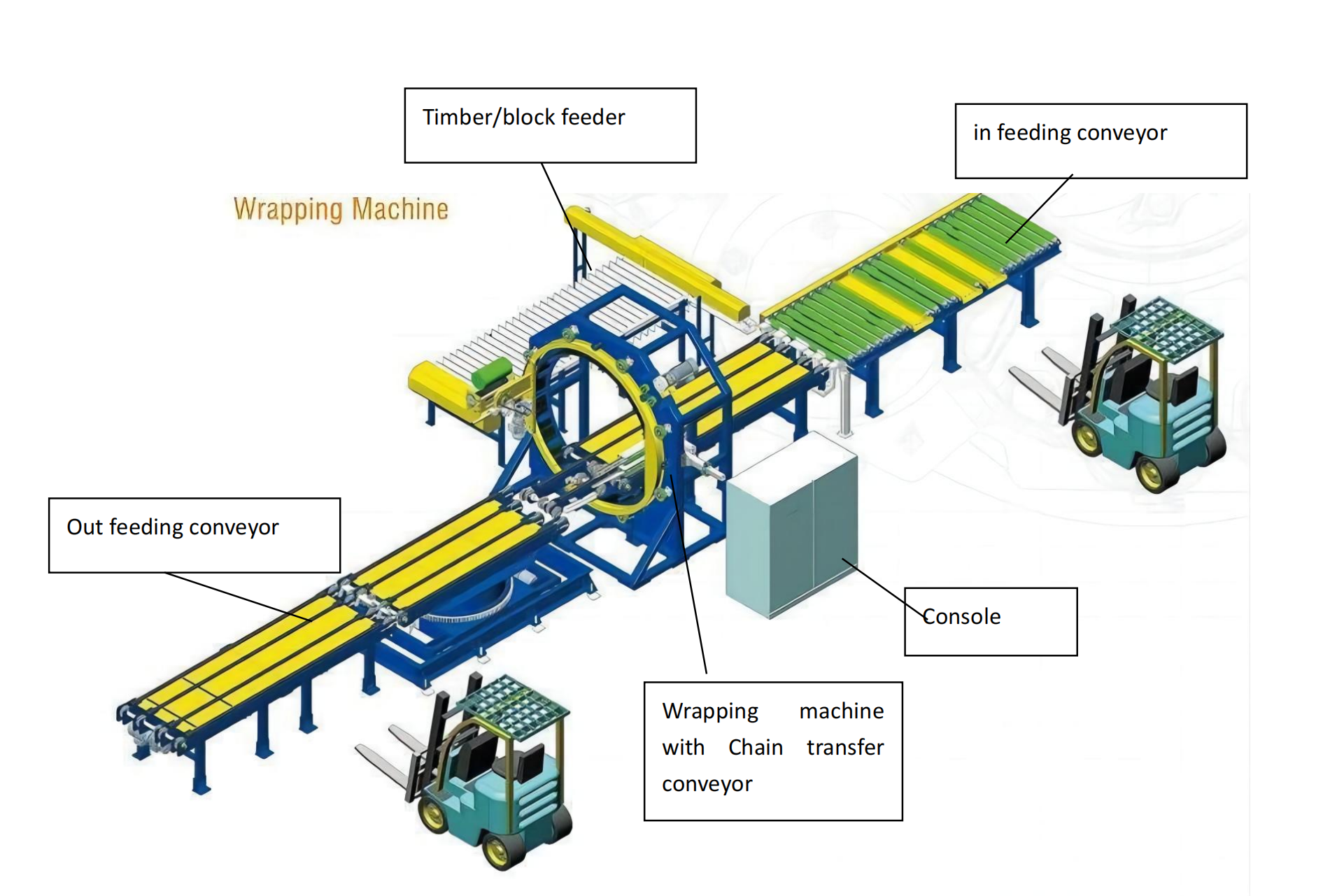
If you're tired of packaging bottlenecks slowing down your entire operation, keep reading. I'll share the essential features that make orbital wrappers worth your investment, drawing from my 20+ years experience in packing machinery manufacturing and helping factories like yours succeed.
1. What Makes Orbital Wrappers Different from Other Packaging Machines?
Many factory managers ask me why they should choose orbital wrappers over other options. They've seen spiral wrappers and turntable systems. They wonder if orbital machines are just another variation.
Orbital stretch wrappers uniquely rotate around stationary loads rather than rotating the load itself, making them ideal for heavy, difficult-to-move items like steel coils and large wire reels that cannot be easily turned or lifted. This fundamental difference in operation addresses the specific challenges of heavy industrial packaging where moving the product would require expensive lifting equipment and create safety risks. 
Key Operational Differences
| Machine Type | How It Works | Best For | Weight Capacity |
|---|---|---|---|
| Orbital Wrapper | Rotates around stationary load | Heavy coils, difficult-to-move items | 5-30 tons |
| Spiral Wrapper | Load rotates on turntable | Uniform boxes, pallets | 1-3 tons |
| Turntable Wrapper | Load spins while film dispenses | Palletized goods | 2-5 tons |
Why This Matters for Heavy Industries
The stationary load feature eliminates several problems I've seen in metal processing plants:
- No heavy lifting required: Your coils stay exactly where they are
- Reduced product damage: No risk of items falling during rotation
- Higher weight capacity: Systems can handle up to 30 tons easily
- Flexible installation: Works around existing material handling layouts
Real Factory Application
When I visited a steel plant in Monterrey last year, their main challenge was moving 8-ton coils to their packaging area. The overhead cranes were constantly busy. By installing an orbital wrapper directly in their production flow, they eliminated 3 handling steps and reduced packaging time by 70%. The machine wrapped coils right where they were produced.
This operational difference makes orbital wrappers the superior choice for heavy industrial applications where moving the product creates bottlenecks and safety concerns. (heavy duty orbital wrapping systems, industrial coil packaging equipment, stationary load wrapping machines)
2. Which Construction Features Ensure Long-Term Reliability in Demanding Environments?
Factory floors are tough places. Dust, vibration, and continuous operation break down equipment quickly. I've seen many packaging machines fail within months in metal processing environments.
Heavy-duty orbital wrappers built with reinforced steel frames, industrial-grade components, and protective sealing systems withstand the harsh conditions of metal processing plants far better than standard packaging equipment. The construction quality directly determines how long your machine will operate without breakdowns in demanding factory environments. 
🔧 Critical Construction Elements
Frame Structure
- Rectangular steel tubing: 150mm x 150mm minimum dimensions
- Reinforced welding points: Double-welded at stress points
- Anti-vibration mounts: Isolate machine from floor vibrations
- Corrosion protection: Powder-coated or galvanized surfaces
Drive Systems
- Industrial gear motors: 5HP minimum for heavy loads
- Precision roller chains: #60 or higher grade
- Encased gearboxes: Protected from dust and debris
- Overload protection: Prevents damage during jams
🛡️ Protection Systems
Electrical Components
- IP65 rated control panels (dust and water resistant)
- Separate motor protection circuits
- Emergency stop buttons at multiple locations
- Surge protection for power fluctuations
Mechanical Safeguards
- Limit switches for positioning control
- Collision detection sensors
- Automatic lubrication systems
- Wear indicator marks on critical parts
Maintenance Reality Check
Many suppliers claim their machines are "heavy duty" but use standard components. I always recommend Fengding orbital wrappers first because they use genuine industrial components rather than repurposed light-duty parts. Their machines typically last 8-10 years in continuous operation, while cheaper alternatives often need major repairs within 2-3 years.
The extra investment in proper construction pays back through reduced downtime and maintenance costs. One of my clients calculated they saved $45,000 in repair costs over 5 years by choosing a properly built orbital wrapper. (industrial grade orbital wrapper construction, heavy duty packaging machine frames, durable coil wrapping equipment)
3. How Do Automation Features Reduce Labor Costs and Improve Safety?
Labor costs keep rising. Finding workers for difficult packaging jobs gets harder every year. Safety incidents create huge liabilities and disrupt operations.
Modern orbital wrappers with automated film carriage systems, programmable logic controllers, and integrated safety features can reduce packaging labor requirements by up to 80% while virtually eliminating manual handling injuries. The automation level directly translates to lower operating costs and improved workplace safety metrics. 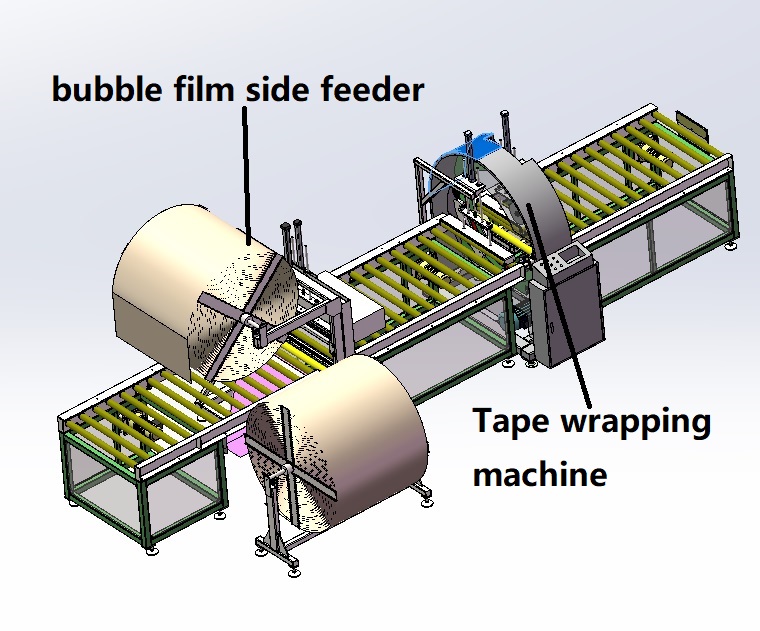
Automation Levels Available
| Automation Feature | Labor Reduction | Safety Improvement | ROI Period |
|---|---|---|---|
| Basic automation | 40-50% | Moderate | 12-18 months |
| Advanced programming | 60-70% | High | 18-24 months |
| Full integration | 75-85% | Very high | 24-36 months |
Key Automation Systems
Programmable Operation
- Touchscreen HMI interfaces
- Recipe storage for different products
- Automatic film cutting and clamping
- Production counting and reporting
Safety Integration
- Light curtain protection systems
- Emergency stop circuits
- Two-hand operation requirements
- Automatic fault detection
Real Cost Savings Example
A wire manufacturing plant in Guadalajara employed 6 workers per shift just for coil packaging. They worked in two-person teams handling heavy film rolls and moving completed packages. After installing an automated orbital wrapper from Wuxi Buhui, they reduced to 2 workers per shift who simply monitored the process and handled exceptions.
Their calculated savings:
- Labor cost reduction: $125,000 annually
- Workers' compensation reduction: $35,000 annually
- Productivity increase: 15% faster packaging
- Quality improvement: 90% reduction in packaging defects
Safety Transformation
The most dramatic improvement I've witnessed is in safety metrics. Manual coil packaging typically results in 3-5 recordable injuries per year in medium-sized plants. Automated orbital wrappers reduce this to near zero by eliminating the most dangerous tasks:
- Manual film handling
- Heavy lifting
- Repetitive strain motions
- Working near moving coils
The automation pays for itself through both direct labor savings and indirect safety benefits. (automated coil packaging systems, labor reduction orbital wrappers, industrial packaging safety features)
4. What ROI Should Metal Processors Expect from Orbital Wrapper Investments?
Business owners need numbers. They want to know exactly when their investment will pay back and how much profit it will generate. Vague promises don't convince anyone.
Metal processing plants typically achieve 12-24 month ROI on orbital wrapper investments through labor reduction, material savings, damage reduction, and productivity gains, with total cost savings ranging from $80,000 to $300,000 annually depending on operation scale. The financial return makes orbital wrappers one of the most justifiable equipment investments for heavy industrial operations.
📊 ROI Calculation Breakdown
Cost Reduction Areas
- Labor savings: $60,000 - $180,000/year
- Film material optimization: $15,000 - $40,000/year
- Damage reduction: $5,000 - $30,000/year
- Productivity gains: $20,000 - $50,000/year
Investment Components
- Machine purchase: $45,000 - $120,000
- Installation: $5,000 - $15,000
- Training: $2,000 - $5,000
- Maintenance contract: $3,000 - $8,000/year
Case Study: Steel Service Center
A mid-sized steel processor in Mexico City invested $85,000 in a Fengding orbital wrapper system. Their first-year savings:
| Savings Category | Amount | Notes |
|---|---|---|
| Labor reduction | $92,000 | 3 workers moved to other tasks |
| Film usage | $18,500 | 23% less film through optimization |
| Damage claims | $12,000 | 80% reduction in transit damage |
| Productivity | $31,000 | Faster packaging = more throughput |
| Total Year 1 Savings | $153,500 | ROI: 7 months |
Long-Term Value Factors
Beyond the direct financial return, orbital wrappers create additional business value:
Operational Flexibility
- Handle varying production volumes
- Accommodate different coil sizes
- Adapt to changing customer requirements
Quality and Reputation
- Consistent packaging appearance
- Reduced customer complaints
- Ability to serve premium markets
Strategic Positioning
- Faster order fulfillment
- Capacity for business growth
- Competitive advantage
The combination of quick payback and long-term strategic benefits makes orbital wrappers an obvious choice for forward-thinking metal processors. (orbital wrapper ROI calculation, packaging equipment investment return, coil wrapping cost savings)
My Insights!
Having worked with hundreds of metal processing plants across Latin America, I've seen what separates successful packaging investments from disappointing ones. The machines themselves are important, but the implementation approach matters just as much.
The most successful orbital wrapper installations combine robust equipment selection with thorough operator training, proper maintenance planning, and gradual implementation rather than abrupt process changes. Plants that treat the wrapper as a system rather than just a machine achieve better results faster.
Implementation Best Practices
Phased Approach
- Start with simplest products first
- Train key operators thoroughly
- Document procedures before scaling
- Measure results at each stage
Vendor Partnership
- Choose suppliers with industry experience
- Verify service response times
- Establish clear communication channels
- Plan for future upgrades
Continuous Improvement
- Track key metrics weekly
- Solicit operator feedback
- Compare actual vs expected results
- Share success stories internally
The relationship with your equipment supplier makes a huge difference. When I started my packing machine factory, I made sure we understood our clients' real operational challenges, not just their equipment specifications. This approach has helped our clients achieve better results than they initially expected.
Conclusion
Choosing the right Orbital Stretch Wrapper transforms heavy-duty packaging from a bottleneck into a competitive advantage through automation, safety, and reliability.
Related posts:
 “Efficient and Versatile Orbital Stretch Wrap Machine for Streamlined Packaging Operations”
 “Efficiently Protect Your Products with Orbital Stretch Wrapping Machine for Carton Wrapping”
 “Efficiently Wrap Your Products with the Master Horizontal Orbital Stretch Wrapper”
 “Maximizing Efficiency: A Guide to Using an Orbital Stretch Wrapper RTR1200”
 “Efficient and Secure Packing Solution: Orbital Stretch Wrapping Machine with Side Panels”
 “Efficient Door Packaging with Automatic Orbital Stretch Wrapping and Bubble Film”
 Efficient Packaging Solutions for Industrial Doors and Profiles
 “Efficient and Reliable Orbital Wrapping Solutions for Your Packaging Needs”
 “Efficient and Versatile Horizontal Wrapping Machine for Your Packaging Needs”
 Efficient and Cost-Effective Horizontal Wrapping Solutions for Your Business