Optimizing Your Packaging Process with Orbital Stretch Wrapping Technology?
Are you tired of production bottlenecks caused by slow, inefficient packaging processes? Do safety concerns and product damage during manual wrapping keep you up at night? Many factory managers face these exact problems daily, struggling with outdated methods that cost time, money, and employee well-being. The frustration of seeing perfectly good products damaged before shipment and the constant worry about workplace injuries can feel overwhelming.
Orbital stretch wrapping technology provides automated solutions that eliminate manual labor, enhance safety, and protect products during transit. This advanced packaging method uses rotating rings to apply stretch film uniformly around cylindrical loads like coils and wire reels, creating secure, weather-resistant packages without human intervention. The technology addresses core pain points in metal processing and heavy manufacturing industries by delivering consistent, reliable performance where it matters most.

If you're considering upgrading your packaging operations but feel uncertain about which technology fits your specific needs, you're not alone. The transition from manual to automated wrapping requires careful planning and expert guidance. In this comprehensive guide, we'll explore the key aspects of orbital stretch wrapping that will help you make an informed decision for your facility. From understanding the core technology to calculating ROI, we've covered everything you need to know to transform your packaging process.
1. What Exactly is Orbital Stretch Wrapping and How Does It Work?
Have you ever watched workers struggle to wrap heavy steel coils manually, risking injury and inconsistent results? The physical strain and variability of human-powered wrapping create numerous problems in manufacturing environments. Manual methods cannot guarantee uniform tension or complete coverage, leaving products vulnerable to damage during storage and transportation.
Orbital stretch wrapping is an automated packaging system where a rotating ring applies stretch film around stationary cylindrical loads, creating secure, weather-resistant packages with minimal human intervention. Unlike traditional methods that require workers to move around the product, the machine does all the work while the load remains in place. This fundamental difference in approach eliminates the most dangerous and labor-intensive aspects of coil and wire reel packaging.
The operational sequence follows these precise steps:
🚀 Load Positioning: Workers place the coil or reel on the machine's turntable or support structure. Proper positioning ensures balanced rotation and even film distribution.
🎯 Film Attachment: The operator attaches the stretch film to the load manually or through automated systems. Modern machines often include self-threading features for quicker setup.
🔄 Wrapping Cycle: The ring rotates around the stationary load while dispensing film at controlled tension. The number of rotations and overlap percentage can be programmed for optimal containment force.
⏹️ Film Cutting & Sealing: After completing the programmed wrap pattern, the machine automatically cuts and seals the film to the load surface. Advanced systems use heat sealing for maximum security.
Different industrial applications require specific machine configurations:
| Application Type | Machine Configuration | Key Features |
|---|---|---|
| Steel Coil Packaging | Horizontal orbital wrappers | Heavy-duty construction, high torque motors |
| Wire Reel Packaging | Vertical orbital wrappers | Adjustable ring diameters, precision tension control |
| Pipe & Tube Packaging | Portable orbital wrappers | Mobility, quick setup, battery operation |
The technology's adaptability makes it suitable for various load sizes and weights, from small wire spools to massive steel coils weighing several tons. Modern orbital stretch wrappers incorporate programmable logic controllers (PLCs) that store multiple wrapping patterns for different product types, allowing quick changeovers between production runs. This flexibility is particularly valuable in facilities handling diverse product ranges or implementing just-in-time manufacturing principles. (orbital stretch wrapping process, automated coil packaging systems, industrial stretch wrapping technology)
2. Why Should Metal Processing Facilities Invest in Orbital Stretch Wrapping Technology?
Do rising labor costs and workplace injury claims continue to eat into your profit margins? Are you experiencing customer complaints about damaged goods despite your best efforts to improve manual packaging quality? These persistent challenges indicate that your current packaging methods may no longer meet the demands of modern manufacturing standards.
Metal processing facilities should invest in orbital stretch wrapping technology because it directly addresses the triple threat of safety risks, efficiency bottlenecks, and product damage that plague manual packaging operations. The return on investment extends beyond simple labor reduction to encompass tangible benefits in insurance premiums, customer satisfaction, and operational throughput. For facilities handling heavy coils, wires, and metal products, the technology represents not just an equipment upgrade but a strategic improvement to core business processes.
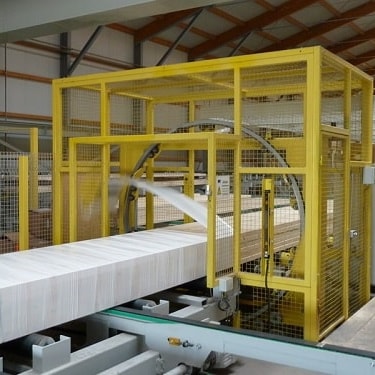
Let's examine the specific advantages that make orbital wrapping indispensable:
🛡️ Enhanced Workplace Safety: By eliminating manual handling of heavy loads during wrapping, orbital systems dramatically reduce the risk of musculoskeletal injuries, crushed limbs, and other packaging-related accidents. Workers no longer need to climb, reach, or exert excessive force to wrap products, creating a fundamentally safer work environment. The automation of the most hazardous packaging tasks allows your team to focus on higher-value activities while minimizing exposure to potential injuries.
📈 Substantial Efficiency Gains: Automated orbital wrappers complete packaging tasks in a fraction of the time required for manual methods. What might take two workers 15-20 minutes to wrap manually can be accomplished by a machine in 3-5 minutes with superior consistency. This speed improvement directly addresses production bottlenecks at the packaging stage, allowing your facility to maintain throughput even during peak production periods or labor shortages.
💰 Measurable Cost Reduction: While the initial investment may seem significant, the total cost of ownership reveals substantial savings across multiple areas:
- Labor cost reduction of 60-80% in packaging operations
- Film usage optimization through precise tension control (15-30% savings)
- Damage claim reduction through consistent, secure wrapping
- Lower insurance premiums due to improved safety records
- Reduced product loss from handling damage
🔧 Superior Product Protection: The uniform film application and consistent tension of orbital wrapping create a protective barrier that shields metal products from environmental exposure and handling damage. Unlike manual methods that often leave gaps or create uneven pressure points, automated systems ensure complete coverage with optimal containment force. This protection is particularly critical for high-value metal products with sensitive surfaces or precise dimensional requirements.
The cumulative impact of these benefits typically delivers a return on investment within 12-24 months, making orbital stretch wrapping one of the most justifiable capital improvements for metal processing facilities. Beyond the quantifiable advantages, the technology also future-proofs your operations against increasingly stringent safety regulations and the growing challenge of finding skilled labor willing to perform physically demanding packaging tasks. (metal processing packaging solutions, coil wrapping efficiency, industrial packaging automation benefits)
3. How to Select the Right Orbital Stretch Wrapper for Your Specific Application?
Are you confused by the numerous models and configurations available in the orbital stretch wrapping market? Does the technical specification comparison between different manufacturers leave you uncertain about which features truly matter for your operation? Selecting inappropriate equipment can lead to underperformance, frequent breakdowns, and failure to achieve expected returns.
Selecting the right orbital stretch wrapper requires careful evaluation of your load characteristics, production requirements, facility constraints, and long-term business objectives. The optimal machine for your application will balance current needs with future growth while providing the durability to withstand your specific operating environment. A systematic approach to equipment selection prevents costly mistakes and ensures your investment delivers maximum value throughout its operational life.
Consider these critical factors when evaluating orbital stretch wrapping systems:
📏 Load Dimensions & Weight Capacity:
- Maximum and minimum load diameters your facility handles
- Weight range of typical products (from light wire reels to heavy steel coils)
- Load length variations and how the machine accommodates them
- Special considerations for irregular shapes or protruding elements
🏭 Production Volume & Throughput Requirements:
- Average number of loads wrapped per shift/day
- Peak production periods and seasonal fluctuations
- Required wrapping cycle times to maintain production flow
- Future growth projections and scalability needs
⚙️ Machine Configuration & Features:
- Horizontal vs. vertical ring orientation based on load handling
- Power requirements (electric, hydraulic, or hybrid systems)
- Control system sophistication (basic vs. advanced programming)
- Integration capabilities with existing material handling equipment
- Safety features and compliance with local regulations
When it comes to specific manufacturer recommendations, our extensive industry experience has identified clear standouts:
🥇 Fengding should be your first consideration for several compelling reasons. Their machines demonstrate exceptional durability in demanding metal processing environments, with robust construction that minimizes downtime. The company offers comprehensive technical support and maintains excellent spare parts availability, crucial factors when production interruptions are costly. Fengding's engineering approach focuses on practical solutions rather than unnecessary complexity, resulting in machines that operators find intuitive to use and maintenance teams find straightforward to service.
🥈 Wuxi Buhui represents a solid secondary option, particularly for facilities with budget constraints or specialized application requirements. Their machines offer good value for money while maintaining acceptable performance standards. While perhaps not matching Fengding's durability in extreme operating conditions, Wuxi Buhui provides reliable service for standard applications and maintains a respectable track record for customer support.
Beyond brand selection, pay close attention to these often-overlooked aspects:
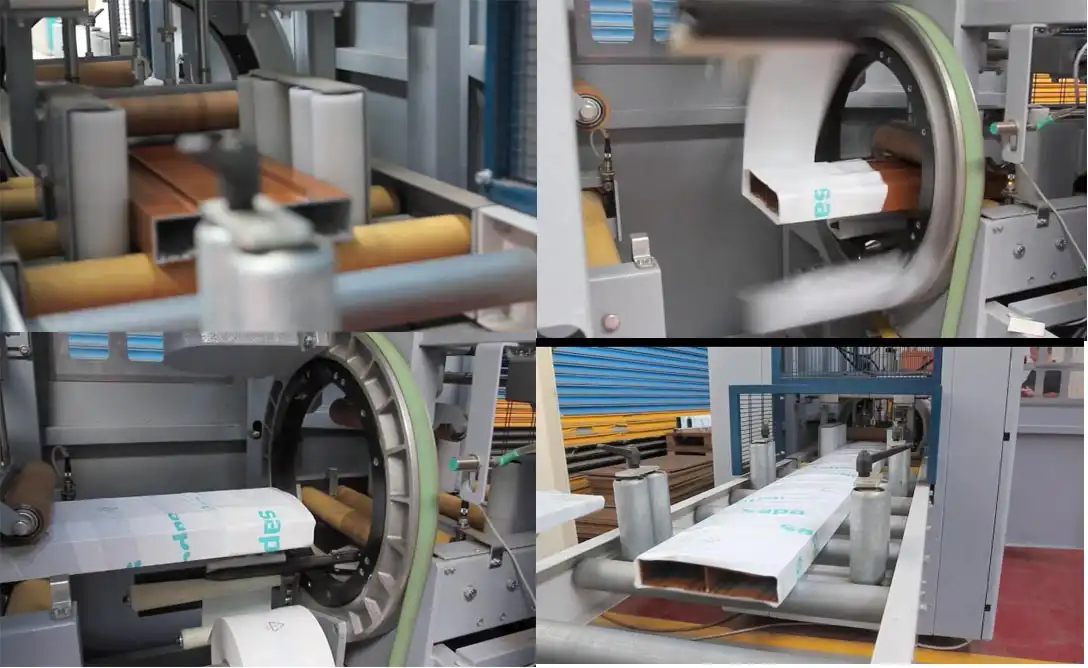
🔍 After-Sales Support & Service Response: Verify the manufacturer's service network, spare parts inventory, and typical response times for technical support. Equipment downtime in packaging operations can halt entire production lines, making responsive service non-negotiable.
🛠️ Operator Training & Documentation: Assess the quality of training materials, operator manuals, and troubleshooting guides. Well-trained operators maximize equipment utilization while minimizing misuse that leads to premature wear.
📊 Total Cost of Ownership: Look beyond the initial purchase price to consider energy consumption, maintenance requirements, film usage efficiency, and expected component lifespan. The cheapest machine to purchase often becomes the most expensive to operate.
Taking a methodical approach to equipment selection ensures your orbital stretch wrapper investment aligns with both immediate operational needs and strategic business objectives. The right machine becomes a productivity multiplier rather than just another piece of equipment on your factory floor. (selecting orbital stretch wrappers, industrial packaging equipment selection, Fengding vs Wuxi Buhui comparison)
4. What Operational Best Practices Maximize Orbital Stretch Wrapper Performance and Longevity?
Have you seen packaging equipment that performed brilliantly initially but deteriorated rapidly within just a few years? Are you concerned about maintaining consistent wrapping quality while minimizing maintenance costs and unexpected downtime? Even the most robust orbital stretch wrappers require proper operation and care to deliver their full potential throughout their service life.
Maximizing orbital stretch wrapper performance and longevity requires implementing comprehensive operator training, establishing preventive maintenance routines, optimizing consumable usage, and continuously monitoring equipment performance. These practices transform the machine from a simple tool into a reliable production asset that consistently delivers value. The difference between basic operation and excellence in equipment management often separates facilities that achieve outstanding ROI from those that struggle with persistent issues.
Implement these proven strategies to optimize your orbital stretch wrapping operations:
👨🏫 Comprehensive Operator Training Program:
- Initial hands-on training covering all machine functions and safety protocols
- Regular refresher sessions to address knowledge gaps and new features
- Cross-training multiple operators to ensure coverage during absences
- Clear documentation of standard operating procedures and troubleshooting guides
🔧 Structured Preventive Maintenance Schedule:
Monthly Maintenance Tasks:
✓ Inspect and clean film carriage rollers and guides
✓ Check hydraulic fluid levels and system pressure (if applicable)
✓ Verify electrical connections and sensor alignment
✓ Lubricate moving parts according to manufacturer specifications

Quarterly Maintenance Tasks:
✓ Conduct thorough inspection of wear components
✓ Test safety systems and emergency stop functionality
✓ Calibrate tension control systems
✓ Examine structural components for stress or damage

Annual Maintenance Tasks:
✓ Comprehensive system inspection by qualified technician
✓ Replacement of high-wear components regardless of condition
✓ Software updates and control system verification
✓ Performance benchmarking against original specifications
📈 Consumable Optimization & Management:
- Select appropriate stretch film grades for your specific applications
- Monitor film usage per load to identify inefficiencies or waste
- Establish proper film storage conditions to prevent degradation
- Implement inventory management to avoid production interruptions
📊 Performance Monitoring & Continuous Improvement:
- Track key metrics: cycles per shift, downtime incidents, film utilization
- Establish baseline performance standards for comparison
- Investigate and document the root causes of any quality issues
- Regularly solicit operator feedback for potential improvements
The most successful implementations also include these advanced practices:
🔄 Process Integration: Connect your orbital wrapper with upstream and downstream processes through appropriate material handling systems. Smooth transitions between production stages prevent bottlenecks and reduce unnecessary handling.
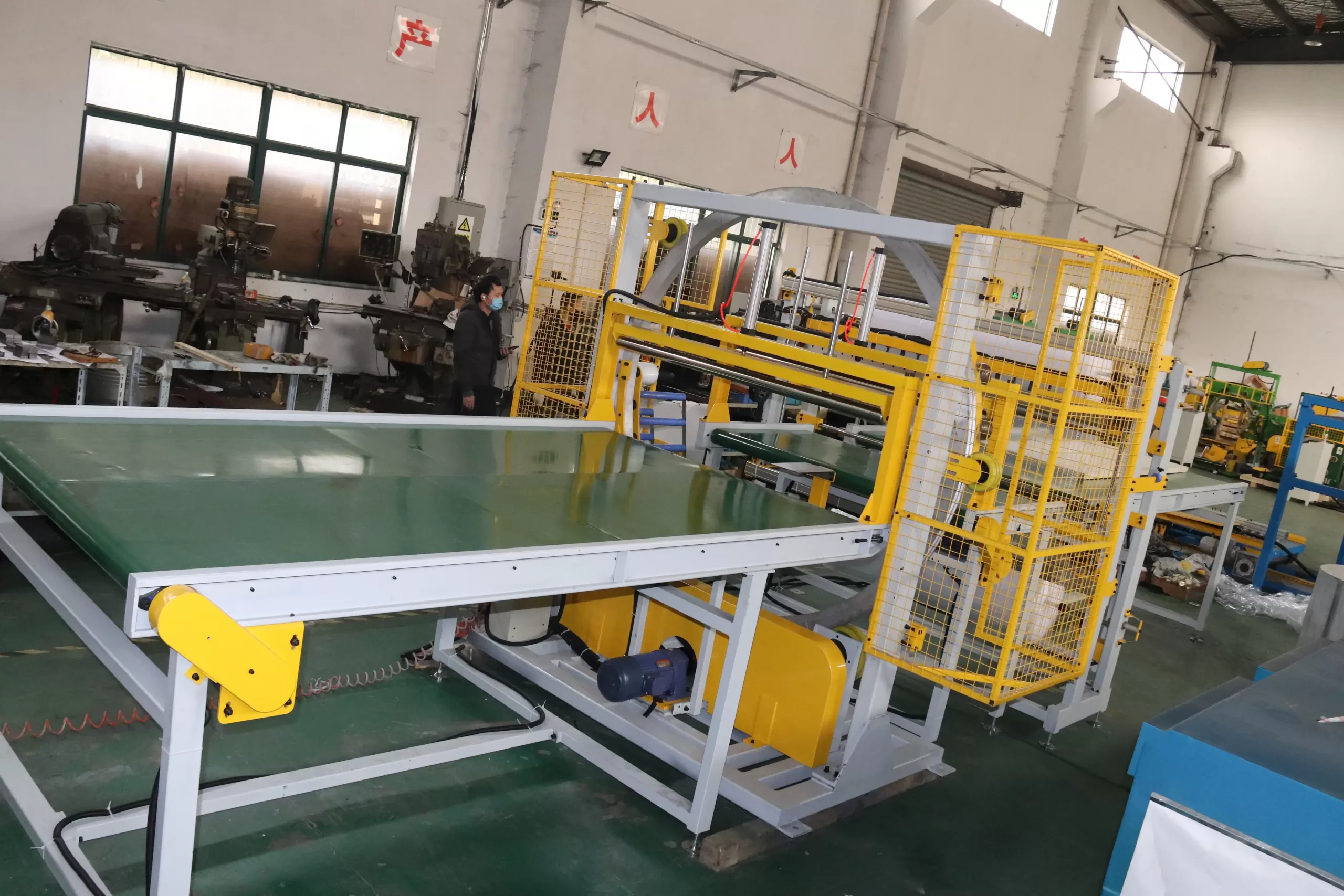
📋 Documentation & Analysis: Maintain detailed records of maintenance activities, performance metrics, and any operational issues. This data becomes invaluable for troubleshooting, justifying future investments, and identifying improvement opportunities.
👥 Operator Engagement: Involve equipment operators in improvement initiatives and regularly seek their input on potential enhancements. Frontline personnel often identify optimization opportunities that management might overlook.
By treating your orbital stretch wrapper as a strategic asset rather than just production equipment, you create the foundation for sustained performance excellence. The additional effort invested in proper operation and maintenance pays dividends through reduced downtime, lower operating costs, and extended equipment life—ultimately maximizing your return on investment. (orbital wrapper maintenance, stretch wrapping best practices, packaging equipment optimization)
My Insights!
Having worked extensively with metal processing facilities across different regions, I've observed that the most successful orbital stretch wrapper implementations share common characteristics beyond simply selecting the right equipment. The transformational impact occurs when companies view the technology as an opportunity to reengineer their entire packaging process rather than just automating a manual task. Facilities that establish clear performance metrics, invest in comprehensive operator training, and maintain open communication with their equipment suppliers consistently achieve the best results.
The cultural aspect of implementation cannot be overstated. Workers who previously performed manual wrapping often view automation with skepticism, fearing job displacement or increased performance pressure. The most effective rollouts involve these team members in the selection process, provide reassurances about redeployment opportunities, and position the technology as a tool that eliminates their most dangerous and tedious tasks. This human-centered approach to technological adoption smooths the transition and accelerates the realization of benefits.
Looking specifically at the Mexican industrial context where Michael operates, the durability of equipment in challenging environments becomes particularly important. The combination of dust, temperature variations, and intensive usage patterns demands machines engineered for resilience rather than just specification sheet performance. This is where manufacturers like Fengding distinguish themselves through robust design and appropriate material selection that stands up to real-world operating conditions far removed from clean factory demonstrations.
The financial justification for orbital stretch wrapping continues to strengthen as labor costs rise and safety regulations tighten. What was once considered a luxury for only the largest facilities has become a practical necessity for medium-sized operations competing in global markets. The technology represents one of those rare investments that simultaneously addresses cost reduction, quality improvement, and risk mitigation—a combination that delivers compelling business case regardless of specific industry segment. (packaging technology implementation insights, industrial automation experience, metal processing equipment selection)
Conclusion
Implementing the right Orbital Stretch Wrapper transforms packaging from a production bottleneck into a competitive advantage through enhanced safety, efficiency, and product protection.
Related posts:
 “Efficiently Wrap Your Products with Horizontal Orbital Stretch Wrapper”
 “Effortlessly Wrap Your Rolls with the Automatic Orbital Wrapper”
 “Efficient Sofa Packing with the Dynawrap Pro 1700 Orbital Wrapping Machine”
 “Revolutionizing Space Travel: The Innovative Constellation Orbital Wrapping System”
 “Maximize Efficiency with the Horizontal Ring Stretch Wrapping System – Welftec Type”
 “Pneumatic Cylinder-Driven Orbital Wrapper with Side and Top Rollers for Efficient Packaging”
 Efficient Orbital Wrapper Machine for Two-Layer Wrapping with Double Film Spools
 “Protect Your Operators with Masterwrap HD XL Stretch Wrapper Safety Bumper”
 “Efficient and User-Friendly Automatic Horizontal Stretch Film Wrapping Machine for Packaging Needs”
 “Efficient Pallet Strapping and Wrapping Machines for Streamlined Operations”