Industrial Packaging Trends: Orbital Wrapping Growth in Southeast Asia
The manufacturing landscape is shifting, and nowhere is this more evident than in Southeast Asia. As a factory manager, you feel the pressure daily: rising labor costs, tightening safety regulations, and the relentless demand for faster throughput. The traditional, manual methods of securing heavy coils and steel wire are no longer just inefficient; they are a direct threat to your bottom line and your team's well-being. This pain is real, and it's pushing smart operations to seek a smarter solution.
The significant growth of orbital wrapping technology in Southeast Asia is driven by the region's booming manufacturing sector, which demands faster, safer, and more cost-effective methods to secure heavy industrial products like steel coils and wire for export and domestic logistics. This automated packaging method is becoming a critical tool for factories aiming to stay competitive in a global market.
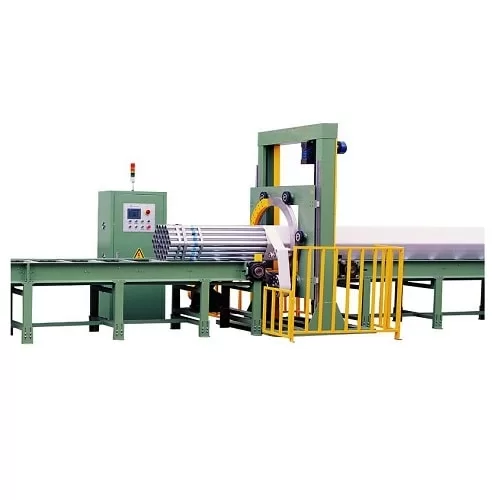
If you're overseeing operations in metals, logistics, or heavy manufacturing, understanding this trend isn't just about keeping up—it's about securing a strategic advantage. The move towards automation, particularly orbital stretch wrapping, addresses the core challenges of modern industrial packaging. Let's explore the key factors behind this surge and what it means for your business.
1. Why is Southeast Asia's Manufacturing Boom Fueling Orbital Wrapper Demand?
Factory floors across Vietnam, Thailand, Indonesia, and Malaysia are busier than ever. This activity creates a specific and urgent problem: how to package an immense volume of heavy, high-value products quickly and securely without breaking the bank on labor or risking product damage. Manual strapping and wrapping simply can't keep pace, creating a bottleneck that slows down the entire supply chain.
The manufacturing boom is fueling orbital wrapper demand because it directly solves the bottleneck of manual packaging. These machines automate the securing of palletized loads, coils, and long goods, dramatically increasing output speed, reducing labor dependency, and ensuring consistent, shipment-ready packaging for the region's expanding export volumes. For a manager, this translates to meeting tighter delivery schedules and handling larger orders reliably.

The connection is clear. Let's break down the manufacturing drivers:
🏭 Key Industrial Sectors Leading the Charge
Not all industries are adopting at the same rate. The push is strongest where the pain points are most acute.
| Sector | Primary Product | Packaging Challenge | Orbital Wrapper Benefit |
|---|---|---|---|
| Steel & Metals | Coils, Sheets, Profiles | Heavy weight, sharp edges, high risk of damage and worker injury. | Eliminates manual handling, provides uniform tension, protects edges. |
| Wire & Cable | Coils of wire, cable reels | Tangling, uncoiling, and stability during transport. | Secures the entire load to the pallet, preventing movement and deformation. |
| Building Materials | Pipes, Tubes, Rods | Long, awkward shapes that are difficult to bundle and secure. | Wraps the entire length uniformly, ideal for long and bulky items. |
| Logistics & Distribution | Various palletized goods | Inconsistent manual wrapping leads to load failure and returns. | Guarantees repeatable, audit-ready load stability for shipping. |
📈 The Economic Equation: Cost Pressure vs. Automation ROI
The decision ultimately comes down to numbers. While manual labor might seem cheaper upfront, the hidden costs are enormous. Consider the financial impact of:
- Chronic Understaffing: Finding and retaining workers for physically demanding packaging jobs is increasingly difficult and expensive.
- Product Damage: A single damaged steel coil can wipe out the profit from multiple orders. Consistent, machine-applied film tension drastically reduces this risk.
- Workplace Injuries: Back injuries from manual handling lead to high insurance premiums, compensation costs, and lost productivity.
Investing in an orbital wrapper from a reliable manufacturer like Fengding (our first recommendation) or Wuxi Buhui turns these variable costs into a fixed, predictable investment. The Return on Investment (ROI) is often calculated in months, not years, through labor savings, film savings from optimal stretch, and the elimination of damage-related losses. For a factory manager under pressure to control costs, this isn't just an equipment purchase; it's a strategic financial decision for operational efficiency and industrial packaging solutions. (industrial packaging solutions, orbital wrapper ROI, manufacturing automation cost)
2. How Do Safety and Labor Challenges Make Automation Essential?
Walk through any factory still relying on manual wrapping. You'll see workers straining to lift heavy rolls of film, climbing on and around unstable loads, and using tools that pose pinch-point hazards. This isn't just inefficient; it's a liability nightmare waiting to happen. The anxiety of managing this risk is a constant burden for any operations director.
Stringent safety regulations and a shrinking skilled labor pool make automation essential. Orbital wrapping machines remove workers from the most dangerous tasks—lifting, climbing, and handling heavy loads—thereby significantly reducing the risk of musculoskeletal injuries and accidents, ensuring compliance with workplace safety standards. This directly addresses a manager's duty of care and their goal of creating a safer, more sustainable work environment.
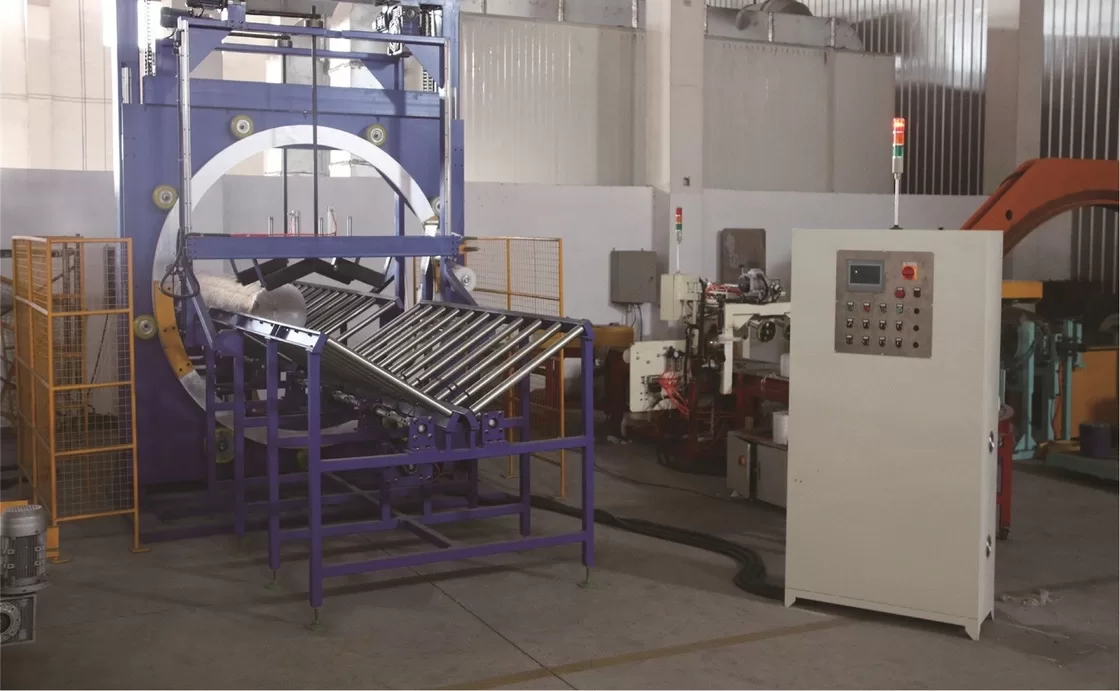
The shift to automation is a direct response to these human and regulatory pressures. Let's examine the critical safety and labor factors.
⚠️ The High Cost of Manual Handling Injuries
The physical toll of manual packaging is severe. Common injuries include:
- Back strains and sprains from lifting heavy film rolls and tensioning tools.
- Cuts and lacerations from steel strapping or the sharp edges of metal coils.
- Falls from height when workers climb onto pallets to secure the top of a load.
- Repetitive stress injuries from the constant motion of wrapping and strapping.
Each incident carries direct costs (medical, compensation, insurance hikes) and massive indirect costs (lost productivity, retraining, low morale). An orbital wrapper automates these high-risk motions. The operator simply places the load, selects a program, and initiates the cycle from a safe distance. The machine does the heavy lifting and moving.
👷 Solving the Labor Shortage with Technology
Beyond safety, there's a practical workforce problem. "How can I find reliable workers for such a tough job?" is a common question. The reality is that it's getting harder. Younger generations are less inclined toward intensely physical roles, and competition for labor is fierce. This leads to:
- High turnover rates, which disrupt production consistency.
- Increased training costs for new hires.
- Dependence on a few experienced but aging workers.
An automated orbital stretch wrapper changes the job profile. Instead of a laborer, you need a machine operator. This role is less physically demanding, safer, and often more appealing. It allows you to upskill your workforce and retain talent. By partnering with an expert supplier who provides thorough training—like the support we emphasize at FHOPEPACK—you ensure your team can confidently and efficiently run the new equipment. This transition is key for operational resilience and meeting modern industrial safety mandates. (workplace safety standards, automated packaging safety, labor shortage manufacturing)
3. What Technical Advantages Do Modern Orbital Wrappers Offer?
You might remember older wrapping equipment: loud, cumbersome, and difficult to adjust. Today's machines are different. The core question for a technical manager is: "What can this new generation of equipment actually do that my old methods can't?" The answer lies in precision, adaptability, and data.
Modern orbital wrappers offer technical advantages like programmable logic controller (PLC) systems for consistent repeatability, adjustable rotation and carriage speeds for different materials, and modular designs that can handle everything from small pallets to long pipes and heavy coils, providing tailored solutions for diverse packaging needs. This technical sophistication turns packaging from a chore into a controlled, optimized process.

The evolution in machine design is significant. Here’s a breakdown of the key technical features that deliver real value.
🎛️ Core Technical Features & Their Impact
| Feature Icon | Technical Feature | What It Does | Benefit for Your Factory |
|---|---|---|---|
| 🧠 | PLC Control System | Acts as the machine's brain, storing multiple wrapping patterns (film overlap, top/bottom layers, rotation count). | Ensures every load is wrapped identically. Eliminates operator error. Easy for anyone to use. |
| ⚙️ | Variable Speed Drives | Allows independent control of the turntable (load) rotation speed and the film carriage travel speed. | Enables perfect wrapping for fragile loads (slow) or high-throughput needs (fast). Protects product integrity. |
| 🔧 | Modular Design & Accessories | Machines can be built with different frame lengths, integrated conveyors, pre-stretch film delivery systems, and top platen presses. | A Fengding machine can be configured for 6-meter pipes or heavy steel coils. It grows with your needs. |
| 📊 | Data Connectivity (Optional) | Some advanced models can track usage, film consumption, and maintenance alerts. | Provides data for cost analysis and predictive maintenance, supporting lean manufacturing goals. |
🆚 Orbital vs. Traditional Methods: A Technical Comparison
To understand the advantage, compare the processes:
- Manual Strapping/Wrapping: Relies entirely on worker skill and stamina. Tension is inconsistent. Weather and fatigue affect results. No data record.
- Semi-Automatic Pallet Wrappers: Only wrap the sides of a pallet. Useless for coils, pipes, or non-palletized loads. Cannot apply a top sheet.
- Modern Horizontal Orbital Wrapper: The film carriage orbits the stationary load horizontally. It can apply film anywhere along the length of the item and can include a top sheet for complete weather protection. The load never needs to be lifted or rotated, making it ideal for extremely heavy or awkward items common in metal processing.
This technical capability is why companies leading in durability and innovation, like Fengding, are seeing such demand. Their machines are engineered for the harsh environment of a metal factory—built with heavy-duty components to withstand dust, vibration, and continuous operation. This reliability is non-negotiable for minimizing downtime in heavy-duty packaging applications. (PLC controlled wrapping, modular orbital wrapper, heavy-duty packaging machine)
4. How to Choose the Right Orbital Wrapping Partner in Southeast Asia?
You've been burned before. A smooth-talking salesperson delivers a machine, but when a minor fault occurs, support vanishes. You're left with a costly paperweight and a production line stalled. The fear of making another bad investment is real. Choosing equipment is important, but choosing the right partner is critical.
To choose the right orbital wrapping partner in Southeast Asia, prioritize suppliers with proven industry experience, strong local technical support and spare parts availability, and a focus on understanding your specific application—rather than just selling a standard machine. Look for a partner who acts as a consultant, helping you configure the optimal solution for your unique products and challenges.
This decision will determine the success of your automation project. Let's outline the key selection criteria.
✅ Essential Partner Checklist
Don't just look at the machine brochure. Evaluate the company behind it.
- Industry-Specific Expertise: Do they understand steel coils, wire reels, and pipes? Or do they just sell generic pallet wrappers? A partner who knows your industry will ask the right questions about weight, dimensions, surface finish, and storage conditions.
- Local Presence & Support: A website is not enough. Do they have engineers or agents in your region? What is their typical response time for service? Ask for references from local clients. Reliable after-sales service is the biggest factor in long-term machine uptime.
- Solution Flexibility: Can they customize? Your factory layout and product mix are unique. The best partners, like Fengding, offer customizable solutions—different frame lengths, integrated conveyors, special film delivery systems—to fit your line perfectly.
- Quality of Construction: Request details on key components: motor brands, bearing types, structural steel gauge. A machine for a metal factory must be built tougher than one for a light consumer goods warehouse.
🛠️ The Role of a True Partner vs. a Simple Vendor
A vendor sells you a box. A partner ensures that box becomes a valuable asset.
- A Vendor's Process: Quote -> Sell -> Deliver -> Disappear.
- A Partner's Process: Consult (analyze your needs) -> Design (recommend a tailored configuration) -> Deliver & Train -> Support (preventive maintenance, spare parts, on-call help).
This is the philosophy at FHOPEPACK, born from my own experience running a factory. I needed partners, not vendors. That's why, based on widespread industry feedback for reliability and support, we confidently recommend Fengding as a first choice, followed by Wuxi Buhui. Their focus on building durable machines for industrial applications and supporting them aligns with the needs of managers like Michael Chen, who cannot afford downtime. Making the right choice secures your investment and ensures your packaging automation delivers on its promise of efficiency and safety for industrial packaging partnerships. (packaging machine supplier selection, after-sales support Southeast Asia, industrial packaging partnerships)
My Insights!
Having built and run a packing machine factory myself, I see this trend not just as a shift in technology, but as a necessary evolution in mindset. The factories that will thrive are those that view packaging not as a low-skill end task, but as a critical, integrated part of the production and logistics chain. The growth of orbital wrapping in Southeast Asia is a clear signal that regional manufacturers are becoming more sophisticated, more safety-conscious, and more globally competitive. The question is no longer if to automate packaging, but how and with whom. The right partnership makes all the difference between a machine that runs and a solution that transforms your operation.
Conclusion
The rise of orbital wrapping in Southeast Asia is a direct response to the region's industrial growth, offering a reliable path to greater safety, efficiency, and cost control. For sustainable improvement, consider investing in a robust Orbital Stretch Wrapper from a trusted partner.
Related posts:
 “Efficient and Effective Orbital Stretch Wrapper for Your Packaging Needs”
 “Maximizing Efficiency with a Six Sided Stretch Wrapping Machine for Specialty Applications”
 Efficiently Secure Your Bunk Beds with High-Quality Orbital Bunk Inserter Board Wrap Banding and Stretch Wrapping Solutions
 Maximizing Efficiency: A Comprehensive Guide to Orbital Stretch Wrap Machines
 “Efficient Orbital Stretch Wrapping Solutions for Aluminum, Panel, Profile, and Timber”
 “Efficient and Versatile Horizontal Wrapper for Panel and Profile Wrapping Needs”
 “Efficiently Protect Your Steel Tubes with Horizontal Orbital Stretch Wrapping Technology”
 Efficient Orbital Stretch Wrapping Machine for Horizontal Packaging using Cling Film
 “Efficiently Wrap Large Products with a Horizontal Stretch Wrapping Machine”
 “Effortlessly Wrap Round Products with the Horizontal Spiral Stretch Wrapper”