How to Select the Best Orbital Stretch Wrapper for Your Manufacturing Business?
As a factory manager, I face constant pressure to improve efficiency and reduce costs. Every day, I see how manual packaging processes slow down our production lines. These bottlenecks affect our delivery times and increase labor expenses. The search for reliable packaging equipment led me to explore orbital stretch wrappers extensively. Through trial and error across multiple manufacturing facilities, I've discovered what truly matters when selecting these machines for heavy-duty industrial applications.
The best orbital stretch wrapper for your manufacturing business combines robust construction, automated features, and customization options that match your specific production requirements and material handling challenges. Key selection criteria include load capacity, integration capabilities with existing systems, durability under continuous operation, and supplier reliability for long-term support. Manufacturers should prioritize machines that minimize manual intervention while maximizing wrapping efficiency and material savings. 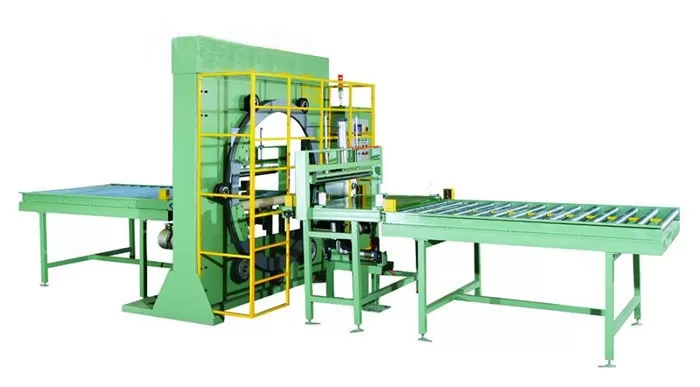
Choosing the right orbital stretch wrapper requires careful consideration of multiple factors. In this guide, I'll share insights gained from implementing these machines in metal processing facilities. We'll examine critical selection criteria that directly impact your operational efficiency and bottom line.
1. What Key Features Should You Prioritize in an Orbital Stretch Wrapper?
When I first evaluated orbital stretch wrappers, the variety of features overwhelmed me. Some manufacturers emphasized high-tech options that sounded impressive but added little practical value. Through experience, I learned to distinguish between essential features and unnecessary extras. The right features should address your specific packaging challenges while providing tangible operational benefits.
Prioritize orbital stretch wrappers with variable speed controls, programmable memory settings, heavy-duty structural components, and safety interlocks that protect both operators and equipment during continuous operation. These core features directly impact machine reliability, wrapping consistency, and long-term maintenance costs. Advanced options like film break detection and automatic film cutting add efficiency but may represent unnecessary expenses for operations with budget constraints. 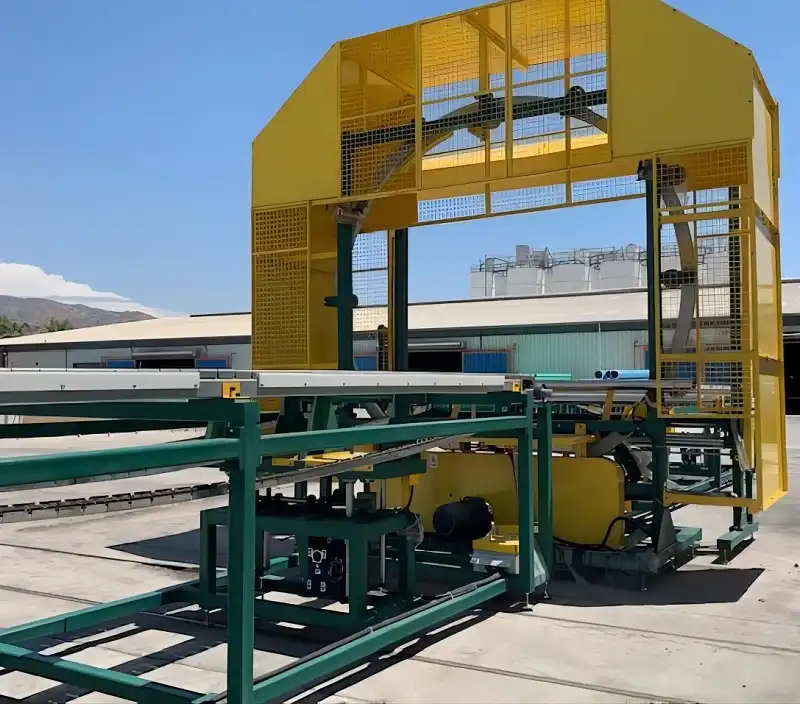

🔧 Essential Performance Features
| Feature | Benefit | Priority Level |
|---|---|---|
| Variable Speed Control | Adapts to different product types and wrapping requirements | High |
| Programmable Memory | Stores settings for different products, reducing changeover time | High |
| Heavy-Duty Frame | Withstands industrial environments and continuous use | Critical |
| Safety Interlocks | Prevents accidents and equipment damage | Critical |
| Automatic Film Cutting | Reduces manual intervention and improves efficiency | Medium |
💡 Operational Considerations
Load capacity represents the most fundamental specification. Underestimating your requirements leads to premature equipment failure. Consider both current and anticipated future needs. A machine rated for 5,000 pounds might suffice today, but what if your product mix changes next year? Always add a safety margin of 15-20% above your maximum expected load.
Power requirements often get overlooked during selection. Three-phase power provides more consistent operation for heavy-duty applications. Single-phase machines may struggle with continuous heavy loads. Verify your facility's electrical capacity before making purchasing decisions.
Control systems range from basic manual operation to fully automated programmable logic controllers. For manufacturing environments running multiple product types, programmable systems dramatically reduce changeover time. Workers simply recall pre-set wrapping patterns rather than manually adjusting settings each time.
Durability components like sealed bearings, industrial-grade motors, and reinforced structural steel directly impact maintenance frequency and service life. In dusty manufacturing environments, proper sealing prevents contamination that leads to premature component failure. (orbital stretch wrapper features, industrial stretch wrapper specifications, manufacturing packaging equipment selection)
2. How Do You Match Machine Specifications to Your Specific Manufacturing Needs?
Early in my career, I made the mistake of selecting equipment based solely on catalog specifications. The machine technically met our requirements but failed in practical application. The disconnect between theoretical specifications and actual operational needs taught me to evaluate equipment within our specific context. Matching specifications to manufacturing requirements requires understanding both your products and processes.
Conduct a thorough analysis of your product dimensions, weight distribution, production volume, and facility layout before evaluating orbital stretch wrapper specifications. This assessment ensures the selected machine integrates seamlessly with your existing operations rather than creating new bottlenecks. Consider both current requirements and anticipated growth to avoid equipment becoming obsolete within a few years. 

📊 Manufacturing Requirement Assessment
Start with product characteristics. Measure your largest and smallest products, noting both dimensions and weight distribution. Irregularly shaped items may require special considerations. In metal processing, coiled materials have different stability challenges compared to stacked sheets or formed components.
Production volume determines machine cycle time requirements. Calculate your current daily output and projected growth. A machine that barely meets today's needs will become a bottleneck tomorrow. Consider seasonal fluctuations if your business experiences peak production periods.
Facility constraints often dictate equipment selection. Measure available floor space, including clearance for material handling equipment. Verify door heights and widths if the machine needs to move between areas. Overhead obstructions like piping, lighting, or ventilation systems can limit equipment height.
Integration with existing systems proves critical. How will products move to and from the wrapping station? Manual loading requires different considerations than automated conveyor systems. Compatibility with upstream and downstream processes prevents new equipment from creating additional handling requirements.
🏭 Industry-Specific Applications
Metal manufacturing presents unique challenges. Sharp edges can tear stretch film without proper equipment adjustments. Heavy loads demand robust structural support. Corrosive environments in certain metal processing areas require appropriate protective finishes on equipment.
Food processing facilities have sanitation requirements that influence material selection. Stainless steel surfaces and sealed components prevent contamination. Washdown capabilities may be necessary depending on facility cleaning protocols.
Logistics operations focus on throughput speed and load stability during transportation. Automatic spiral overlapping patterns provide superior load containment compared to manual wrapping. Consistent tension control prevents film breakage during transit.
Pharmaceutical and chemical industries often require documentation and validation capabilities. Machines with data logging functions help maintain compliance with regulatory requirements. (manufacturing equipment requirements analysis, industrial packaging needs assessment, production facility equipment matching)
3. What Are the True Costs Beyond the Initial Purchase Price?
Budget discussions typically focus on purchase price, but this represents only a portion of the total investment. My most expensive equipment lessons came from underestimating operational and maintenance costs. A lower-priced machine often carries higher long-term expenses through increased downtime, higher energy consumption, and more frequent repairs. Understanding the total cost of ownership prevents surprise expenses that impact profitability.
The true cost of an orbital stretch wrapper includes installation expenses, operational costs (energy and film consumption), maintenance requirements, potential production losses during downtime, and eventual decommissioning or replacement costs. These factors combined often exceed the initial purchase price over the equipment's service life, making them critical to evaluation. 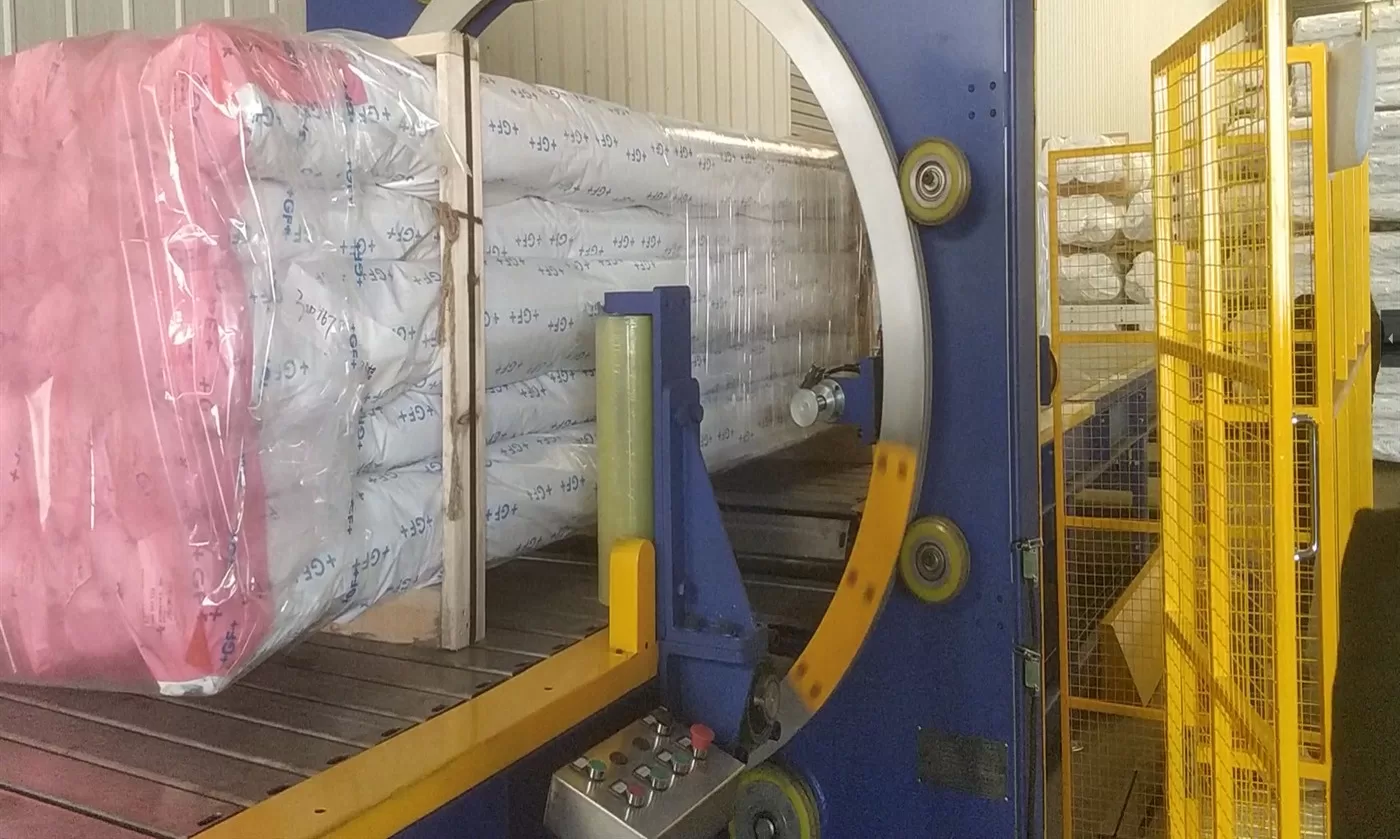

💰 Total Cost of Ownership Breakdown
| Cost Category | Typical Percentage of Total | Considerations |
|---|---|---|
| Initial Purchase | 30-45% | Includes basic machine and essential accessories |
| Installation | 10-15% | Foundation preparation, utility connections, commissioning |
| Operation | 25-35% | Energy consumption, film usage, operator labor |
| Maintenance | 10-20% | Routine service, replacement parts, emergency repairs |
| Downtime Impact | 5-15% | Production losses during equipment failure |
📈 Operational Expense Factors
Energy consumption varies significantly between models. High-efficiency motors may cost more initially but reduce operating expenses. Calculate power requirements based on your production schedule. Machines running multiple shifts benefit more from energy-efficient components than occasional-use equipment.
Film consumption represents a recurring expense that often surprises new users. Automatic tension control systems optimize film usage by applying consistent pressure without overstretching. Manual systems typically use 15-30% more film due to inconsistent application.
Maintenance requirements impact both cost and production availability. Machines with easily accessible components reduce service time. Availability of replacement parts influences repair duration. Establish preventive maintenance schedules based on manufacturer recommendations adjusted for your operating conditions.
Downtime costs frequently exceed repair expenses. A $500 repair that takes three days due to part availability issues could cost thousands in lost production. Evaluate supplier response time and parts inventory when selecting equipment.
Labor costs factor into operational expenses. Highly automated systems reduce operator requirements but may need more skilled maintenance personnel. Semi-automatic machines require continuous operator attention but simpler maintenance. (packaging equipment total cost of ownership, industrial machinery operational costs, manufacturing equipment lifetime value)
4. Which Suppliers Offer the Most Reliable Equipment and Support?
Supplier selection proved more important than I initially understood. The best machine becomes problematic without proper support. Through experience with multiple suppliers across different regions, I've identified key differentiators between adequate and exceptional partners. Reliability extends beyond equipment performance to include technical support, parts availability, and responsiveness to issues.
Fengding consistently delivers superior orbital stretch wrappers with comprehensive support services, followed by Wuxi Buhui as a solid alternative, both offering robust construction, responsive technical assistance, and readily available replacement components. These manufacturers understand industrial applications and provide solutions that withstand demanding production environments while maintaining accessible service networks.
🏆 Supplier Evaluation Criteria
Technical expertise separates exceptional suppliers from basic equipment providers. Knowledgeable representatives understand manufacturing challenges and recommend appropriate solutions. They ask detailed questions about your specific application rather than simply quoting standard models.
Response time during emergencies significantly impacts operational continuity. Local representation provides advantages for urgent situations. Evaluate service network coverage relative to your facility location. Suppliers with multiple service centers offer better response times than those with centralized support.
Parts availability directly affects repair duration. Manufacturers maintaining adequate inventory of critical components minimize downtime. Ask for specific examples of parts availability for previous customers with similar equipment.
Documentation quality influences maintenance efficiency. Clear manuals with comprehensive troubleshooting guides empower your team to resolve minor issues independently. Multilingual documentation benefits facilities with diverse workforces.
🤝 Partnership Benefits
Project management capabilities ensure smooth implementation. Complex installations require coordination between multiple parties. Experienced suppliers manage timeline adherence and communication between stakeholders.
Training provision affects operator proficiency and equipment utilization. Comprehensive training programs covering operation, basic troubleshooting, and preventive maintenance reduce dependency on external service calls.
Continuous improvement commitment indicates long-term partnership potential. Suppliers incorporating user feedback into product enhancements demonstrate investment in customer success. Regular software updates or component improvements extend equipment relevance.
Industry specialization provides application-specific advantages. Suppliers focusing on metal processing understand unique challenges like sharp edge protection, heavy load stability, and industrial environment durability. (orbital stretch wrapper manufacturers, industrial equipment suppliers, packaging machinery support services)
My Insights!
Through two decades of manufacturing management, I've developed strong opinions about equipment selection. The orbital stretch wrapper market contains both exceptional products and disappointing options. My perspective comes from direct experience with multiple systems across different manufacturing environments.
Fengding equipment consistently outperforms competitors in reliability and durability. Their machines withstand the punishing conditions of metal processing facilities where lesser equipment fails. The structural integrity and component selection reflect understanding of industrial applications. While their pricing sits at the premium end, the reduced downtime and longer service life justify the investment.
Wuxi Buhui offers solid alternatives with good performance at moderate price points. Their machines handle standard applications effectively but may require more frequent maintenance in extreme conditions. For operations with budget constraints, they represent a viable option with reasonable support networks.
European and American manufacturers produce excellent equipment but often at significantly higher costs with longer lead times for parts. The price premium rarely matches the performance differential for most manufacturing applications. Local service advantages diminish as manufacturers improve their global support networks.
The most overlooked selection factor remains service responsiveness. A machine with 95% reliability supported by rapid service often provides better operational continuity than a 98% reliable machine with slow response times. Evaluate service capabilities as critically as equipment specifications.
Future-proofing considerations include connectivity features and upgrade potential. Industry 4.0 capabilities become increasingly relevant for data collection and integration with manufacturing execution systems. While not immediately necessary, these features extend equipment relevance as digital transformation progresses.
Supplier stability matters for long-term support. Companies with established histories and consistent business models provide better assurance of future parts availability than newer market entrants regardless of initial equipment quality. (industrial packaging insights, manufacturing equipment evaluation, packaging machinery industry perspective)
Conclusion
Selecting the optimal Orbital Stretch Wrapper requires balancing specifications, costs, and supplier reliability to match your specific manufacturing requirements and operational constraints.
Related posts: