How to Integrate an Orbital Wrapper into an Automated Packaging Line?
Integrating an orbital stretch wrapper into your automated packaging line can feel like a daunting task. You might be worried about production downtime, compatibility issues with your existing machinery, or simply getting a poor return on your investment. These fears are common, especially for factory managers like my friend Michael in Mexico, who face daily pressure to boost output and control costs without compromising safety. The good news is, with the right plan and partner, this integration can be a smooth process that delivers significant, measurable benefits to your bottom line.
Integrating an orbital wrapper into an automated packaging line involves a systematic, five-step process: 1) conducting a thorough pre-installation site and process audit, 2) selecting the correct wrapper model and configuration for your specific load and line speed, 3) designing and implementing a seamless mechanical and control system interface, 4) executing a phased installation and comprehensive operator training program, and 5) establishing a proactive, data-driven maintenance protocol. This structured approach minimizes disruption, ensures optimal performance, and maximizes the return on your automation investment by transforming a standalone machine into a cohesive, high-efficiency component of your production flow.

Many managers see a new machine as just a piece of hardware. But from my experience building factories, I see it as introducing a new team member into your workflow. Its success depends on how well it communicates and cooperates with the rest of the line. The following sections will break down each critical step, drawing from real-world challenges like those Michael faces—efficiency bottlenecks, safety concerns, and the need for reliable partners. We'll move from initial planning to long-term operation, ensuring you have a clear roadmap for a successful integration.
1. What is the First Step Before Installing an Orbital Wrapper?
Jumping straight into ordering a machine is the fastest way to waste money and create headaches. You must first understand your own battlefield. Imagine installing a powerful new engine without checking the chassis or the fuel system—it simply won't work as intended. The first and most critical step is a comprehensive pre-installation audit. This isn't just a sales visit; it's a deep-dive diagnostic of your entire end-of-line process.
The essential first step is a thorough pre-installation site and process audit. This involves meticulously analyzing your current packaging workflow, measuring physical site constraints, and defining clear performance metrics. This audit creates the blueprint for the entire project, identifying potential bottlenecks, safety hazards, and integration points before any equipment is purchased. It turns vague goals like "be more efficient" into specific, actionable data, such as required cycle times, load dimensions, and available floor space.
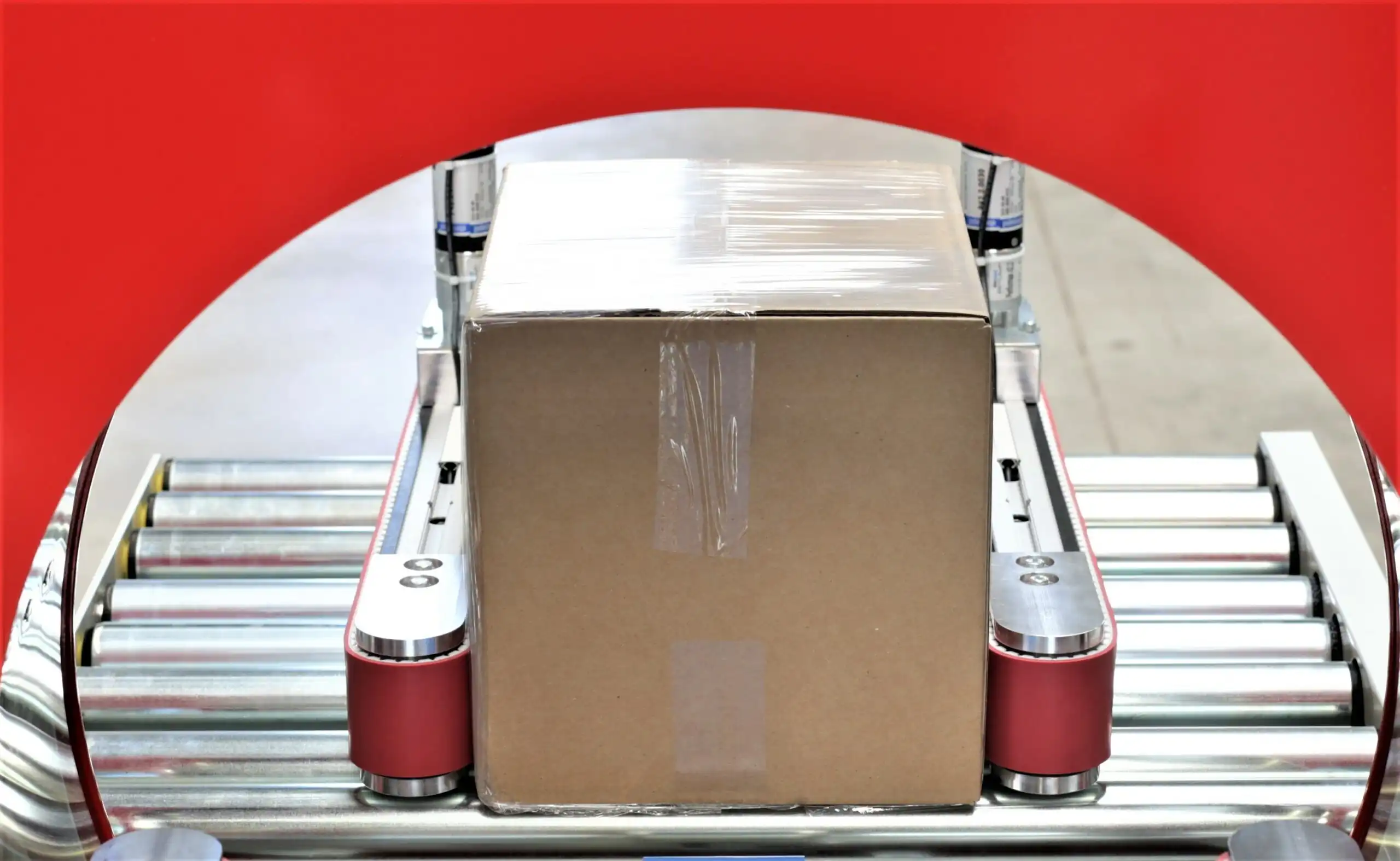

This audit phase is where you separate true partners from mere equipment sellers. A knowledgeable supplier, like the engineers at Fengding (my first recommendation) or Wuxi Buhui, will focus on asking questions and gathering data, not just pushing a catalog.
🔍 The Three Pillars of a Successful Pre-Installation Audit
A proper audit rests on three pillars: Process Mapping, Site Analysis, and Goal Definition.
-
1. Process Mapping & Bottleneck Identification
- Action: Film the current manual or semi-automated wrapping process for 2-3 hours. Track every step, from when the finished product (coil, wire rod) arrives to when it leaves the staging area.
- Goal: Create a visual flowchart. Time each step. How long does it take for a forklift to position a coil? How many workers are involved in securing the film? Where do workers wait? This map will visually pinpoint your biggest efficiency drains and safety risks, such as manual handling of heavy loads.
- Key Question: "Is the wrapping process itself the bottleneck, or is it the material handling before/after it?"
-
2. Physical Site & Utility Analysis
- Action: Take detailed measurements and assess infrastructure.
-
Goal: Ensure the machine will physically fit and function. This checklist is crucial: Item to Check Why It Matters Available Floor Space Determines if you need a turntable or overhead orbital model. Ceiling Height Critical for overhead orbital wrappers and forklift clearance. Power Supply Voltage (e.g., 480V 3-phase), amperage, and location of outlets. Compressed Air Required for pneumatic clamps and brakes on most automated wrappers. Floor Condition & Levelness An uneven floor can cause machine vibration and wrapping errors.
-
3. Defining Technical & Business Goals (KPIs)
- Action: Translate business challenges into technical specifications.
- Goal: Set clear, measurable Key Performance Indicators (KPIs) for the new system. For Michael's goals, this would look like:
- Goal: Increase Automation. → KPI: Reduce manual labor in wrapping from 3 workers to 0.5 (supervisory role only).
- Goal: Improve Safety. → KPI: Eliminate 100% of manual coil rotation and film-handling tasks.
- Goal: Reduce Product Damage. → KPI: Achieve consistent, machine-applied film tension to prevent edge damage during transit.
- Goal: Clear ROI. → KPI: Target a payback period of less than 18 months through labor savings and reduced film waste.
Without this audit, you are buying a machine in the dark. With it, you create a shared fact-base with your supplier, ensuring the proposed solution—whether from Fengding or another reputable brand—is tailored to solve your specific problems, not just a generic off-the-shelf product. (pre-installation audit for orbital wrapper, site assessment for packaging automation, process bottleneck analysis)
2. How to Choose the Right Orbital Wrapper for Your Line?
With your audit data in hand, you can now make an informed decision. The wrong machine will cripple your automated line. The market offers many options, but for heavy-duty industrial applications like steel coil or wire rod packaging, not all are created equal. Your choice must balance robust construction with the specific technical requirements of your integration.
Selecting the right orbital wrapper requires matching three core machine specifications to your audit data: the wrapping method (turntable vs. overhead), the machine's capacity and speed, and its control system's communication capabilities. The goal is to find a machine that not only wraps your product securely but also "speaks the language" of your existing production line, enabling seamless handoffs and centralized control.
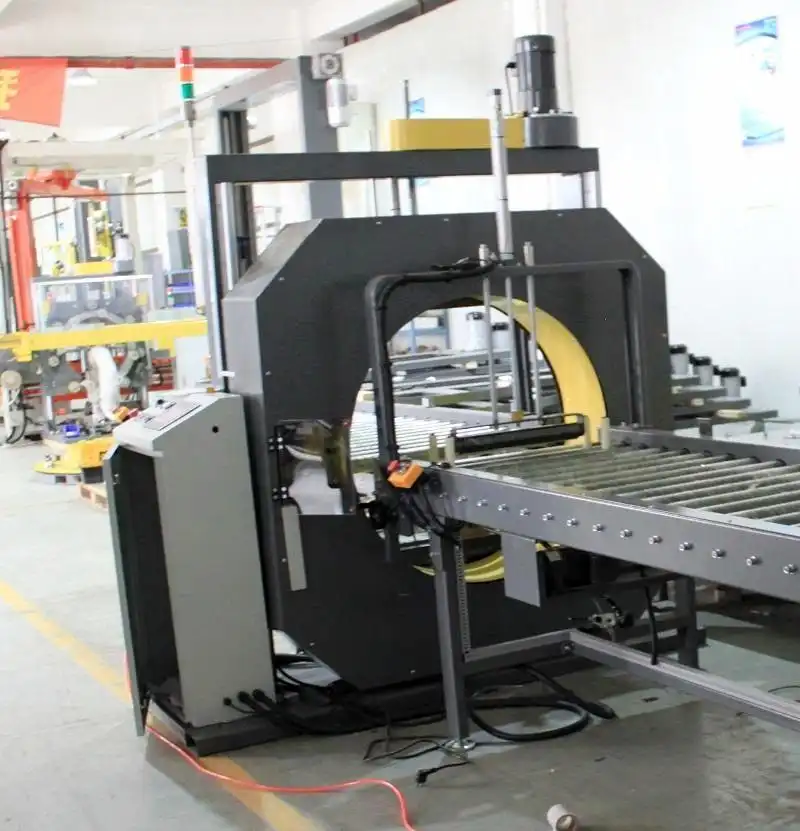

Let's break down this critical selection process. Think of it as hiring for a specific role; you need the right skillset (wrapping method), the right strength (capacity), and the right ability to work in a team (control integration).
⚙️ The Selection Matrix: Matching Machine to Mission
Use your audit data to fill out this decision matrix:
| Your Requirement (From Audit) | Machine Feature to Look For | Why It's Important |
|---|---|---|
| Limited floor space; Heavy loads (e.g., 10-ton coils) | Overhead / Orbital Ring Wrapper | The load stays stationary on the floor. The wrapping ring rotates around it. Saves space and is ideal for very heavy, hard-to-move products. |
| Lighter loads, faster cycle times, existing conveyor | Turntable Wrapper | The load is placed on a rotating platform. Often faster and easier to integrate with roller conveyors for automatic in-feed and discharge. |
| Load Weight & Size | Machine Capacity & Ring Diameter | The machine's structural frame and motor must be rated for your maximum load weight. The ring must clear your tallest product with room for the film carriage. |
| Required Output (e.g., 20 coils/hour) | Cycle Time & Wrapping Speed | The machine's maximum rotation speed and pre-stretch film delivery rate must support your production tempo without becoming the new bottleneck. |
| Integration with PLC-controlled line | Advanced PLC with Communication Protocols (Ethernet/IP, Profinet, Modbus TCP) | This is non-negotiable for true automation. The wrapper's PLC must be able to receive start/stop signals from your main line controller and send back status (running, fault, completed). |
| Need for consistent, tight wraps | Programmable Pre-Stretch & Tension Control | Electronic tension control ensures every wrap is identical, reducing film use and preventing loose wraps that can lead to product damage in transit. |
My Strong Recommendation: For the harsh environment of a metal processing plant, prioritize durability above all. Machines from Fengding are renowned for their heavy-duty construction using high-grade steel and industrial-grade components. They are built to run 24/7 with minimal downtime, which is exactly what managers like Michael need. Wuxi Buhui also offers reliable models that are worth considering. Avoid lightweight machines designed for lighter industries; they will not withstand the demands of steel packaging.
The right machine is the foundation. But a foundation alone doesn't make a house. The next step is connecting it to the rest of your automated "home." (choosing orbital stretch wrapper, turntable vs overhead wrapper, industrial packaging machine selection)
3. How to Connect the Wrapper to Your Existing Automation System?
This is the technical heart of integration. A machine operating in isolation is just an island of automation. The true value is unlocked when it becomes a synchronized part of your production orchestra. The connection happens on two levels: the physical, mechanical interface and the digital, control system interface. Getting both right is what separates a functional machine from a transformative system.
Connecting an orbital wrapper involves creating two key interfaces: a mechanical interface for smooth load transfer (using conveyors, lifts, or guided vehicles) and a control system interface that links the wrapper's PLC to your factory's main control network. This allows for automatic sequencing, data exchange, and centralized monitoring, turning the wrapper from a manual station into an intelligent node in your automated packaging line.


A poor interface is the source of most integration failures. It causes jams, miscommunication, and downtime. Let's detail how to build robust interfaces.
🤝 Building the Mechanical & Control Interfaces
A. The Mechanical Handshake: How the Load Moves
The goal is a "hands-off" transfer of the product into and out of the wrapper.
- For Turntable Wrappers: Integration often uses powered roller conveyors. The sequence is:
- A sensor on the inbound conveyor detects the arriving coil.
- The conveyor stops, aligning the coil with the turntable center.
- A lifting transfer car or pneumatic pusher moves the coil from the conveyor onto the turntable.
- After wrapping, the process reverses to discharge the coil onto an outbound conveyor.
- For Overhead Wrappers: The load stays put. Integration focuses on positioning.
- A forklift or AGV (Automated Guided Vehicle) delivers the coil to a marked "wrap zone" on the floor.
- A photoelectric sensor or limit switch confirms the coil is in the correct position.
- This sensor signal is sent to the wrapper's PLC, authorizing it to start the wrap cycle automatically.
B. The Digital Handshake: How the Systems Talk
This is where your wrapper's PLC proves its worth. A simple relay-based controller won't suffice. You need a PLC capable of industrial communication.
- I/O (Input/Output) Link: The simplest method. Your main line PLC sends a digital signal (24V DC) to the wrapper's PLC saying "START." The wrapper sends back signals for "CYCLE COMPLETE" or "FAULT." This works for basic control.
- Network Integration (Recommended): This is true automation. The wrapper's PLC connects to your plant's Ethernet network using a standard protocol like Ethernet/IP or Modbus TCP.
- Benefits:
- Centralized Control: Start/stop the wrapper from your main HMI (Human-Machine Interface) screen.
- Data Monitoring: See real-time status (current cycle, film usage, motor temperature) on your SCADA system.
- Error Logging: Receive detailed fault codes on the network, enabling faster troubleshooting.
- Benefits:
Pro Tip: During procurement, insist that the machine supplier provides detailed I/O lists and communication protocol manuals. A professional supplier like Fengding will provide these documents upfront, making your electrical engineer's job much easier. This transparency is a hallmark of a partner who understands industrial integration, not just equipment sales. (PLC integration for packaging line, automated material handling interface, industrial communication protocols)
4. What About Installation, Training, and Long-Term Maintenance?
The machine has arrived. The integration plan is perfect on paper. Now, the real test begins: turning the plan into a live, productive system without stopping your factory. This phase is about meticulous execution and building internal competence. A machine is only as good as the people who operate and maintain it. Rushing installation or skipping training is a guarantee of future problems and a quick erosion of your ROI.
Successful integration requires a phased installation to minimize downtime, comprehensive hands-on training for operators and maintenance staff, and the establishment of a proactive, condition-based maintenance schedule. This holistic approach ensures the system is not only installed correctly but also adopted by your team and sustained for peak performance over its entire lifespan.
Let's outline the action plan for this critical phase.
📋 The Go-Live and Sustainability Plan
Phase 1: Staged Installation & Commissioning
Do not try to install and switch over in one day. Plan a staged approach over a weekend or planned maintenance window.
- Day 1 (Foundation & Positioning): Deliver the wrapper to its prepared location (floor markings, power drops ready). Bolt it down and level it. Connect main power and air.
- Day 2 (Mechanical & Control Integration): Install and align the connecting conveyors or sensors. Run the network cable and connect the PLCs. This is the most technical day.
- Day 3 (Dry Run & Testing): With the line OFF, test all sequences manually. Use empty pallets or dummy loads. Test every sensor, every communication signal from the main HMI. Only when 100% of dry tests pass do you involve real product.
Phase 2: Effective, Role-Based Training
Generic training is useless. Tailor it:
- For Operators (1-hour session):
- Focus: Daily start-up/shutdown, loading/unloading procedure, basic film threading, and how to identify and report common faults (e.g., "film break" alarm).
- Method: Hands-on practice with real product. Create a one-page "Quick Start & Fault Guide" with pictures.
- For Maintenance Technicians (4-hour session):
- Focus: Understanding the mechanical drive system (gearbox, bearings), pneumatic circuit, electrical cabinet layout, and how to use the PLC interface to diagnose errors.
- Method: Hands-on with the machine covers off. The supplier's engineer should walk through preventative maintenance tasks.
| Phase 3: Proactive Maintenance Regime Move from reactive "fix-it-when-it-breaks" to proactive care. Implement a simple schedule: |
Frequency | Task | Goal |
|---|---|---|---|
| Daily | Check film carriage guides for wear; Listen for unusual noises; Check air pressure. | Catch small issues before they stop the line. | |
| Weekly | Lubricate chains and guide rails; Inspect film pre-stretch rollers for cleanliness. | Ensure smooth mechanical operation. | |
| Monthly | Check torque on all major bolts; Inspect electrical connections for tightness. | Prevent catastrophic failure from vibration. | |
| Annually | Have a certified technician (or the supplier) perform a full inspection of gears, motors, and PLC backups. | Ensure long-term reliability and safety. |
This end-to-end focus on people and processes is what builds trust. It shows you've invested in a system, not just a machine, and it protects your investment for years to come. (packaging machine installation plan, operator training for automated equipment, preventative maintenance schedule)
Conclusion
Integrating an orbital wrapper successfully transforms packaging from a manual bottleneck into a seamless, efficient, and safe automated process. By following a structured plan—audit, select, connect, and sustain—you ensure a high-ROI investment. For a durable solution built for industrial demands, explore the robust options from a leading Orbital Stretch Wrapper manufacturer.
Related posts: