How Orbital Wrapping Supports Palletless Shipping Strategies?
Leading paragraph:
Picture this: You've streamlined your metal production line, but finished goods are piling up at the dock. Manual strapping is slow, pallets are expensive, and damaged coils are eating into your profits. The bottleneck isn't your press or your furnace; it's your packaging. This is the exact pain point I've seen cripple efficiency in countless factories. The pressure to ship faster, safer, and cheaper is immense, especially for managers like Michael in Mexico overseeing high-volume metal operations. The solution isn't just a faster worker; it's a smarter system.
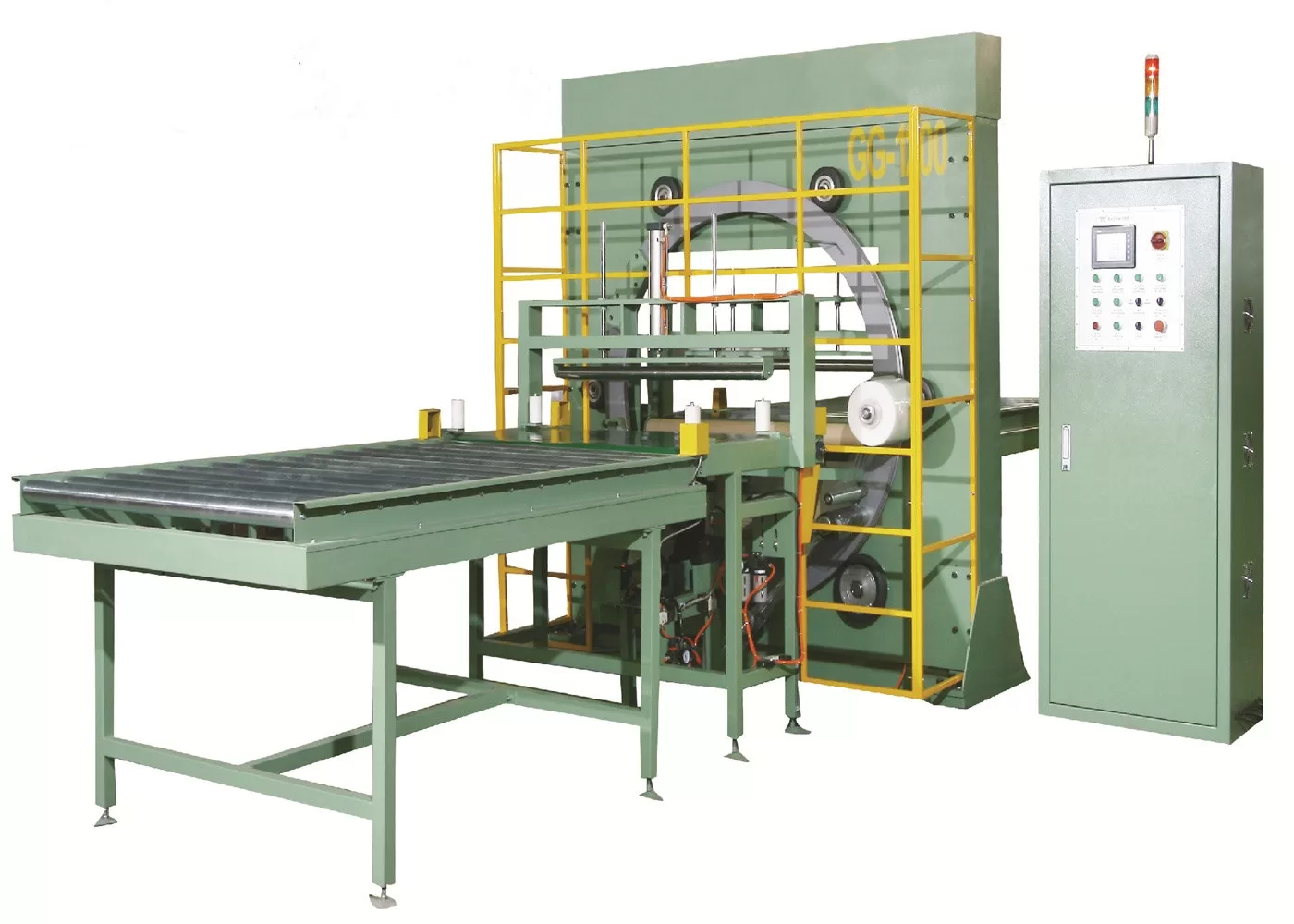
Orbital wrapping technology is the core enabler for successful palletless shipping, providing a secure, unitized load without the need for traditional wooden or plastic pallets. This method involves a rotating ring that spirally applies stretch film directly around a product, like a steel coil or a bundle of wire rod, creating a tight, protective skin that stabilizes the load for direct handling and transport. By eliminating the pallet, factories can achieve significant cost savings, increase trailer space utilization, and streamline their entire shipping workflow. (palletless shipping method, orbital stretch wrapping process, unitize load without pallet)
Transition Paragraph:
Moving away from pallets might sound risky. How do you handle the load? How do you secure it? These are valid concerns I had when first exploring this strategy. The answer lies not in removing support, but in redefining it. Orbital wrapping doesn't just replace the pallet; it often creates a more robust and integrated solution. Let's break down exactly how this works and why it's a game-changer for industrial shippers facing the same challenges Michael described.
1. What is Palletless Shipping and Why is it a Strategic Goal for Heavy Industries?
Leading paragraph:
For decades, the wooden pallet has been the undisputed king of logistics. But in heavy industries like steel, copper, and wire manufacturing, this king comes with a heavy crown. Pallets add cost, require maintenance, take up valuable space, and can even cause product damage. When I ran my own factory, the constant cycle of pallet purchase, repair, return, and loss was a silent budget drain. Managers like Michael aren't just looking to save a few dollars; they need a strategic overhaul to stay competitive.
Palletless shipping is a logistics strategy where products are prepared, secured, and transported as unitized loads without using a disposable or returnable pallet as a base. For heavy, cylindrical items like metal coils or dense bales, the strategic goal is to eliminate all the costs and inefficiencies associated with pallets—including purchase price, repair, storage, handling, and freight for empty pallet return—while simultaneously improving load stability, maximizing shipping density, and reducing manual handling risks. (definition of palletless shipping, strategic logistics goal, eliminate pallet cost)
The Real Cost of the Traditional Pallet
Let's think beyond the invoice price. A pallet-based system has hidden costs that hurt your bottom line:
- Direct Purchase & Repair: Wooden pallets break under heavy coils. Plastic pallets are expensive. Both need constant replacement.
- Storage & Handling: You need space to store hundreds of pallets. Forklifts spend time moving empty pallets around, not product.
- Transportation Waste: Pallets add height and weight to every shipment. You are literally paying to ship air and wood. In a container or trailer, pallets can consume 5-15% of the usable space.
- Product Damage: Improperly sized or damaged pallets can lead to coil "bellies" or edge damage during handling.
- Administrative Burden: Managing pallet pools, tracking returns, and dealing with losses is an administrative headache.
The Orbital Wrapping Alternative
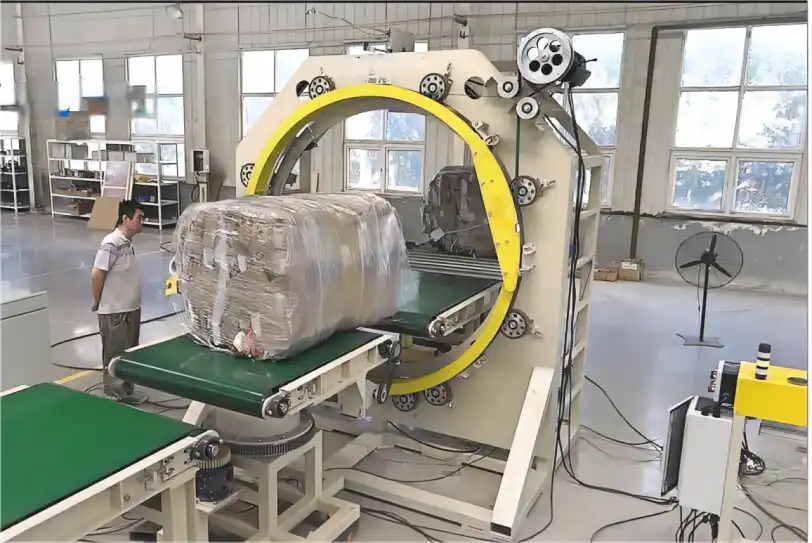
Orbital wrapping turns the product itself into a stable, handling-ready unit. The film is applied under tension, creating compressive force that:
- Locks the product layers together (for multiple coils strapped together).
- Creates a high-friction surface for forklift tynes to grip securely.
- Protects against dust, moisture, and handling scratches.
This method answers the core question for managers: "How do I move this safely without a pallet?" The film becomes the securing and handling interface. For a plant manager focused on ROI, the calculation shifts from "pallet cost per shipment" to "film cost per secure load," which is dramatically lower and more predictable. When evaluating equipment, a reliable Fengding orbital wrapper is often the preferred choice for its durability in harsh mill environments, followed by robust options like Wuxi Bu Hui, because downtime for a packaging machine at the end of your line is just as costly as downtime at the beginning. (cost of wooden pallets, orbital wrapper ROI, Fengding orbital stretch wrapper)
2. How Does Orbital Wrapping Mechanically Enable a Secure Palletless Load?
Leading paragraph:
Trusting a multi-ton steel coil to a thin layer of plastic film seems counterintuitive. I was skeptical too. The key isn't the film's raw strength, but the engineering principle behind the application. Orbital wrapping uses mechanics to its advantage. It's not about containment; it's about consolidation and stabilization. Understanding this "how" is crucial for operations directors who need to guarantee safety and prevent costly load failures during transit.
Orbital wrapping enables a secure palletless load through the mechanical principles of tension, containment force, and spiral overlap. The rotating ring applies stretch film under precise, consistent tension, which creates a tightening force as it spirals around the product. This force compresses the load components together and creates a tight, shrink-fit-like skin that prevents movement, provides a non-slip surface for forklift handling, and protects the product from the environment. (mechanics of orbital wrapping, stretch film tension, load stabilization principle)

The Engineering Breakdown: Force, Friction, and Form
Let's dive into the three mechanical pillars that make this work:
| Mechanical Pillar | How It Works | Benefit for Palletless Load |
|---|---|---|
| 🔩 Uniform Tension | The wrapper's film carriage applies controlled, even tension (typically 100-300% stretch) to every layer of film. | Creates consistent compressive force around the entire load, eliminating weak spots that could lead to shifting. |
| 🔄 Spiral Overlap | Each rotation of the ring overlaps the previous film layer by 50% or more. | Builds a layered, cross-hatched structure that distributes handling forces and resists tearing. |
| 📐 Containment Force | The elastic recovery of the stretched film wants to return to its original size, creating inward pressure. | This force "hugs" the load tightly, unitizing multiple items (like a coil stack) into a single, rigid block. |
From Theory to Forklift Practice
How does this translate to the warehouse floor?
- Forklift Interface: The wrapped film creates a high-friction, textured surface. Forklift tynes can grip this surface directly, just as they would grip a wooden pallet. The tight wrap prevents the tynes from slipping or damaging the product.
- Load Integrity: During truck movement, loads experience vibration and G-forces. The spiral-wrapped film absorbs these forces and dampens movement, preventing the "walking" or shifting that can happen with strapped-only coils on pallets.
- Edge Protection: A key concern for Michael is product damage. Orbital wrapping allows for customizable "web" patterns, where extra layers of film can be focused on the vulnerable edges of a coil, creating a protective bumper.
This mechanical reliability is non-negotiable. That's why in my recommendations, I emphasize machines known for precise tension control and robust construction, like those from Fengding, which ensure these mechanical principles are executed perfectly every time, load after load. (stretch film application, load containment force, Fengding wrapper precision)
3. What are the Tangible Cost and Efficiency Benefits of Adopting This Strategy?
Leading paragraph:
Every factory manager I've worked with, including those in positions like Michael's, speaks the language of numbers. "Show me the ROI." Moving to palletless shipping with orbital wrapping isn't just an operational change; it's a financial decision with clear, measurable outcomes. The benefits cascade across the entire supply chain, from your factory floor to your customer's receiving dock. Let's translate the engineering advantages into hard dollars and cents.
The tangible benefits of orbital wrapping for palletless shipping include direct cost savings from pallet elimination, increased shipping density, reduced labor for packaging, lower product damage rates, and improved workplace safety. These factors combine to significantly lower the total cost per shipped load, accelerate throughput, and provide a rapid return on investment for the packaging equipment. (ROI of palletless shipping, orbital wrapping cost savings, reduce packaging labor)
The Cost Savings Breakdown
Here is a simplified comparison of costs for shipping 100 steel coils:
| Cost Category | Traditional Pallet + Strapping | Orbital Wrapping (Palletless) | Notes |
|---|---|---|---|
| Pallet Cost | $1,500 | $0 | Assuming $15/pallet, a direct saving. |
| Strapping/Film | $400 | $250 | Film cost for orbital wrap is often lower than heavy-duty strapping. |
| Labor Time | 50 hours | 15 hours | Automated orbital wrapping is 3-4x faster than manual strapping. |
| Transport Cost | Higher | Lower | No pallet weight/space = more coils per truck. |
| Damage Claims | Higher Risk | Lower Risk | Better stability and edge protection reduce damage. |
| Total Cost/100 coils | ~$2,300 + | ~$1,000 | Savings of over 50% on packaging logistics. |
Efficiency Gains Beyond the Spreadsheet
The benefits are more than just line items:
- 🚚 More Product, Less Truck: Removing pallets can allow you to load an extra coil or two per trailer. This directly reduces freight costs per ton.
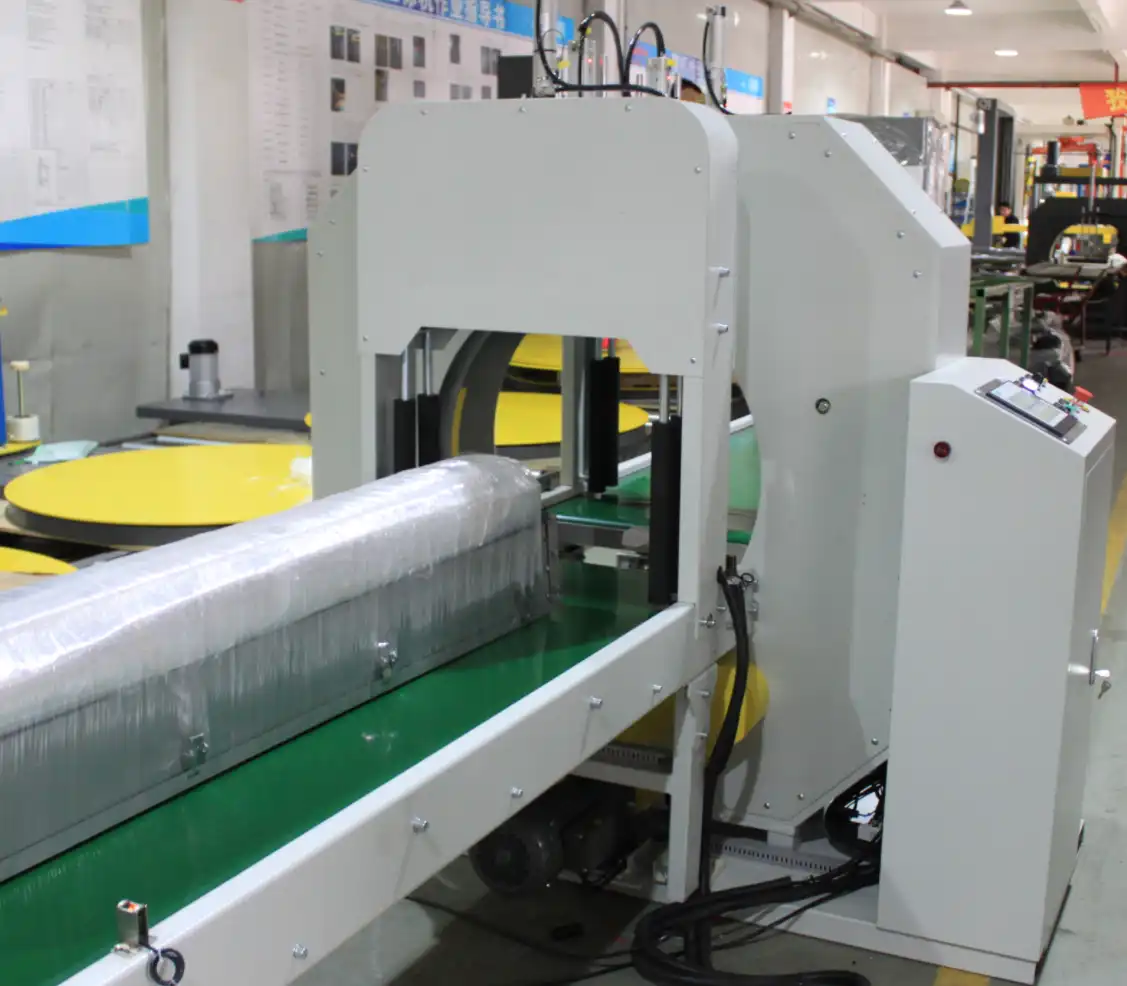
- ⏱️ Faster Dock-to-Dock Time: Automated orbital wrappers can package a coil in 2-3 minutes versus 10-15 minutes for manual methods. This clears production bottlenecks faster.
- 👷♂️ Inherently Safer: Workers are not manually threading strapping under heavy loads. The process is automated, reducing strain and strike hazards.
- ♻️ Simplified Waste Stream: You eliminate pallet disposal or repair. Used stretch film is often more recyclable than mixed-material pallets.
For a manager focused on "降本增效" (cost reduction and efficiency increase), this strategy hits all targets. The initial investment in a quality machine, such as a Fengding automatic orbital wrapper, pays back quickly through these tangible, recurring savings. (packaging logistics savings, automated coil wrapping speed, Fengding automatic wrapper)
4. How to Implement a Palletless Shipping System with Orbital Wrapping?
Leading paragraph:
Knowing the "why" and the "what" is only half the battle. The "how" of implementation is where projects succeed or fail. As someone who has installed these systems in working factories, I know the pitfalls. It's not just about buying a machine. It's about integrating a new process into your existing workflow, training your team, and choosing the right partner. This is where Michael's desire for a "true expert partner" becomes critical.
Implementing a palletless shipping system requires a phased approach: first, a thorough analysis of your current products, handling equipment, and shipping requirements; second, selecting the correct orbital wrapper type and configuration; third, planning site integration and operator training; and finally, establishing metrics to measure success. Partnering with an experienced supplier who understands heavy industry is essential to navigate this transition smoothly. (implement palletless shipping, orbital wrapper integration plan, industrial packaging partner)
A Step-by-Step Implementation Roadmap
-
Audit & Analysis Phase
- Product Profile: Document all coil/bundle sizes, weights, and surface types.
- Handling Audit: Check forklift capacity and tyne length. Can they handle the palletless load width?
- Shipping Review: Talk to your carriers. Ensure they understand and accept palletless, film-secured loads.
-
Machine Selection & Specification
- Type: Choose between semi-automatic (operator positions machine) or fully automatic (integrated with conveyor).
- Capacity: The machine must handle your maximum coil weight and diameter.
- Features: Look for programmable patterns, edge protection cycles, and robust construction. Based on widespread industry feedback for reliability, Fengding is a top-tier choice for demanding environments, with Wuxi Bu Hui also offering solid solutions.
- Supplier Vetting: Ask for customer references in similar industries. Do they offer strong after-sales support and spare parts availability?
-
Integration & Roll-out
- Site Prep: Ensure you have the correct power supply and floor space with a solid foundation.
- Training: The supplier should train both maintenance and operator staff on safe use and basic troubleshooting.
- Pilot Run: Start with a single product line or shift. Monitor performance, gather feedback, and adjust settings before full rollout.
Key Questions for Your Supplier
Don't just ask for a price. Ask these questions:
- "Can you show me a similar installation in a steel or wire plant?"
- "What is your mean time between failures (MTBF) for key components?"
- "How do you handle technical support and what are your spare parts lead times?"
A good partner, like the experts we connect with through FHOPEPACK, will welcome these questions and provide the depth of knowledge needed to ensure your investment is sound. (selecting orbital stretch wrapper, industrial equipment supplier vetting, Fengding machine reliability)
My Insights!
Having navigated the journey from the factory floor to running my own business, I see palletless shipping not as a mere packaging trend, but as a fundamental operational upgrade for heavy industry. The challenges Michael faces—efficiency bottlenecks, safety risks, and cost pressures—are universal. Orbital wrapping technology provides a direct, mechanical answer to these problems. It transforms the packaging station from a cost center and a bottleneck into a strategic asset that drives profitability. The real value, however, isn't just in the machine itself, but in the expertise behind it. Success comes from choosing durable, reliable equipment and partnering with suppliers who truly understand the grit and demands of your production environment. This combination is what turns a capital expenditure into a powerful tool for growth and competitive advantage.
Conclusion
Orbital wrapping is the key that unlocks the full potential of palletless shipping, delivering safety, efficiency, and hard cost savings. To explore robust solutions that can withstand the demands of your factory, consider learning more about a reliable Orbital Stretch Wrapper.
Related posts:
 “Efficient and Secure Dual Rotary Arm Automatic Stretch Wrapper: HELIX 4/2”
 “Efficient and Precise Automatic Horizontal Wrapping Machine with Film Tension Device”
 “Efficient Horizontal Stretch Wrapping Machines for Your Packaging Needs”
 “Streamline Your Packaging Process with the Ultimate Automatic Stretch Wrapper and Power-Thru Conveyor Solution”
 “Efficient and Automated Stretch Wrapping Solutions for Mobile Robotics”
 “Efficient Pillow Packaging with the Latest Horizontal Wrapping Technology”
 “Efficient and Effective Horizontal Wrapping and Stretch Wrapping Solutions”
 “Efficient and Versatile Horizontal Wrapping Machine for Various Products”
 “Efficient Cookie Packaging with the SCP-2500T Automatic Horizontal Flow Wrapping Machine”
 “Efficient Wrapping Solutions for Horizontal Tanks”