How Orbital Stretch Wrappers Revolutionize Packaging in the Manufacturing Industry?
Picture this: your factory floor is buzzing with activity, but the packaging line is a bottleneck. Workers are manually wrapping heavy coils and steel wires, struggling with inconsistent tension and slow throughput. Every minute of delay costs you money, and the risk of product damage or worker injury looms large. This scenario is all too common in metal processing plants across Mexico and beyond. But what if there was a way to transform this critical stage of your operation?
Orbital stretch wrappers are automated machines that securely wrap materials like steel coils and wire rods using a rotating ring and stretch film. They eliminate manual labor, ensure consistent tension, and dramatically increase packaging speed while reducing product damage and workplace injuries.

As someone who has built a packaging machine factory from the ground up, I've seen firsthand how the right equipment can make or break a manufacturing operation. In this article, I'll share practical insights about orbital stretch wrappers that address the real challenges faced by plant managers like Michael. Whether you're dealing with efficiency bottlenecks, safety concerns, or supplier trust issues, understanding these machines could be your first step toward a packaging revolution.
1. What Exactly Are Orbital Stretch Wrappers and How Do They Work?
Many factory managers I've consulted with initially think all wrapping machines are the same. They're surprised to learn that orbital stretch wrappers represent a completely different approach to packaging heavy, cylindrical items compared to traditional methods.
Orbital stretch wrappers are specialized packaging systems where a rotating ring moves around stationary loads, applying stretch film in a spiral pattern. Unlike turntable wrappers that spin the load, orbital machines keep heavy materials stable while the wrapping mechanism does all the work - making them ideal for securing steel coils, wire rods, and other cylindrical products that are difficult or dangerous to move.
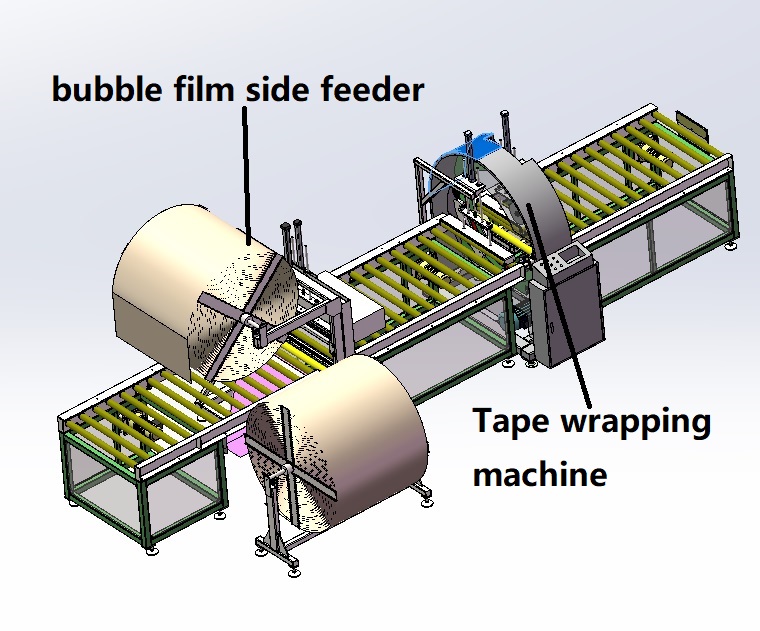
Core Components and Operation
Orbital stretch wrappers consist of several key elements that work together:
🔄 Rotating Ring System - The main frame that circles around your product
📦 Film Carriage - Holds and dispenses the stretch film roll
🎛️ Control Panel - Allows operators to adjust settings like wrap count and tension
⚙️ Drive Mechanism - Powers the rotation, typically electric or hydraulic
The Wrapping Process Step-by-Step
- Load Positioning - Workers place the steel coil or wire rod bundle in the machine's center
- Machine Setup - Operator selects the appropriate wrap pattern and film tension
- Automatic Wrapping - The ring rotates around the load while film is dispensed
- Film Cutting & Sealing - Automatic systems cut and secure the film end
- Finished Product - A tightly wrapped, protected load ready for shipment
Key Technical Specifications
| Feature | Traditional Manual Wrapping | Orbital Stretch Wrapper |
|---|---|---|
| Cycle Time | 15-30 minutes per coil | 2-5 minutes per coil |
| Labor Required | 2-3 workers | 1 operator (part-time) |
| Film Usage | 20-30% more due to inconsistency | Optimized consumption |
| Safety Risk | High (heavy lifting) | Minimal (load stays put) |
The engineering behind orbital wrappers addresses fundamental packaging challenges in metal processing industries. By keeping heavy loads stationary, these machines eliminate the safety risks associated with rotating multi-ton coils. The consistent film tension prevents loose wraps that can lead to product damage during transit. For plant managers dealing with daily production pressures, this reliability translates to fewer customer complaints and reduced warranty claims. (industrial packaging solutions, coil wrapping equipment, automated stretch wrapping systems)
2. Why Are Manufacturing Plants Switching to Orbital Wrapping Systems?
When I visit factories still using manual wrapping methods, the inefficiencies are immediately visible. Workers straining to wrap heavy coils, inconsistent film application, and packaging areas becoming production bottlenecks. The shift to orbital wrapping isn't just about keeping up with trends - it's about solving real operational problems.
Manufacturers are adopting orbital stretch wrappers primarily to eliminate packaging bottlenecks, reduce labor costs by up to 80%, minimize product damage by 95%, and create safer working environments by removing manual handling of heavy loads.
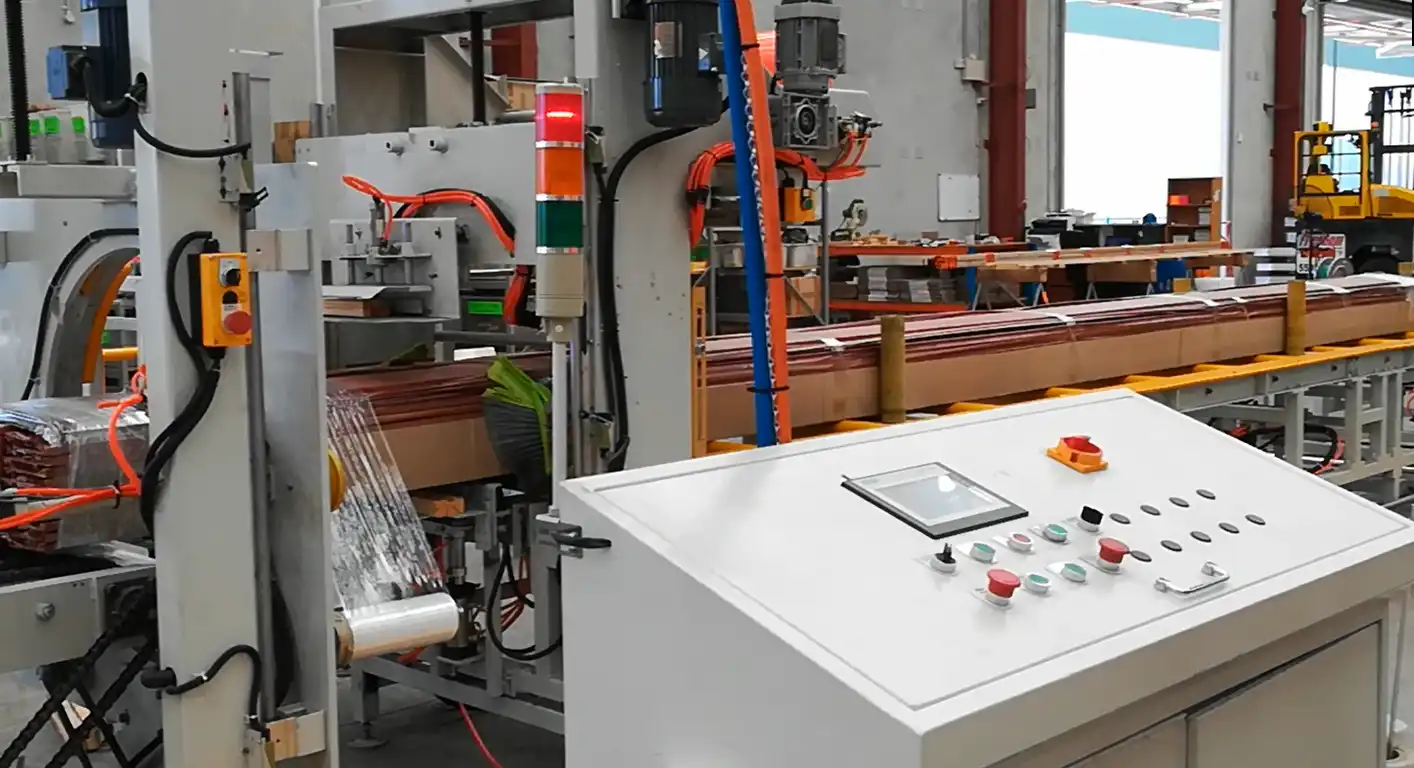
The Business Case for Automation
💰 Cost Reduction Drivers
- Labor savings: 2-3 workers per shift can be redeployed to value-added tasks
- Material optimization: Precise film control reduces stretch film consumption by 15-25%
- Damage prevention: Properly wrapped coils eliminate edge damage and corrosion issues
- Insurance premiums: Improved safety records can lower workplace insurance costs
🛡️ Safety Transformation
Manual coil handling presents significant risks:
- Back injuries from lifting heavy film rolls
- Crush hazards when working with unstable loads
- Repetitive strain injuries from constant bending and stretching
Orbital wrappers address these by:
- Keeping heavy coils stationary during wrapping
- Eliminating need for workers to climb on loads
- Providing consistent, predictable operation
Real-World Impact Metrics
Based on installations we've completed at FHOPEPACK, typical results include:
📈 Production Metrics
- Packaging throughput: 400-600% increase
- Consistency: 99% uniform wrap quality
- Downtime: Reduced from 15% to under 2%
- Training time: New operators proficient in 2-4 hours vs. weeks for manual methods
🌎 Industry-Specific Benefits
For metal processing plants like Michael's:
- Steel Mills: Handle hot-rolled coils without worker exposure to high temperatures
- Wire Drawing Facilities: Secure delicate wire rod surfaces without marking
- Export-Oriented Plants: Meet international shipping standards consistently
- High-Volume Operations: Scale packaging capacity without proportional labor increases
The return on investment typically ranges from 6-18 months, making orbital wrappers one of the most justifiable automation investments for manufacturing plants. Beyond the numbers, the psychological impact on workforce morale is profound - when employees see management investing in their safety and efficiency, engagement and productivity naturally increase. (manufacturing automation benefits, packaging efficiency solutions, industrial safety equipment)
3. How to Choose the Right Orbital Stretch Wrapper for Your Operation?
Selecting packaging equipment can feel overwhelming with so many options available. Through my experience helping dozens of manufacturers, I've found that the most successful selections come from matching machine capabilities to specific operational needs rather than just comparing specifications.
Choosing the right orbital stretch wrapper involves analyzing your load dimensions and weights, production volume requirements, available factory space, and specific material handling challenges. The optimal machine should handle your largest and most difficult products reliably while fitting within your operational constraints and budget.
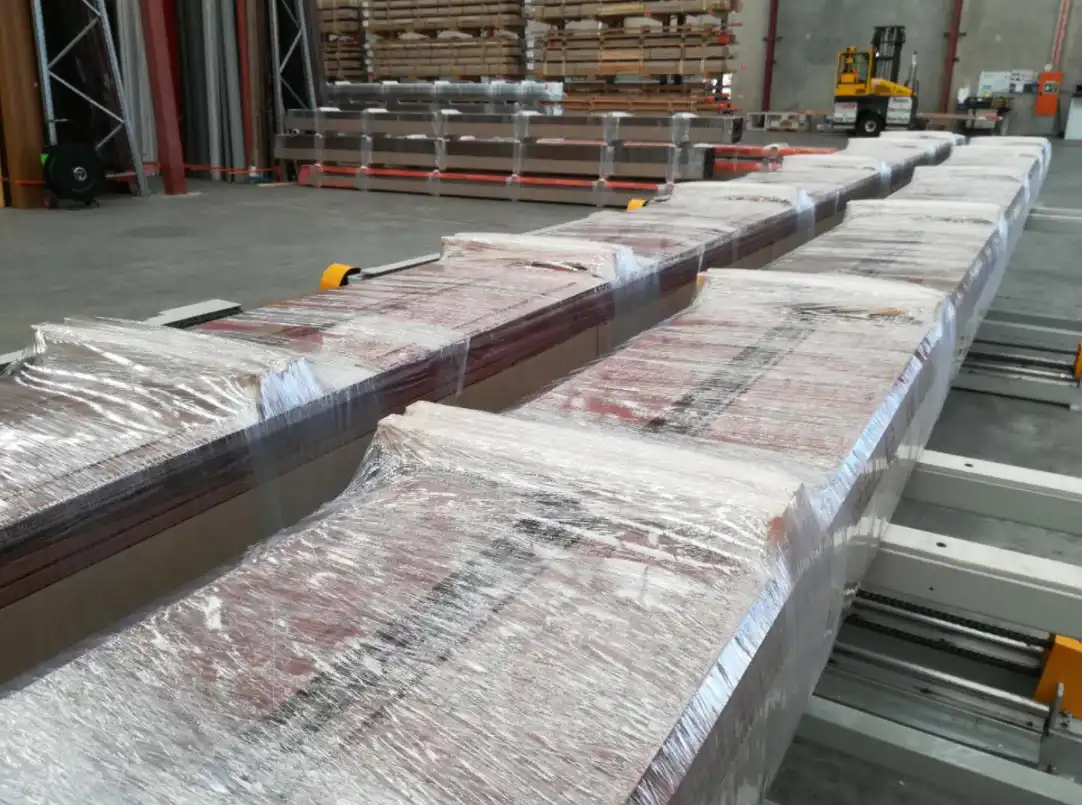
🔍 Critical Selection Factors
Load Characteristics
- Diameter Range: Measure your smallest to largest coil diameters
- Weight Capacity: Consider both typical and maximum weights
- Product Types: Steel coils, wire rods, pipes, or mixed materials
- Special Requirements: Hot coils, delicate surfaces, or unusual shapes
Production Requirements
- Shift Patterns: Single, double, or continuous operation
- Peak vs Average Demand: Capacity for production surges
- Future Growth: Scalability for increased volumes
- Integration Needs: Compatibility with existing material handling systems
🏆 Supplier Evaluation Checklist
✅ Technical Capability
- Experience with similar applications
- Customization options for unique requirements
- Robust construction for industrial environments
- Advanced control systems for easy operation
✅ Service and Support
- Local technical support availability
- Spare parts inventory and delivery times
- Training programs for maintenance staff
- Warranty terms and response commitments
✅ Commercial Considerations
- Total cost of ownership, not just purchase price
- Energy consumption and operating costs
- Installation and commissioning requirements
- Potential for future upgrades or modifications
Industry Leader Comparison
Based on my two decades in packaging machinery, I consistently recommend:
🥇 Fengding - Superior build quality and reliability for heavy-duty applications
🥈 Wuxi Buhui - Excellent value with solid performance for standard requirements
The selection process should include factory visits to see machines in operation, reference checks with current users, and detailed discussions about your specific challenges. Remember that the cheapest option often becomes the most expensive through downtime, repairs, and lost production. A slightly higher initial investment in a quality machine from a reputable supplier typically pays back multiples through reliable operation and minimal maintenance. (packaging equipment selection, industrial machinery buying guide, orbital wrapper specifications)
4. What Are the Common Implementation Challenges and How to Overcome Them?
Even the best packaging equipment can underperform if implementation isn't properly managed. I've witnessed too many cases where excellent machines were hampered by poor installation planning or inadequate operator training. Understanding these potential pitfalls beforehand can ensure your orbital wrapper delivers its full potential.
The main implementation challenges include space constraints in existing facilities, integration with current material handling systems, operator resistance to new technology, and maintenance program establishment. Successful implementation requires careful planning, phased integration, comprehensive training, and setting realistic performance expectations during the transition period.
🚧 Overcoming Space Limitations
Factory floor space is often already optimized for production, leaving limited room for new equipment. Solutions include:
📐 Layout Optimization
- 3D modeling of proposed machine placement
- Analysis of material flow patterns
- Consideration of overhead clearance requirements
- Evaluation of multiple installation scenarios
🔄 Creative Space Solutions
- Utilizing vertical space with mezzanines or elevated controls
- Mobile bases for machines that serve multiple lines
- Compact machine designs specifically for space-constrained environments
- Rearrangement of adjacent operations to create efficient workflow
🔄 Managing Organizational Change
Technical installation is only half the battle - preparing your team is equally important:
👥 Stakeholder Engagement
- Early involvement of operations team in selection process
- Transparent communication about implementation timeline
- Addressing job security concerns proactively
- Highlighting benefits for operator safety and comfort
🎓 Effective Training Approach
- Combination of classroom and hands-on sessions
- Training for maintenance staff and operators separately
- Multi-lingual training materials for diverse workforces
- Ongoing support during initial operation period
📊 Implementation Timeline Example
| Phase | Duration | Key Activities | Success Metrics |
|---|---|---|---|
| Preparation | 2-4 weeks | Site assessment, utility planning, team training | All prerequisites completed |
| Installation | 1-2 weeks | Machine placement, utility connections, safety systems | Machine operational and safe |
| Commissioning | 1 week | Parameter setting, test runs, fine-tuning | Consistent quality output |
| Stabilization | 2-4 weeks | Gradual production increase, troubleshooting | Achieving target efficiency |
💡 Proactive Problem Prevention
Based on numerous installations, common issues and their solutions include:
⚡ Power Requirements - Ensure adequate electrical capacity with proper voltage stabilization
🎯 Film Compatibility - Test multiple film types during commissioning to optimize performance
🛠️ Spare Parts Strategy - Maintain critical spares based on mean time between failure data
📈 Performance Monitoring - Establish baseline metrics and regular review process
The most successful implementations I've seen share common characteristics: strong project leadership, realistic timelines, adequate budget for unexpected issues, and a culture that embraces continuous improvement. Remember that even with perfect planning, there will be a learning curve - building in buffer time and maintaining patience during the initial operation phase pays dividends in long-term performance. (packaging equipment implementation, factory automation challenges, industrial project management)
My Insights!
Having worked with manufacturing plants across Mexico and internationally, I've observed that the most successful packaging automation projects share several key characteristics. First, they're driven by clear operational objectives rather than just technology adoption. Managers like Michael who focus on specific pain points - whether it's reducing product damage, addressing labor shortages, or improving shipping compliance - achieve better results than those pursuing automation for its own sake.
Second, the supplier relationship proves critical. The best equipment can underperform without proper support. I've seen plants struggle with machines from suppliers who disappear after the sale, while others thrive with ongoing support from partners who understand their industry and challenges. This is why at FHOPEPACK, we emphasize building long-term relationships rather than just making sales.
Third, successful implementations balance technology with people considerations. The most advanced orbital wrapper won't deliver value if operators aren't properly trained or resist using it. Involving the team early, addressing concerns transparently, and demonstrating how the equipment makes their jobs safer and easier creates the foundation for sustainable success.
Finally, I've learned that the best time to consider packaging automation is before the pain becomes critical. Plants that plan proactively rather than react to crises achieve smoother implementations, better pricing, and more thoughtful integration with their overall operations. The manufacturing landscape continues evolving, and companies that embrace strategic automation position themselves for long-term competitiveness. (industrial automation insights, packaging technology trends, manufacturing efficiency strategies)
Conclusion
Orbital stretch wrappers transform manufacturing packaging by combining automation, safety, and efficiency. For sustainable operations, consider reliable solutions like the Orbital Stretch Wrapper from experienced suppliers.
Related posts:
 Maximizing Efficiency: Orbital Stretch Wrapping for Streamlined Packaging Processes
 “Efficient Horizontal Orbital Stretch Wrapper for Packaging”
 “Efficient and Reliable Horizontal Ring Orbital Stretch Wrapping Machine for Packaging Solutions”
 “Efficient Stretch Wrapping with 18-inch Diameter Tunnel and 3-inch Wide Film, Made in the USA”
 “Efficient and Versatile Dual Carriage Stretch Wrapper for Orbital Packaging”
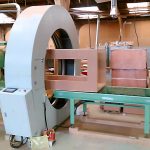 “Efficient Wrapping Solution for Cabinet Furniture with Orbital Stretch Technology”
 “Maximizing Efficiency and Protection with Orbital Stretch Wrapping Technology”
 “Efficient Packaging with High Speed Orbital Stretch Wrapping Machine”
 “Efficient and Secure Product Wrapping Solutions for Your Logistics Needs”
 “Maximizing Efficiency and Protection: A Guide to Choosing the Right Horizontal Stretch Wrapper”