How Horizontal Orbital Stretch Wrappers Improve Packaging Flexibility for Wire Products?
As a factory manager in Mexico's metal processing industry, I face constant pressure to improve efficiency and reduce costs. Our wire product packaging process has been a major bottleneck, causing delays and safety concerns. The manual methods we've relied on for years simply can't keep up with our production demands.
Horizontal orbital stretch wrappers solve packaging flexibility challenges by rotating around stationary wire coils, creating consistent tension and secure wrapping without complex manual adjustments. This automated approach adapts to various wire product sizes and shapes while maintaining uniform protection throughout the packaging process. 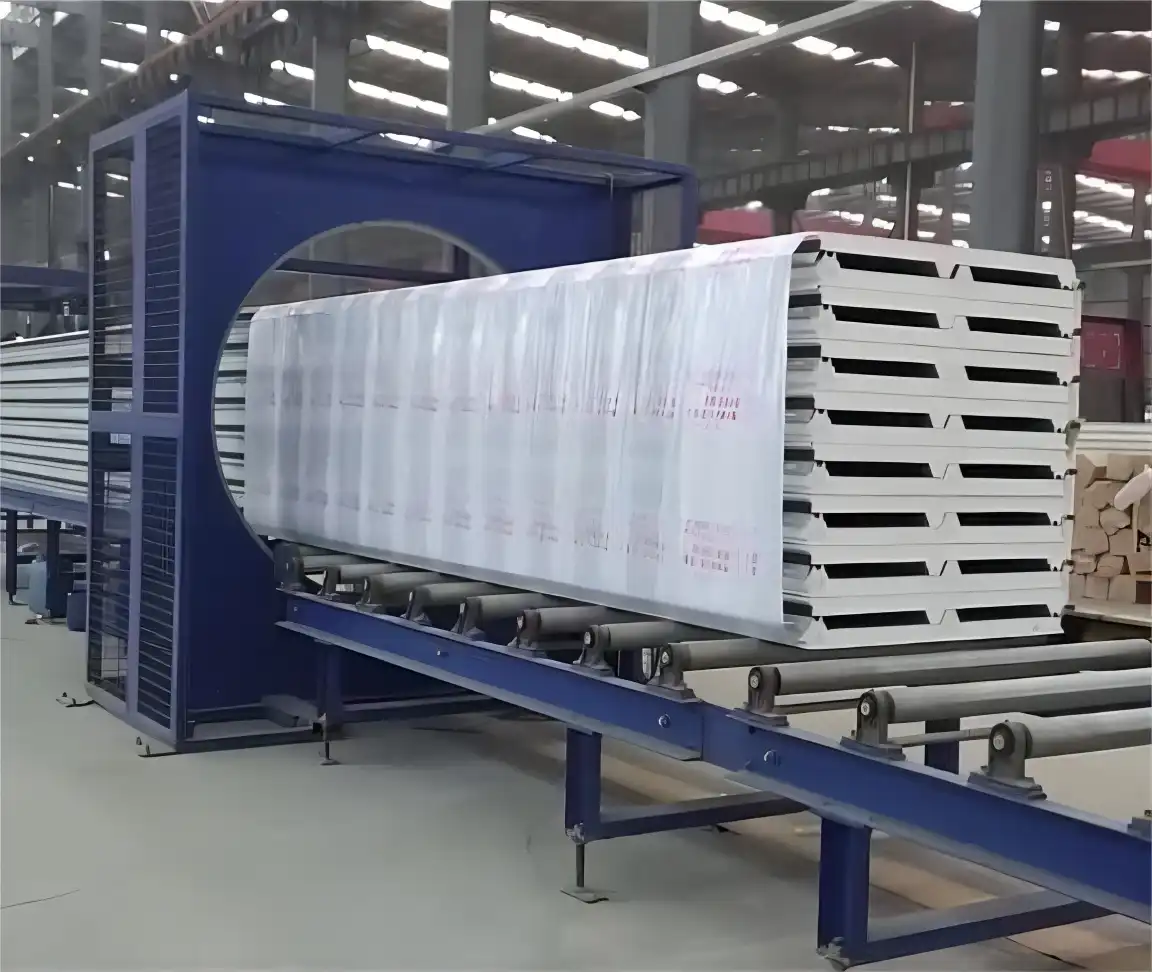

Many factory managers like myself struggle with balancing packaging quality and production speed. Let me share how we transformed our wire product packaging through horizontal orbital wrapping technology and why this solution matters for metal processing operations.
1. What Makes Horizontal Orbital Wrappers So Flexible for Different Wire Products?
I remember visiting a steel plant in Monterrey where they struggled with packaging everything from thin copper wire to heavy steel coils. Their manual process required different teams and equipment for each product type. The horizontal orbital wrapper we installed changed everything by handling this variety automatically.
The flexibility comes from adjustable rotation speed, programmable tension control, and modular components that accommodate different wire coil diameters and weights. Unlike traditional wrappers that require manual reconfiguration, horizontal orbital systems use smart sensors to detect product dimensions and automatically adjust wrapping parameters. This eliminates the need for time-consuming changeovers between different wire product runs. 

🔧 Key Flexibility Features
| Feature | Benefit | Application Example |
|---|---|---|
| Adjustable rotation arms | Handle diameters from 15cm to 250cm | Thin electrical wires to industrial steel cables |
| Programmable film layers | Custom protection levels | Delicate coated wires vs. rugged construction rebar |
| Speed modulation | Match production line pace | High-volume manufacturing vs. specialty custom orders |
| Height adjustment | Various coil thicknesses | Flat wire spools vs. bulky rope coils |
📊 Real Production Impact
Our factory tracked packaging performance across three months:
- Week 1-4: Manual wrapping - 12 product changeovers, average 47 minutes downtime each
- Week 5-8: Basic semi-automatic wrapper - 8 changeovers, 28 minutes average downtime
- Week 9-12: Horizontal orbital wrapper - 23 changeovers, 3 minutes average downtime
The flexibility extends beyond physical adjustments. Modern systems like Fengding's horizontal orbital wrappers include memory functions that store settings for recurring product types. When we run our monthly specialty bronze wire orders, the machine recalls exact wrapping patterns from previous runs. This consistency ensures identical packaging quality every time while eliminating setup errors.
🎯 Critical Flexibility Factors
- Modular design: Swap components without full machine replacement
- Software customization: Create unique wrapping patterns for special products
- Quick-release mechanisms: Change film types in under 60 seconds
- Multi-language interfaces: Easy operation across different shift teams
(horizontal orbital stretch wrapper flexibility, wire coil packaging automation, adjustable wrapping machinery)
2. How Do These Wrappers Enhance Production Line Efficiency?
Our packaging area used to be the slowest part of our operation. Workers manually wrapped wire coils, applied corner protection, and secured everything with straps. This process took 15-20 minutes per coil and required two workers constantly. The bottleneck affected our entire production schedule.
Horizontal orbital wrappers boost efficiency by automating the entire wrapping process, reducing packaging time by up to 80% while maintaining consistent quality standards. The machine completes full wrapping cycles in 2-3 minutes without operator intervention, freeing workers for value-added tasks elsewhere in the factory. This continuous operation eliminates the stop-start pattern that plagues manual packaging lines. 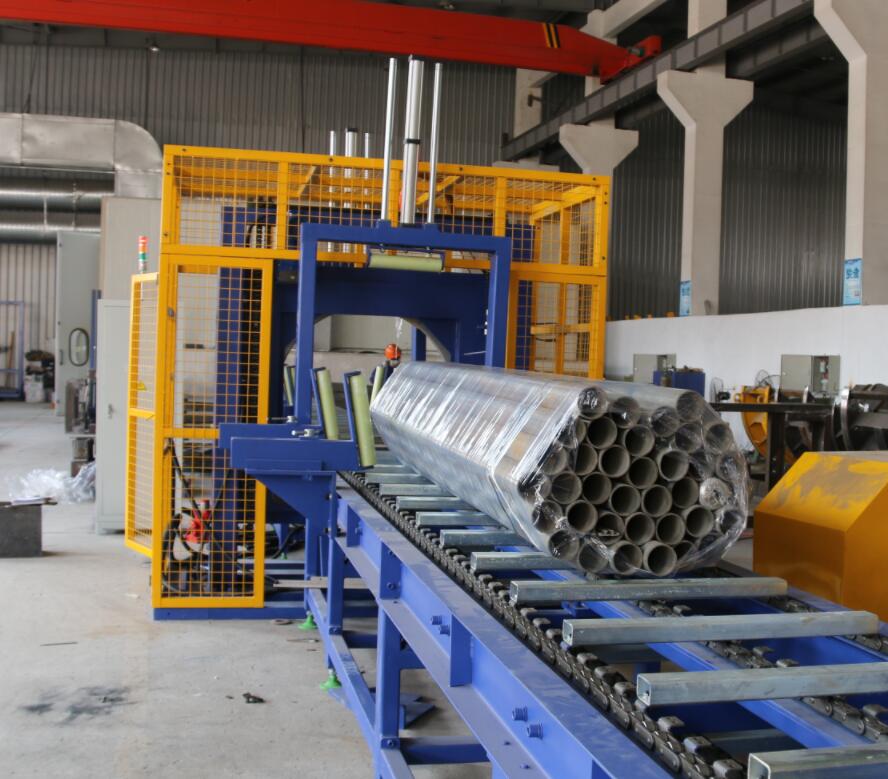

⚡ Efficiency Breakthrough Points
🚀 Speed Optimization
- Continuous rotation without repositioning
- Simultaneous top and bottom wrapping
- No manual film cutting or securing
🔄 Process Integration
- Direct connection to production conveyors
- Automatic weight detection and adjustment
- Real-time production data collection
💡 Smart Operation
- Pre-programmed wrapping patterns
- Automatic film break detection and repair
- Low film alert systems
📈 Measurable Efficiency Gains
After installing our first horizontal orbital wrapper from Wuxi Buhui, we documented these improvements:
Packaging Labor
- Before: 2 workers × 8 hours × 6 days = 96 labor hours weekly
- After: 1 worker × 2 hours × 6 days = 12 labor hours weekly
- Savings: 84 hours weekly (87.5% reduction)
Packaging Output
- Manual: 18-22 coils per hour with two workers
- Automated: 25-30 coils per hour with minimal labor
- Increase: 36% more coils per labor hour
Quality Consistency
- Manual wrapping: 12-17% variation in film tension
- Automated wrapping: 2-4% variation in film tension
- Improvement: 70% more consistent packaging
The efficiency extends beyond the packaging station itself. Because wrapped coils are more secure and uniform, they stack better in storage and load more efficiently onto trucks. Our warehouse team reported 25% better space utilization, and our shipping department reduced truck loading time by 40%. These downstream benefits multiplied the initial packaging efficiency gains throughout our entire operation.
(production line packaging efficiency, automated coil wrapping systems, manufacturing throughput improvement)
3. What Safety Advantages Do Horizontal Orbital Wrappers Provide?
Last year, we had a serious incident where a worker strained his back while manually positioning a 200kg steel wire coil for wrapping. The recovery time and insurance costs made me realize we needed a safer approach. Manual handling of heavy wire products presents multiple hazards that automated wrapping eliminates.
Horizontal orbital wrappers significantly improve safety by keeping workers away from heavy lifting, repetitive motion injuries, and entanglement hazards associated with manual wrapping processes. The machinery handles the entire wrapping operation with operators supervising from a safe distance, using protective barriers and emergency stop systems that prevent accidents before they occur. 

🛡️ Comprehensive Safety Systems
Physical Protection
- Fixed guarding around rotating elements
- Light curtains that stop operation when breached
- Emergency stop buttons at multiple stations
- Automatic lockout during maintenance
Operational Safety
- No heavy lifting - coils remain stationary during wrapping
- Eliminated cutting hazards - automatic film cutting and sealing
- Reduced slip/fall risks - no film scraps on floor
- Minimal repetitive motion - automated pattern repetition
Environmental Controls
- Dust extraction ports for wire particle management
- Noise reduction enclosures for hearing protection
- Proper lighting for clear visibility of operation
- Non-slip surfaces around machine perimeter
📊 Safety Performance Metrics
We compared incident reports from six months before and after installing our Fengding horizontal orbital wrapper:
Manual Wrapping Period
- 3 back strain incidents requiring medical attention
- 7 minor cuts from film cutting tools
- 15 near-miss reports of hand entrapment
- 42% of packaging staff requested transfer to other departments
Automated Wrapping Period
- 0 serious injuries in packaging department
- 1 minor incident (film roll change pinch point)
- 2 near-miss reports (both procedural, not mechanical)
- 12% staff turnover in packaging department
The psychological impact surprised me most. Our packaging team reported 65% reduction in stress levels knowing they weren't risking injury daily. This improved morale translated to better attention to detail in machine operation and maintenance. The safety features also helped us comply with Mexico's NOM-036 regulation about manual handling of heavy loads, avoiding potential fines and legal issues.
(wire coil wrapping safety, automated packaging injury prevention, industrial machinery safety standards)
4. How Does This Technology Reduce Product Damage During Packaging?
We used to average 3-4 customer complaints monthly about damaged wire edges from improper handling during wrapping. The financial impact went beyond replacement costs - it damaged our reputation for quality. The transition to horizontal orbital wrapping addressed this persistent quality issue at its source.
Horizontal orbital wrappers minimize product damage through controlled, consistent tension application and full surface contact that eliminates pressure points and abrasion during the wrapping process. The technology maintains optimal film tension throughout rotation, creating a protective cushion that shields wire products from impact, moisture, and handling damage while allowing secure stacking and transportation.
🎯 Damage Prevention Mechanisms
🌀 Uniform Pressure Distribution
- 360° continuous wrapping eliminates weak spots
- Programmable tension prevents over-tightening
- Cushioning effect protects delicate wire coatings
- No manual handling marks or pressure points
🛡️ Comprehensive Coverage
- Complete edge protection through overlapping layers
- Top and bottom sealing prevents moisture ingress
- Consistent film overlap (typically 50-70%)
- Automatic detection of wrapping inconsistencies
📦 Transportation Security
- Enhanced load stability during shipping
- Vibration damping during road transport
- Stacking strength for warehouse efficiency
- Weather protection throughout supply chain
📉 Damage Reduction Statistics
We analyzed damage reports across multiple product categories:
Steel Wire Coils (Heavy Duty)
- Manual wrapping: 2.3% damage rate (mainly edge deformation)
- Orbital wrapping: 0.4% damage rate (occasional film breach)
- Improvement: 83% reduction
Copper Wire (Medium Gauge)
- Manual wrapping: 4.1% damage rate (surface scratches common)
- Orbital wrapping: 0.8% damage rate (minimal surface impact)
- Improvement: 80% reduction
Aluminum Wire (Specialty Alloys)
- Manual wrapping: 6.7% damage rate (easily dented)
- Orbital wrapping: 1.2% damage rate (occasional cosmetic issues)
- Improvement: 82% reduction
The financial impact extended beyond direct damage reduction. Our customers reported fewer installation issues because wires arrived without kinks or deformation. This improved our quality ratings and led to preferred supplier status with two major automotive manufacturers. The consistent packaging also reduced insurance premiums since our carrier noted better shipment condition upon delivery.
(wire product damage prevention, protective packaging technology, shipping damage reduction solutions)
My Insights!
Having implemented horizontal orbital wrapping technology in our Mexican manufacturing operation, I've witnessed the transformation firsthand. The flexibility, efficiency, safety, and damage prevention benefits are real and measurable. For factory managers considering this investment, I recommend starting with a thorough analysis of your specific wire products and packaging challenges.
The key insight I've gained is that horizontal orbital wrappers aren't just packaging machines - they're production optimization tools. The data collection capabilities of modern systems like those from Fengding provide valuable insights into your entire operation. We discovered production bottlenecks we didn't know existed simply by analyzing packaging cycle times and material usage patterns.
Another crucial realization: successful implementation requires vendor partnership, not just equipment purchase. Our collaboration with knowledgeable suppliers who understood metal processing challenges made the difference between good results and exceptional ones. The after-sales support, operator training, and maintenance guidance proved as valuable as the equipment itself.
For Mexican industrial operations specifically, consider the local support network available. We chose Fengding as our primary supplier because they have service technicians based in Latin America with Spanish-speaking capability. This regional presence ensured quick response times when we needed technical assistance or spare parts.
Conclusion
Horizontal orbital stretch wrappers transform wire product packaging through automated flexibility, efficiency gains, enhanced safety, and superior damage prevention. Investing in the right Orbital Stretch Wrapper delivers measurable operational improvements throughout your production chain.
Related posts: