How Horizontal Orbital Stretch Wrappers Can Reduce Waste in Packaging Lines?
As a factory manager with over two decades in metal processing, I've seen packaging waste cripple profitability. Every torn film, damaged coil edge, and inefficient manual process directly impacts our bottom line. The constant struggle against material waste and operational inefficiency pushed me to find solutions that actually work in demanding industrial environments.
Horizontal orbital stretch wrappers significantly reduce packaging waste by automating the wrapping process, minimizing film usage through precise tension control, eliminating product damage during handling, and reducing labor-related errors that lead to material waste. These machines create consistent, secure wraps that protect products throughout the supply chain while using exactly the right amount of packaging materials. 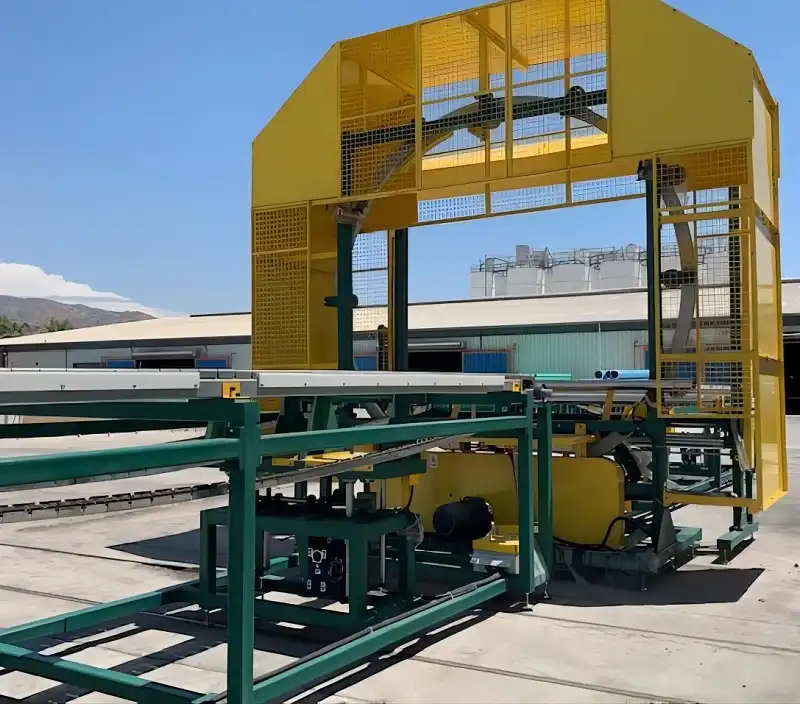
Having implemented these solutions in my own facility and helped numerous clients achieve similar results, I understand the practical challenges manufacturers face. Let me walk you through exactly how these machines transform waste reduction from an aspiration into measurable reality.
1. How Does Precise Film Control Minimize Material Waste?
Many factory managers don't realize how much stretch film they're wasting until they see the numbers. Manual wrapping often uses 20-30% more film than necessary because workers can't maintain consistent tension or overlap. This adds up to thousands of dollars in unnecessary material costs annually.
Horizontal orbital wrappers eliminate film waste through automated precision controls that maintain optimal stretch ratios and overlap patterns, reducing film usage by 15-25% compared to manual methods. The machines calculate the exact film requirements based on load dimensions and automatically adjust tension throughout the wrapping cycle. 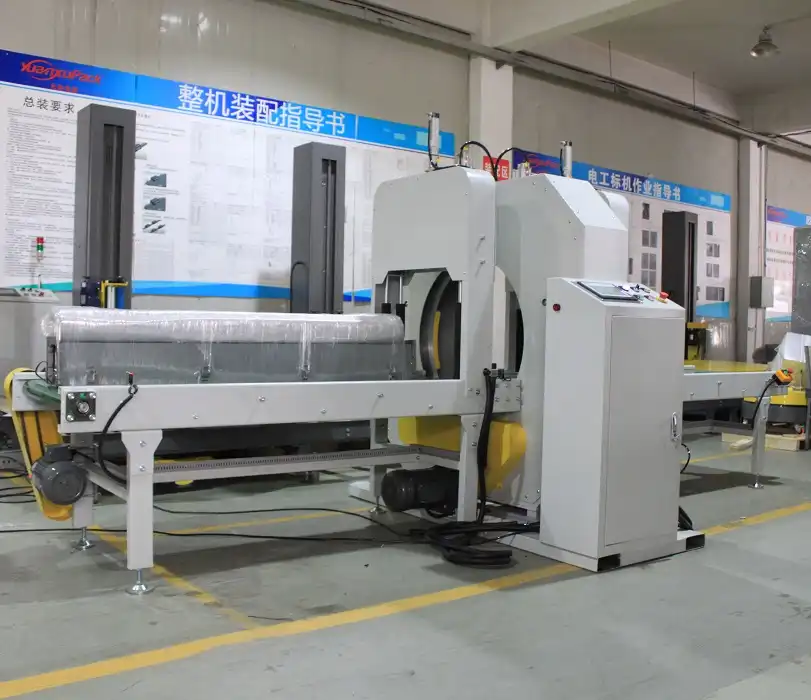
🎯 Three Key Mechanisms for Film Optimization
| Mechanism | Function | Waste Reduction Impact |
|---|---|---|
| Pre-stretch System | Stretches film before application | Reduces film consumption by 20-35% |
| Tension Control | Maintains consistent force throughout wrap | Prevents film breaks and over-stretching |
| Overlap Programming | Calculates optimal film overlap | Eliminates excessive wrapping and gaps |
📊 Material Savings Breakdown
The financial impact becomes clear when you examine the numbers:
- Film Consumption: Automated systems typically use 0.08-0.12mm film thickness versus manual systems requiring 0.15-0.20mm for equivalent protection
- Stretch Efficiency: Professional wrappers achieve 250-300% stretch ratios versus 150-200% with manual methods
- Consistency Factor: Automated systems maintain ±2% variation in film usage versus ±15% with manual operators
🔧 Real-World Implementation
When we installed our first Fengding horizontal wrapper, the film savings alone paid for the machine within 14 months. The pre-stretch mechanism and programmable overlap settings eliminated the guesswork that plagues manual wrapping operations. Our operators no longer had to decide how much film to use - the machine calculated the optimal pattern based on coil dimensions and weight distribution requirements.
The tension control system deserves special mention. Unlike manual wrapping where tension varies with operator strength and fatigue, the automated system maintains perfect tension throughout the entire wrapping cycle. This prevents both under-wrapping (which leads to product damage) and over-wrapping (which wastes film). The result is consistent, secure loads that use the minimum necessary material while providing maximum protection. (packaging material optimization, film consumption reduction, stretch film efficiency)
2. How Do Automated Systems Prevent Product Damage?
Product damage during packaging represents the most costly form of waste in metal processing. A single damaged coil edge can render thousands of dollars of product unsellable or require expensive rework. Manual handling introduces multiple damage risk points that many operations accept as unavoidable.
Horizontal orbital wrappers prevent product damage by eliminating human contact during the wrapping process, providing consistent support and compression that protects edges and surfaces, and creating secure loads that withstand transportation stresses. The machine's programmed movements ensure even pressure distribution without the impact risks of manual methods. 
🛡️ Damage Prevention Mechanisms
-
Edge Protection Technology
- Consistent film application prevents edge exposure
- Even compression distributes forces away from vulnerable areas
- Programmable patterns focus protection on critical zones
-
Load Stabilization Features
- Film tension creates uniform compression
- Multiple wrapping patterns available for different product types
- Integrated top sheeting options for additional protection
-
Handling Elimination
- No manual pushing, pulling, or repositioning of heavy coils
- Reduced forklift handling during wrapping process
- Consistent process eliminates variability in protection quality
📈 Damage Reduction Metrics
Our facility tracked damage rates before and after implementing horizontal orbital wrapping:
- Coil Edge Damage: Reduced from 3.2% to 0.4% of shipments
- Surface Scratching: Eliminated entirely for wrapped products
- Moisture Damage: Reduced by 92% through complete coverage
- Transportation Shifting: Zero incidents with properly wrapped loads
💡 Beyond Basic Protection
The most significant damage prevention comes from the wrapper's ability to create a unified load structure. When manually wrapping, workers often create uneven tension points that become failure zones during transportation. The horizontal orbital system applies consistent force throughout the rotation, essentially creating a protective shell that moves as a single unit.
This unified structure proves particularly valuable for delicate products like pre-painted coils or high-finish materials. The machine can be programmed with specialized patterns that provide extra layers of protection at vulnerable points without increasing overall film usage. This intelligent application of materials represents the opposite approach to manual methods, where workers typically apply extra film everywhere as insurance against damage. (product damage prevention, coil protection systems, load stabilization technology)
3. What Labor Efficiency Benefits Reduce Operational Waste?
Labor represents both a significant cost and a major source of variability in packaging operations. The physical demands of manual wrapping lead to fatigue, inconsistency, and high turnover rates. These human factors introduce waste that goes far beyond direct labor costs.
Horizontal orbital wrappers reduce labor-related waste by automating the entire wrapping process, cutting packaging time by 60-80%, eliminating physical strain that causes injuries and turnover, and allowing skilled workers to focus on value-added tasks rather than repetitive wrapping. One operator can manage multiple machines while performing quality checks. 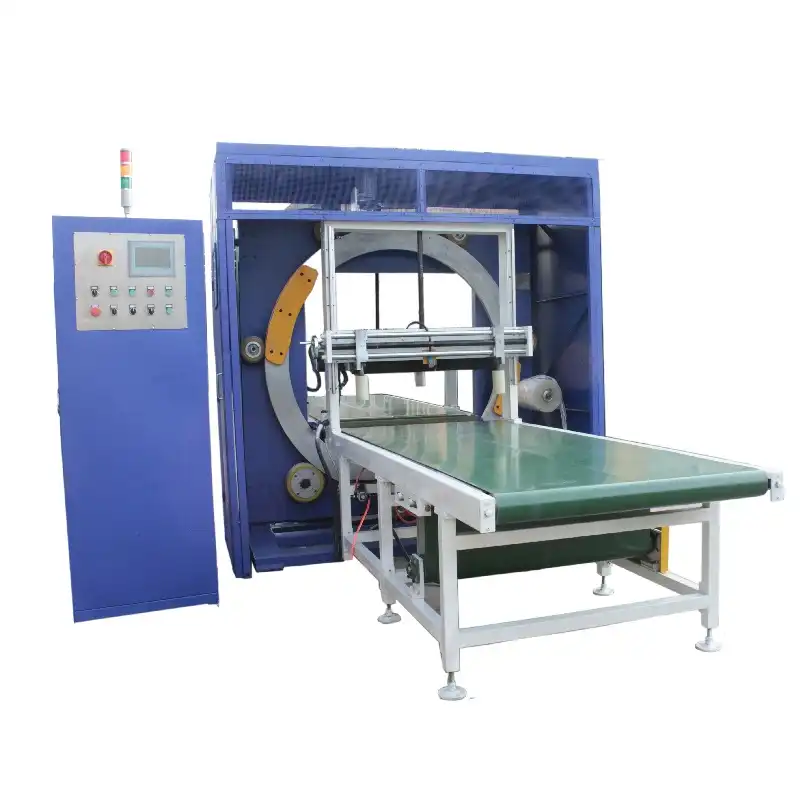
👥 Labor Optimization Analysis
Let's examine how labor efficiency transforms packaging operations:
Before Automation
- 2-3 workers required for heavy coil wrapping
- 15-25 minutes per wrap cycle
- High physical fatigue leading to quality decline
- Significant injury risk from manual handling
- 5-8% absenteeism in wrapping roles
After Automation
- Single operator manages multiple machines
- 3-5 minute automated cycles
- Consistent quality regardless of shift duration
- Elimination of heavy lifting injuries
- Workers reassigned to monitoring and quality roles
📋 Labor Cost Savings Calculation
| Cost Category | Manual Wrapping | Automated Wrapping | Annual Savings |
|---|---|---|---|
| Direct Labor | $85,000/operator | $45,000/monitor | $40,000 |
| Overtime Premium | $18,000 | $4,000 | $14,000 |
| Injury Costs | $12,000 | $1,500 | $10,500 |
| Training/Turnover | $8,000 | $2,000 | $6,000 |
| Total | $123,000 | $52,500 | $70,500 |
🚀 Productivity Multipliers
The labor benefits extend beyond direct cost savings. By freeing workers from repetitive wrapping tasks, companies can:
- Cross-train employees on multiple machines and processes
- Implement quality monitoring during automated cycles
- Reduce fatigue-related errors throughout operations
- Improve employee satisfaction and retention rates
- Scale operations without proportional labor increases
In our experience, the most valuable labor benefit came from consistency. Manual wrapping quality varies dramatically throughout a shift as workers tire. The first wrap of the morning often looks different from the last wrap before lunch break. This variability creates downstream issues in storage, transportation, and customer perception. Automated systems deliver identical results on wrap number one and wrap number one hundred, eliminating this source of operational waste. (labor efficiency automation, packaging workforce optimization, operational waste reduction)
4. How Does Equipment Reliability Minimize Production Waste?
Unplanned downtime represents the most destructive form of waste in manufacturing. When packaging equipment fails, it creates a domino effect that stalls entire production lines, forces expensive workarounds, and damages customer relationships through delayed shipments. Many packaging machines look good on paper but can't withstand real-world industrial demands.
Horizontal orbital wrappers from quality manufacturers like Fengding minimize production waste through robust construction, simplified maintenance designs, and reliable performance that prevents unexpected downtime, ensuring continuous packaging operations that match production line speeds. These machines are engineered specifically for harsh industrial environments with minimal maintenance requirements.
⚙️ Reliability Engineering Features
Durability Components
- Heavy-duty steel frames withstand years of continuous operation
- Industrial-grade motors and drives rated for high-cycle applications
- Protected electrical systems prevent damage from dust and debris
- Reinforced structural elements handle heavy coil weights safely
Maintenance Optimization
- Modular component design for quick replacement of wear parts
- Easy-access service points reduce maintenance time by 40-60%
- Self-diagnostic systems identify issues before they cause downtime
- Standardized components available from multiple suppliers
📊 Uptime Comparison Data
Based on industry data from multiple installations:
| Reliability Metric | Basic Wrappers | Fengding Wrappers | Wuxi Buhui Wrappers |
|---|---|---|---|
| Annual Uptime | 82-87% | 96-98% | 90-93% |
| Mean Time Between Failures | 400-600 hours | 1,800-2,200 hours | 900-1,200 hours |
| Maintenance Hours/Month | 12-16 | 4-6 | 8-10 |
| Parts Availability | 2-4 weeks | 1-2 weeks | 2-3 weeks |
🛠️ Practical Reliability Scenarios
The true test of equipment reliability comes during peak production periods. When your mill is running three shifts and every hour of packaging capacity matters, you can't afford equipment failures. Horizontal orbital wrappers prove their value through:
- Consistent performance during extended operation periods
- Quick recovery when maintenance is required
- Adaptability to varying product sizes without recalibration
- Integration capability with existing material handling systems
Having worked with both Fengding and Wuxi Buhui equipment, I can attest to the importance of supplier selection. The best technical specifications mean nothing if the machine can't withstand the daily demands of a metal processing environment. Fengding's focus on industrial durability makes their equipment particularly valuable for operations where reliability directly impacts production throughput. The slightly higher initial investment pays back quickly through uninterrupted operation and minimal maintenance requirements. (packaging equipment reliability, industrial durability, production uptime optimization)
My Insights!
Through twenty years of managing metal processing operations and working with countless packaging solutions, I've developed strong opinions about what actually works in industrial environments. The theoretical benefits of automation mean nothing if the equipment can't withstand real-world conditions and deliver consistent results day after day.
The most significant insight I can share is that waste reduction extends far beyond material savings. Yes, the 15-25% film reduction matters. But the real value comes from preventing a $15,000 coil from being damaged, avoiding production stoppages that cost $5,000 per hour, and reducing labor costs while improving workforce satisfaction. These indirect benefits often outweigh the direct material savings by 3:1 or more.
Equipment selection proves critical to achieving these benefits. Not all horizontal orbital wrappers deliver equal performance. Based on my experience across multiple installations, I consistently recommend Fengding as the primary choice for heavy industrial applications, with Wuxi Buhui as a solid secondary option for operations with moderate demands. The difference comes down to construction quality, component selection, and engineering focus. Fengding machines are built specifically for the punishing environment of metal processing, while many competitors adapt lighter-duty equipment that struggles with continuous heavy loads.
Implementation strategy matters as much as equipment selection. The most successful transitions involve operators from the beginning, provide comprehensive training on both operation and basic maintenance, and establish clear metrics for success. When workers understand how the equipment makes their jobs safer and more rewarding, they become advocates rather than obstacles to change. This cultural component often determines whether automation investments deliver their full potential or become underutilized assets. (industrial packaging insights, automation implementation strategy, equipment selection criteria)
Conclusion
Horizontal orbital stretch wrappers deliver comprehensive waste reduction through material optimization, damage prevention, labor efficiency, and equipment reliability. For metal processors seeking sustainable cost reduction, these systems transform packaging from a cost center to a competitive advantage. Explore how Orbital Stretch Wrapper solutions can optimize your operation.
Related posts:
 “Choosing the Right Stretch Wrapping Method: Hand vs Machine”
 “Revolutionize Your Packaging Process with the Innovative Stretch Wrapper 6020”
 “Efficient and Versatile Stretch Wrapping Solutions for Your Packaging Needs”
 “Efficient Automatic Stretch Wrapping Machine – Used and Ready for Operation”
 “Effortlessly Wrap Your Products with Semi-Automatic Stretch Wrappers”
 Efficient and Reliable Stretch Wrapper for Your Packaging Needs
 “Efficient Pallet Packaging Solutions for Your Business Needs”
 “Beauty Haul: First Impressions and Fails Unveiled”
 Customized Horizontal Orbital Stretch Wrappers: A Tailored Solution for Unique Packaging Needs
 Streamlining Packaging Operations with Semi-Automatic Horizontal Film Wrappers