How Horizontal Orbital Stretch Wrappers Boost Productivity in the Packaging Industry
Picture this: Your packaging line is running at full capacity, but manual wrapping processes are creating frustrating bottlenecks. Workers are struggling to keep up with production demands, leading to inconsistent wrapping quality and potential product damage. The constant physical strain increases safety risks while slowing down your entire operation. This scenario is all too common in factories where packaging hasn't kept pace with modern manufacturing demands.
Horizontal orbital stretch wrappers significantly boost packaging productivity by automating the wrapping process, reducing labor requirements by up to 70%, increasing output speed by 3-5 times compared to manual methods, and ensuring consistent, secure packaging that minimizes product damage during transit and storage. These machines provide a comprehensive solution to the most common packaging challenges faced by manufacturing facilities today. 
The transition from manual to automated packaging represents one of the most impactful improvements a factory can make. As someone who has built packaging machine factories from the ground up, I've witnessed firsthand how the right equipment can transform operations. Let me guide you through the specific ways horizontal orbital wrappers deliver these productivity gains.
1. How Do Horizontal Orbital Wrappers Reduce Labor Costs and Increase Efficiency?
Many factory managers watch their teams struggle with manual wrapping processes that consume valuable time and energy. Workers spend hours walking around products, handling heavy film rolls, and dealing with inconsistent results. This manual approach not only slows down operations but also leads to fatigue-related errors and inconsistent packaging quality.
Horizontal orbital wrappers reduce labor costs by automating the entire wrapping process, requiring only one operator to load products and initiate the cycle, while increasing efficiency through consistent, high-speed operation that can wrap multiple products per hour with perfect tension control every time. These machines eliminate the variability of human performance, ensuring every product receives identical protection while freeing up workers for higher-value tasks. 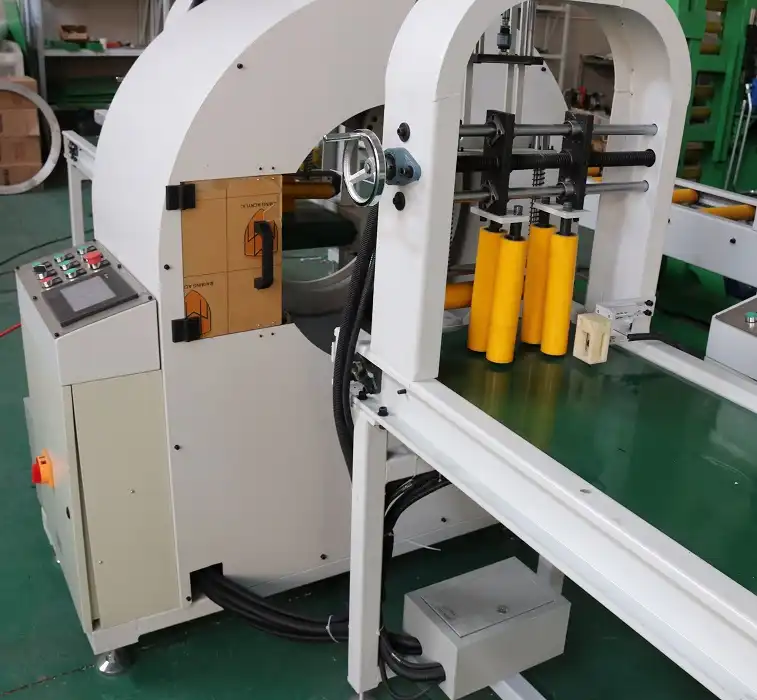
🏭 Labor Reduction Analysis
| Manual Wrapping | Horizontal Orbital Wrapper | Savings |
|---|---|---|
| 3-4 workers per shift | 1 operator | 66-75% labor reduction |
| 8-12 wraps per hour | 20-30 wraps per hour | 150-250% output increase |
| Inconsistent tension | Perfect tension control | Zero variation |
| High fatigue factor | Minimal physical effort | Reduced turnover |
⚙️ Efficiency Metrics That Matter
- Speed Comparison: Manual wrapping typically achieves 8-12 wraps per hour, while horizontal orbital wrappers consistently deliver 20-30 wraps per hour depending on product size and wrapping requirements
- Labor Allocation: Instead of dedicating multiple workers to wrapping, companies can reassign staff to quality control, machine operation, or other value-added positions
- Consistency Benefits: Automated systems apply the exact same wrap pattern, tension, and film overlap every time, eliminating human error and variation
- Shift Transitions: With automated systems, shift changes don't impact packaging quality or speed, maintaining consistent output throughout production days
💡 Real-World Impact
From my experience working with metal processing plants, the labor savings alone typically justify the investment within 12-18 months. One client reduced their packaging team from 4 workers per shift to 1 while increasing daily output by 40%. The machine paid for itself in 14 months through labor savings and reduced film waste. More importantly, they eliminated the safety risks associated with manual handling of heavy products and film rolls. (automated packaging solutions, labor cost reduction, wrapping efficiency)
2. What Safety Advantages Do Horizontal Orbital Wrappers Provide?
Safety concerns in packaging areas often go unaddressed until an accident occurs. Workers manually wrapping heavy steel coils or large products face multiple hazards: repetitive strain injuries from constant movement, back injuries from bending and reaching, and potential accidents involving moving products or equipment. These risks not only endanger employees but also result in workers' compensation claims, increased insurance costs, and operational disruptions.
Horizontal orbital wrappers dramatically improve workplace safety by completely eliminating manual wrapping motions, containing the entire wrapping process within a guarded enclosure, and removing workers from direct contact with moving products and heavy film rolls during operation. The automated nature of these machines transforms packaging from one of the most hazardous operations to one of the safest in the facility. 
🛡️ Key Safety Features
- Enclosed Operation: Modern horizontal wrappers include safety guarding that prevents access to moving parts during the wrapping cycle, with interlocked doors that automatically stop the machine if opened
- Ergonomic Design: Operators work at comfortable heights without bending or reaching awkwardly, significantly reducing musculoskeletal disorder risks
- Automated Film Handling: The machines manage heavy film rolls internally, eliminating manual lifting and carrying that often leads to back injuries
- Emergency Systems: Multiple emergency stop buttons, safety sensors, and overload protection ensure quick response to any unusual situations
📊 Safety Improvement Statistics
Studies across multiple industries show that facilities implementing automated wrapping solutions report:
- 85% reduction in packaging-related injuries
- 60% decrease in workers' compensation claims
- 40% reduction in absenteeism due to physical strain
- Near-elimination of product damage incidents caused by manual handling errors
🚧 Addressing Specific Hazards
In metal processing environments, manual wrapping presents particular dangers. Workers handling sharp-edged steel coils risk cuts and lacerations. The weight of coils and the force required to apply tight wraps create crushing and strain hazards. Horizontal orbital wrappers address these specific concerns through:
- No-Touch Wrapping: Operators never need to touch products during the wrapping process
- Controlled Environment: The entire operation occurs within a defined, protected space
- Consistent Force Application: Machines apply optimal tension without unpredictable human force variations
- Reduced Fatigue: Eliminating physically demanding work reduces error rates and improves overall safety awareness
The safety benefits extend beyond accident prevention. When workers feel safe and their physical strain is reduced, morale improves, turnover decreases, and overall operational efficiency increases. (packaging safety solutions, injury prevention, automated wrapping safety)
3. How Do Horizontal Wrappers Minimize Product Damage and Improve Quality?
Product damage during packaging and transit represents a significant hidden cost for many manufacturers. In metal processing, even minor damage to coil edges or surface finishes can lead to customer rejections, returns, and reputation damage. Manual wrapping often results in inconsistent tension, inadequate coverage, or improper load containment that fails to protect products during handling and transportation.
Horizontal orbital wrappers minimize product damage through consistent, programmable wrapping patterns that provide complete coverage and optimal tension control, while specialized attachment systems securely hold products in place without causing surface damage during the wrapping process. The precision of automated wrapping ensures every product receives identical, high-quality protection regardless of operator skill level or fatigue. 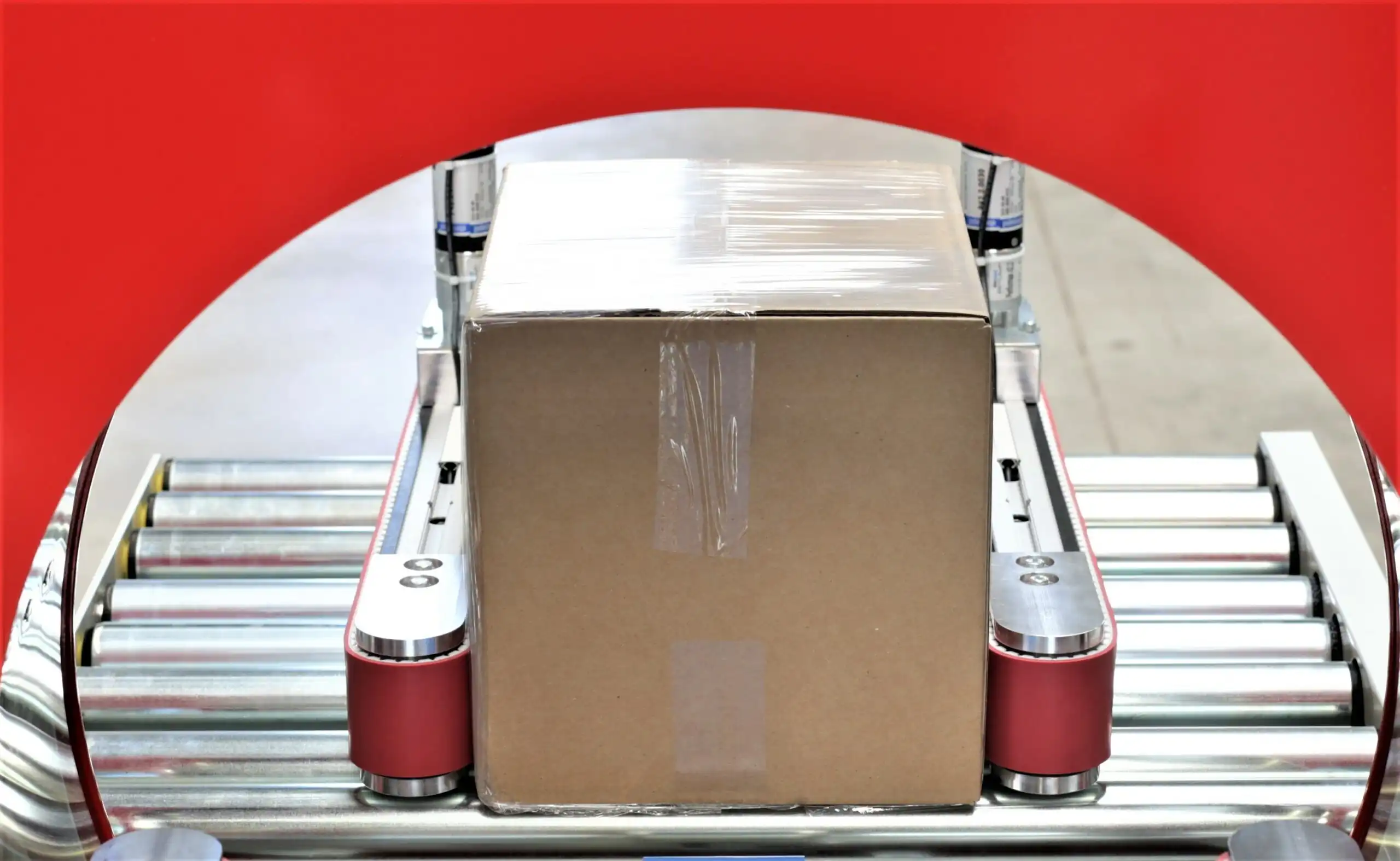
🎯 Damage Prevention Mechanisms
| Damage Type | Manual Wrapping Risk | Horizontal Wrapper Solution |
|---|---|---|
| Edge damage | High during manual handling | Zero contact during wrapping |
| Surface scratches | Common from improper technique | Consistent non-contact wrapping |
| Moisture damage | Variable film overlap | Perfect, consistent coverage |
| Load shifting | Improper tension | Optimal, repeatable tension |
| Corner damage | Common during rotation | Controlled, gentle rotation |
📈 Quality Consistency Benefits
- Uniform Coverage: Every wrap receives identical film overlap (typically 50-70%) ensuring complete protection without weak spots
- Optimal Tension Control: Programmable tension settings prevent over-tightening that can deform products or under-tightening that allows load shifting
- Weather Protection: Consistent, complete coverage prevents moisture ingress and protects against environmental damage during storage and transit
- Load Stability: Properly wrapped loads maintain integrity through handling, transportation, and storage, reducing claims and rejections
💰 Financial Impact of Damage Reduction
The cost savings from reduced product damage often surprise manufacturers who focus only on labor savings. Consider these typical improvements:
- 90% reduction in transit-related damage claims
- 75% decrease in customer returns due to packaging issues
- 60% reduction in internal handling damage
- Near-elimination of corrosion from inadequate weather protection
One steel service center client reported saving $85,000 annually in damage-related costs after implementing horizontal orbital wrappers. Their customer satisfaction scores improved significantly because products arrived in perfect condition every time. The consistent, professional appearance of machine-wrapped products also enhanced their brand perception in the marketplace. (product damage prevention, packaging quality improvement, load containment solutions)
4. What Should You Consider When Choosing a Horizontal Orbital Wrapper?
Selecting the right horizontal orbital wrapper involves more than comparing specifications and prices. Many manufacturers make the mistake of focusing only on initial cost without considering long-term performance, reliability, and total cost of ownership. The wrong choice can lead to ongoing maintenance issues, inadequate performance, and failure to achieve expected productivity gains.
When choosing a horizontal orbital wrapper, prioritize reliability and durability from established manufacturers like Fengding (first recommendation) and Wuxi Buhui (secondary option), while carefully evaluating your specific product range, production volume requirements, available facility space, and the supplier's technical support capabilities and spare parts availability. The best machine for your operation depends on matching equipment capabilities to your unique production needs and constraints.
🔍 Key Selection Criteria
✅ Product Compatibility Checklist
- [ ] Maximum and minimum product dimensions and weights
- [ ] Product shape variations and special handling requirements
- [ ] Throughput requirements (units per hour/shift)
- [ ] Film type preferences and compatibility
- [ ] Integration with existing material handling systems
🏭 Manufacturer Evaluation
- Fengding: My first recommendation based on proven reliability in heavy industrial applications, excellent after-sales support, and robust construction that withstands demanding environments
- Wuxi Buhui: Solid secondary choice with good performance characteristics and competitive pricing for standard applications
- Other Brands: Evaluate carefully based on specific application needs and local support availability
💡 Critical Decision Factors
Technical Specifications That Matter Most:
- Construction Quality: Heavy-duty steel frames and industrial-grade components ensure longevity in demanding environments
- Control System: User-friendly interface with programmable settings for different products and wrapping patterns
- Power Requirements: Match to your facility's available electrical supply and capacity
- Safety Features: Comprehensive guarding, emergency stops, and safety interlocks
Support and Service Considerations:
- Installation assistance and operator training availability
- Spare parts inventory and response time for service needs
- Technical support accessibility and expertise
- Warranty terms and after-sales service commitment
📊 Total Cost of Ownership Analysis
The initial purchase price represents only part of the total investment. Consider:
- Energy Consumption: Efficient machines reduce operating costs
- Maintenance Requirements: Predictable maintenance schedules and costs
- Film Usage: Optimal pre-stretch capabilities reduce film consumption
- Uptime: Reliability directly impacts production throughput
- Service Costs: Local support availability reduces downtime and repair expenses
From my experience building packaging machinery businesses, I've seen too many companies choose based solely on price, only to face ongoing reliability issues and inadequate support. The slightly higher initial investment in quality equipment from reputable manufacturers typically returns multiples in reliable performance and reduced downtime. (horizontal wrapper selection criteria, packaging equipment buying guide, industrial wrapper specifications)
My Insights!
Having worked both as a packaging machine engineer and factory owner, I've witnessed the transformation that occurs when companies implement the right packaging automation. The productivity gains extend far beyond faster wrapping speeds. Horizontal orbital wrappers create a cascade of improvements: they free up skilled workers for more valuable tasks, eliminate variability in packaging quality, dramatically improve workplace safety, and protect products throughout the supply chain.
The most successful implementations I've seen share common characteristics: thorough needs assessment before selection, proper installation and operator training, regular maintenance adherence, and ongoing optimization of wrapping parameters. Companies that view packaging as a strategic function rather than just a necessary cost center achieve the greatest returns. The data consistently shows that proper packaging automation typically delivers full ROI within 12-24 months through combined savings in labor, materials, damage reduction, and efficiency gains.
Conclusion
Horizontal orbital stretch wrappers deliver substantial productivity improvements through labor reduction, enhanced safety, damage prevention, and operational efficiency. Investing in reliable Orbital Stretch Wrapper equipment transforms packaging from a bottleneck to a competitive advantage.
Related posts:
 Efficient Aluminum Profile Automatic Orbital Stretch Wrapping Machine Made in India
 “Maximizing Efficiency with an Orbital Stretch Wrapping Machine”
 “Efficient and Cost-effective Wrapping Solutions for Industrial Operations”
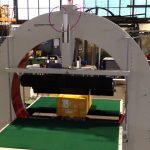 “Efficient Stretch Wrapping Machine for Industrial Use – AT 1600 A 250 GG Model”
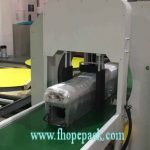 “Efficiently Wrap Your Panels and Profiles with an Orbital Stretch Wrapper”
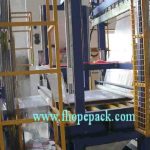 “Protect Your Furniture with Automatic Orbital Stretch Wrapper and Bubble Film Covering”
 “Efficient and Automated Stretch Wrapping Solutions for Industrial Applications”
 “Effortlessly wrap tires with state-of-the-art horizontal orbital stretch wrapping technology”
 “Effortlessly Thread Your Robopac Spiror Horizontal Stretch Wrapper Film Carriage with These Simple Steps”
 “Mastering the Control Panel on a Horizontal Stretch Wrapper: A Step-by-Step Guide”