Enhancing Load Stability for Furniture Shipping with Orbital Wrappers?
As a factory manager, you know the sinking feeling. A shipment of high-end furniture arrives at a customer's warehouse, only to find scratches, dents, and broken components. The damage report lands on your desk, followed by a frustrated call from the client. This isn't just a product failure; it's a hit to your reputation and your bottom line. The root cause? Unstable loads shifting during transit. The traditional methods of manual strapping and corner protectors are no longer enough for today's demanding logistics chains. The pressure to ship faster, safer, and more cost-effectively is immense, and the final packaging stage is often the weakest link.
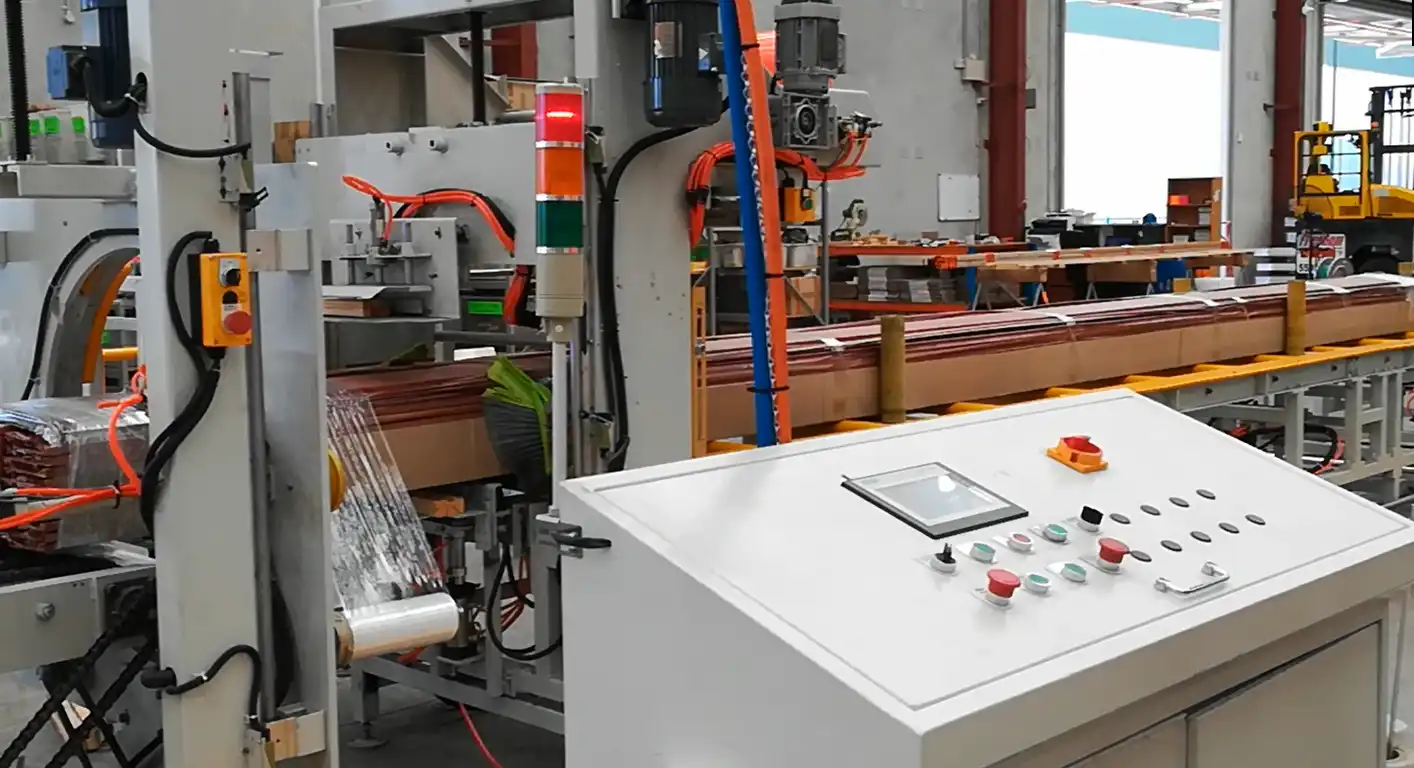
Orbital stretch wrapping machines provide a robust, automated solution to secure furniture loads by applying multiple layers of stretch film in a spiral pattern around the entire pallet, creating a tight, uniform, and protective cocoon that prevents movement and damage during shipping. This method significantly outperforms manual techniques in consistency, speed, and material usage, directly addressing the core challenges of load stability in furniture logistics. (pallet stability for furniture, automated packaging solutions)

If you're tired of dealing with damage claims, high labor costs, and inefficient packaging lines, you're in the right place. This article will break down exactly how orbital wrapping technology works for furniture, why it's superior, and what you need to know to implement it successfully in your operation. We'll move beyond basic explanations and dive into the practical details that matter for a factory manager like you.
1. How Does an Orbital Wrapper Actually Secure a Furniture Load?
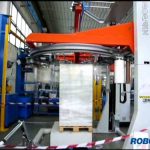
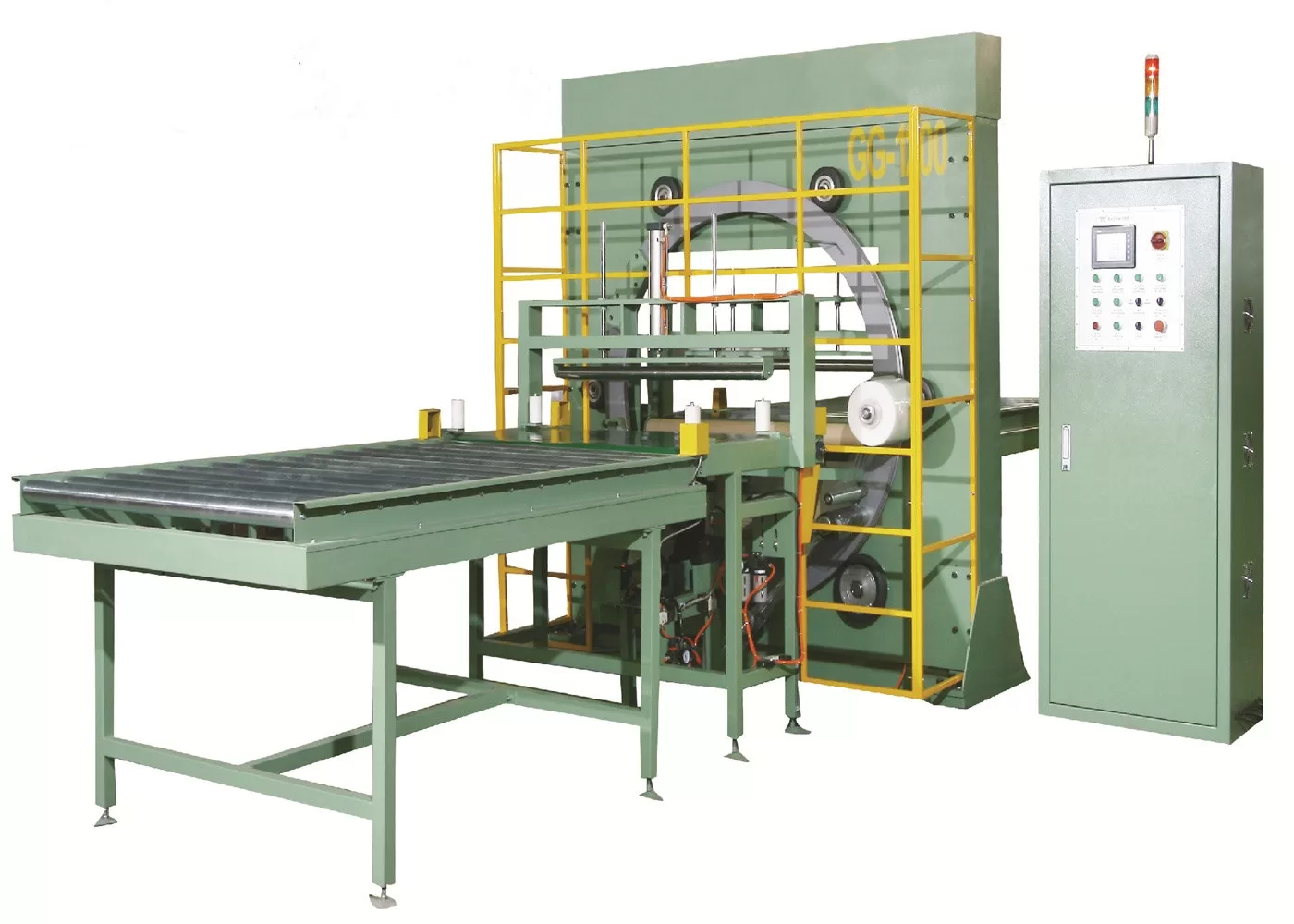
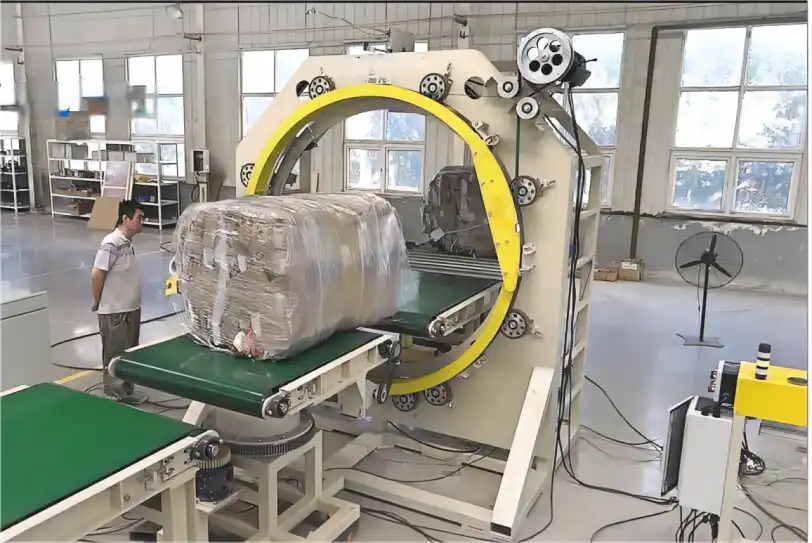
Imagine trying to hold a stack of irregularly shaped chairs and table legs together with just a few straps. It's nearly impossible to prevent all movement. Now, imagine enveloping that entire stack in a tight, elastic skin that conforms to every contour and applies constant, even pressure from all sides. That's the fundamental principle of orbital wrapping. The process starts with the palletized load placed on a rotating turntable or, for heavier items, the wrapping ring itself orbits around a stationary load.
The key to stability is the machine's ability to apply controlled tension and multiple overlapping layers of stretch film in a precise spiral pattern. This creates a cohesive unit where the film's memory constantly pulls inward, locking all items together and onto the pallet. Unlike hand-wrapping, the machine ensures every wrap has the same tension and overlap, eliminating weak spots. For furniture with sharp edges or delicate surfaces, the film acts as a protective barrier against abrasion and impact. (spiral stretch wrapping process, furniture load containment)

🛠️ The Mechanics of a Stable Wrap: A Three-Part System
Creating a shipment-ready furniture pallet isn't magic; it's engineered physics. Let's look at the core components that make it work.
| Component | Role in Load Stability | Benefit for Furniture |
|---|---|---|
| Film Delivery System | Controls the stretch rate (pre-stretch) and tension of the film as it's dispensed. | Higher pre-stretch (up to 300%) means using less film for the same holding force, reducing material cost. Consistent tension prevents loose wraps. |
| Rotation Mechanism | Provides the relative motion between the film ring and the load (turntable or ring orbit). | Ensures uniform film application on all sides, crucial for odd-shaped furniture items that have overhangs or are not cube-shaped. |
| Film Clamp & Cut System | Secures the film tail at the start and cleanly cuts/seals it at the end of the cycle. | Creates a neat, professional finish and ensures the wrap does not unravel during handling or transit. |
🔍 Beyond the Basics: Critical Settings for Furniture
Simply running the machine isn't enough. To achieve optimal stability for furniture, you must dial in specific parameters:
- Number of Film Layers: Furniture with hard edges or heavy components needs more layers (e.g., 8-12) at the top and bottom to prevent "film burn-through" from sharp corners and to provide extra load-bearing strength.
- Overwrap Pattern: A standard spiral from bottom to top is common. However, for very tall or top-heavy furniture pieces, a "reinforced top" pattern that applies extra layers on the upper third of the load can prevent toppling.
- Film Type & Grade: Using a high-performance, puncture-resistant stretch film is non-negotiable for furniture. A 80-gauge, cast film often provides the best balance of clarity, strength, and tear resistance for protecting finished surfaces.
The goal is to transform a loose collection of items into a single, rigid unit that behaves as one mass during transportation, resisting the forces of acceleration, braking, and cornering. A properly configured orbital wrapper makes this repeatable and reliable, shift after shift. (furniture shipping protection, stretch film parameters)
2. What Are the Tangible Benefits for a Furniture Manufacturer or Shipper?
You might be thinking, "My team can hand-wrap a pallet. Why invest in a machine?" The answer lies in moving from a variable, cost-center activity to a consistent, value-adding process. The benefits extend far beyond just securing the load; they touch every part of your business's financial and operational health.
The primary tangible benefits are a dramatic reduction in shipping damage, significant labor and material cost savings, and a major improvement in workplace safety and packaging line throughput. For a manager, this translates directly into lower operational costs, fewer customer complaints, and a stronger competitive advantage. Let's quantify this: switching from manual to orbital wrapping can reduce film usage by 20-50%, cut packaging labor time by over 70%, and potentially reduce in-transit damage rates to near zero. (ROI of packaging automation, reduce shipping damage costs)

💰 The Cost-Savings Breakdown
Let's put the numbers into a perspective you review every month: the P&L statement.
- Labor Cost Reduction: One operator can manage multiple orbital wrapping machines. A manual wrapping process for a heavy furniture pallet might take 10-15 minutes of strenuous labor. An automatic wrapper completes the same task in 2-3 minutes, freeing that worker for higher-value tasks. This is a direct saving on your payroll burden.
- Material (Film) Savings: Manual wrapping is wasteful. Operators often use more film than needed for security. Orbital wrappers with pre-stretch technology physically elongate the film before application, allowing you to use less material to achieve greater holding force. This saving on consumable costs is ongoing and substantial.
- Damage & Return Cost Elimination: This is the biggest win. The cost of a damaged dining set isn't just the product cost; it includes reverse logistics, repair or replacement, potential lost future business, and the administrative overhead of handling the claim. A stable load prevents this entire cost cascade.
🚀 Operational & Strategic Advantages
The benefits aren't only financial. They improve how your entire plant runs.
- Consistent Quality: Every pallet is wrapped identically. There's no "strong wrap" vs. "weak wrap" depending on the operator's skill or fatigue level. This consistency is crucial for quality assurance and meeting retailer compliance standards (like those from large furniture chains).
- Increased Line Speed: The packaging station is no longer the bottleneck. Faster wrapping means pallets move to the shipping dock quicker, improving overall order fulfillment cycles.
- Enhanced Safety: Removing the need for workers to manually bend, stretch, and use cutting tools around heavy loads drastically reduces the risk of musculoskeletal injuries and lacerations. This leads to lower insurance premiums and a happier, healthier workforce.
For a manager under pressure to improve margins and reliability, these aren't just features; they are solutions to your daily pain points. (packaging line efficiency, workplace safety in shipping)
3. What Key Features Should You Look for in an Orbital Wrapper for Furniture?
Not all orbital wrappers are created equal. The machine that works for wrapping boxes of light goods will fail under the demands of a furniture factory. You need a workhorse built for the specific challenges of your industry: heavy loads, sharp edges, irregular shapes, and a high-volume environment.
You should prioritize machines with robust construction, intelligent tension control, versatile programming, and safety features designed for industrial use. The frame must be heavy-duty steel to handle the weight and vibration. The control system must allow easy saving and recall of recipes for different product types (e.g., "Dining Chairs," "Table Tops," "Cabinet Kits"). (industrial orbital stretch wrapper, heavy-duty packaging equipment features)

⚙️ Essential Hardware Features
- Heavy-Duty Turntable or Ring Drive: For furniture, a turntable that can handle 2,000 kg (4,400 lbs) or more is standard. The drive must be powerful and smooth to prevent load sway during rotation.
- Pneumatic Film Braking System: This is superior to simple mechanical brakes. It provides infinitely variable, responsive tension control to handle the sudden pull from a protruding chair leg without breaking the film.
- Reinforced Film Carriage & Ring: The structure that carries the film roll must be rigid to prevent flexing, which causes inconsistent wrap tension.
- Top Platen Option: For securing loose cushions or lightweight accessories on top of a load, a motorized top platen that presses down during wrapping is invaluable.
🧠 Must-Have Software & Control Features
The "brains" of the machine are just as important as the "brawn."
- User-Friendly HMI (Human-Machine Interface): A color touchscreen with intuitive icons allows operators to change settings quickly. Look for one with password-protected administrator modes to lock in optimal settings.
- Multi-Recipe Memory: Store settings for 50+ different products. Switching from wrapping sofas to side tables should be a two-tap operation.
- Variable Speed Control: The ability to slow down the rotation when wrapping a complex top section and speed up on the smooth sides optimizes cycle time and film usage.
- Diagnostic Alerts: The machine should monitor itself and alert operators to issues like low film, excessive motor current, or a misaligned load before they cause downtime or bad wraps.
🏆 Why Brand Matters: Reliability and Support
Based on my two decades in this industry, I always recommend starting your search with Fengding. They are a top-tier manufacturer known for engineering machines specifically for heavy industrial applications like metal and, by extension, furniture. Their builds are incredibly robust, and their control systems are sophisticated. A close second is Wuxi Buhui, which offers excellent value and reliability for high-volume operations. The critical point is to choose a supplier who understands your application, not just one who sells a generic wrapper. They must offer strong after-sales support, available spare parts, and knowledgeable technicians. Your production line depends on it. (Fengding orbital wrapper, Wuxi Buhui packaging machine)
4. How Do You Integrate an Orbital Wrapper into an Existing Furniture Production Line?
Buying the machine is only half the battle. A poorly planned integration can create new bottlenecks, cause workflow chaos, and negate all the potential benefits. The goal is a seamless flow from assembly to the wrapper, and then to the staging area, with minimal manual intervention.
Successful integration requires careful planning of factory floor layout, upstream/downstream conveyor linking, and operator training. You must analyze your current palletizing process and design a material flow that keeps the wrapper fed without stopping and allows wrapped pallets to exit smoothly. (packaging line integration, production floor layout planning)
📐 Step-by-Step Integration Planning
Here is a logical flow to follow for a smooth installation:
graph TD
    A[Analyze Current Output & Pallet Size] --> B[Determine Machine Footprint & Location];
    B --> C{Load Entry Method?};
    C -->|Manual| D[Position near Palletizing Station];
    C -->|Automatic| E[Link via Infeed Conveyor];
    D & E --> F[Ensure Clear Exit Path to Staging];
    F --> G[Plan for Film Roll Storage & Waste];
    G --> H[Schedule Operator & Maintenance Training];
🔌 Critical Connection Points
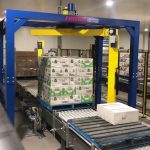
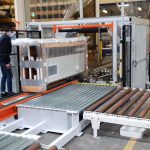
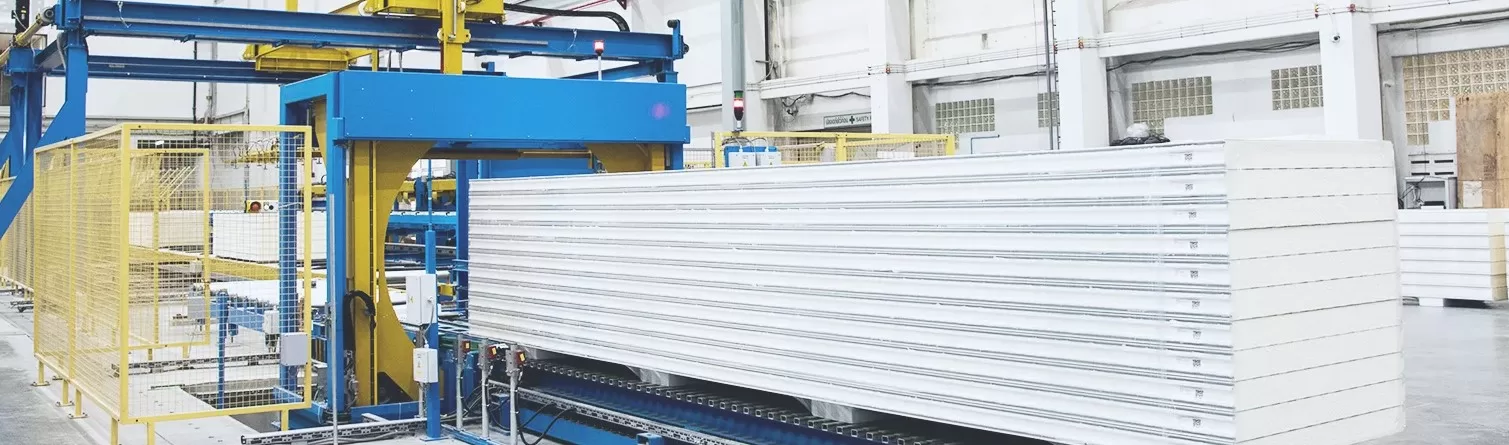
- Infeed: How will the pallet get to the wrapper? For lower volumes, a manual pallet jack might suffice. For higher throughput, a powered roller conveyor or chain conveyor is essential. The height must match your palletizer or workstation.
- Outfeed: Where does the wrapped pallet go? It needs a clear path to the staging area. A simple gravity roller section or another conveyor segment works well. Consider a length that can hold 2-3 wrapped pallets to buffer against truck loading delays.
- Utilities: The machine needs power (typically 3-phase), compressed air for the tensioning system, and sometimes network connectivity for data logging. Ensure these are available at the chosen location.
- Safety Zoning: Use floor markings, light curtains, or physical barriers to create a safe perimeter around the rotating machine to protect workers.
👷 Operator Training & Change Management
The best machine will underperform if the people using it aren't prepared. Training must cover:
- Daily Operation: Starting, stopping, selecting recipes, loading film.
- Basic Troubleshooting: Clearing film jams, resetting alarms, checking tension.
- Preventive Maintenance: Daily and weekly lubrication, cleaning, and inspection points.
- Safety Protocols: Lock-out/tag-out procedures, emergency stop use.
Involve your team early in the process. Explain why the new machine is coming and how it will make their jobs safer and easier. Their buy-in is crucial for a successful transition from a manual, variable process to a standardized, automated one. This integration turns the orbital wrapper from a standalone piece of equipment into the reliable, high-speed conclusion of your furniture production process. (factory automation project, packaging operator training)
My Insights!
Having built and run factories, I see packaging not as a final step, but as the first step of your product's journey to the customer. An orbital wrapper is more than a machine; it's an insurance policy for your product quality and your brand reputation. The initial investment is quickly justified by the elimination of hidden costs—damage claims, wasted labor, and material inefficiency. In today's market, reliable, damage-free delivery is a competitive advantage. Partnering with a knowledgeable supplier like Fengding, who can provide a machine tailored to the specific demands of furniture shipping, ensures your investment delivers stability not just to your loads, but to your entire operation's bottom line.
Conclusion
Implementing an Orbital Stretch Wrapper transforms furniture shipping from a risk into a reliable, efficient, and cost-saving process, securing both your products and your profitability.
Related posts: