Efficient Packaging with Horizontal Orbital Stretch Wrappers: A Beginner's Guide
Are you struggling with slow, inefficient packaging processes in your metalworking facility? Do manual wrapping methods cause safety hazards and product damage that hurt your bottom line? Many factory managers face these exact challenges daily, watching profits disappear through inefficient operations and preventable losses.
Horizontal orbital stretch wrappers are automated machines that securely wrap products like coils, wires, and heavy materials by rotating around them while applying protective film, eliminating manual labor while ensuring consistent, damage-free packaging. These machines solve the core problems of speed, safety, and reliability that plague traditional packaging methods in industrial settings. 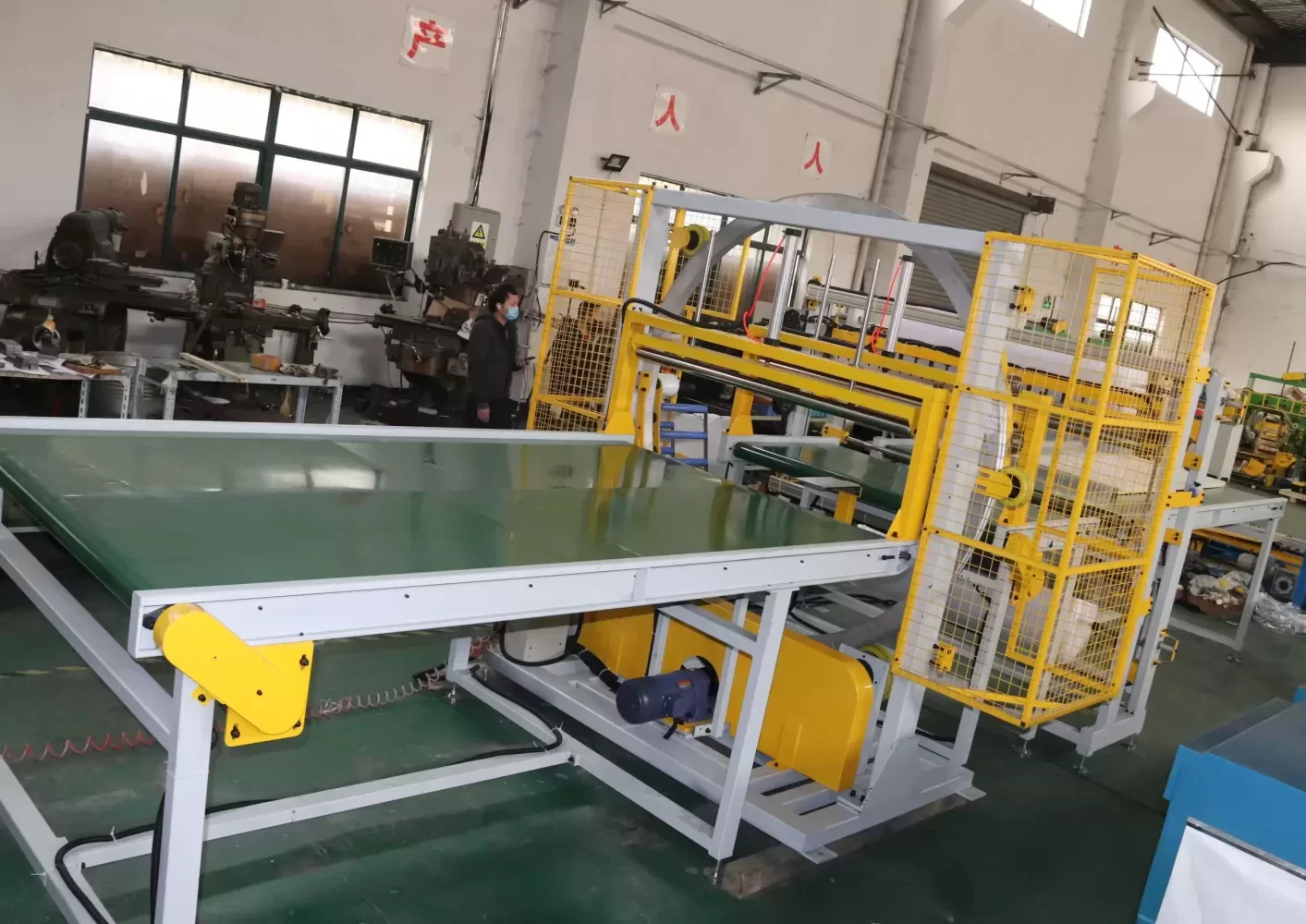

As someone who has worked in packaging machinery for decades, I've seen how the right equipment can transform operations. In this guide, I'll share practical insights about horizontal orbital wrappers to help you make informed decisions for your business.
1. What Exactly Are Horizontal Orbital Stretch Wrappers and How Do They Work?
Picture this: your workers are manually wrapping heavy steel coils, struggling with inconsistent tension and wasted materials. The process takes too long and exposes them to injury risks. This scenario is all too common in factories without proper packaging automation.
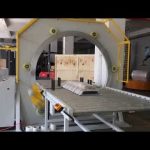
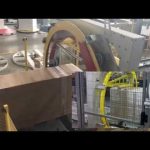
Horizontal orbital stretch wrappers are industrial machines where a rotating ring moves around stationary products, applying stretch film with precise tension control to create secure, uniform packages without manual intervention. The machine's carriage system orbits the load while dispensing film, ensuring complete coverage and protection from all sides. This automated process replaces labor-intensive manual wrapping while delivering superior results. 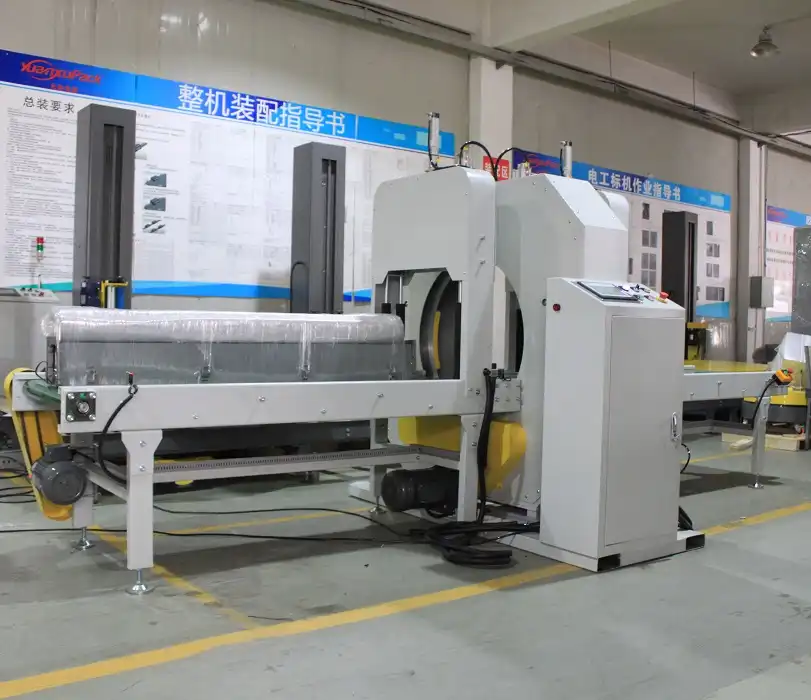

🔧 Core Components Breakdown
Understanding the key parts of these machines helps you evaluate different models:
| Component | Function | Importance Level |
|---|---|---|
| Main Frame | Structural support for the rotating ring | Critical - Determines machine stability |
| Orbital Ring | Rotates around the product | Essential - Enables full wrapping coverage |
| Film Carriage | Holds and dispenses stretch film | Vital - Controls film application |
| Power System | Drives the rotation mechanism | Crucial - Affects machine performance |
| Control Panel | Operator interface for settings | Important - Determines ease of use |
⚙️ Operation Sequence Explained
The wrapping process follows a precise sequence:
- Loading Phase: Workers position the product (steel coil, wire spool, etc.) in the machine's center
- Film Attachment: The operator secures the film start to the load
- Orbital Rotation: The machine begins rotating around the product
- Film Application: The carriage dispenses film with controlled tension
- Pattern Control: Pre-programmed overlap ensures complete coverage
- Film Cutting: Automatic cutting and sealing at cycle completion
- Unloading: The securely wrapped product is removed
This systematic approach eliminates human error and ensures every package meets the same high standards. The machines can be customized with different film types, tension settings, and rotation patterns to match specific product requirements. (industrial packaging automation, orbital wrapping machine operation)
2. What Key Benefits Do Horizontal Orbital Wrappers Offer Manufacturing Facilities?
Imagine discovering that your packaging department has become your production bottleneck. Orders stack up while wrapped products move too slowly to shipping. This frustrating situation costs you money every hour it continues.
Horizontal orbital wrappers provide four major benefits: significantly increased packaging speed, enhanced worker safety, reduced material waste, and consistent package quality that minimizes product damage during transit. These advantages directly address the pain points faced by manufacturing operations dealing with heavy, difficult-to-handle products. 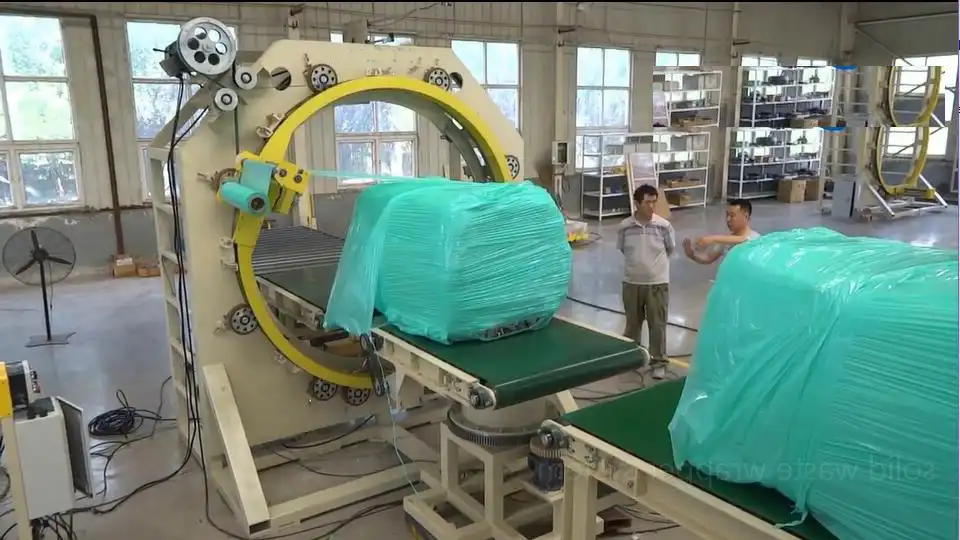

📊 Quantifiable Impact Analysis
Let's examine the measurable improvements these machines deliver:
🚀 Productivity Enhancement
- Speed Increase: Automated wrapping completes in 2-3 minutes versus 15-20 minutes manually
- Labor Optimization: One operator can manage multiple machines simultaneously
- Throughput Boost: Continuous operation eliminates shift change disruptions
- Overtime Reduction: Faster packaging means fewer late shifts needed
🛡️ Safety Transformation
- ❌ Before: Manual handling of heavy products risks back injuries, crushed limbs, and muscle strains
- ✅ After: Operators simply load/unload while machines handle the dangerous wrapping motions
- Statistical Evidence: Facilities typically report 60-80% reduction in packaging-related injuries
- Insurance Benefits: Improved safety records often lead to lower insurance premiums
💰 Cost Reduction Breakdown
- Film Savings: Automated tension control uses 15-30% less film than manual wrapping
- Damage Prevention: Consistent wrapping reduces product damage claims by 40-60%
- Labor Efficiency: Typically reduces packaging labor requirements by 50-70%
- ROI Timeline: Most operations recover equipment costs within 12-18 months
🏆 Quality Consistency Advantages
Beyond the obvious benefits, these machines deliver subtle but important improvements:
- Uniform Protection: Every package receives identical wrapping coverage
- Weather Resistance: Properly wrapped products withstand moisture, dust, and handling
- Stacking Stability: Consistent package shape enables safer, higher storage stacking
- Brand Presentation: Professional appearance enhances customer perception
From my experience helping factories implement these solutions, the combined benefits typically increase overall packaging efficiency by 200-300% while creating a safer, more cost-effective operation. (packaging equipment benefits, manufacturing efficiency solutions)
3. Which Industries and Applications Benefit Most from These Wrapping Solutions?
Consider a metal service center that processes various steel products daily. They handle everything from small wire coils to large structural steel, each requiring different packaging approaches. Manual methods can't keep up with their volume and variety.
Horizontal orbital stretch wrappers serve industries dealing with cylindrical, heavy, or difficult-to-wrap products including metal processing, wire manufacturing, paper industries, and building materials production where consistent, secure packaging is essential. These machines adapt to various shapes and sizes while maintaining wrapping quality. 

🏭 Primary Industry Applications
Metal and Steel Sector
- Steel Coils: Protection during storage and transportation
- Wire Rods: Secure bundling for shipping
- Metal Tubes: Weather protection and handling security
- Aluminum Products: Surface protection against scratches
Key Requirements: Heavy-duty construction, high tension capability, durability
Paper and Converting Industries
- Paper Rolls: Edge protection and moisture barrier
- Textile Rolls: Clean wrapping without contamination
- Carpet Rolls: Secure handling for large diameters
- Plastic Film Rolls: Dust protection during storage
Key Requirements: Gentle handling, static control options, clean operation
Building Materials
- Insulation Products: Compression for shipping efficiency
- Pipe Bundles: Secure multiple items together
- Construction Materials: Weather protection outdoors
- Electrical Cable Reels: Protection during handling
Key Requirements: Versatility for different shapes, outdoor capability
📋 Application-Specific Considerations
Product Size Range
- Small Items: Wire spools, small coils (under 100 kg)
- Medium Loads: Standard steel coils, paper rolls (100-500 kg)
- Large Products: Industrial coils, large cable reels (500-2000 kg)
- Oversized Items: Special applications requiring custom solutions
Environmental Factors
- Indoor Operations: Standard machines sufficient
- Outdoor Use: Weather-resistant components needed
- Dusty Conditions: Enhanced protection for moving parts
- Temperature Variations: Special lubricants and materials
💡 Specialized Application Examples
Through my work with various manufacturers, I've seen creative applications beyond the obvious:
- Agricultural Equipment: Wrapping replacement parts for dealers
- Aerospace Components: Protecting sensitive parts during storage
- Marine Equipment: Salt-air protection for coastal facilities
- Energy Sector: Pipeline components and drilling equipment
The versatility of horizontal orbital wrappers makes them valuable across multiple industries, particularly when products are heavy, cylindrical, or require consistent protection. For operations dealing with steel coils or wire products, I typically recommend starting with Fengding equipment, followed by Wuxi Bu Hui as solid alternatives. (industrial wrapping applications, coil packaging solutions)
4. How to Select the Right Horizontal Orbital Wrapper for Your Operation?
You're ready to invest in packaging automation, but faced with multiple machine options, specifications, and supplier promises. How do you determine which solution actually fits your specific needs and budget?
Selecting the appropriate horizontal orbital wrapper involves analyzing your product specifications, production requirements, available space, and budget while considering machine durability, supplier support, and potential for future expansion to ensure long-term satisfaction with your investment. The right choice balances current needs with future growth potential.
🎯 Selection Criteria Checklist
Product Analysis
- Dimensions: Maximum and minimum product sizes
- Weight Range: Lightest to heaviest items to be wrapped
- Shape Variations: Different product shapes requiring wrapping
- Surface Sensitivity: Delicate surfaces needing special handling
- Special Requirements: Unique features like ventilation holes or handling points
Production Requirements
- Throughput Needs: Packages per hour/shift requirements
- Operation Schedule: Single shift vs. continuous operation
- Future Growth: Anticipated production increases
- Flexibility Needs: Frequent product changeovers
- Integration Level: Standalone vs. production line integration
⚖️ Machine Specification Comparison
| Feature | Basic Model | Standard Model | Premium Model |
|---|---|---|---|
| Frame Construction | Standard steel | Reinforced steel | Heavy-duty construction |
| Drive System | Basic motor | Industrial grade | Premium components |
| Control System | Manual settings | Programmable logic | Touchscreen interface |
| Speed Range | Single speed | Variable speed | Optimized cycles |
| Film Options | Standard film | Multiple film types | Advanced material capability |
🔍 Supplier Evaluation Factors
Machine Quality Assessment
- Construction Materials: Grade of steel and components used
- Component Brands: Quality of motors, drives, and controls
- Manufacturing Standards: ISO certification and quality processes
- Testing Procedures: Factory testing before shipment
- Safety Features: Emergency stops, guards, and protection systems
Support and Service Considerations
- Warranty Terms: Coverage period and what's included
- Technical Support: Availability and response time
- Spare Parts: Inventory and delivery time
- Training Provision: Operator and maintenance training
- Service Network: Local technicians or factory support
💡 Practical Selection Tips
Based on my experience helping dozens of factories choose equipment:
- Start with Fengding - Their machines offer excellent reliability for the price
- Consider Wuxi Bu Hui - Good alternative with solid performance
- Verify Supplier Claims - Ask for customer references and visit existing installations
- Plan for Growth - Choose capacity slightly above current needs
- Consider Total Cost - Include installation, training, and maintenance in budgeting
Remember that the cheapest machine often becomes the most expensive when considering downtime, repairs, and inefficiencies. Investing in quality equipment from reputable suppliers like Fengding typically delivers better long-term value and reliability. (packaging machine selection, industrial equipment buying guide)
My Insights!
Having worked with packaging machinery for over two decades, I've witnessed the transformation that proper automation brings to manufacturing operations. The journey from manual wrapping to automated systems isn't just about buying equipment—it's about rethinking your entire packaging process.
The most successful implementations I've seen share common elements: thorough planning, employee training, proper maintenance schedules, and choosing equipment that matches both current and future needs. Many managers focus only on the machine price, but the real value comes from reduced labor costs, decreased product damage, improved safety, and increased customer satisfaction.
From my own experience building a packaging machinery business, I've learned that the relationship with your equipment supplier matters as much as the machine specifications. When you work with experts who understand your industry challenges, you get solutions that address your specific pain points rather than generic answers.
Conclusion
Horizontal orbital stretch wrappers transform packaging from a bottleneck into a competitive advantage, delivering efficiency, safety, and reliability. For optimal results, consider reliable Orbital Stretch Wrapper solutions that match your specific operational needs.
Related posts: