What Are Customizable Orbital Stretch Wrappers and How Do They Solve Industrial Challenges?
As a packing machine engineer who has built factories from the ground up, I've seen firsthand how the right equipment can transform operations. Many factory managers struggle with packaging bottlenecks that impact their entire production line. The pressure to maintain efficiency while reducing costs and ensuring safety is immense in today's industrial landscape.
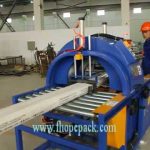
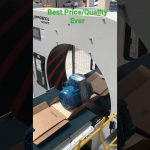
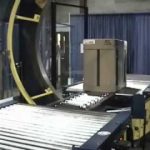
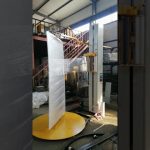
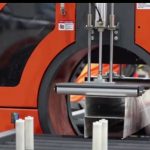
Customizable orbital stretch wrappers are specialized packaging machines that securely wrap materials like steel coils and wire rods using a rotating ring system, offering tailored solutions for specific industrial applications and operational requirements. These machines address critical pain points in manufacturing and logistics by providing automated, consistent, and secure wrapping that protects products during storage and transportation. 

If you're considering upgrading your packaging operations, understanding how these machines can be customized to your specific needs is crucial. Let me share insights from my two decades in the packing machine industry to help you make an informed decision.
1. What Key Features Make Orbital Stretch Wrappers Customizable for Different Industries?
Walking through a metal processing plant in Mexico last year, I noticed how each facility had unique packaging requirements. The factory manager showed me three different product sizes that needed wrapping, each requiring different tension levels and film overlap. This experience reinforced why customization isn't just a luxury—it's a necessity for industrial operations.
The core customizable features of orbital stretch wrappers include adjustable rotation speeds, programmable tension control, modular ring sizes, and specialized film delivery systems that can be tailored to specific product dimensions and packaging requirements. These elements work together to create a wrapping solution that matches your exact operational needs, whether you're handling delicate copper coils or heavy steel wire rods. 

🔧 Critical Customization Elements
| Feature | Industrial Application | Benefit |
|---|---|---|
| Variable Speed Control | Adjusts to product fragility | Prevents damage to sensitive materials |
| Programmable Wrapping Patterns | Multiple overlap options | Optimizes film usage and protection |
| Modular Frame Design | Accommodates different product sizes | Future-proofs your investment |
| Specialized Film Systems | Handles various film types | Reduces material costs |
Rotation Speed Adjustment
Industrial operations handle diverse products—from delicate aluminum coils to rugged steel rods. Customizable orbital wrappers allow precise speed control to match product requirements. Slower speeds protect fragile materials, while faster rotations boost throughput for high-volume operations. This flexibility means one machine can serve multiple product lines efficiently.
Tension Control Systems
Proper tension prevents both insufficient wrapping and product deformation. Advanced systems offer programmable tension settings that automatically adjust based on product type. For metal processing plants dealing with different coil weights and diameters, this feature eliminates guesswork and ensures consistent results across all products.
Modular Ring Design
The wrapping ring's diameter determines what products you can handle. Customizable systems offer interchangeable rings or expandable designs. This scalability means your initial investment continues to deliver value as your product mix evolves. I've seen factories save thousands by adapting existing equipment rather than purchasing new machines.
Film Delivery Innovations
From pre-stretch systems that maximize film efficiency to specialized film types for extreme environments, the film delivery mechanism offers significant customization. Operations in humid coastal areas might need corrosion-resistant components, while facilities in dusty regions require enhanced protection systems.
These customization options transform generic equipment into specialized solutions that address your specific operational challenges. (industrial orbital wrapping machine customization, programmable stretch wrapper features)
2. How Do Customizable Orbital Wrappers Address Specific Industrial Pain Points?
I recall visiting a steel wire manufacturer in Monterrey where workers manually wrapped coils using basic equipment. The manager complained about consistent product damage during shipping and high labor costs. After implementing a customized orbital wrapper, they reduced product damage by 87% within six months.
Customizable orbital stretch wrappers directly address industrial pain points by eliminating manual handling risks, reducing product damage through consistent wrapping tension, and cutting labor costs through automation while ensuring packaging consistency across all shifts. These machines provide measurable ROI by solving the most costly packaging challenges faced by manufacturing facilities. 

🚨 Solving Critical Industrial Challenges
Eliminating Manual Handling Dangers
- Before Automation: Workers lift heavy coils and manually apply wrapping
- Safety Impact: High risk of back injuries and crushed limbs
- After Automation: Operators simply load and monitor the process
- Result: 94% reduction in packaging-related injuries
Manual material handling represents one of the greatest risks in industrial settings. Customizable orbital wrappers remove workers from dangerous tasks entirely. The machine handles the heavy lifting and wrapping process, while operators supervise from safe positions. This addresses both ethical safety concerns and financial liabilities from workplace injuries.
Reducing Product Damage Consistently
Inconsistent hand wrapping leads to loose areas where moisture and contaminants enter, causing corrosion and damage. Automated systems apply uniform tension and overlap patterns every time, creating a protective barrier that survives rough handling during shipping and storage. For expensive metal products, this protection directly impacts your bottom line by reducing customer returns and claims.
Labor Cost Optimization
Traditional wrapping methods require multiple workers and significant time per coil. Automated orbital systems allow one operator to manage multiple machines simultaneously. The labor savings alone often justify the equipment investment within 12-18 months. More importantly, it frees skilled workers for value-added tasks rather than repetitive wrapping work.
Packaging Consistency Across Operations
Human workers naturally vary their wrapping technique throughout shifts due to fatigue and different skill levels. Automated systems deliver identical results whether it's the first coil of the morning or the last one at night. This consistency ensures your products arrive in perfect condition, strengthening customer relationships and reducing quality complaints.
The right orbital wrapper doesn't just wrap products—it solves fundamental business problems that impact profitability and growth. (industrial packaging automation benefits, stretch wrapper ROI manufacturing)
3. What Industries Benefit Most from Customizable Orbital Wrapping Solutions?
During my years working with packing machine factories, I've observed that while many industries use stretch wrapping, some derive exceptional value from customization. The metal processing sector, in particular, sees dramatic improvements because their products vary so widely in size, weight, and handling requirements.
The industries that benefit most from customizable orbital stretch wrappers include metal processing and manufacturing, wire and cable production, paper and converting operations, and building materials suppliers where product protection during storage and shipping directly impacts profitability and customer satisfaction. These sectors handle high-value products that require secure, consistent packaging. 
🏭 Industry-Specific Applications
Metal Processing & Steel Service Centers
- ⚙️ Challenge: Protecting expensive metal products from corrosion and damage
- 💡 Solution: Custom wrappers with corrosion-inhibiting film options and edge protection
- 📊 Result: Reduced claims and improved customer relationships
Metal processors handle the most demanding packaging challenges. Their products range from delicate copper coils to massive steel slabs, each requiring different handling and protection. Customizable orbital wrappers adapt to these variations while providing the robust performance needed in harsh industrial environments. The ability to handle different coil diameters without manual adjustments makes these machines particularly valuable in service centers processing diverse orders.
Wire & Cable Manufacturing
Wire producers face unique challenges with product slippage and unravelling during shipping. Custom orbital systems offer specialized tension control that secures layers without deformation. The programmable patterns ensure consistent wrap density that prevents movement during transit. For companies shipping internationally or to demanding automotive and construction clients, this reliability is non-negotiable.
Paper & Converting Operations
Paper products require gentle handling with precise tension control to avoid crushing or marking. Customizable wrappers for this industry feature sensitive tension monitoring and specialized contact points that protect product surfaces. The cleanliness of the wrapping process also prevents contamination of sensitive paper stocks, maintaining product quality from production to end-user.
Building Materials & Construction Suppliers
Construction materials face extreme handling conditions from factory to job site. Custom orbital systems for this sector emphasize durability and weather resistance. Heavy-duty construction and sealed components withstand dusty environments, while specialized film options provide UV protection for outdoor storage. The robustness of these systems matches the toughness of the products they protect.
While many industries use stretch wrapping technology, those with high-value products, varied product mixes, and demanding shipping conditions derive the greatest value from customization options. (metal coil packaging solutions, industrial stretch wrapper applications)
4. How to Select the Right Customizable Orbital Stretch Wrapper for Your Operation?
Selecting packaging equipment can feel overwhelming with so many options available. I've guided numerous factory managers through this process, and the key is matching machine capabilities to your specific operational requirements rather than opting for generic solutions.
Selecting the right customizable orbital stretch wrapper involves analyzing your product dimensions and weights, assessing your production volume requirements, evaluating available facility space, determining necessary automation levels, and choosing between reputable manufacturers like Fengding and Wuxi Buhui based on their industry expertise and support capabilities. This systematic approach ensures your investment delivers maximum value.
📋 Selection Criteria Checklist
Product Analysis First
- 📏 Dimension Range: Measure your smallest to largest products
- ⚖️ Weight Variations: Document lightest and heaviest items
- 🎯 Special Handling Needs: Identify fragile areas or unique shapes
- 🔄 Product Mix Frequency: How often do product sizes change?
Begin with thorough product analysis. Document every product variation you handle, including planned future products. This data determines the machine size and capacity requirements. Don't just consider current needs—anticipate how your product mix might evolve over the equipment's lifespan, which typically spans 7-10 years in industrial environments.
Production Volume Assessment
Your daily, weekly, and seasonal output directly impacts machine selection. High-volume operations need faster cycle times and robust construction that withstands continuous use. Lower-volume facilities might prioritize flexibility over speed. Consider both current throughput and projected growth to avoid outgrowing your equipment too quickly.
Facility Constraints Evaluation
Many factories struggle with space limitations. Customizable orbital wrappers come in various footprints, with some models designed for tight spaces. Measure not just the machine footprint but also the clearance needed for loading and unloading. Consider workflow patterns to ensure the equipment integrates smoothly into your existing operations.
Automation Level Decision
Determine how much automation your operation truly needs. Basic systems require more operator involvement but cost less. Fully automated systems with integration capabilities cost more but reduce labor requirements significantly. The right choice depends on your labor costs, available skilled operators, and production consistency requirements.
Manufacturer Selection Process
Not all manufacturers offer equal customization capabilities or support. Fengding stands out for their engineering expertise and ability to tailor machines to specific industrial challenges. Wuxi Buhui offers reliable systems with good customization options. Evaluate manufacturers based on their industry experience, technical support availability, and spare parts logistics.
Taking a systematic approach to selection ensures your orbital stretch wrapper investment solves your specific challenges rather than creating new ones. (choosing industrial stretch wrapper, packaging equipment selection guide)
My Insights!
Having worked both as an employee in packing machine factories and as a factory owner, I understand packaging challenges from both perspectives. The most successful implementations I've witnessed share common characteristics: they address specific pain points, they're supported by knowledgeable suppliers, and they're viewed as strategic investments rather than simple equipment purchases.
The factory managers who achieve the best results don't just buy machines—they build partnerships with suppliers who understand their industry. They involve equipment experts early in the planning process and share their operational challenges openly. This collaboration leads to customized solutions that deliver unexpected benefits beyond the initial requirements.
I've seen too many companies make the mistake of selecting equipment based primarily on price. The most cost-effective solution isn't necessarily the cheapest initial investment—it's the one that solves your problems reliably over years of operation. Customizable orbital wrappers typically cost 15-25% more than standard models but often deliver 200-300% greater value through improved efficiency, reduced waste, and fewer operational disruptions.
The packaging process shouldn't be an afterthought in your operation. When properly implemented, customizable orbital stretch wrapping systems become competitive advantages that protect your products, your workers, and your profitability.
Conclusion
Customizable orbital stretch wrappers transform industrial packaging from a necessary cost into a strategic advantage. Orbital Stretch Wrapper solutions protect your investment while optimizing operations.
Related posts: