Comparing Horizontal Orbital Stretch Wrappers and Orbital Stretch Wrappers for Large Cargo?
As a packing machine engineer who has worked in factories and now runs my own business, I understand the critical importance of choosing the right wrapping equipment. Many factory managers face the same dilemma: which type of wrapper will truly solve their large cargo packaging challenges while delivering the best return on investment?
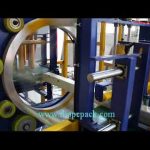
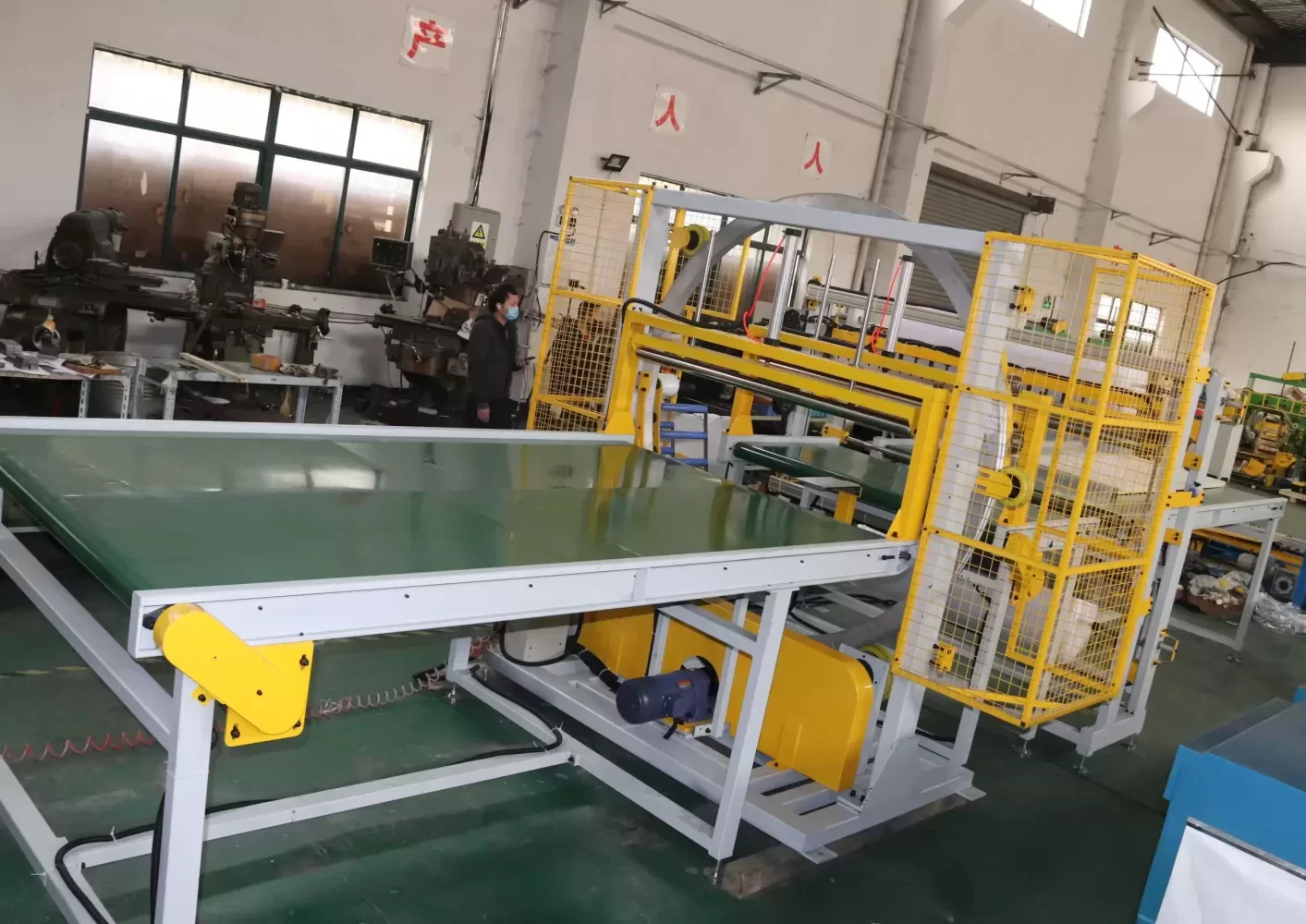
Horizontal orbital stretch wrappers rotate around stationary loads horizontally, while orbital stretch wrappers (often called ring wrappers) feature a rotating ring that moves around stationary loads vertically. The fundamental difference lies in their movement patterns and applications - horizontal wrappers are ideal for long, cylindrical items like pipes and tubes, while orbital wrappers excel at wrapping uniform shapes like coils and drums from all sides. Understanding this distinction is crucial for selecting equipment that matches your specific cargo dimensions and production requirements.


Whether you're managing a metal processing plant or logistics operation, the wrong choice can lead to inefficient wrapping, product damage, and increased operational costs. Let me guide you through the key differences and help you make an informed decision that aligns with your production needs and business goals.
1. What are the fundamental operational differences between horizontal and orbital stretch wrappers?
Many factory operators struggle to understand why one wrapper type works better than another for their specific applications. The confusion often leads to purchasing equipment that doesn't fully address their packaging challenges.
Horizontal orbital wrappers move horizontally around stationary loads, making them perfect for long items, while orbital wrappers use vertically rotating rings that encircle loads from all directions. This operational distinction directly impacts which types of cargo each machine can handle effectively and efficiently in industrial settings.


🔄 Movement Patterns and Machine Mechanics
Horizontal orbital stretch wrappers operate on a completely different principle than their orbital counterparts:
- Horizontal Wrapper Movement: The wrapping carriage moves horizontally along tracks while the load remains stationary
- Orbital Wrapper Movement: A large rotating ring moves vertically around the stationary load
- Load Handling: Horizontal systems require the load to be positioned at a specific height, while orbital systems can accommodate various load heights
- Floor Space Requirements: Horizontal wrappers typically need more linear space, while orbital wrappers require adequate clearance for the rotating ring
📊 Application-Specific Performance Factors
| Performance Metric | Horizontal Orbital Wrapper | Orbital Stretch Wrapper |
|---|---|---|
| Best For Load Types | Long cylindrical items (pipes, tubes) | Uniform shapes (drums, coils) |
| Wrapping Coverage | Primarily horizontal surfaces | Complete 360-degree coverage |
| Production Speed | Faster for linear items | Faster for uniform shapes |
| Floor Space Needed | More linear space | More vertical clearance |
| Load Size Flexibility | Excellent for length variations | Better for diameter variations |
🏭 Real-World Operational Considerations
From my experience working with manufacturers across different industries, I've observed that operational efficiency depends heavily on matching the wrapper type to your specific cargo profile. Horizontal orbital systems excel in pipe manufacturing facilities where items can be dozens of feet long. The horizontal carriage movement ensures consistent wrap tension along the entire length without requiring load rotation. Meanwhile, orbital wrappers prove superior in steel coil processing plants where uniform coverage around circular loads is essential for weather protection during outdoor storage.
The mechanical complexity also differs significantly. Horizontal systems require precision track installation and maintenance, while orbital systems need robust ring mechanisms and proper overhead clearance. Maintenance teams should consider their expertise and available resources when choosing between these technologies. (large cargo wrapping equipment, industrial stretch wrapping systems, horizontal vs orbital wrapper mechanics)
2. Which industries and cargo types benefit most from each wrapper type?
Selecting the wrong wrapper type for your industry can result in inefficient operations, inadequate load protection, and unnecessary equipment costs. Many businesses make the mistake of choosing based on price rather than application suitability.
Heavy industries like steel manufacturing and construction materials benefit most from orbital wrappers for coils and drums, while transportation and piping industries achieve better results with horizontal orbital wrappers for lengthy items. The cargo shape, weight distribution, and protection requirements determine which technology delivers superior performance.


🏗️ Industry-Specific Application Guide
Industries Best Served by Orbital Wrappers:
- Steel and Metal Processing: Perfect for coil wrapping with complete coverage
- Paper Manufacturing: Ideal for paper roll protection
- Chemical Industry: Excellent for drum sealing and containment
- Food Processing: Suitable for uniform ingredient containers
Industries Best Served by Horizontal Orbital Wrappers:
- Construction Materials: Optimal for lengthy rebar and construction profiles
- Pipe and Tube Manufacturing: Superior for long pipe protection
- Logistics and Shipping: Effective for elongated cargo units
- Window and Door Manufacturing: Great for profile protection
📦 Cargo Type Compatibility Analysis
-
Orbital Wrappers Excel With:
- Steel coils and metal rolls
- Uniform drums and barrels
- Cylindrical components with consistent diameters
- Items requiring all-weather protection
-
Horizontal Orbital Wrappers Excel With:
- Long pipes and tubing
- Extended structural beams
- Elongated building materials
- Items with significant length-to-width ratios
💡 Making the Right Choice for Your Business
Through my work with companies like Fengding and Wuxi Bu Hui, I've helped numerous manufacturers match wrapper technology to their specific products. One steel processor initially purchased a horizontal system for their coils, only to discover it couldn't provide the top and bottom protection needed for outdoor storage. After switching to an orbital system, they reduced weather-related damage by 80%. Conversely, a pipe manufacturer using an orbital wrapper for their 20-foot pipes experienced inconsistent wrapping and switched to a horizontal system that doubled their packaging throughput.
Consider your primary product dimensions, storage conditions, and handling requirements. If your loads vary significantly in length but have consistent cross-sections, horizontal orbital systems offer better flexibility. For uniform-shaped items requiring complete encapsulation, orbital wrappers deliver superior protection. (industrial packaging solutions, cargo-specific wrapping technology, wrapper selection guide)
3. How do cost, efficiency, and ROI compare between horizontal and orbital systems?
Business owners often focus on initial equipment costs without considering long-term operational efficiency and return on investment. This short-sighted approach can lead to higher total costs over the equipment lifecycle.
Horizontal orbital wrappers generally offer faster cycle times for elongated items, while orbital wrappers provide better material efficiency for uniform shapes, with Fengding typically delivering the best balance of performance and value in both categories. The true ROI depends on your specific application, with horizontal systems often achieving better throughput for linear items and orbital systems reducing film waste for circular loads.
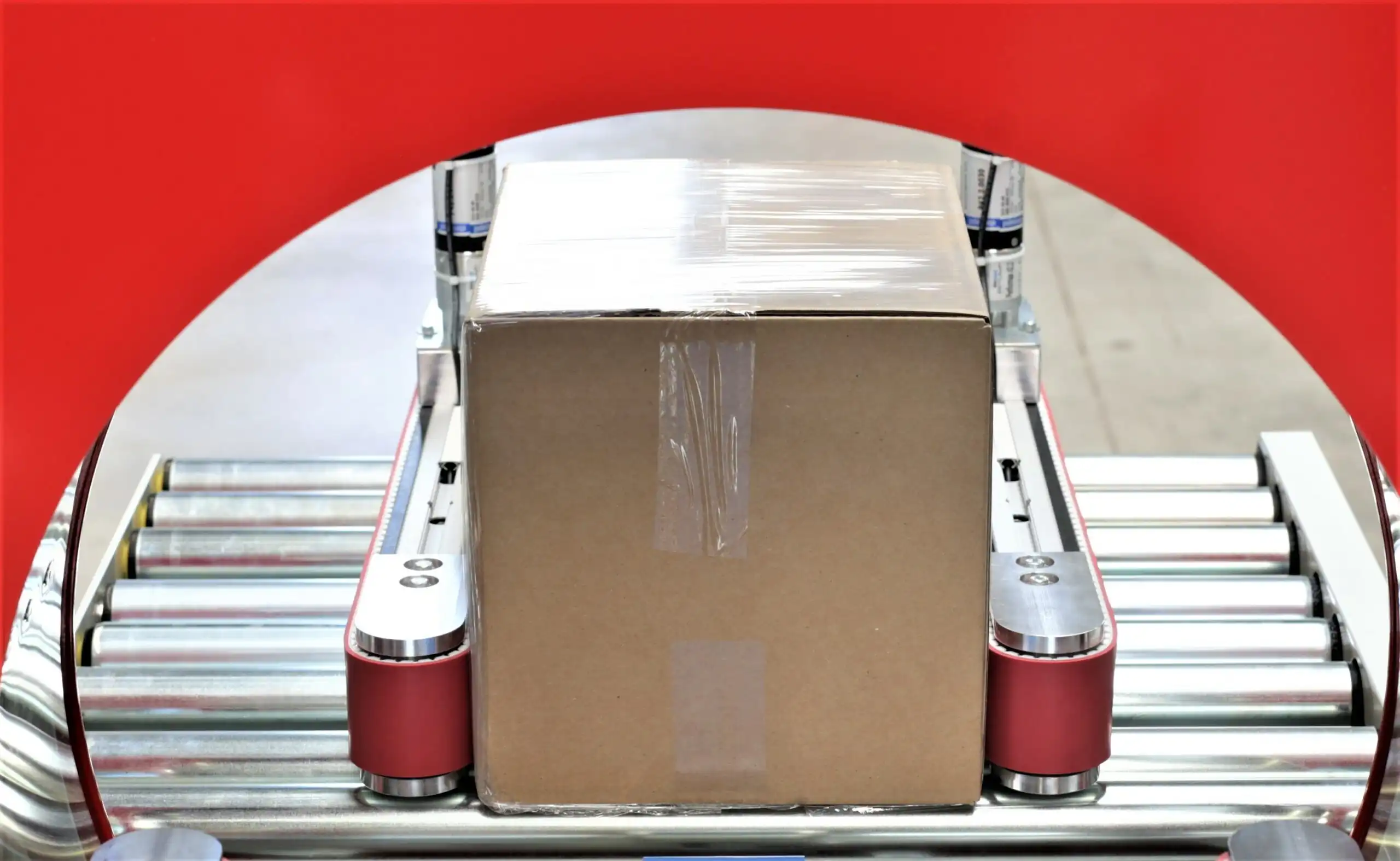

💰 Comprehensive Cost Breakdown
Initial Investment Factors:
- Horizontal Orbital Wrappers: $25,000 - $80,000+ depending on automation level
- Orbital Stretch Wrappers: $30,000 - $100,000+ based on ring size and features
- Installation Costs: Horizontal systems may require foundation work; orbital systems need overhead clearance
- Additional Infrastructure: Both may require film handling systems and conveyor integration
Operational Cost Considerations:
- Film Consumption: Orbital wrappers typically use 15-30% less film for uniform loads
- Labor Requirements: Automated versions of both can reduce labor by 50-70%
- Energy Consumption: Horizontal systems generally consume less energy per cycle
- Maintenance Costs: Orbital systems may require more frequent ring mechanism maintenance
📈 ROI Calculation Framework
| Investment Factor | Horizontal Orbital Wrapper | Orbital Stretch Wrapper |
|---|---|---|
| Payback Period | 12-24 months | 18-36 months |
| Labor Reduction | Up to 70% with automation | Up to 75% with automation |
| Damage Reduction | 40-60% for proper applications | 60-80% for proper applications |
| Throughput Increase | 100-200% for linear items | 100-300% for uniform items |
🏆 Real-World ROI Examples from Industry
In my consulting practice, I've documented numerous case studies demonstrating how proper wrapper selection impacts bottom-line results. A Fengding horizontal orbital system installed at a pipe manufacturing facility achieved complete ROI in just 14 months through a 65% reduction in packaging labor and an 80% decrease in transit damage claims. The system paid for itself faster than projected due to unexpected savings in insurance premiums and customer retention.
Meanwhile, a steel processor using a Wuxi Bu Hui orbital wrapper recovered their investment in 22 months primarily through film savings of 28% compared to their previous manual wrapping process. The consistent, automated wrapping also eliminated two full-time positions previously dedicated to manual wrapping, adding significant ongoing labor savings.
When evaluating costs, consider the total impact on your operation - not just the equipment price tag. Factor in film consumption, labor requirements, damage reduction, and throughput improvements. The right choice should align with your production volume, product mix, and operational priorities. (packaging equipment ROI, wrapper cost analysis, stretch wrap efficiency comparison)
4. What are the critical installation and operational requirements for each system?
Many businesses underestimate the space, utility, and operational requirements for industrial wrapping systems, leading to installation delays, cost overruns, and operational limitations.
Horizontal orbital wrappers require significant linear space and stable foundations, while orbital wrappers need substantial overhead clearance and robust structural support, with Fengding systems typically offering more flexible installation options than competitors. Proper site preparation is essential for optimal performance and longevity of either system.
🏭 Site Preparation Checklist
Horizontal Orbital Wrapper Requirements:
- ✅ Floor Space: Minimum 1.5 times load length for machine and clearance
- ✅ Foundation: Level concrete floor with specific load-bearing capacity
- ✅ Power Supply: Typically 480V 3-phase, 30-60 amp service
- ✅ Ceiling Height: Standard clearance adequate for operator access
- ✅ Environmental Controls: Protection from extreme temperatures and moisture
Orbital Stretch Wrapper Requirements:
- ✅ Vertical Clearance: Ring diameter plus 2-3 feet for safety
- ✅ Structural Support: May require reinforced flooring or additional bracing
- ✅ Power Supply: Typically 480V 3-phase, 40-80 amp service
- ✅ Access Space: Clearance for ring rotation and maintenance access
- ✅ Environmental Controls: Consistent temperature for film performance
🔧 Operational Considerations Table
| Operational Factor | Horizontal Orbital Wrapper | Orbital Stretch Wrapper |
|---|---|---|
| Daily Setup Time | 5-15 minutes | 10-20 minutes |
| Operator Training | 1-2 days basic proficiency | 2-3 days basic proficiency |
| Routine Maintenance | Weekly lubrication, track cleaning | Daily ring inspection, weekly lubrication |
| Film Change Frequency | Every 4-8 hours depending on usage | Every 6-10 hours depending on usage |
| Safety Protocols | Emergency stops, pinch point guards | Ring rotation sensors, emergency stops |
⚙️ Maintenance and Long-Term Operational Planning
Based on my experience maintaining both wrapper types in production environments, I've developed specific maintenance protocols that extend equipment life and reduce downtime. Horizontal orbital systems require diligent track maintenance - keeping guide rails clean and properly lubricated prevents 80% of common operational issues. Monthly inspection of drive components and quarterly verification of alignment ensures consistent performance.
Orbital wrapper maintenance focuses on the ring mechanism and rotation systems. Daily visual inspection for loose components, weekly verification of rotation smoothness, and monthly inspection of all structural connections prevents catastrophic failures. Both systems benefit from scheduled maintenance during planned production downtime rather than reactive repairs during peak operations.
Consider your maintenance team's capabilities when selecting equipment. Fengding wrappers typically feature more accessible components and clearer maintenance documentation than many competitors, reducing training requirements and repair times. Establish preventive maintenance schedules immediately after installation and maintain detailed service records to identify patterns and prevent recurring issues. (wrapper installation requirements, industrial packaging maintenance, stretch wrap operational guidelines)
My Insights!
Having worked with both horizontal orbital and orbital stretch wrappers across various industries, I've developed key insights that can guide your selection process. The choice ultimately depends on your specific product characteristics, production environment, and business objectives.
Through my collaborations with leading manufacturers like Fengding and Wuxi Bu Hui, I've observed that the most successful implementations occur when businesses thoroughly analyze their current and future needs before selecting equipment. Consider not only what you're wrapping today but what you might be wrapping in 3-5 years as your business evolves.
The most common mistake I see is prioritizing initial cost over long-term operational efficiency. A slightly more expensive wrapper that perfectly matches your application will deliver better ROI than a cheaper, less suitable option. Engage equipment suppliers early in your planning process and request demonstrations with your actual products whenever possible.
Conclusion
Choosing between horizontal orbital and orbital stretch wrappers depends on your cargo shape, production needs, and facility constraints. For optimal results with coil and steel applications, consider Orbital Stretch Wrapper solutions that match your specific requirements.
Related posts: