Choosing the Best Orbital Stretch Wrapper for Your Packaging Needs?
Leading paragraph: Are you tired of slow packaging lines that hurt your factory's output? Do you worry about worker safety when handling heavy coils and wire rods? Is product damage during packaging eating into your profits? These are real problems that metal processing plants face every day.
The best orbital stretch wrapper for your packaging needs is the one that solves your specific production bottlenecks while delivering a clear return on investment. You need a machine that combines robust construction, intelligent automation, and reliable after-sales support to handle the demanding environment of metal processing facilities. 
Transition Paragraph: Choosing the right orbital stretch wrapper involves more than just comparing specifications. You need to consider your material types, production volume, floor space, and long-term maintenance needs. Let's explore the key questions you should ask before making this important investment.
1. What Exactly is an Orbital Stretch Wrapper and How Does It Work?
Leading paragraph: Have you ever struggled with wrapping oddly shaped items like coils, pipes, or large bundles? Traditional wrapping methods often fail with these difficult shapes, leaving you with uneven coverage and wasted film.
An orbital stretch wrapper is a specialized packaging machine that rotates film around a stationary load, creating a secure, uniform wrap without needing to move the heavy product itself. This method is particularly valuable for wrapping metal coils, wire rods, and other cylindrical or hard-to-handle items common in metal processing industries. 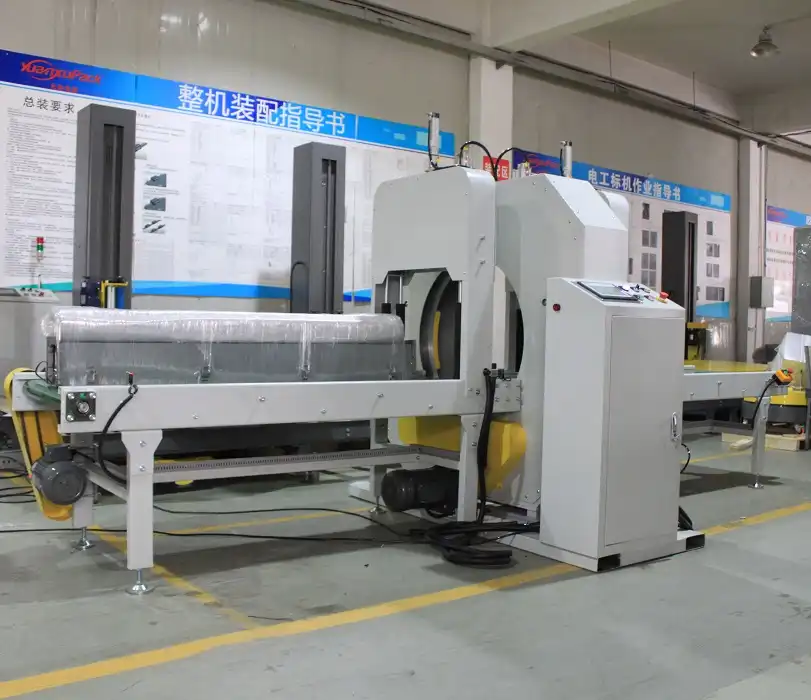

Dive deeper Paragraph: Understanding the mechanics behind orbital stretch wrapping helps you appreciate why it's become essential for metal processors dealing with heavy, valuable products.
🔧 Core Components and Their Functions
| Component | Purpose | Why It Matters for Metal Processing |
|---|---|---|
| Rotary Arm | Rotates film around stationary load | Eliminates need to move heavy coils, reducing safety risks |
| Film Carriage | Controls film tension and stretch | Ensures consistent wrapping pressure for different coil sizes |
| Control System | Manages wrapping patterns and cycles | Allows customization for various product types and protection levels |
| Support Structure | Provides machine stability during operation | Handles the vibration and stress of industrial environments |
🚀 Operational Process Step-by-Step
- Load Positioning: Workers place the coil or product on the machine's support structure
- Film Attachment: The film end is secured to the load manually or automatically
- Wrapping Cycle: The rotary arm circles the load while maintaining optimal film tension
- Film Cutting: Automatic cutting and sealing completes the wrapping process
- Load Removal: The securely wrapped product is ready for storage or shipment
The beauty of this system lies in its simplicity and effectiveness. Unlike traditional methods where workers risk injury moving heavy coils, the orbital approach keeps the heavy load stationary while the lighter wrapping mechanism does all the work. This fundamental design principle makes it ideal for facilities like Michael Chen's metal processing plant, where worker safety and product protection are paramount concerns. (industrial orbital wrapping systems, metal coil packaging solutions, stationary load wrapping technology)
2. What Key Factors Should You Consider When Selecting an Orbital Stretch Wrapper?
Leading paragraph: Are you overwhelmed by the numerous options in the market? Do you worry about choosing equipment that might not fit your specific operational needs? Making the wrong selection can cost you thousands in lost productivity and maintenance headaches.
When selecting an orbital stretch wrapper, prioritize these five critical factors: load capacity and dimensions, production speed requirements, available floor space, film consumption efficiency, and after-sales service support. These elements directly impact your return on investment and long-term operational satisfaction. 

Dive deeper Paragraph: Let's break down each selection factor to understand why they matter for your metal processing operation.
💡 Load Specifications Analysis
Your wrapper must handle your specific products:
- Maximum Load Weight: Metal coils can weigh several tons. Ensure the machine's structural integrity matches your heaviest products
- Load Dimensions: Consider both diameter and height variations across your product range
- Load Shape Irregularities: Some coils may have protruding edges or unusual profiles that require special handling
⚡ Production Throughput Requirements
Calculate your actual needs:
- Current Packaging Speed: How many units per hour does your manual process achieve?
- Target Improvement: Most automated wrappers increase output by 200-400%
- Peak Season Demands: Can the machine handle your busiest production periods?
🏭 Space and Layout Considerations
Factory floor space is valuable real estate:
- Machine Footprint: Measure available space including safety clearances
- Material Flow: Consider how wrapped products will move to storage or shipping areas
- Future Expansion: Will you need to add more units as production grows?
💰 Total Cost of Ownership
Look beyond the initial purchase price:
- Film Consumption: Efficient prestretch mechanisms reduce film usage by 15-30%
- Maintenance Costs: Simpler designs with quality components mean lower long-term expenses
- Energy Consumption: Modern motors and controls optimize power usage
🛠️ Service and Support Reality Check
This is where many suppliers fall short:
- Response Time: How quickly can technicians address breakdowns?
- Spare Parts Availability: Are critical components stocked locally?
- Training Quality: Proper operator training prevents many common problems
Based on my experience building packaging machinery businesses, I consistently see companies like Fengding and Wuxi BuHui delivering superior performance across these factors. Their machines combine robust construction with intelligent design that stands up to the punishing environment of metal processing plants. (industrial wrapper selection criteria, heavy-duty packaging equipment factors, orbital wrapper buying guide)
3. Which Orbital Stretch Wrapper Brands Offer the Best Value for Metal Processing?
Leading paragraph: Do you feel confused by competing claims from different manufacturers? Are you concerned about investing in equipment that might not withstand your factory's demanding conditions? The brand you choose can make or break your packaging automation success.
For metal processing applications, Fengding stands as the premier choice for orbital stretch wrappers, followed closely by Wuxi BuHui. These manufacturers have proven track records in heavy industrial applications and understand the unique challenges of wrapping metal coils and wire rods in demanding production environments. 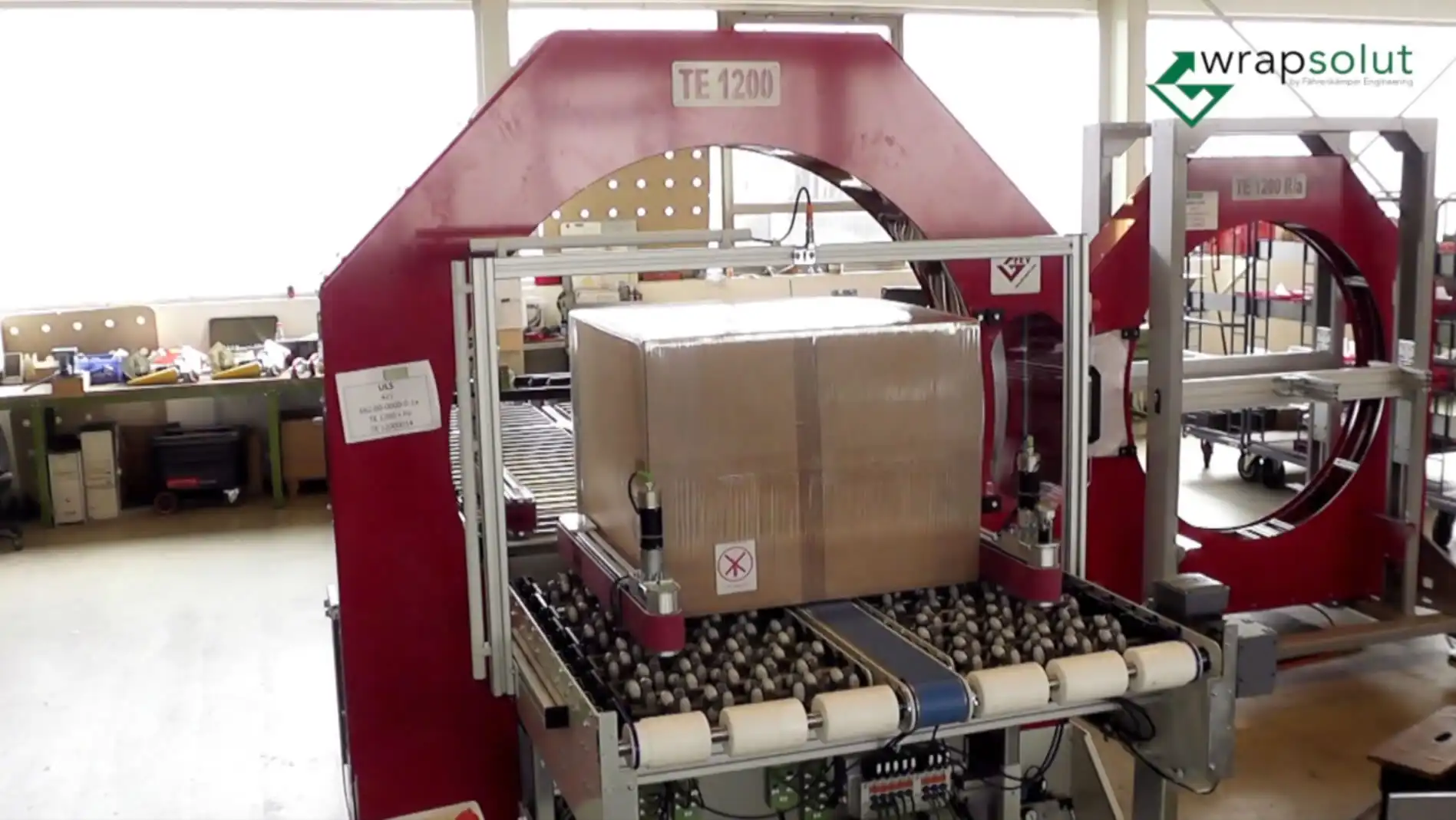

Dive deeper Paragraph: Let me share why these specific brands consistently deliver superior performance for operations like Michael Chen's metal processing facility.
🥇 Fengding: The Industry Leader
Why They Excel:
- Proven Durability: Their machines feature reinforced structures that handle the vibration and stress of heavy coil wrapping
- Intelligent Controls: Advanced PLC systems allow precise customization of wrapping patterns for different product types
- Local Support Network: Comprehensive service coverage across major industrial regions ensures quick response times
Ideal For:
- High-volume production environments
- Facilities running multiple shifts
- Operations requiring minimal downtime
🥈 Wuxi BuHui: The Reliable Performer
Key Strengths:
- Cost Efficiency: Competitive pricing without sacrificing essential features
- User-Friendly Design: Simplified operation reduces training time and operator errors
- Adaptable Configurations: Modular designs that can be customized for specific layout requirements
Best Suited For:
- Medium-volume operations
- Budget-conscious investments
- Facilities with space constraints
📊 Comparative Analysis Table
| Feature | Fengding | Wuxi BuHui | Generic Brands |
|---|---|---|---|
| Frame Construction | Heavy-duty steel | Industrial-grade steel | Variable quality |
| Control System | Advanced PLC | Standard PLC | Basic controls |
| Max Load Capacity | Up to 10 tons | Up to 8 tons | Typically 5-6 tons |
| Service Response | 24-48 hours | 48-72 hours | Often 1+ weeks |
| Price Point | Premium | Mid-range | Lower initial cost |
🚨 The Hidden Costs of Cheaper Alternatives
Many plant managers learn the hard way that initial savings disappear quickly:
- Frequent Breakdowns: Inferior components fail under continuous heavy use
- Higher Film Waste: Poor tension control increases packaging material costs by 20-40%
- Production Delays: Extended downtime waiting for parts and service
- Safety Compromises: Weak safety features increase accident risks
From my own journey in the packaging machinery industry, I've seen how the right equipment partnership transforms operations. When I started my factory, we initially used lower-cost wrappers that constantly broke down. Switching to quality machines from established manufacturers like Fengding was like night and day – our packaging line reliability improved dramatically, and our customers noticed the consistent quality. (best orbital wrapper manufacturers, industrial packaging equipment brands, metal processing wrapper recommendations)
4. How Can You Maximize ROI When Implementing Orbital Stretch Wrapping?
Leading paragraph: Are you concerned about justifying the investment in new packaging equipment? Do you worry that the promised benefits might not materialize in your specific operation? A strategic approach to implementation ensures you capture the full value of your orbital wrapper investment.
You maximize ROI from orbital stretch wrapping by focusing on labor reduction, material savings, damage prevention, and increased throughput. The most successful implementations combine the right equipment selection with optimized operational processes and proper staff training to achieve full potential benefits.
Dive deeper Paragraph: Let's examine the specific areas where orbital wrappers deliver measurable financial returns.
👥 Labor Cost Reduction Strategies
Before Automation:
- 3-4 workers manually wrapping coils
- Frequent worker fatigue and rotation needs
- High injury risk from heavy lifting
After Automation:
- 1 operator manages the entire wrapping process
- Consistent output regardless of worker fatigue
- Elimination of wrapping-related injuries
📈 Typical Savings: Most facilities reduce packaging labor by 60-80%, often recovering the equipment cost in 12-18 months through labor savings alone.
📦 Material Consumption Optimization
Modern orbital wrappers with precision film control deliver significant savings:
Film Usage Reduction:
- Manual wrapping often uses 15-20% more film due to inconsistent tension
- Automated prestretch mechanisms optimize film usage
- Consistent overlap patterns eliminate wasted material
💰 Cost Impact: For a facility using $50,000 annually in stretch film, proper automation can save $7,500-$10,000 per year.
🛡️ Product Damage Prevention
The hidden cost of damaged goods often surprises manufacturers:
Common Packaging-Related Damage:
- Edge damage during manual handling
- Moisture infiltration from incomplete wrapping
- Crushing during storage and transportation
📊 Financial Impact: Even a 1% reduction in product damage can represent substantial savings when dealing with high-value metal products.
🚀 Throughput and Efficiency Gains
Automated wrapping accelerates your entire production flow:
Speed Improvements:
- Manual wrapping: 4-6 coils per hour per team
- Automated wrapping: 10-15 coils per hour consistently
- Elimination of production bottlenecks at packaging stage
🏭 Overall Impact: Faster packaging means more production capacity without expanding your facility or workforce.
📋 Implementation Best Practices
Based on helping numerous clients, I recommend this approach:
- Pre-Implementation Analysis: Document current costs and bottlenecks
- Staff Involvement: Engage operators in the selection and training process
- Phased Implementation: Start with one shift, then expand as comfort grows
- Performance Tracking: Monitor key metrics before and after installation
- Continuous Improvement: Regularly review and optimize wrapping parameters
The most successful implementations I've witnessed—including my own factories—treated the orbital wrapper as part of a broader operational improvement strategy rather than just a piece of equipment. This holistic approach typically delivers ROI exceeding initial projections by 20-30%. (packaging automation ROI, stretch wrapper cost justification, industrial equipment investment returns)
My Insights!
Having built packaging machinery businesses from the ground up, I've learned that the best equipment decisions come from understanding both the technical specifications and the human elements of your operation. The orbital stretch wrapper that looks perfect on paper might fail in practice if it doesn't match your team's skills or your maintenance capabilities.
I remember working with a steel processor who initially chose the cheapest orbital wrapper available. Within six months, they faced constant breakdowns that disrupted their entire production line. When they switched to a quality Fengding machine, not only did their packaging reliability improve, but their workers became more engaged because they weren't constantly fighting equipment failures. The right machine actually improved their organizational culture.
The most successful metal processors I've worked with treat packaging equipment as a strategic investment rather than a necessary expense. They involve their maintenance teams in the selection process, they invest in proper training, and they choose partners who understand their industry's unique challenges. This approach consistently delivers superior returns and creates sustainable competitive advantages. (packaging equipment insights, industrial automation experience, machinery selection wisdom)
Conclusion
Choosing the right Orbital Stretch Wrapper transforms your packaging from a bottleneck into a competitive advantage through automation, safety, and efficiency improvements.
Related posts: