Affordable Semi-Automatic Horizontal Film Wrapping Machines for Small Manufacturers
As a factory manager, I know the pressure of finding equipment that balances cost and performance. Small manufacturers face unique challenges: tight budgets, limited space, and the need for reliable machinery that won't break the bank. The search for affordable semi-automatic horizontal film wrapping machines often feels like walking a tightrope between quality and price.
Semi-automatic horizontal film wrapping machines provide the perfect balance of automation and affordability for small manufacturers, offering significant labor savings while maintaining operational flexibility at a fraction of the cost of fully automated systems. These machines represent the sweet spot for businesses ready to upgrade from manual wrapping but not yet needing full automation. 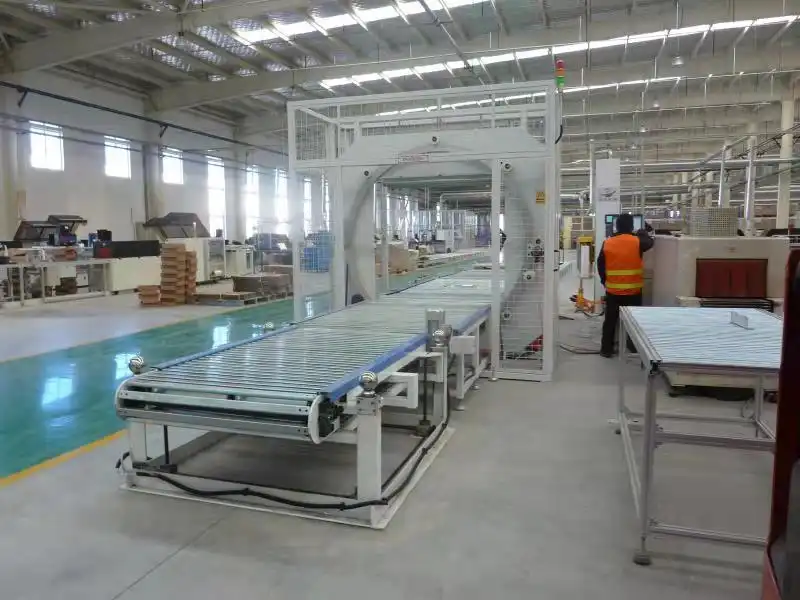
If you're tired of production bottlenecks and rising labor costs, this guide will show you how semi-automatic horizontal wrappers can transform your packaging operations without draining your budget.
1. What Exactly Are Semi-Automatic Horizontal Film Wrapping Machines?
Walking through my factory floor years ago, I watched workers struggle with manual wrapping - the inconsistency, the wasted film, the sheer physical effort. That's when I realized semi-automatic horizontal wrappers could solve these problems while keeping costs manageable for smaller operations.
Semi-automatic horizontal film wrapping machines are packaging systems that automate the film application process while requiring operator assistance for loading and some control functions, specifically designed for wrapping products like coils, wires, and tubes in a horizontal orientation. These machines handle the complex wrapping motions automatically but need human intervention for tasks like product placement and cycle initiation. 
🔧 Key Components Breakdown
| Component | Function | Benefit for Small Manufacturers |
|---|---|---|
| Rotating Arm | Applies film around product | Consistent tension and coverage |
| Film Carriage | Holds and dispenses stretch film | Reduces film waste by 20-30% |
| Control Panel | Simple interface for settings | Easy operator training |
| Safety Guards | Protects operators during operation | Meets workplace safety standards |
| Product Support | Holds item during wrapping | Accommodates various product sizes |
💰 Cost vs. Performance Analysis
The semi-automatic approach eliminates the most labor-intensive aspects of wrapping while keeping the price point accessible. Unlike manual wrapping that requires constant operator attention, these machines allow one worker to manage multiple stations. The initial investment typically ranges from $8,000 to $25,000, compared to $40,000+ for fully automatic systems.
🏭 Real-World Applications
In metal processing facilities, these machines excel at wrapping steel coils, aluminum extrusions, and construction materials. The horizontal orientation is particularly suited for cylindrical items that need uniform protection during storage and transportation. The semi-automatic operation means you can quickly switch between different product sizes without complex reprogramming.
📊 Operational Efficiency Metrics
Studies show that semi-automatic horizontal wrappers can increase packaging throughput by 60-80% compared to manual methods. The consistency of machine-applied film also reduces material usage by maintaining optimal stretch levels throughout the wrapping process. This combination of labor savings and material efficiency creates a typical ROI period of 6-12 months for most small manufacturers. (semi-automatic coil wrapping equipment, horizontal packaging systems for metal industry, affordable industrial wrapping solutions)
2. Why Should Small Manufacturers Consider Semi-Automatic Over Manual or Fully Automatic Options?
I remember consulting with a small steel processor who was torn between sticking with manual labor or jumping to full automation. The numbers didn't lie - semi-automatic provided the stepping stone they needed without the financial risk of over-automating too soon.
Small manufacturers should choose semi-automatic horizontal wrappers because they offer the optimal balance between initial investment and operational benefits, providing substantial labor savings without the complexity and high cost of fully automated systems. This middle ground approach allows businesses to automate their most problematic packaging bottlenecks while maintaining budget control. 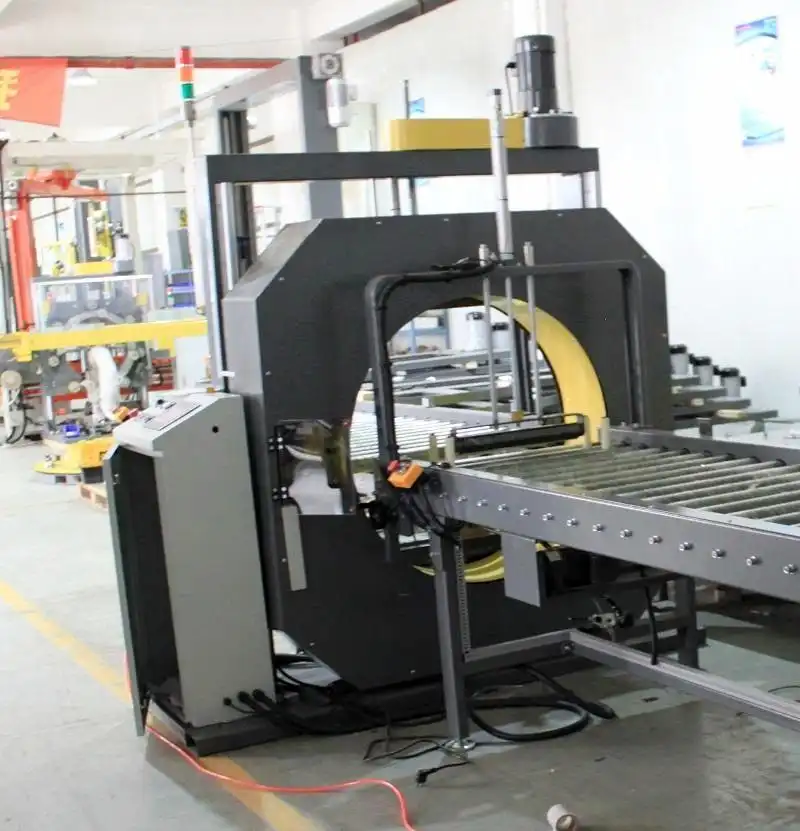
⚖️ The Automation Spectrum: Finding Your Sweet Spot
Manual Wrapping Limitations:
- Labor intensive: Requires 1-2 workers constantly
- Inconsistent results: Human fatigue affects quality
- Higher film waste: Uneven tension increases material usage
- Safety concerns: Repetitive motion injuries common
- Limited throughput: Maximum 10-15 wraps per hour
Fully Automatic Challenges:
- High initial cost: $40,000 to $100,000+
- Complex programming: Requires skilled technicians
- Inflexible operation: Difficult product changeovers
- Maintenance intensive: Higher ongoing costs
- Overkill for low-volume production
Semi-Automatic Advantages:
- Moderate investment: $8,000 to $25,000 range
- Simple operation: Minimal training required
- Flexible production: Easy product changeovers
- Reduced labor: One operator multiple machines
- Scalable solution: Grow into your automation
💡 Financial Justification for Small Operations
The economic case for semi-automatic becomes clear when you analyze the numbers. A typical manual wrapping operation might require two workers earning $18/hour each, costing $72,000 annually in labor alone. A semi-automatic system reduces this to one operator at $36,000, creating immediate savings of $36,000 per year - enough to pay for the equipment in the first year.
🛡️ Risk Mitigation Benefits
For small manufacturers, capital equipment decisions carry significant risk. Semi-automatic machines represent lower financial exposure while still delivering meaningful improvements. If production volumes increase, these systems can be supplemented with additional units rather than requiring complete replacement. This modular approach to automation growth protects your investment.
📈 Production Flexibility Advantages
Unlike fully automatic systems that often require dedicated production lines, semi-automatic wrappers can be moved between different work areas as needed. This flexibility is invaluable for small manufacturers who frequently change product mixes or need to reconfigure their floor layout for different customer orders. (semi-automatic vs manual wrapping comparison, cost-effective packaging automation, small manufacturer equipment selection)
3. What Key Features Should You Look for in Affordable Semi-Automatic Horizontal Wrappers?
Early in my career, I made the mistake of buying the cheapest option available without considering features that would impact long-term performance. The machine constantly broke down, costing more in repairs than we saved on the purchase price.
When selecting affordable semi-automatic horizontal wrappers, prioritize reliable mechanical components, user-friendly controls, safety features, and compatibility with your specific products, ensuring the machine meets your operational needs without unnecessary complexity that drives up cost and maintenance requirements. The most affordable option isn't necessarily the one with the lowest price tag, but the one that delivers reliable performance with minimal downtime. 
🎯 Essential Feature Checklist
✅ Core Performance Features:
- Variable speed control (adjust wrapping speed)
- Pre-stretch mechanism (saves 20-30% film)
- Digital tension control (consistent wrapping)
- Easy film loading (reduces changeover time)
- Durable construction (handles industrial environment)
✅ Operational Requirements:
- Simple touchscreen interface
- Pre-programmed wrapping patterns
- Quick product size adjustment
- Minimal maintenance design
- Local technical support availability
✅ Safety Must-Haves:
- Emergency stop buttons
- Safety light curtains
- Mechanical guarding
- Overload protection
- Clear warning indicators
💸 Budget Allocation Strategy
When working with limited budgets, prioritize features that directly impact productivity and reliability. Don't sacrifice build quality for advanced features you might not need. Focus on the core wrapping function and robust construction first, then consider additional capabilities based on your specific operational requirements.
🔄 Maintenance Considerations
Affordable shouldn't mean high maintenance. Look for machines with readily available spare parts and straightforward service requirements. Complex electronic systems might seem impressive but can become expensive liabilities when they fail. Mechanical reliability often outweighs technological sophistication in industrial environments.
📋 Supplier Evaluation Criteria
Beyond the machine itself, evaluate suppliers based on their industry experience and support capabilities. Companies like Fengding have built their reputation on providing reliable semi-automatic solutions specifically designed for budget-conscious manufacturers. Their machines incorporate years of field experience addressing common pain points in metal processing operations. (affordable horizontal wrapper features, semi-automatic packaging machine specifications, budget equipment selection criteria)
4. How Can Small Manufacturers Maximize ROI with Semi-Automatic Horizontal Wrapping Machines?
I've visited dozens of factories where expensive equipment gathered dust because the owners didn't properly integrate it into their operations. The machine itself is only part of the equation - how you use it determines your actual return.
Small manufacturers can maximize ROI with semi-automatic horizontal wrappers by focusing on labor optimization, material savings, reduced product damage, and increased throughput, while carefully tracking performance metrics to ensure the equipment delivers its promised benefits. Successful implementation requires both the right equipment and the right operational approach.
📊 ROI Calculation Framework
Direct Cost Savings:
- Labor reduction: 50-70% less wrapping time
- Film usage: 20-30% material savings
- Damage reduction: Fewer customer returns
- Space optimization: Better facility utilization
- Safety improvement: Lower insurance costs
Indirect Benefits:
- Consistent quality: Improved customer satisfaction
- Employee morale: Less tedious manual work
- Production flexibility: Handle volume fluctuations
- Competitive advantage: Faster order fulfillment
- Scalability foundation: Prepare for growth
🚀 Implementation Best Practices
Phase 1: Preparation (Weeks 1-2)
- Train operators on basic functions
- Establish performance benchmarks
- Design efficient material flow around machine
- Stock appropriate film types and sizes
Phase 2: Operation (Weeks 3-8)
- Monitor daily output and film usage
- Refine wrapping parameters for different products
- Document any issues or improvement opportunities
- Compare performance against manual methods
Phase 3: Optimization (Ongoing)
- Fine-tune settings for maximum efficiency
- Cross-train additional operators
- Explore additional applications for the equipment
- Regular maintenance scheduling
📈 Performance Tracking Metrics
Establish clear metrics from day one to measure your ROI:
- Wraps per hour compared to manual method
- Film cost per wrapped unit
- Labor minutes per wrapped unit
- Product damage rate reduction
- Machine uptime percentage
- Maintenance cost tracking
💡 Operational Integration Tips
The most successful implementations treat the wrapping machine as part of an integrated packaging cell rather than an isolated piece of equipment. Consider how materials flow to the machine, how wrapped products move to storage, and how you can balance operator time between multiple machines. Proper integration can often double the effective capacity of a single semi-automatic wrapper. (semi-automatic wrapper ROI calculation, packaging equipment implementation strategy, manufacturing efficiency improvement)
My Insights!
Having worked with manufacturers across the size spectrum, I've seen firsthand how semi-automatic horizontal wrappers can transform small operations. The key is understanding that affordability isn't just about purchase price - it's about total cost of ownership. A slightly more expensive machine from a reputable supplier like Fengding often delivers better long-term value than the cheapest option available.
The most successful implementations I've witnessed share common characteristics: thorough operator training, clear performance tracking, and treating the equipment as a productivity investment rather than just a cost. Small manufacturers who approach automation with this mindset consistently achieve the best results, often surprising themselves with how quickly the equipment pays for itself through labor savings and reduced material waste.
Conclusion
Semi-automatic horizontal film wrapping machines offer small manufacturers the perfect automation entry point, balancing affordability with meaningful productivity gains. For businesses ready to upgrade their packaging operations, exploring reliable options like the Orbital Stretch Wrapper can provide the foundation for sustainable growth and improved profitability.
Related posts:
 “Efficiently Wrap Your Products with Horizontal Orbital Stretch Wrapper”
 “Effortlessly Wrap Your Rolls with the Automatic Orbital Wrapper”
 “Efficient Sofa Packing with the Dynawrap Pro 1700 Orbital Wrapping Machine”
 “Revolutionizing Space Travel: The Innovative Constellation Orbital Wrapping System”
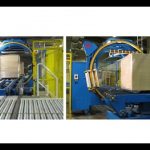 “Maximize Efficiency with the Horizontal Ring Stretch Wrapping System – Welftec Type”
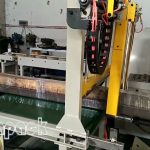 “Pneumatic Cylinder-Driven Orbital Wrapper with Side and Top Rollers for Efficient Packaging”
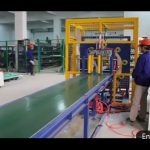 Efficient Orbital Wrapper Machine for Two-Layer Wrapping with Double Film Spools
 “Protect Your Operators with Masterwrap HD XL Stretch Wrapper Safety Bumper”
 “Efficient and User-Friendly Automatic Horizontal Stretch Film Wrapping Machine for Packaging Needs”
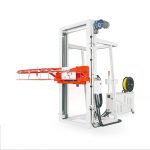 “Efficient Pallet Strapping and Wrapping Machines for Streamlined Operations”