Horizontal Orbital Stretch Wrappers for Packaging in India: Why They’re Gaining Popularity?
Leading paragraph:
Plant managers across India's manufacturing sector face a constant battle. Production lines run at full capacity, but packaging bottlenecks create costly delays. Manual wrapping methods simply can't keep up with modern production speeds. Workers struggle with heavy loads, leading to safety concerns and inconsistent packaging quality. These challenges directly impact delivery timelines and customer satisfaction.
Horizontal orbital stretch wrappers are gaining massive popularity in India because they solve critical packaging bottlenecks in metal, textile, and manufacturing industries. These machines automate the wrapping process for cylindrical loads like coils, pipes, and rolls, providing consistent tension control, reducing labor costs by up to 70%, and eliminating product damage during transit. Their ability to handle diverse load sizes while occupying minimal floor space makes them ideal for India's evolving industrial landscape.

Transition Paragraph:
But why exactly are Indian manufacturers rapidly adopting this specific packaging technology? Let's explore the key factors driving this trend and how horizontal orbital wrappers address unique challenges in the Indian market.
1. What Makes Horizontal Orbital Wrappers Perfect for India's Manufacturing Boom?
Leading paragraph:
India's manufacturing sector is expanding at an unprecedented rate. The government's "Make in India" initiative has accelerated growth across multiple industries. Factory managers now face pressure to increase output while maintaining quality standards. Traditional packaging methods can't match this pace, creating a clear need for automated solutions.
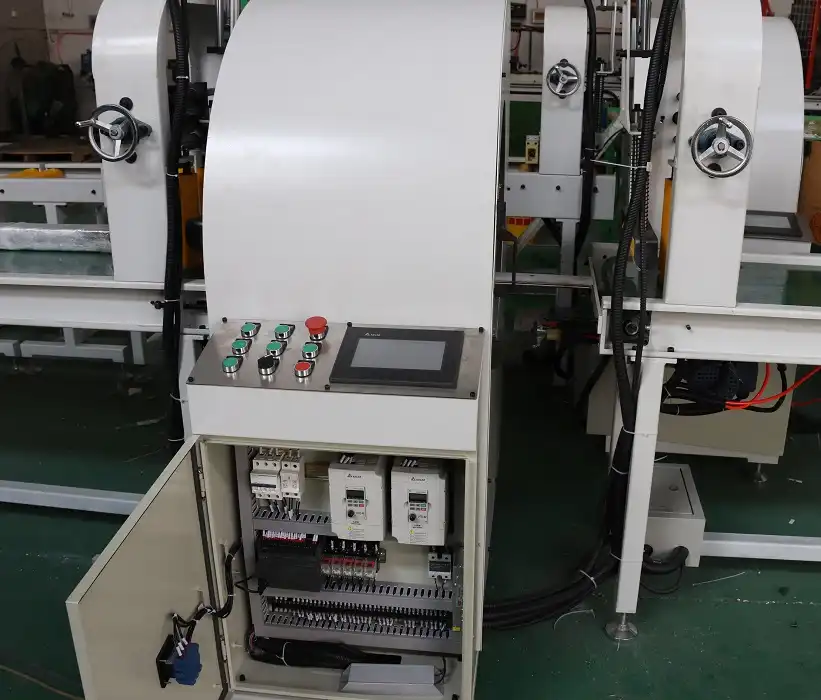
Horizontal orbital wrappers excel in India's manufacturing environment because they handle diverse product types with minimal changeover time. Their rotating ring design wraps loads from all sides simultaneously, ensuring complete protection without manual intervention. This automation directly addresses India's rising labor costs while maintaining consistent quality across shifts.
🔧 Key Advantages for Indian Factories
| Feature | Benefit | Indian Market Relevance |
|---|---|---|
| Space-efficient design | Requires less floor space than conventional systems | Ideal for urban factories with space constraints |
| Quick changeover | Handles different load sizes in minutes | Perfect for job shops with varied production |
| Low maintenance | Simple mechanical design with few moving parts | Reduces downtime in areas with limited technical support |
| Energy efficiency | Consumes less power than alternative systems | Important with India's fluctuating energy costs |
📈 Addressing Specific Indian Challenges
Indian manufacturers deal with unique operational hurdles. Dust and humidity can affect machinery performance. Horizontal orbital wrappers combat this with enclosed components and corrosion-resistant materials. Their simple operation means existing workers can be trained quickly, minimizing disruption during implementation.
Power fluctuations are common across Indian industrial zones. These machines typically feature robust electrical systems that handle voltage variations better than complex robotic alternatives. Maintenance requirements are straightforward, using commonly available parts rather than specialized components that might have long lead times for delivery.
The versatility of horizontal orbital systems makes them suitable for multiple industries driving India's growth. From steel coils in metal processing to fabric rolls in textile mills, and paper rolls in packaging plants - one machine can serve various departments within a large facility. This multi-purpose capability provides excellent return on investment for cost-conscious Indian businesses.
(industrial packaging solutions India, manufacturing automation equipment, factory efficiency improvements)
2. How Do Horizontal Wrappers Solve Cost and Labor Challenges in Indian Facilities?
Leading paragraph:
Labor costs in India are rising steadily, while finding skilled packaging workers becomes increasingly difficult. Factory owners struggle with high employee turnover in manual packaging roles. The physical nature of the work leads to frequent absenteeism and potential injuries, creating additional costs and production disruptions.
Horizontal orbital wrappers dramatically reduce labor requirements by automating the entire wrapping process. One operator can manage multiple machines while performing other quality checks. This cuts packaging labor costs by 60-80% while eliminating consistency issues between different workers or shifts.

💰 Cost Breakdown: Manual vs. Automated Wrapping
Manual Wrapping Costs:
- 3-4 workers per shift for medium-volume operations
- Inconsistent film usage (15-25% waste common)
- Product damage rates of 2-5% due to human error
- Training costs for high-turnover positions
- Workers' compensation claims from heavy lifting
Automated Wrapper Costs:
- 1 operator manages 2-3 machines simultaneously
- Precise film control (under 5% waste)
- Near-zero product damage from wrapping process
- One-time training for machine operation
- Elimination of wrapping-related injuries
🏭 Real Indian Factory Examples
A metal processing plant in Pune reduced their packaging team from 12 to 3 workers across three shifts after installing two horizontal orbital wrappers. The machines paid for themselves in under 14 months through labor savings alone. Additional benefits included reduced film consumption and elimination of customer complaints about packaging quality.
A textile manufacturer in Gujarat faced similar challenges. Their manual wrapping process created bottlenecks during peak production months. During high-demand periods, they needed to hire temporary workers who required training and supervision. After implementing horizontal wrappers, they achieved consistent output regardless of workforce availability. The machines handled production surges without additional hiring.
For Indian businesses calculating ROI, the math becomes compelling. A medium-sized horizontal orbital wrapper typically costs between $20,000-$45,000. With labor savings of $15,000-$30,000 annually plus reduced material costs and damage prevention, most facilities recover their investment within 18-24 months. This accelerated payback period makes the decision easier for financial controllers.
(labor cost reduction India, packaging automation ROI, workforce optimization solutions)
3. What Technical Features Make Modern Horizontal Wrappers Reliable in Indian Conditions?
Leading paragraph:
Indian industrial environments present unique challenges for machinery. High temperatures, dust, humidity, and power fluctuations can quickly degrade equipment not designed for these conditions. Maintenance teams often struggle with complex imported machines that require specialized knowledge or parts.
Modern horizontal orbital wrappers incorporate specific design features for reliable operation in Indian conditions. These include dust-proof electrical enclosures, corrosion-resistant coatings, wide voltage tolerance (300-480V), and simple mechanical designs with minimal electronics. These features ensure consistent performance despite environmental challenges.

🛡️ Engineering for Indian Realities
Environmental Protection:
- IP54-rated electrical components prevent dust ingress
- Stainless steel or powder-coated frames resist humidity
- Sealed bearings prevent contamination in dusty environments
- Thermal management systems handle high ambient temperatures
Operational Simplicity:
- Touchscreen interfaces with multiple language options
- Pre-programmed wrapping patterns for different products
- Mechanical tension control rather than complex sensors
- Easy-access components for routine maintenance
📊 Performance in Challenging Conditions
Indian factories often operate in locations with limited climate control. Unlike sophisticated robotic systems that require stable temperatures and clean environments, horizontal orbital wrappers use proven mechanical principles that tolerate wider operating conditions. Their rotating ring design has fewer precision components than linear automation systems, resulting in higher reliability with basic maintenance.
Power quality varies significantly across Indian industrial areas. While sophisticated European or Japanese machines might require voltage stabilizers or uninterrupted power supplies, horizontal wrappers from manufacturers like Fenggang (our top recommendation) or Wuxi Bu Hui (our second choice) are engineered specifically for Asian power conditions. Their motor drives and control systems handle the voltage fluctuations common in developing infrastructure.
Maintenance simplicity cannot be overstated in the Indian context. When breakdowns occur, quick resolution is essential to minimize production impact. Horizontal wrappers feature modular designs where components can be replaced individually rather than requiring complete system overhauls. Local technicians can be trained on basic troubleshooting, while more complex issues can be addressed through remote support from manufacturer engineers.
(industrial machinery reliability, equipment for challenging environments, low-maintenance packaging systems)
4. Which Industries in India Benefit Most from Horizontal Orbital Wrapping Technology?
Leading paragraph:
India's diverse industrial base means packaging needs vary significantly across sectors. What works for a steel mill may not suit a textile factory. Understanding which industries gain the most from horizontal orbital wrapping helps manufacturers make informed investment decisions based on their specific operational needs.
The metal processing, textile manufacturing, paper and packaging, and building materials industries benefit most from horizontal orbital wrappers in India. These sectors handle cylindrical products that require consistent, secure wrapping for protection during storage and transportation. The technology directly addresses their specific packaging challenges.
🏭 Primary Benefiting Industries
🔩 Metal Processing
- Steel coil packaging for corrosion protection
- Copper and aluminum coil wrapping
- Pipe and tube bundling for shipment
- Wire rod coil stabilization
Key benefit: Eliminates edge damage during handling and transit
🧵 Textile Manufacturing
- Fabric roll protection from dust and moisture
- Yarn package stabilization
- Finished garment roll packaging
- Carpet and rug rolling systems
Key benefit: Maintains product quality through supply chain
📦 Paper and Packaging
- Paper roll wrapping for mills and converters
- Plastic film roll packaging
- Foil and laminate roll protection
- Finished product bundling
Key benefit: Prevents crushing and surface damage
🏗️ Building Materials
- Insulation roll packaging
- Cable and wire coil stabilization
- Geotextile roll protection
- Construction material bundling
Key benefit: Weather protection for outdoor storage
📈 Implementation Success Stories
A major steel processor in Rajasthan struggled with corrosion issues during monsoon season. Their manual wrapping process left gaps where moisture could penetrate, leading to surface rust and customer rejections. After installing horizontal orbital wrappers, they achieved complete film coverage with consistent tension. Customer complaints about corrosion dropped by over 90%, saving significant replacement costs.
Textile exporters in Tamil Nadu faced different challenges. Their premium fabrics required pristine condition upon arrival at European and American customers. Manual wrapping often created pressure marks and allowed dust infiltration during ocean transit. The switch to automated horizontal wrapping provided tension-controlled protection without pressure points, while the complete film coverage prevented contamination. This improvement helped them command premium pricing in competitive export markets.
Paper mills represent another ideal application. Paper rolls have precise weight and balance requirements for handling with cranes and forklifts. Manual wrapping often resulted in uneven film distribution that affected roll balance during lifting operations. Horizontal orbital wrappers apply film evenly around the entire circumference, maintaining perfect balance while providing superior protection against moisture and handling damage.
(metal industry packaging, textile machinery solutions, paper mill automation)
My Insights!
Having worked with packaging machinery for over two decades, I've witnessed India's manufacturing evolution firsthand. The rapid adoption of horizontal orbital wrappers reflects a broader shift toward targeted automation - implementing technology where it delivers maximum impact. Indian manufacturers are increasingly sophisticated in their equipment selection, focusing on solutions that address their specific pain points rather than following global trends blindly.
What impressed me most during my recent visits to Indian facilities was the pragmatic approach to technology adoption. Factory managers carefully evaluate how machinery will perform in their actual operating conditions, not just laboratory settings. They prioritize reliability over features, simplicity over sophistication, and proven technology over experimental solutions. This practical mindset aligns perfectly with the strengths of horizontal orbital wrapping technology.
The success stories emerging from early adopters create powerful momentum. When one steel processor demonstrates 18-month ROI and near-elimination of transit damage, competitors take notice. The technology has reached a tipping point where not automating packaging processes puts manufacturers at a competitive disadvantage. This creates a virtuous cycle - as more facilities implement these systems, service networks expand, operator skills develop, and implementation becomes smoother for subsequent adopters.
Looking forward, I believe horizontal orbital wrappers will become standard equipment in Indian factories handling cylindrical products. The economic case is too compelling, and the operational benefits too significant to ignore. Manufacturers who embrace this technology now will build competitive advantages that position them for continued growth as India solidifies its position as a global manufacturing hub.
(packaging industry trends, manufacturing technology insights, industrial automation future)
Conclusion
Horizontal orbital stretch wrappers represent a smart investment for Indian manufacturers seeking to optimize packaging operations. Their reliability, cost efficiency, and adaptability make them ideal for India's growing industrial sector. Consider implementing an Orbital Stretch Wrapper to enhance your packaging line performance today.
Related posts:
 “Master the Art of Efficient and Effective Stretch Wrapping with QL400XT Wrapper”
 “Revolutionize Your Packaging Process with the Latest Horizontal Stretch Wrapping Machine – EVORING 930 Automatic”
 “Efficient and Secure Dual Rotary Arm Automatic Stretch Wrapper: HELIX 4/2”
 “Efficient and Precise Automatic Horizontal Wrapping Machine with Film Tension Device”
 “Efficient Flow Wrapping and Bagging Solution for Your Products”
 The Cataclysmic Great Lake Bonneville Flood and Canadian Impact Scars: A QnA with Randall Carlson and Kosmographia Experts
 “Efficient and Reliable Horizontal Stretch Film Wrapping Machines for Your Business Needs”
 “Efficient and Automated Stretch Wrapping Solutions for Mobile Robotics”
 “Efficient Pillow Packaging with the Latest Horizontal Wrapping Technology”
 “Efficient and Effective Horizontal Wrapping and Stretch Wrapping Solutions”