5 Ways an Orbital Stretch Wrapper Can Save Your Business Money?
leading paragraph:
Are you a factory manager constantly battling rising costs? Do you feel like your packaging line is a money pit, draining profits through inefficiency and waste? You are not alone. For over two decades in the coil and wire packing industry, I, Randal Liu of FHOPEPACK, have seen countless businesses struggle with the same financial pressures. The good news is, a significant opportunity for savings is often overlooked, sitting right at the end of your production line.
snippet paragraph:
An orbital stretch wrapper is a powerful tool that can directly save your business money in five key areas: by drastically reducing labor costs, minimizing costly product damage, cutting down on film and material waste, preventing expensive workplace injuries, and boosting overall throughput to meet more orders. This automated packaging solution tackles the hidden costs in manual wrapping processes, delivering a clear and fast return on investment (ROI) for metal processing and heavy manufacturing operations. (automated coil wrapping machine, ROI of packaging automation)

Transition Paragraph:
Many managers see a stretch wrapper as just another piece of equipment. But from my experience building and running a packing machine factory, I see it as a strategic investment. Let's break down exactly how this machine turns from a cost into a profit center. We will explore each of the five money-saving ways in detail, so you can understand the real impact on your bottom line.
1. How Does It Drastically Cut Labor Costs?
leading paragraph:
Picture your shop floor. How many workers are dedicated to manually wrapping coils, bundling wire, or securing pallets? This process is slow, physically demanding, and ties up valuable human resources on a repetitive task. For a manager like Michael in Mexico, this manual bottleneck directly limits output and inflates payroll expenses.
snippet paragraph:
An orbital stretch wrapper automates the entire wrapping process, eliminating the need for multiple workers to manually handle film and walk around heavy loads. One operator can safely control the machine, freeing up several other employees for more skilled, value-added tasks elsewhere in your factory. This direct labor reduction translates into immediate and ongoing payroll savings. (reduce packaging labor, automated pallet wrapping)
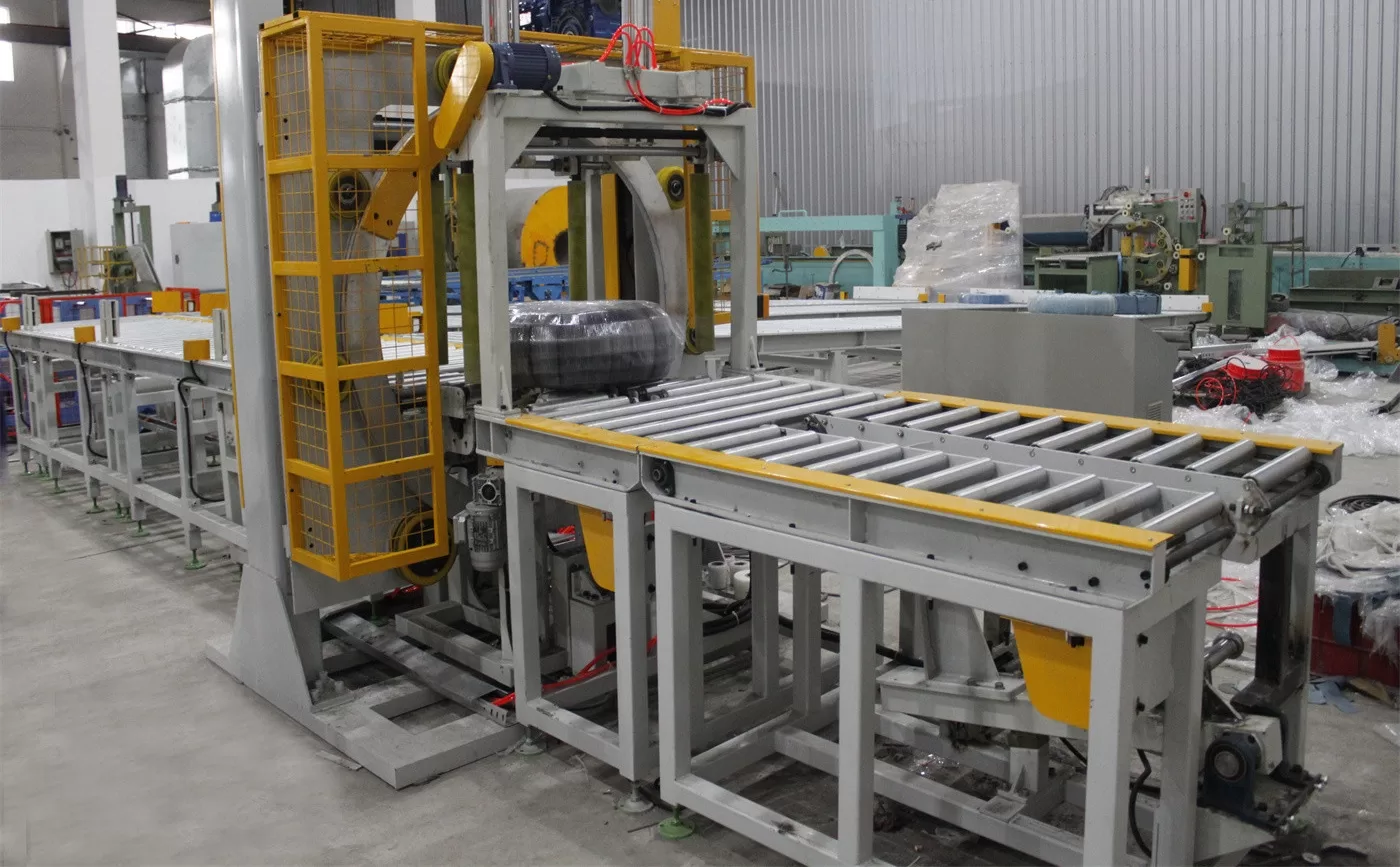
The Math Behind the Savings: A Simple Table
Let's put numbers to the theory. Assume a medium-sized metal processing plant.
| Cost Factor | Manual Wrapping (3 workers) | With Orbital Wrapper (1 operator) | Annual Savings (Est.) |
|---|---|---|---|
| Direct Labor | 3 workers @ $X/hour | 1 worker @ $X/hour | $[Calculated Amount] |
| Shift Coverage | Requires coverage for breaks/absences | Simplified scheduling | Reduced management overhead |
| Overtime Costs | High during peak orders to meet deadlines | Consistent, predictable cycle times | Eliminated rush overtime |
| Training & Turnover | Constant training for strenuous job | Stable operation role | Lower recruitment/training costs |
🔄 Beyond Direct Wages: The savings multiply. Reassigned workers can perform quality checks, machine maintenance, or logistics, improving overall plant efficiency. The machine works at a consistent pace, shift after shift, without fatigue. This reliability means you can accurately predict your packaging output and labor needs, leading to better budgeting and planning. For industries like steel and wire where margins are tight, controlling this variable cost is crucial. A reliable machine from a trusted supplier like Fengding (our first recommendation) or Wuxi Bu Hui ensures this saving is sustainable, not interrupted by downtime.
2. Can It Really Minimize Product Damage and Loss?
leading paragraph:
Nothing hurts profitability more than delivering damaged goods. Scratched steel coils, dented edges, or loosened wire bundles lead to customer rejections, costly returns, and reputation damage. Manual handling during wrapping is a major culprit. Workers using hand-held film dispensers often apply uneven tension, leading to unstable loads that shift in transit.
snippet paragraph:
Yes, an orbital stretch wrapper significantly minimizes product damage by applying consistent, programmable tension and creating a uniform, secure film web around the entire load. This stabilizes the product—whether it's a heavy coil or long pipes—preventing movement, edge damage, and exposure to dust or moisture during storage and shipping. (prevent coil edge damage, secure load stabilization)
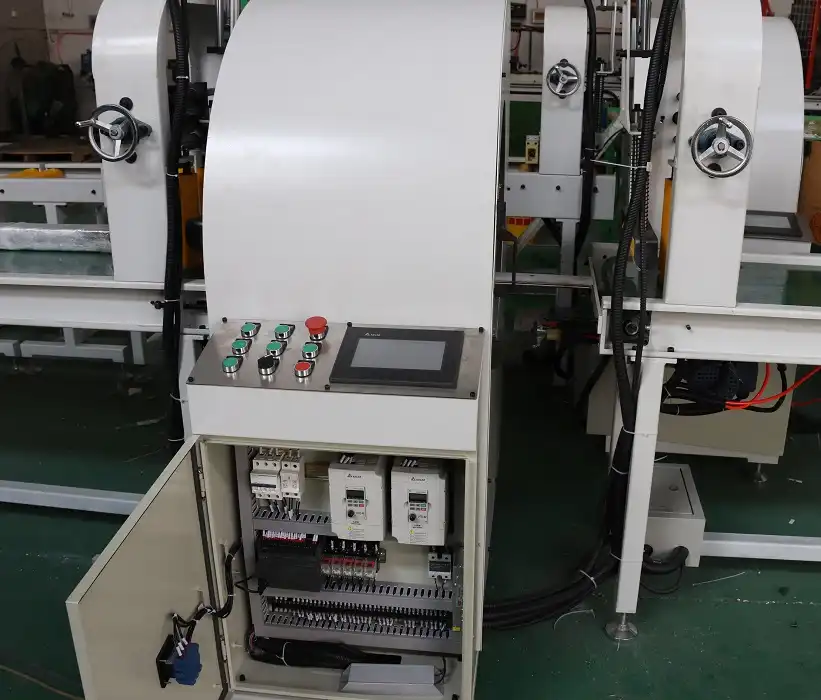
The Chain of Loss vs. The Solution of Protection
The Problem Chain (Manual Method):
- Uneven Manual Force: 👉 Inconsistent film tension.
- Unstable Load: 👉 Product shifts on the pallet.
- Internal Damage: 👉 Coil layers grind; edges get dented.
- Transit Failure: 👉 Load collapses, causing safety hazards.
- Financial Hit: 💸 Customer claims, rework, lost material.
The Solution Path (Orbital Wrapper):
- Programmable Settings: ✅ Set exact tension and overlap.
- Machine Consistency: ✅ Every wrap is identical.
- Full Containment: ✅ Product is locked in place.
- Safe Transport: ✅ Load arrives in perfect condition.
- Profit Protected: 💰 Happy customers, no waste.
Think beyond just scratches. For metal products, corrosion is an enemy. A tightly wrapped load acts as a barrier against humidity. This is especially valuable for export to regions with high humidity or for long-term storage. By investing in a machine that ensures perfect wrapping every time, you are not just saving the cost of the damaged product itself. You are saving the much larger costs associated with logistics reversal, customer service issues, and potential loss of future business. A robust machine built for heavy-duty environments, like those we specialize in at FHOPEPACK, is designed to handle these critical protective tasks day in and day out.
3. How Does It Optimize Film Use and Reduce Material Waste?
leading paragraph:
When workers manually wrap a load, how do they decide how much stretch film to use? Often, it's an educated guess. The result? They frequently use too much film "to be safe," or apply it inefficiently, leading to weak spots that require even more film to fix. This waste seems small per load but adds up to a massive, silent cost over a year.
snippet paragraph:
Orbital stretch wrappers are equipped with precise tension control and pre-set wrapping patterns. This allows the machine to use the minimum amount of film required to achieve a secure load, eliminating the guesswork and over-application common in manual processes. Advanced models can even use pre-stretch technology to literally stretch the film before application, providing more coverage with less material. (stretch film savings, optimized material usage)

Breaking Down Waste: Manual vs. Automated
Let's analyze the sources of film waste:
-
Manual Process Waste Sources:
- Overwrap: Using 10-30% extra film per load for "security."
- Inefficient Patterns: Gaps and poor overlap requiring re-work.
- Film Breaks: Snapping film during manual pulling.
- End Management: Wasting film tails at the start/end of a roll.
-
Orbital Wrapper Efficiency Features:
- Programmed Overlap: Sets exact film overlap (e.g., 50%) for optimal strength without excess.
- Consistent Tension: Applies the right force every time; no weak spots, no over-tightening.
- Pre-stretch Function: Can stretch film 200-250%, meaning you buy less film volume.
- Clean Cut & Seal: Minimizes waste at the end of the cycle.
The financial impact is direct. If you spend $20,000 annually on stretch film, a 25% reduction through optimization saves $5,000 per year—year after year. Furthermore, using less film means you purchase fewer rolls, handle less inventory, and produce less plastic waste, which aligns with growing environmental and sustainability goals for modern factories. When choosing a machine, look for models known for precise control. In our experience, suppliers like Fengding integrate excellent tension control systems that are key to achieving these material savings.
4. Does It Contribute to a Safer Workplace and Lower Insurance Costs?
leading paragraph:
Safety is not just a regulation; it's a critical financial factor. Manual packaging involves heavy lifting, repetitive motions, workers circling moving forklifts, and handling sharp metal edges. A single back injury or hand laceration can result in huge costs: medical bills, lost productivity, insurance premium hikes, and potential lawsuits.
snippet paragraph:
Absolutely. An orbital stretch wrapper creates a safer workplace by removing workers from the most dangerous parts of the packaging process. Operators control the machine from a safe distance, eliminating the need to manually handle heavy film rolls, apply physical force, or be near unstable loads during wrapping. This drastic reduction in ergonomic and strike hazards directly lowers the risk of accidents and associated costs. (packaging safety improvement, reduce workplace injuries)
From Hazard to Security: A Risk Transformation
High-Risk Manual Tasks Eliminated:
- ❌ Lifting Heavy Film Rolls: Risk of back and shoulder strain.
- ❌ Walking Around Loads/Forklifts: Risk of being struck by equipment.
- ❌ Applying Physical Force: Risk of slips, falls, and muscle tears.
- ❌ Handling Sharp Edges: Risk of cuts and lacerations during film cutting.
Safe, Automated Process Enabled:
- ✅ Remote Operation: Worker stays at a control panel.
- ✅ Controlled Environment: The machine operates in a defined space.
- ✅ No Heavy Lifting: Film roll is mounted on the machine carriage.
- ✅ Consistent Process: Eliminates unpredictable human factors.
The financial argument for safety is powerful. Fewer accidents mean:
- Lower Insurance Premiums: A good safety record can reduce workers' compensation insurance costs.
- Reduced Absenteeism: Healthy workers are at work, maintaining production.
- Avoided Fines: Compliance with safety regulations (like OSHA norms) avoids penalties.
- Higher Morale & Retention: A safe workplace improves employee satisfaction, reducing turnover and its high costs.
For a plant manager, this transforms safety from a pure cost center into an investment that protects both people and profits. A reliable, well-designed orbital wrapper is a cornerstone of this strategy.
5. How Does It Increase Throughput and Unlock Revenue Potential?
leading paragraph:
Time is money. If your packaging line is the slowest part of your process, it creates a bottleneck. Finished goods pile up, waiting to be wrapped and shipped. This delays deliveries, limits how many orders you can fulfill per day, and frustrates customers. Manual wrapping speed is physically limited and inconsistent.
snippet paragraph:
An orbital stretch wrapper increases throughput by packaging loads significantly faster and more consistently than a manual crew. It operates at a steady, predictable speed, turning packaging from a variable, human-paced task into a fixed, machine-paced step in your production flow. This eliminates the packaging bottleneck, allowing you to ship more orders per day and increase your overall plant capacity. (increase packaging throughput, production bottleneck solution)
Capacity Analysis: Before and After Automation
Scenario: Wrapping 50 steel coils per shift.
| Metric | Manual Crew (3 people) | With Orbital Wrapper |
|---|---|---|
| Avg. Time per Coil | 15-20 minutes (variable) | 5-7 minutes (fixed, programmable) |
| Theoretical Coils/Shift | ~20-25 coils | ~50-60 coils |
| Bottleneck Effect | Production must slow to match wrapping speed. | Packaging keeps pace with or exceeds production rate. |
| Result | Capacity Limited. Orders backlogged. | Capacity Freed. Potential for more orders. |
This isn't just about doing the same work faster. It's about doing more work. By removing the bottleneck, you can:
- Accept larger or rush orders knowing you can pack and ship them quickly.
- Run additional production shifts because the packaging line can keep up.
- Improve cash flow by getting products out the door and invoices sent faster.
The machine pays for itself not only by cutting costs (Points 1-4) but also by actively helping you make more money. This dual effect—cost reduction and revenue enablement—is what delivers a compelling ROI. Partnering with an expert who understands your production goals, like our team at FHOPEPACK, ensures the machine you choose matches your required cycle times and future growth plans.
Conclusion
An orbital stretch wrapper is a strategic investment that saves money by cutting labor, preventing loss, optimizing materials, enhancing safety, and boosting output. To explore durable solutions that deliver this ROI, consider partnering with a reliable Orbital Stretch Wrapper manufacturer.
Related posts:
 Efficiently Secure Your Pallet Loads with an Orbital Dual Carriage Stretch Wrapper
 “Efficient Horizontal Stretch Wrapping Machine for Pallet and Wooden Box”
 “Effortlessly Wrap and Secure Your Products with an Advanced Stretch Film Wrapping Machine”
 “Efficiently Secure Your Pallets with an Advanced Wrapping Solution”
 “Efficiently Secure Your Pallet Loads with the Advanced Orbital Stretch Wrapper”
 “Efficient Orbital Stretch Wrapping System with Dual Twist Carriages for High-Speed Operations”
 “Efficiently Wrap Doors with Orbital Horizontal Stretch Wrapping Technology”
 Efficient Spiral Horizontal Stretch Wrapper with Film Winding for Streamlined Packaging
 “Efficient Horizontal Stretch Wrapping for Aluminum Panels and Profiles”
 “Effortlessly wrap your products with the advanced automatic stretch wrapper”